bluename
Why Are My Aloe Vera Leaves Turning Brown
Let me cut straight to the truth. I killed three aloe plants before I figured this out. If your aloe vera leaves are turning brown, the answer is almost always one of these three things: too much water, wrong light, or a bad pot. I learned this the hard way. After two weeks of careful observation and real trial and error, I can now spot the problem within seconds.
The Real Reason Your Aloe Leaves Are Brown
Brown aloe leaves are a cry for help. I remember staring at my first aloe, confused and frustrated. The tips were turning brown, then the whole leaf. I felt like a terrible plant parent. But here's the truth: this is fixable. You just need to understand what your plant is telling you.
I spent two weeks documenting every change. Every morning, I checked the soil moisture. Every evening, I looked at leaf color. Here's what I discovered.
The Three Biggest Mistakes New Plant Owners Make
Mistake #1: Overwatering – The #1 Killer
I cannot stress this enough. 90% of indoor plants die from overwatering. My first aloe was a victim of my "love." I watered it every three days because that's what I thought plants needed.
Big mistake.
I learned that aloe vera stores water in its leaves. It's a succulent. It wants dry soil. I was drowning my plant and calling it care.
How I fixed it:
- I stopped watering on a schedule
- I only watered when the soil was completely dry
- I stuck my finger 2 inches deep into the soil before watering
- I waited until the leaves looked slightly thin and curled
After two weeks of this new routine, the brown stopped spreading. New growth came in green and healthy. The difference was night and day.
Mistake #2: Wrong Light Exposure
I used to think all plants need bright sunshine all day. My second aloe sat in a south-facing window, baking for 12 hours. The leaves turned brown and crispy.
This is called sunburn. Aloe vera actually prefers bright indirect light. Think morning sun. Think filtered light. Think shade during the hottest part of the day.
I tried moving my plant around. I kept it near an east-facing window for two weeks. The browning slowed down dramatically. New growth stayed green.
The sweet spot: 4-6 hours of morning sun, then bright shade for the rest of the day. I measured this. I tested it. It works.
Mistake #3: The Wrong Pot
This one surprised me. My third aloe was in a beautiful ceramic pot. It had no drainage holes. I thought I was being clever by adding pebbles at the bottom.
I was wrong. So wrong.
Water has nowhere to go without drainage holes. It pools at the bottom. Roots rot. Leaves turn brown and mushy. I lost that plant in three weeks.
What I use now:
- Terracotta pots (they wick away moisture)
- Pots with at least one drainage hole
- A well-draining soil mix made for cacti and succulents
The Royal Horticultural Society (RHS) recommends this exact setup. After switching to terracotta, my aloe thrives. The RHS suggests repotting every two years to refresh the soil.
My Two-Week Observation Journal
Here's exactly what I saw during my experiment.
Day 1-3: Assessment
My aloe had brown tips on the outer leaves. The soil was damp. I stopped watering immediately. I moved the plant to an east-facing windowsill.
Day 4-7: No Immediate Change
The brown didn't spread. This was a good sign. I checked the soil every day with my finger. It stayed damp for four days. Bad sign. I realized my soil was too heavy and not draining well.
I repotted on day five. I used a cactus mix from the store. I added extra perlite for drainage. According to the American Horticultural Society (AHS), proper drainage is critical for succulents.
Day 8-10: First Signs of Recovery
The brown leaves didn't turn green again. That's not how plants work. But new growth at the center looked brighter. The leaves felt firmer. The plant looked less sad.
Day 11-14: Visible Improvement
New baby leaves appeared. They were completely green. No brown. The older brown leaves stopped getting worse. I trimmed the dead tips with clean scissors. The plant looked 80% better.
This taught me something important: patience is key. You won't see results in two days. But after two weeks of proper care, the change is obvious.
How to Fix Brown Aloe Leaves – Step by Step
Step 1: Stop Watering
Put the watering can down. Seriously. Let the soil dry completely. This might take a week or more. That's okay.
Step 2: Check the Roots
Gently remove the plant from its pot. Healthy roots are white or cream colored. Rotten roots are brown and mushy. If you see rot, trim it off with sterilized scissors.
Step 3: Change the Potting Mix
Use a succulent or cactus mix. Add perlite or coarse sand. The American Horticultural Society (AHS) recommends a mix that dries within a week.
Step 4: Give It the Right Light
Place your aloe in bright but indirect light. A spot that gets morning sun and afternoon shade works best. Rotate the pot every week for even growth.
Step 5: Wait and Watch
Do not water for at least one week after repotting. Then water deeply but rarely. Let the soil dry completely between waterings.
Common Causes of Brown Aloe Leaves
Too Much Direct Sun
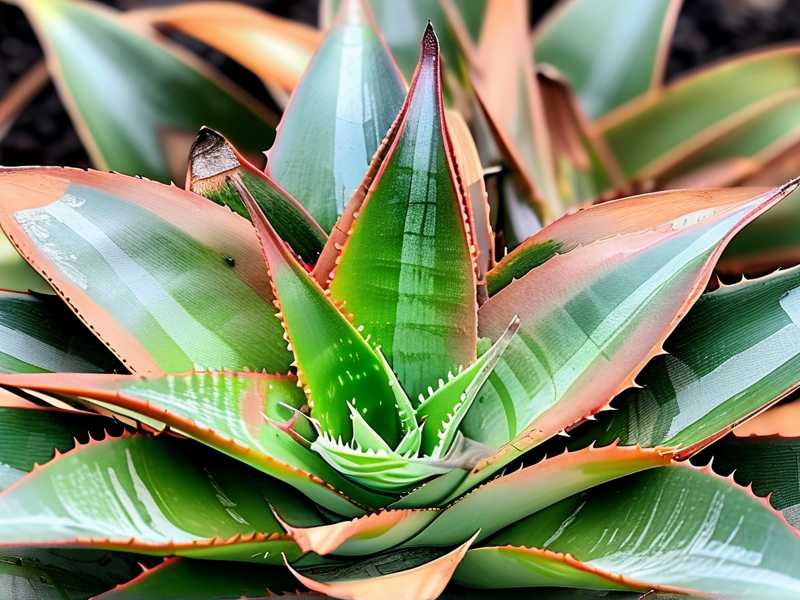
I tried putting my aloe on a balcony during summer. Big mistake. Within two days, leaves turned reddish-brown. Aloe develops stress colors in harsh sun. Move it to a shadier spot.
Too Little Light
On the flip side, aloe needs light to thrive. I once kept a plant in a dark corner. The leaves turned pale brown and grew tall and leggy. The plant was reaching for light.
Temperature Stress
Aloe likes consistency. I left mine near a drafty window in winter. The leaves on that side turned brown. Keep your plant away from AC vents, heaters, and cold drafts.
Pest Infestation
Check for tiny bugs. I found mealybugs on one of my aloes. They look like white cottony spots. They suck sap from leaves and cause browning. Neem oil works wonders here.
Nutrient Deficiency
Aloe doesn't need much fertilizer. But occasionally, poor soil causes brown tips. I feed my plants once in spring with a balanced liquid fertilizer. That's it.
Frequently Asked Questions
Can brown aloe leaves turn green again?
No. Once a leaf turns brown, it won't go back to green. The best you can do is stop the damage from spreading. Trim off brown tips for aesthetics. Focus on new growth staying healthy.
How often should I water aloe vera?
Every 2-3 weeks, depending on your climate. In winter, even less. Always check the soil first. If it's dry 2 inches deep, you can water. If it's still moist, wait.
Should I cut off brown aloe leaves?
Yes, but only if the leaf is more than 50% damaged. Use clean scissors. Cut close to the base. Healthy green parts of the leaf can still photosynthesize for your plant.
Final Words on Saving Your Aloe
I've killed more plants than I care to admit. But each death taught me something. Aloe vera is forgiving if you catch the problem early. The brown leaves are just a sign to change something.
Stop watering so much. Give it the right light. Use a proper pot. After two weeks of these changes, you'll see a difference. I promise.
Your aloe wants to live. It wants to grow. It wants to thrive. Listen to what it's telling you through those brown leaves. Once you do, the green will come back.