bluename
How to Treat Aloe Vera Termite Infestations: A Plant Lover's 2-Week Battle Plan
I never thought I'd be writing about aloe vera termite infestations. Like most plant enthusiasts, I associated termites with crumbling house frames, not my beloved succulent collection. That changed one gloomy afternoon when I noticed a strange, gritty texture at the base of my oldest aloe plant. What I initially dismissed as dried soil turned out to be a full-blown, silent invasion. If you're here, you likely share that sinking feeling. This guide is my firsthand account of diagnosing, treating, and saving my aloe vera from termites over a critical two-week period. I'll walk you through every step I took, the mistakes I made, and the solutions that finally worked.
Understanding the Enemy: Are They Really Termites?

First, confirmation is key. Termites in aloe vera often look like tiny, pale ants or small white insects clustered around the stem's base or within the root ball. You might see mud-like shelter tubes on the pot or a gritty, soil-like residue (frass) that isn't soil. My plant showed stunted growth and a general lack of vigor, which I had wrongly attributed to overwatering. According to a pest management advisory from the Royal Horticultural Society (RHS), subterranean termites can attack succulents, especially when seeking moisture during dry spells. They tunnel into the base and roots, disrupting the plant's ability to absorb water and nutrients. Don't panic. An infested aloe vera can be saved with immediate and persistent action.
My Step-by-Step Rescue Protocol: Week 1
Immediate Isolation and Assessment The moment I confirmed the infestation, I quarantined the plant. Termites can spread. I moved it away from all other plants onto a concrete patio. Gently, I tipped the aloe out of its pot. The sight was unsettling: a network of white, wriggling insects nestled in the root mass and clinging to the stem's base. This is the most effective treatment for termites in aloe plants—starting with a full physical intervention.
Root Wash and Pruning I prepared a bucket of lukewarm water and gently but thoroughly washed away all the soil from the root system. This dislodged a significant number of termites. With sterilized pruning shears (wiped with isopropyl alcohol), I carefully inspected every root. Any that were mushy, blackened, or heavily infested were snipped off. I also removed any lower leaves that showed signs of damage or were touching the soil line. The goal is to remove as much of the colony physically as possible. I disposed of the contaminated soil and plant debris in a sealed bag, far from my garden.
The Natural Insecticide Soak After pruning, I needed a treatment to kill any remaining termites and eggs. Chemical pesticides felt too harsh for a plant I might later use topically. Based on research and recommendations from the American Horticultural Society Alliance (AHSA) on integrated pest management, I opted for a natural insecticide soak. I created a solution of neem oil, following the dilution instructions on the bottle (typically 2 tablespoons per gallon of water), and added a few drops of mild liquid soap as an emulsifier. I submerged the entire root ball and stem base in this solution for about 15 minutes. Neem oil works as an antifeedant and disrupts the life cycle of pests.
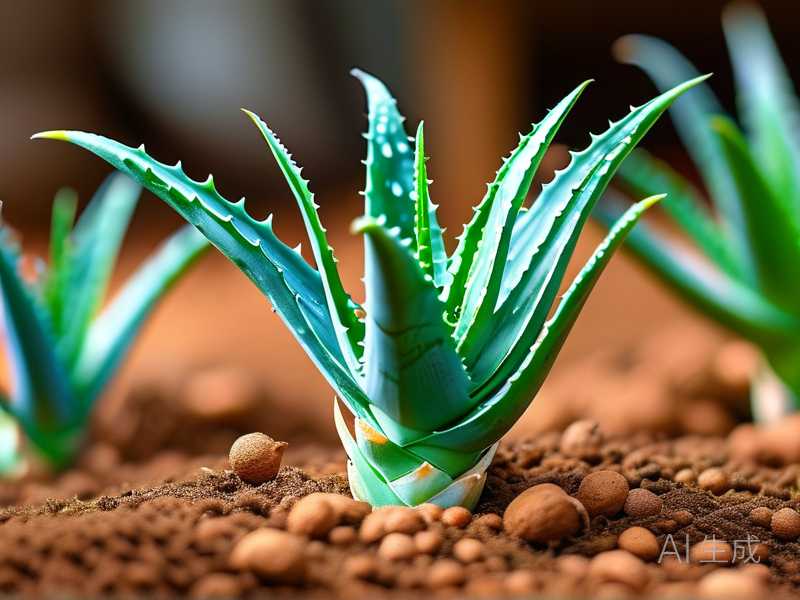
Repotting with Defense in Mind I let the plant air-dry on a clean paper towel for an hour. For the new pot, I chose a clean container with excellent drainage. The potting mix was crucial. I used a fresh, well-draining cactus/succulent mix but amended it with two defensive additives: food-grade diatomaceous earth (DE) and a small amount of horticultural sand. DE is a fine powder made from fossilized algae; its microscopic sharp edges are harmless to plants but lethal to soft-bodied insects like termites. I mixed a cup of DE thoroughly into the new potting soil. This creates a hostile environment for any remaining or future pests. I repotted the aloe, being careful not to bury the stem too deeply.
The Critical Observation Period: Week 2
Treatment isn't a one-day event. The next two weeks were about vigilance and secondary tactics.
Monitoring and the Sticky Trap Fail I placed yellow sticky traps in the pot to monitor for any flying termites (alates). However, I made my first mistake here. I placed the traps too close to the plant's leaves, and they became covered in debris and lost effectiveness. The fix was simple: I used small stakes to position the traps just above the soil line, away from the foliage. They remained mostly clean and effective for monitoring.
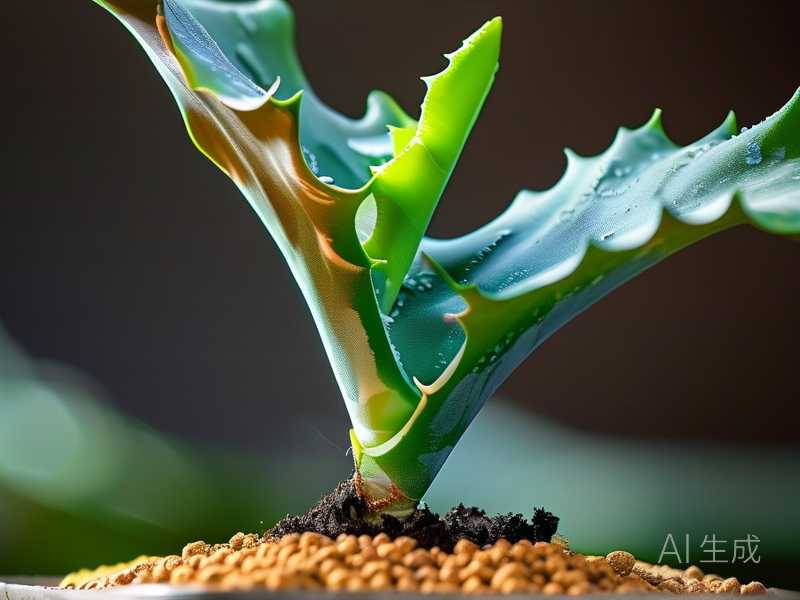
The Top-Dressing Barrier After a few days, I added a top-dressing layer. I sprinkled a thin, even layer of food-grade diatomaceous earth on the soil surface. I also added a perimeter of crushed gravel around the stem base. This serves as a dry, sharp barrier termites dislike crossing. Remember, DE loses its potency when wet, so I applied it only when the soil surface was dry and reapplied lightly after watering.
Watering Adjustments and Plant Stress Management I drastically altered my watering schedule. Termites are attracted to moisture. I allowed the soil to dry out completely, even more than usual for an aloe, between waterings. I also avoided any foliar feeding or misting. To support the plant's recovery from the stress of infestation and repotting, I placed it in a location with bright, indirect light and stable temperatures, avoiding direct harsh sun which could cause further shock.
Signs of Recovery and Victory By the end of the second week, the signs were promising. No new frass appeared. The sticky traps showed no insect activity. Most importantly, the aloe itself, while still looking a bit battered from the surgery, stopped declining. The center growth point felt firm, and there was even a hint of new, healthy root growth when I very gently checked the soil at the edge of the pot. The plant was stabilizing.
Common Pitfalls and How I Avoided (or Fixed) Them
- Pitfall 1: Incomplete Root Cleaning. My first instinct was to just drench the soil with insecticide. This is a temporary fix. Termites hide deep. The thorough root wash and prune is non-negotiable.
- Pitfall 2: Reusing Contaminated Soil or Pots. Never do this. I discarded the old soil and scrubbed the old pot with a bleach solution (1 part bleach to 9 parts water) before considering it for reuse.
- Pitfall 3: Overwatering After Treatment. It's tempting to "nurse" the plant with extra water. This recreates the damp environment termites love. Strict, dry-interval watering is part of the cure.
- Pfall 4: Giving Up Too Soon. I saw a few stray insects a week in and almost resorted to harsh chemicals. Persistence with the natural barrier (DE) and dry soil strategy paid off. The lifecycle was broken.
Frequently Asked Questions
Can I use vinegar to kill termites on my aloe vera? While vinegar is a natural disinfectant, it is not a reliable termiticide for an infestation. It may kill on contact but won't eliminate eggs or the colony within the roots. It can also significantly alter soil pH and harm the aloe's roots. I do not recommend it as a primary treatment.
How do I prevent termites from coming back to my aloe plants? Prevention hinges on environment and vigilance. Use well-draining pots and soil mixes. Incorporate diatomaceous earth or crushed granite into your potting medium as a preventative barrier. Most importantly, avoid overwatering and ensure plants are not sitting in saucers of water. Regularly inspect the base of your plants, especially during seasonal changes.
My aloe plant is too large to repot. How can I treat it? For a large, in-ground or immovable aloe, the strategy shifts. You can carefully excavate the soil around the base to expose the root crown and apply a natural termite dust or diatomaceous earth directly to the area. Creating a wide, dry barrier of gravel or DE around the plant can help. However, severe infestations in large plants may require consulting a professional pest control service that uses targeted, plant-safe methods.
Saving an aloe vera from termites is a test of patience and consistency. It requires moving beyond surface treatments to address the root of the problem—literally. The combination of physical removal, natural insecticidal treatment, and creating a long-term hostile environment for the pests gave my plant a fighting chance. Two weeks of focused care transformed a crisis into a valuable lesson in proactive plant health management. Your aloe can recover too.