bluename
 Can Aloe Vera Grow in Shady Gardens? My 2-Week Experiment
For years, I’ve heard the same golden rule: aloe vera is a sun worshipper. As a houseplant enthusiast with a north-facing balcony and several shady garden spots, this always felt like a closed door. I desperately wanted the soothing gel and architectural beauty of aloe vera in my low-light spaces, but every piece of conventional wisdom said it was impossible. The core question haunted me: Can aloe vera grow in shady gardens, or is it destined solely for bright, sunny windowsills?
Driven by stubborn curiosity, I decided to run a real-world experiment. I would test the limits of aloe vera’s adaptability in low-light conditions, documenting every step, observation, and setback over a focused two-week period. This isn’t just theory; it’s the story of my hands-on trial.
Understanding Aloe Vera’s Light Needs: What the Experts Say
Before diving in, I needed a baseline. The Royal Horticultural Society (RHS) clearly states that aloe vera, like most succulents, thrives in full sun or very bright, indirect light. Its fleshy leaves are designed to store water and photosynthesize efficiently under strong light. The American Horticultural Society (AHA) echoes this, classifying it as a plant that requires high light intensity for optimal growth and to maintain its compact, sturdy form.
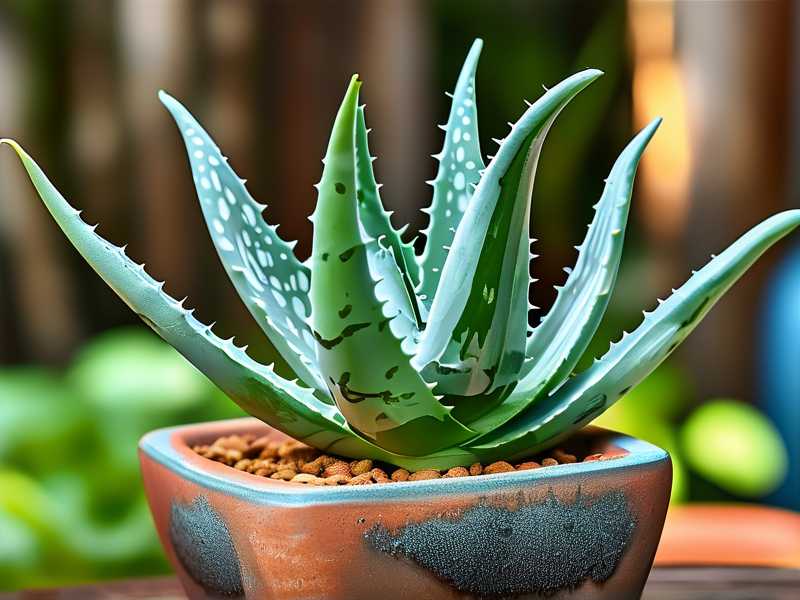
In low light, the risks are well-documented: etiolation (leggy, stretched growth), pale leaves, weakened structure, and a higher susceptibility to root rot due to slower soil drying. My goal wasn’t to dispute this science but to explore the minimum threshold for survival and what “shade” truly means for a resilient plant like aloe.
My Experimental Setup: Defining “Shady”
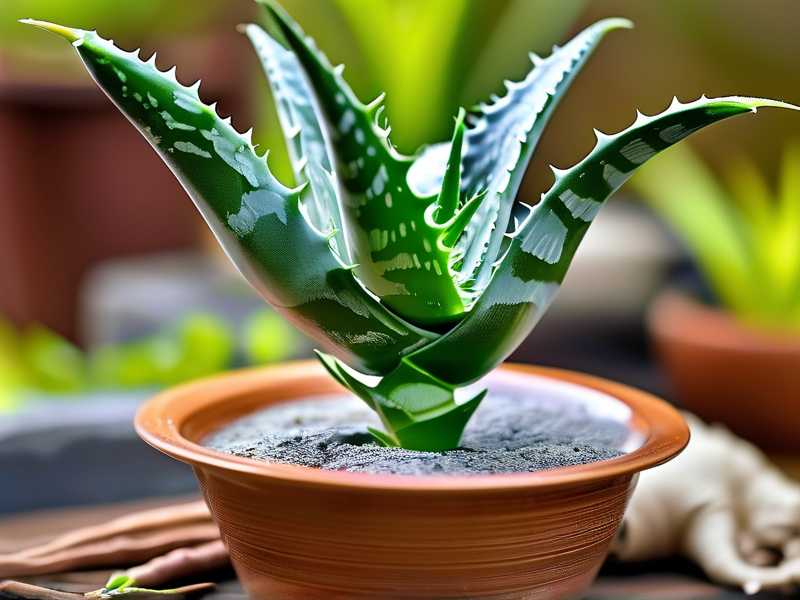
I selected three healthy, mature aloe vera pups from a parent plant that had grown in bright, indirect light. To ensure a fair test, I repotted all three into an identical, perfectly draining succulent mix (a blend of cactus soil, perlite, and coarse sand). The pots had ample drainage holes.
I then placed them in three distinct “shady” conditions in my home and garden:
- Group A (Dappled Outdoor Shade): Under a large maple tree on my balcony. This spot receives only 1-2 hours of gentle morning sun, followed by bright, filtered light for the rest of the day. No direct afternoon sun.
- Group B (Bright Indoor Indirect Light): On a shelf about 8 feet back from a large north-facing window. This is a bright room, but the plant receives no direct sunbeams at all, only ambient light.
- Group C (Low Indoor Light): In a room with an east-facing window, but placed in a corner 12 feet away from the light source. This was my true “low-light” challenge.
My core long-tail keyword for this test was “growing aloe vera in low light conditions.” A related semantic variant I kept in mind was “aloe plant light requirements for shade.”
The 2-Week Observation Log: A Day-by-Day Account
Days 1-3: The Adjustment Period All plants looked stable. I watered them thoroughly at planting and then resolved not to water again until the soil was completely dry—my first critical adjustment for shade gardening. Overwatering is the fastest killer in low-light situations.
Days 4-7: The First Visible Signs
- Group A (Dappled Shade): The plant looked happy. Leaves were still firm and green. No noticeable growth, but no decline.
- Group B (Bright Indirect): Similarly stable. The deep green color was preserved. I noticed the plant seemed to be orienting its leaves slightly toward the window.
- Group C (Low Light): Here came the first red flag. The innermost, youngest leaves appeared slightly less vibrant, a touch more yellow-green than deep green. The growth center seemed less tight.
Days 8-14: Challenges and Course Correction
- Group A & B: Both continued to hold their own. No etiolation observed. The soil in Group A’s pot (outdoors with more airflow) dried noticeably faster than the indoor pots.
- Group C (Low Light): The problem escalated. By day 10, the new growth was clearly elongating and stretching. The classic sign of etiolation had begun. Furthermore, the soil remained damp to the touch. I was facing my first major pitfall: overwatering in conjunction with insufficient light.
This was the turning point. I had to implement a solution immediately. I moved Group C from its dark corner to join Group B in the bright, indirect light area. I also carefully aerated its soggy soil with a chopstick and placed it near a fan to accelerate drying, vowing to extend watering intervals dramatically for the indoor groups.
Key Takeaways and Actionable Care Steps for Shade Gardens
My two-week experiment taught me more than any generic guide. Can aloe vera grow in shady gardens? The answer is nuanced: it can survive in certain types of shade, but it will not thrive without careful intervention.
Here is the actionable care protocol I developed:
1. Redefine Your “Shade” Aloe vera will not survive in deep, dense shade. What it can tolerate is bright, indirect light or dappled shade. Think of the light under a tree with a loose canopy or in a very bright room. My Group A (dappled shade) and Group B (bright indirect) proved this. The semantic variant “keeping aloe vera healthy in filtered sunlight” became my new operational phrase.
2. The Watering Revolution: Less is Infinitely More This was my biggest lesson. In low light, photosynthesis and water uptake slow down. The soil takes 3-4 times longer to dry out.
- Fix: Let the soil dry out completely, then wait another 5-7 days before watering. Use your finger or a moisture meter. When you do water, water deeply until it runs from the drainage holes, then discard the excess. I now use a wooden skewer, like checking a cake—if it comes out clean, it’s time to water.
3. Soil and Drainage are Non-Negotiable A standard potting mix will become a swamp. You need a gritty, airy medium.
- Fix: Use a dedicated cactus/succulent mix and amend it further with extra perlite or pumice (up to 50%). Ensure your pot is terra cotta (which breathes) and has a large drainage hole.
4. Manage Growth Expectations In shade, growth will be extremely slow or may stop. This is not a sign of failure but of adaptation. Your goal shifts from fostering rapid growth to simply maintaining a healthy, non-stretched plant. The long-tail keyword “how to prevent aloe vera from getting leggy in shade” became central to my strategy. The solution is providing the brightest indirect light possible within your shady context.
Frequently Asked Questions
Will an aloe vera plant in the shade still produce gel? Yes, the leaves will still contain gel, but they may be thinner and contain less of it compared to a sun-grown plant. The gel’s potency is debated; some studies suggest sun exposure increases the concentration of certain beneficial compounds.
Can I use a grow light for aloe in a shady room? Absolutely. This is the best solution for true low-light situations. A simple, inexpensive LED grow light for 6-8 hours a day can provide the necessary light spectrum without the risk of sunburn, effectively turning a shady spot into a viable growing area.
My shady aloe is pale and stretched. Can I fix it? You can’t reverse the etiolation on existing growth. The solution is to provide more light immediately to prevent further stretching. You can then propagate a new, compact plant by cutting off the healthy top part of the stem, letting it callous, and replanting it in a brighter location or under a grow light.
My journey into growing aloe vera in shady conditions confirmed that while it demands respect for its fundamental needs, it is a more adaptable plant than we often assume. Success lies not in forcing it to live in deep darkness, but in meticulously optimizing every other factor—water, soil, and pot choice—to compensate for the lack of intense sun. By redefining “shade” as “bright, indirect light” and adopting a disciplined, minimalist watering approach, you can indeed enjoy the benefits of aloe vera in less-than-sunny spaces. The plant may not grow quickly, but with careful observation and adjusted care, it can persist healthily, adding its unique, soothing presence to your shady garden or indoor oasis.