bluename
 Aloe Vera and Humidifiers: Safe Usage Tips for Thriving Plants
As a long-time plant enthusiast, I’ve always been fascinated by the resilience of the aloe vera plant. It’s often touted as the perfect “set it and forget it” succulent. But when I moved my collection to a drier, centrally-heated apartment, I noticed my prized aloe vera starting to show signs of stress—its plump, green leaves began to thin slightly at the tips, losing some of that signature vigor. That’s when my journey into understanding the relationship between aloe vera and humidifiers truly began. I knew aloe loved dry soil, but what about the air around it? Could using a humidifier help, or would it spell disaster? This question sent me on a two-week experiment to find the safest way to integrate these two elements for optimal plant health.
My Initial Hypothesis and Setup
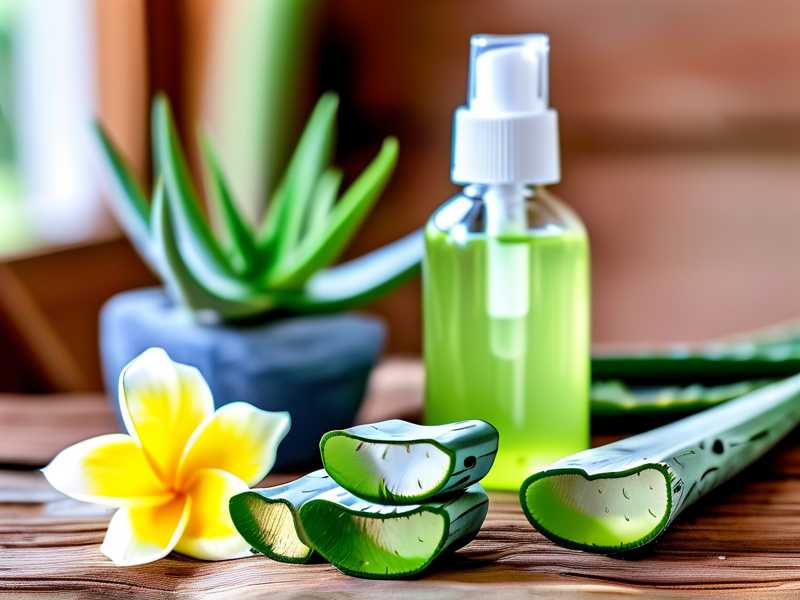
Common wisdom says aloes are desert natives, thriving in arid conditions. However, research from institutions like the Royal Horticultural Society (RHS) points out that while they tolerate dry air, many succulents, including aloe vera, can benefit from moderate ambient humidity, especially when indoor heating or air conditioning creates excessively dry environments (below 30% relative humidity). This can lead to moisture stress, even if the soil is dry.
My goal was to increase humidity around my aloe without making its soil or crown damp, which is a primary cause of root and stem rot. I decided to use a cool-mist ultrasonic humidifier for its quiet operation and fine mist.
The Two-Week Experiment: Step-by-Step
Here is exactly what I did, what I observed, and the crucial adjustments I had to make.
Week 1: The Cautious Start
I placed my medium-sized aloe vera plant on a pebble tray filled with water as a baseline humidity booster. About three feet away, on a separate table, I set up the humidifier. I did not point it directly at the plant. My target was to raise the room’s humidity from 25% to a gentle 40-45%.
- Day 1-3: I ran the humidifier for only 2 hours in the early morning. I used distilled water to prevent any mineral dust from settling on the aloe’s leaves. I checked the soil moisture daily with a meter—it remained perfectly dry. The aloe showed no immediate change, which I expected.
- Day 4-7: Confident there was no adverse reaction, I increased the runtime to 4 hours, split between morning and early evening. I also introduced a digital hygrometer to monitor levels precisely. By Day 7, I noticed the very tips of the leaves, which had been slightly dry, seemed less brittle. The plant’s color appeared a slightly deeper, healthier green.
The First "Gotcha" and Solution
On Day 5, I noticed a faint, whitish film on a few lower leaves. This was my first mistake: I had topped up the humidifier with tap water once, and the minerals had settled as a fine dust. Not only was this unsightly, but it could potentially clog the plant’s pores.
- Solution: I immediately wiped the leaves gently with a soft, damp cloth. From that moment on, I used only distilled or demineralized water in the humidifier. This simple switch eliminated the problem entirely and is a non-negotiable tip for safe humidifier use with aloe vera.
Week 2: Refining the Routine
- Day 8-14: I maintained the 4-hour daily humidifier schedule but moved the plant slightly further away (to about 4.5 feet) after reading an American Horticultural Society (AHS) article that emphasized the importance of good air circulation for succulents. I wanted to ensure the microclimate around the aloe wasn’t becoming stagnant.
- Observation: The most significant improvement became clear. The new, central leaves emerging from the rosette seemed plumper and firmer compared to the older outer leaves that had endured the dry spell. There was absolutely no sign of softness or rot at the base—the soil was bone dry between my bi-weekly, deep-but-infrequent waterings. The plant just looked… happier and more hydrated from the air, not the roots.
Key Lessons and Safe Usage Protocol
My experiment was a success, but it taught me that safety is all about controlled, indirect application. Here is the protocol I now follow and recommend:
1. Distance and Direction Are Everything Never mist your aloe vera directly or place the humidifier’s output right next to it. Always aim for a distance of at least 3-4 feet. The goal is to gently elevate the room’s overall humidity, not to drench the plant. A cool-mist humidifier is ideal as it won’t heat the surrounding air.
2. Water Quality is Non-Negotiable As I learned the hard way, always use distilled, demineralized, or filtered water in your humidifier. This prevents mineral deposits on your aloe’s leaves, which can interfere with photosynthesis and attract pests.
3. Timing and Duration Matter Less is more. I found running a humidifier for 3-5 hours per day, preferably during daylight hours when the plant is actively respiring, is sufficient. I avoid running it all night right next to my plants to prevent prolonged moisture on the foliage. Using a humidifier with a built-in hygrostat to auto-shutoff at a set humidity level (like 45-50%) is a game-changer for maintaining ideal humidity for succulents.
4. Vigilance is Key: The Unseen Pitfall My biggest fear was root rot. To mitigate this, I became even more disciplined with watering. With higher ambient humidity, the soil will take longer to dry out. I stuck rigidly to my "soak and dry" method, only watering when the soil was completely dry several inches down. I also ensured the plant was in a terracotta pot with excellent drainage, sitting in a bright, airy spot. This combination is the best defense against overwatering when using a humidifier for indoor aloe vera plants.
Addressing Your Top Concerns
Can a humidifier cause rot in my aloe vera? Yes, but only if used incorrectly. The risk comes from direct, constant misting on the leaves or crown, or from the gardener compensating for the humid air by overwatering the soil. By keeping the humidifier at a distance and maintaining a strict dry-soil watering schedule, you eliminate this risk. The humidifier affects aerial humidity, not soil moisture.
What is the best humidity level for aloe vera? While they can survive in very low humidity, most aloe vera plants will show improved vitality in a range of 40-50% relative humidity. This mimics a comfortable environment without creating the damp, stagnant conditions that lead to fungal issues. Levels consistently above 60% are unnecessary and potentially risky without exceptional air flow.
Should I use a warm or cool mist humidifier around my aloe? I strongly recommend a cool-mist ultrasonic humidifier. Warm mist humidifiers boil water, which can raise the immediate temperature around the plant and create a more concentrated, wet environment that promotes rot. Cool mist is safer, more energy-efficient, and provides the gentle ambient moisture your aloe needs.
My two-week deep dive confirmed that aloe vera and humidifiers can be a fantastic pairing when handled with care. It’s not about recreating a rainforest, but about gently counteracting the excessively dry air of our modern homes. The transformation in my plant wasn’t dramatic, but it was profound—a return to robust, resilient health. By prioritizing distance, using pure water, controlling duration, and remaining vigilant about soil moisture, you can safely use a humidifier to help your aloe vera not just survive, but truly thrive.