bluename
 How to Grow Aloe Vera in an Office Environment: A 2-Week Survival Guide
I get it. You stare at your screen all day, and the only green thing in sight is the logo on your coffee cup. You want a touch of life, something resilient, maybe even useful. That’s exactly why I decided to grow aloe vera in my office. It seemed like the perfect low-maintenance companion. But let me tell you, my first attempt was a silent, mushy disaster. Through trial, error, and a two-week intensive observation period, I cracked the code. This isn't just theory; it's a step-by-step log of what actually works when you're battling fluorescent lights and recycled air.
My goal was clear: introduce a living air purifier and a natural first-aid kit to my desk. The promise of aloe vera for office desks was too strong to ignore. Studies, like those referenced by the Royal Horticultural Society (RHS), highlight its air-filtering qualities and undeniable ease of care. But "easy" doesn't mean foolproof. My journey from a hopeful plant parent to a successful aloe caretaker involved specific steps, close monitoring, and adapting to the unique challenges of a corporate setting.
The Foundation: Choosing and Potting Your Office Aloe
My first mistake was grabbing the biggest, most impressive aloe plant I saw. For an office, size is your enemy. I learned this the hard way.
I started over with a young, compact plant with firm, plump green leaves and no brown or soft spots. The RHS advises selecting plants that look vigorous, not stressed. This was key.
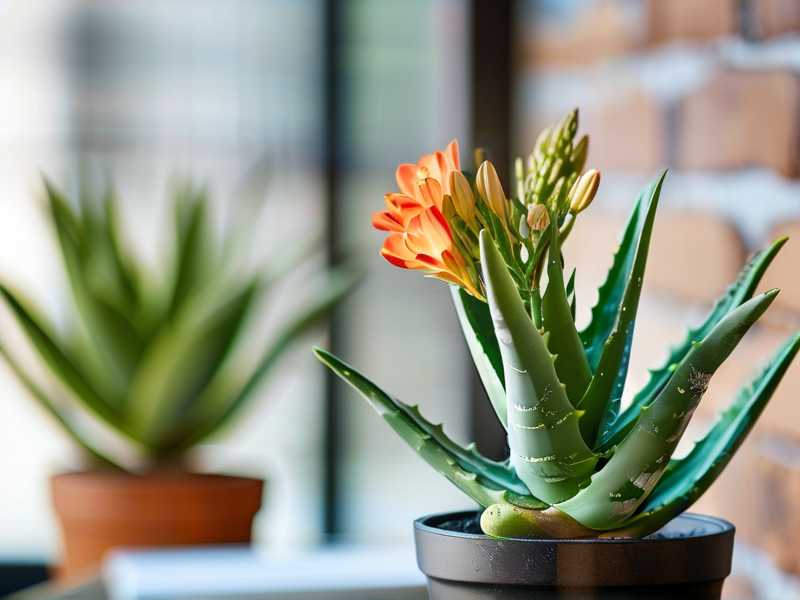
Next came the pot. My initial pot had no drainage hole—a classic rookie error. Aloe vera roots despise "wet feet." I swapped it for a small, shallow terracotta pot with a large drainage hole. Terracotta is porous, allowing soil to dry more evenly than plastic.
The soil mix is non-negotiable. Regular potting soil holds too much moisture. I created a fast-draining mix using two parts cactus/succulent potting soil to one part perlite. This ensures water flows through quickly, mimicking the aloe's natural arid habitat. I filled the pot about one-third, placed the aloe in, and gently filled around it, ensuring the base of the plant was level with the soil surface, not buried too deep.
The Two-Week Observation Log: Light, Water, and Adjustments
This is where the real test began. I treated this like a mini-experiment, observing my plant every day for two weeks.
Days 1-3: The Acclimation Period I placed my newly potted aloe on my desk, about four feet from a large, north-facing window. The light was bright but indirect. Immediately, I noticed a potential issue: the central heating vent was nearby. The RHS warns against placing plants near direct heat sources or cold drafts. I moved it to a shelf away from the vent but still within the same light zone. No watering yet—the soil was still slightly damp from the repotting.
Days 4-7: The First Watering and Response By day four, the soil was completely dry an inch down. I performed the "soak and dry" method. I took the pot to the office kitchen sink and watered it slowly until water ran freely out the bottom. I let it drain thoroughly before returning it to its saucer. This is crucial for caring for aloe vera in low light conditions, as it prevents prolonged dampness.
Over the next three days, I observed a subtle change. The leaves, which had felt slightly flexible, began to firm up. The plant was drinking! There was no dramatic growth, but the vibrant green color deepened. This was a sign it was settling in.
Days 8-10: A Scare and a Solution On day eight, I noticed the very tips of two lower leaves starting to brown and thin. Panic! Was it too much water? Not enough light? Upon closer inspection and cross-referencing with guides from the American Horticultural Society (AHS), I diagnosed underwatering in combination with dry office air. While I'd soaked the soil, the incredibly dry office atmosphere was causing faster moisture loss than I'd anticipated. The AHS notes that indoor heating can create desert-like conditions.
I didn't flood it. Instead, I gave it a moderate drink and made a plan to increase ambient humidity slightly. I placed a small, shallow dish of water near the plant (not under it). As the water evaporated, it created a microclimate of slightly higher humidity.
Days 11-14: Stability Achieved By the second week's end, the browning had stopped. The plant looked stable, firm, and healthy. It hadn't grown taller, but it looked robust and well-anchored. It had successfully adapted to the indoor office plant lighting of my north-facing window. The key takeaway was that consistency in observation trumped a rigid schedule.
The Pitfalls I Encountered (And How You Can Avoid Them)
My journey wasn't smooth. Here are the specific problems I faced and how I fixed them.
The Overwatering Trap: My first aloe died from kindness. I watered it on a weekly schedule without checking the soil. In an office with less light and air circulation than a home, soil takes longer to dry. Solution: Ditch the calendar. Use the finger test—if the top 1-2 inches of soil are bone dry, it's time to water. When in doubt, wait another two days.
The "Stretching" Dilemma: In my first attempt, I placed an aloe in a dim corner. It started to "etiolate"—stretch out with pale, weak leaves, reaching for light. Solution: Aloe needs bright, indirect light. A desk near a window is ideal. If you only have low light (like my setup), choose the brightest spot possible and water even less frequently. Consider a small, low-output grow light if no natural light exists.
The Wrong Container: A deep, non-draining pot is a death sentence. It leads to root rot, which is often fatal. Solution: Always use a pot with a drainage hole. A shallow pot is better than a deep one, as aloe roots are shallow. A saucer is necessary to protect furniture, but never let the pot sit in standing water.
Ignoring Office Climate: Offices have wild temperature and humidity swings—blasting AC in summer, dry heat in winter, stagnant air at night. Solution: Keep your aloe away from HVAC vents, drafty doors, and direct blasts from heaters or air conditioners. The dish-of-water trick is a simple fix for low humidity.
Long-Term Care for Your Office Aloe Vera
After the critical two-week period, care becomes routine but no less important. Your aloe will grow slowly, which is perfect for an office setting.
Fertilizing is minimal. I feed mine once in the spring with a half-strength, balanced liquid fertilizer designed for succulents. That's it for the year. Over-fertilizing in an office environment can lead to weak, leggy growth.
You'll know your aloe is thriving when it produces "pups" or offsets—small baby plants at its base. Once these pups are a few inches tall, you can carefully remove them and pot them up to create new office plants for colleagues. It’s the ultimate sign of success.
How often should I really water my office aloe vera? There is no universal weekly answer. In a typical office with indirect light, watering every 2-3 weeks is common, but you must check the soil. During winter or in particularly dark offices, it might only need water once a month. The soak-and-dry method is always the rule.
My aloe vera leaves are turning brown and mushy. What's wrong? This is almost certainly overwatering and potentially the start of root rot. Stop watering immediately. Check if the pot drains. You may need to remove the plant, cut away any black, mushy roots with a sterile knife, and repot it in fresh, dry cactus mix. Do not water again for at least a week after repotting.
Can aloe vera survive in an office with no windows? It can survive, but it will not thrive. It will become etiolated and weak. For a truly windowless office, your best bet is to invest in a small, inexpensive LED grow light. Place it a few feet above the plant for 6-8 hours a day. This artificial light source can effectively substitute for natural sunlight and keep your aloe healthy.
Bringing an aloe vera into your office is more than just decoration; it's a small, rewarding commitment to bringing a piece of nature into your daily grind. It teaches patience, observation, and adaptability. By understanding its simple needs—excellent drainage, bright indirect light, and infrequent but thorough watering—you can cultivate a resilient companion that not only survives but adds a quiet, green vitality to your workspace for years to come. Start with the right setup, watch it closely in those first critical weeks, and enjoy the quiet satisfaction of a thriving office ally.