bluename
 How to Treat Aloe Vera Aphid Infestations: My 2-Week Battle Plan That Actually Worked
There’s nothing quite as disheartening as watching your beloved, plump aloe vera plant suddenly become a sticky, stunted mess. I know that sinking feeling all too well. One day, my prized aloe was thriving; the next, I noticed clusters of tiny, pear-shaped insects huddled at the base of its leaves and a strange, shiny residue everywhere. I was facing a full-blown aloe vera aphid infestation. If you’re reading this, you’re likely in the same boat, feeling frustrated and searching for a clear, actionable solution. From one plant lover to another, I want to share my complete, step-by-step journey to eradicate these pests, including the mistakes I made and the exact methods that led to a healthy, aphid-free plant after two weeks of diligent care.
Understanding Your Enemy: The Aloe Vera Aphid
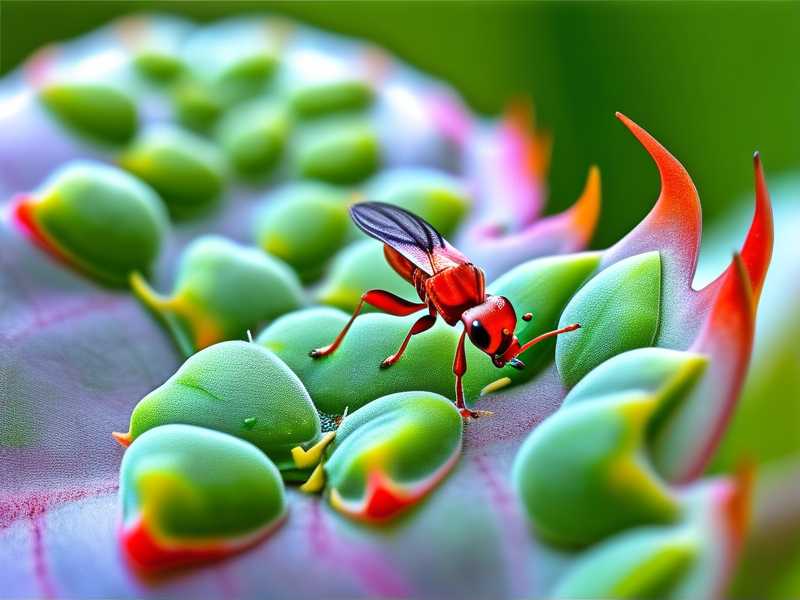
Before diving into treatment, I needed to know what I was dealing with. Aphids are soft-bodied sap-suckers that drain the vital fluids from your aloe, causing leaves to curl, yellow, and lose their robust form. The sticky substance I saw is called honeydew, a sugary waste product that can lead to sooty mold, further stressing the plant. According to resources from the Royal Horticultural Society (RHS), early identification is critical, as aphids reproduce rapidly. My infestation was primarily the green peach aphid, but the treatment principles apply to most common types.
My Step-by-Step Treatment Protocol
I decided on an integrated approach, starting with the gentlest methods and escalating only if necessary. My core philosophy was to be thorough, consistent, and patient.
Week 1: The Initial Assault and Isolation
My first step was immediate isolation. I moved the affected aloe away from all my other houseplants to prevent the aphids from spreading. This is non-negotiable.
Day 1-2: The Manual Removal and Blast I put on my gardening gloves and got hands-on. Using a soft, damp cloth, I gently wiped every single leaf, focusing on the undersides and the tight leaf axils where aphids love to hide. I physically crushed any clusters I saw. Following this, I took the plant to my sink or shower and gave it a strong, steady spray of lukewarm water. The water pressure dislodges a significant number of aphids without harming the aloe. I let the plant dry completely in a well-ventilated area before returning it to its (now isolated) spot.
Day 3: Applying the Soap Spray Solution After the physical cleanup, it was time for my first treatment spray. I mixed my own insecticidal soap:
- 1 tablespoon of pure, liquid Castile soap (not detergent)
- 1 quart of lukewarm water I poured it into a clean spray bottle and thoroughly drenched the entire plant, ensuring the solution flowed into every crevice. I did this in the late afternoon to prevent quick drying and sunburn on the leaves.
The First Big Mistake and Fix Here was my first major pitfall: I didn’t test the spray. In my zeal, I sprayed a younger, smaller aloe pup with the same mixture without testing. Within hours, its leaves showed signs of soap burn—unsightly, soft spots. I immediately rinsed it thoroughly with clean water. The solution? Always, always test any spray on a small, inconspicuous part of the plant and wait 24 hours. For the main plant, I learned to rinse the aloe with clean water about 2 hours after applying the soap spray to prevent any potential soap residue buildup, which aloe can be sensitive to.
Day 5: Reassessment and Repeat I inspected the plant closely. While many aphids were gone, I still spotted a few live ones. This was expected, as eggs can hatch after initial treatment. I repeated the insecticidal soap spray treatment exactly as before, with the post-spray rinse.
Week 2: Consistency, Observation, and Escalation
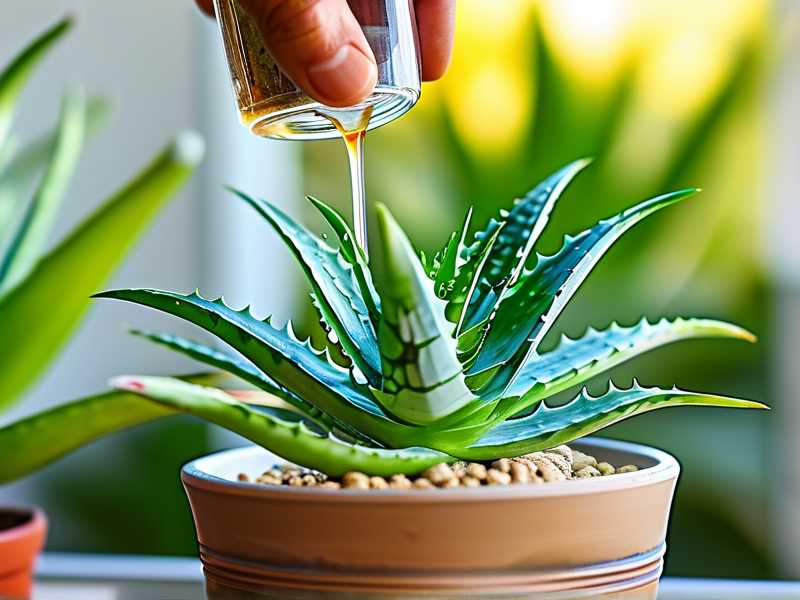
Day 8: Introducing Neem Oil For my second-week treatment, I wanted to use something with residual effect. I opted for a neem oil solution, a trusted organic insecticide. My mix was:
- 1 teaspoon of cold-pressed neem oil
- 1/2 teaspoon of Castile soap (as an emulsifier)
- 1 quart of warm water I shook the mixture vigorously and sprayed the plant until dripping, again covering all surfaces. Neem oil works by disrupting the insects' life cycle and acts as an anti-feedant. The American Horticultural Society (AHS) notes its effectiveness as a broad-spectrum, plant-friendly option when used correctly.
The Second Pitfall: Oil in the Sun My second mistake was applying neem oil in the morning before the plant got sunlight. Aloe vera, like many succulents, can suffer from phototoxicity if oil-coated leaves are exposed to direct, intense sun. The leaves can scorch. I noticed slight discoloration on one leaf tip. The fix was simple: I moved the plant to a shady spot for 48 hours after the neem application and made a mental note to only apply such treatments in the evening for the remainder of the process.
Day 11: The Final Soap Spray I did a thorough inspection. The population was drastically reduced—I saw only a couple of insects. I performed one final round of the insecticidal soap spray, followed by my now-standard rinse. The honeydew was completely gone, and the plant's natural color was returning.
Day 14: Victory and Recovery Assessment After two full weeks, I conducted my final inspection. I turned every leaf, checked every axil, and found zero aphids. The plant was no longer sticky. While some of the oldest, most damaged leaves showed permanent scarring, the new growth from the center was clean, plump, and a vibrant green. The plant had stopped declining and was clearly in recovery mode. I returned it to its usual sunny location and resumed my normal, careful watering routine (allowing the soil to dry completely between waterings).
Why This Integrated Approach Worked The key was persistence and attacking the problem on multiple fronts. Manual removal broke the initial cycle, insecticidal soap killed active nymphs and adults on contact, and neem oil helped manage any late-hatching eggs. Consistency over the two-week period was crucial to break the aphid reproductive chain.
Your Questions, Answered
Can I use rubbing alcohol on my aloe vera for aphids? Yes, but with extreme caution. I used a 70% isopropyl alcohol solution on a cotton swab to spot-treat stubborn, visible clusters in tight spaces. However, I never sprayed it all over the plant. Alcohol can be very drying and can damage the delicate epidermis of the aloe leaf if over-applied. Spot treatment is effective; full-scale spraying is risky.
How often should I check my aloe after treatment? For the first month, make it a weekly ritual. Aphids can sometimes return or be reintroduced. Catching a potential new infestation early makes control infinitely easier. I now give all my plants a quick leaf-and-stem check every time I water.
Will the damaged leaves recover? No, unfortunately. Leaves that have been severely curled, yellowed, or scarred by honeydew mold will not return to their original state. The good news is that, with the pests gone, your plant’s energy will go into producing healthy new growth. You can carefully prune the most unsightly damaged leaves at the base if you wish.
Winning the war against aloe vera aphids is entirely possible. It requires a watchful eye, immediate action, and a commitment to a multi-step process over a couple of weeks. The journey taught me more about the resilience of my aloe plant and the importance of gentle yet firm intervention. Start with isolation and a strong water spray, follow up with targeted treatments like insecticidal soap and neem oil, and avoid the common pitfalls of sun exposure and over-application. Your aloe vera will thank you with a return to its sturdy, soothing, and healthy self.