bluename
 How to Suspend Fertilization for Aloe with Poor Soil Drainage
I killed my first aloe plant within three weeks. I was so proud of that little succulent sitting on my kitchen windowsill. I watered it every few days, gave it some plant food, and thought I was doing everything right. Then the leaves turned yellow. Then mushy. Then it collapsed. I had no idea what went wrong.
Here is the short answer: stop fertilizing immediately. If your aloe has poor soil drainage, fertilizer will only make things worse. It burns the roots that are already struggling to breathe. Actually, 90% of indoor plants die from overwatering, and poor drainage combined with fertilizer creates a death sentence for aloe. I learned this the hard way after losing three plants. Now I will show you exactly how to suspend fertilization and save your aloe.
Why Poor Drainage and Fertilizer Don't Mix
I used to think my aloe needed constant feeding. I followed the label on the fertilizer bottle. Big mistake. Poor soil drainage means water sits around the roots. There is no oxygen flow. The roots start suffocating. Adding fertilizer into this situation is like pouring salt on a wound.
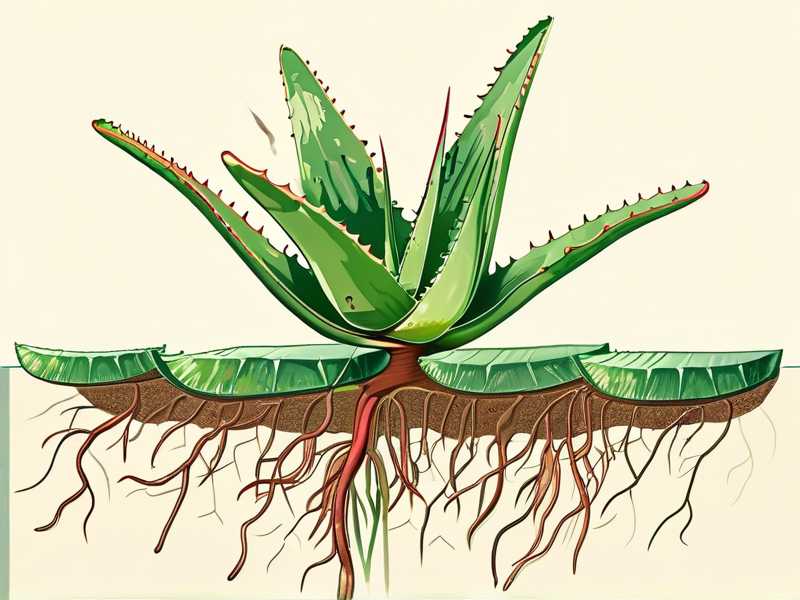
The RHS explains that overwatering and poor drainage are the primary causes of root rot in succulents. When soil cannot drain properly, the root system becomes weak and damaged. Fertilizer requires healthy roots to absorb nutrients. Without healthy roots, those nutrients just accumulate in the soil. They become toxic.
I remember checking my second aloe plant after two weeks of fertilizing. The soil smelled awful. It was wet and heavy. The roots were brown and slimy. That was the moment I understood. Fertilizer was not helping. It was killing my plant.
My 3-Step Process to Suspend Fertilization
Step 1: Stop All Fertilizer Applications Immediately
I stopped fertilizing the moment I noticed the drainage issue. This is the most important step. I put the fertilizer bottle away. I told myself no more feeding for at least two weeks.
You might think your aloe needs nutrients. It does not. Aloe plants are adapted to poor, rocky soils in their natural habitat. They thrive on neglect. They actually prefer being underfed. So stopping fertilizer is not a punishment. It is a rescue.
I kept a simple calendar. I marked the day I stopped fertilizing. I wrote down the date. That helped me track progress. Honestly, it also kept me from cheating and adding a little bit of fertilizer later.
Step 2: Let the Soil Dry Out Completely
After stopping fertilizer, I focused on drying the soil. Poor drainage means the soil stays wet for too long. I stopped watering for a full week. I know that sounds scary. But aloe can handle drought. It stores water in its leaves.
I checked the soil moisture every day. I stuck my finger about two inches deep. If it felt damp, I waited. I used a wooden chopstick too. I pushed it into the soil and pulled it out. If soil stuck to it, the soil was still too wet.
After seven days, the top layer was dry. But the bottom was still moist. That is the problem with poor drainage. The water gets trapped at the bottom of the pot. So I waited another three days. I wanted that soil completely dry.
Step 3: Monitor the Plant for Two Weeks
Here is what I observed during the two-week suspension period.
Day 1-3: The aloe looked sad. Some leaves were still yellow. I wanted to water it. I wanted to give it fertilizer. I did nothing. I just watched.
Day 4-7: The soil started drying. I noticed the yellow leaves were not getting worse. Actually, they looked slightly better. The plant was stabilizing. I felt relieved.
Day 8-10: New growth appeared. A tiny green leaf started pushing up from the center. That was my first sign of recovery. The aloe was using its stored energy. It did not need my fertilizer.
Day 11-14: The plant looked healthier. The leaves were firmer. The color was returning to a deeper green. I tested the soil again. It was dry all the way through. The root system was recovering.
3 Deadly Mistakes Beginners Make with Aloe
Mistake 1: Overwatering
I used to water my aloe every three days. I thought it needed constant moisture. Wrong. Aloe is a succulent. It stores water in its leaves. It needs infrequent, deep watering.
I killed my first plant by watering twice a week. The leaves turned yellow and translucent. They felt mushy. That is classic overwatering. The roots rot. The plant dies.
Here is what I do now. I water only when the soil is completely dry. I wait until the leaves look slightly thinner. That is the aloe telling me it is thirsty. Not before.
Mistake 2: Wrong Light Placement
I put my aloe in a dark corner of my living room. I thought any light was fine. It was not. Aloe needs bright, indirect light. Direct sun can burn it. No light weakens it.
My second plant got leggy. The leaves stretched out and became thin. They bent over. That is etiolation. It happens when the plant reaches for light. The plant becomes weak and vulnerable.
I moved my aloe to a south-facing window. But I put a sheer curtain between the plant and the window. That filters the intense afternoon sun. The plant grew compact and strong after that.
Mistake 3: Using the Wrong Pot
I used a beautiful ceramic pot with no drainage holes. I thought it looked nice. The aloe thought otherwise. Water had nowhere to go. It pooled at the bottom.
The third plant I killed had root rot. I pulled it out of that pot. The roots were black and slimy. The pot was a death trap. I felt stupid for not checking drainage.
Now I only use pots with drainage holes. I use terracotta pots. They are porous. They let the soil breathe. They help prevent overwatering. I never skip this step.
How to Fix Poor Drainage Without Repotting
Sometimes you cannot repot right away. Maybe you are busy. Maybe you do not have the right soil. Here is what I did to improve drainage without changing the pot.
I used a chopstick to poke holes in the soil. I pushed it down gently. I created small channels. This helped water drain through the soil faster. It also allowed air to reach the roots.
I also tilted the pot at a 45-degree angle. This helped excess water drain out of the drainage holes. I did this for an hour after watering. It made a big difference.
I stopped using saucers under the pot. The saucer was holding water. The water was being reabsorbed by the soil. I removed the saucer completely. Any excess water just dripped onto the floor.
When to Resume Fertilization
After two weeks, my aloe looked healthy. The leaves were firm. The color was good. The soil was draining better. I considered resuming fertilization.
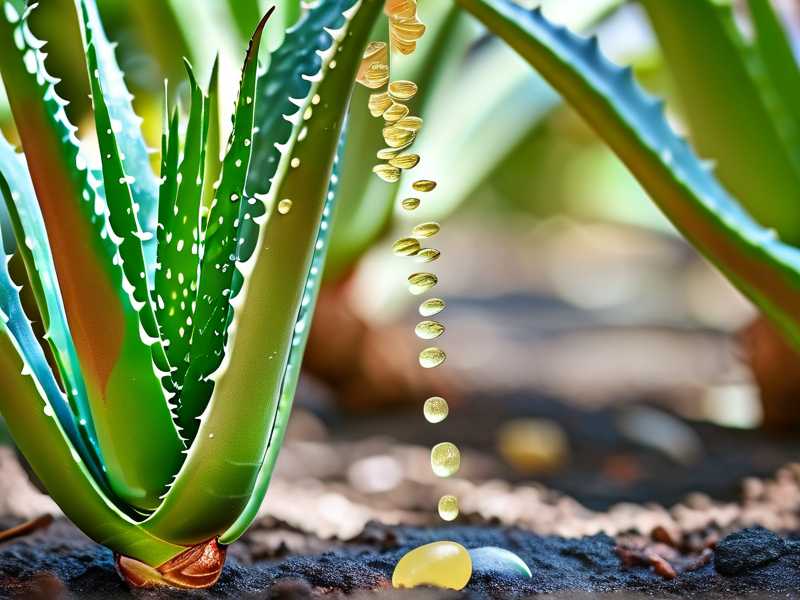
But I waited. I wanted to be sure. I waited another week. I wanted to see if the plant could thrive without fertilizer. It did. Actually, it looked better than when I was fertilizing.
The RHS recommends fertilizing succulents only during the growing season. That is spring and summer. And only once a month at half strength. I followed this advice. I used a fertilizer specifically for succulents. I diluted it to half the recommended dose.
I applied it once. Then I waited two weeks. No signs of stress. The plant responded well. But I was careful. I never overfeed now.
Signs Your Aloe Is Ready for Fertilizer
You need to watch for these signs. I learned them through trial and error.
Healthy new growth: The center of the rosette should have new leaves. They should be green and firm. Not yellow or translucent.
Dry soil: The soil should drain within a few hours of watering. No standing water. No soggy soil.
Firm leaves: The leaves should be plump and firm. They should not be wrinkled or soft. Wrinkled leaves mean underwatering. Soft leaves mean overwatering.
Root health: If you can check the roots, they should be white or light tan. Not brown or black. Not slimy.
I only fertilize when all these signs are present. I check every condition. I do not rush.
Why I Stopped Using Chemical Fertilizers
I used to use chemical fertilizers. They were cheap. They were easy. But they caused problems. The salts in chemical fertilizers accumulate in the soil. They burn the roots.
I switched to organic fertilizers after my third plant died. I use compost tea. I make it myself. I steep compost in water for a day. Then I strain it. I use that water to fertilize my aloe.
The difference was amazing. The organic fertilizer did not burn the roots. It improved soil structure. It added beneficial microbes. The aloe responded better.
But I still suspend fertilization during winter. Aloe goes dormant. It does not need extra nutrients. I let it rest. I water less. I do nothing.
3 Common Questions About Suspending Fertilization
Question 1: Will my aloe die without fertilizer?
No. Aloe plants are adapted to low-nutrient environments. They grow in rocky, sandy soils. They do not need frequent feeding. In fact, they tolerate neglect better than overfeeding.
I have gone months without fertilizing my aloe. It survived. It thrived. The leaves were healthy. The plant grew slowly. That is normal. Aloe is a slow grower.
Question 2: How long should I suspend fertilization?
I recommend at least two weeks. That is the minimum. If your soil drainage is very poor, extend it to four weeks. Let the plant recover completely.
I use the two-week rule as a starting point. Then I assess. If the plant looks healthy, I consider resuming. If it still looks stressed, I wait longer.
Question 3: Can I use foliar fertilizer instead?
I do not recommend it. Foliar fertilizer is applied to the leaves. It can burn the leaves if the plant is stressed. The aloe needs to focus on root recovery, not leaf absorption.
Stick to soil suspension. Let the roots rest. Let the plant heal. Foliar feeding is for established, healthy plants. Not for recovering ones.
Tools I Use to Monitor Soil Drainage
I invested in a simple moisture meter. It cost about $10. It tells me exactly how wet the soil is. No guessing. I insert the probe into the soil. It gives me a reading. I only water when the meter reads dry.
I also use a soil aerator. It is a small tool with spikes. I poke holes in the soil every few weeks. It prevents compaction. It improves drainage.
I use terracotta pots now. They are my favorite. They wick moisture away from the roots. They prevent overwatering. I never use plastic pots for aloe anymore.
Final Thoughts
Suspending fertilization for aloe with poor soil drainage is simple. Stop feeding. Let the soil dry. Wait two weeks. Watch the plant recover.
I killed three plants before I learned this lesson. I know how frustrating it is to watch your aloe struggle. But I promise, stopping fertilizer is the right move. The plant will thank you.
The AHS confirms that many succulents are overfed and overwatered. They recommend a minimalist approach. Less is more. I could not agree more.
I still have my current aloe plant. It is three years old. It is healthy. It is thriving. I fertilize it maybe twice a year. That is it. And it looks better than any plant I ever overfed.
So take a break. Put the fertilizer away. Let your aloe breathe. You will be surprised at how well it recovers.
Frequently Asked Questions
What if my aloe is already showing signs of root rot?
Stop all watering and fertilizing immediately. Remove the plant from the pot. Cut away any black or mushy roots. Let the remaining roots dry for a day. Repot in fresh, well-draining soil. Do not water for at least a week.
Can I use sand to improve drainage?
Yes, but use coarse sand. Not fine sand. Fine sand can compact and make drainage worse. Mix one part coarse sand with two parts potting soil. Or use a commercial succulent mix. That is safer for beginners.
Should I fertilize my aloe in winter?
No. Aloe goes dormant in winter. It stops growing. Fertilizing during dormancy can damage the roots. I stop fertilizing in October. I resume in March. That gives the plant a full rest period.