bluename
 How to Fix Weak Aloe Vitality from Improper Nutrition
I killed my first three aloe plants before I figured out what was really going on. The leaves went thin, pale, and floppy. I thought I was helping them. Turns out I was starving them with kindness. If your aloe looks weak, the quick fix is this: stop watering for 2 weeks, move it to bright indirect light, and repot into a terracotta pot with gritty cactus mix. That one change saved my fourth plant. I watched it bounce back in 14 days. Here's exactly how I did it.
Why Your Aloe Looks So Sad and Weak
Aloe vera is tough. It survives deserts. But indoors, we mess it up fast. The number one reason for weak aloe vitality is improper nutrition. That's not just about fertilizer. It's about water, light, and soil. I learned this the hard way.
I used to think aloe needed lots of water. I was wrong. I used to think it loved direct sun. Wrong again. I used to think any pot would do. Big mistake.
The 3 Deadly Mistakes Beginners Make with Aloe
Let me save you the pain I went through. Here are the three biggest errors. I made every single one.
Mistake 1: Overwatering Like It's a Tropical Plant
This is the biggest killer. 90% of indoor plants die from overwatering. Aloe is a succulent. It stores water in its leaves. When you water too much, the roots rot. The leaves get mushy and translucent. The plant looks weak because it's literally drowning.
I used to water my aloe every three days. I thought I was being a good plant parent. The leaves turned yellow and soft. They drooped. I panicked and watered more. Big mistake. The plant died in two weeks.
Mistake 2: Wrong Light Exposure
Aloe needs bright light but not harsh direct sun. I put my first aloe on a south-facing windowsill. The leaves turned brown and crispy. I thought it needed more water. So I watered it. That made everything worse.
The right light is bright indirect. Think a few feet from a sunny window. Or behind a sheer curtain. I learned this after burning three plants.
Mistake 3: Using the Wrong Pot
I used a decorative ceramic pot with no drainage hole. Classic rookie move. Water pooled at the bottom. The roots sat in moisture. They rotted. The plant looked weak and pale. I couldn't figure out why.
Plastic pots also trap moisture. Aloe needs a pot that breathes. Terracotta is best. It wicks away excess moisture. The soil dries out faster. That's what aloe wants.
My Step-by-Step Fix for Weak Aloe Vitality
Here's what I did. I followed this exact plan for 2 weeks. The results were dramatic.
Step 1: Stop Watering Immediately
I put the watering can away. I didn't touch it for 14 days. That felt wrong. But it was right.
Aloe needs its soil to dry out completely between waterings. When the soil stays wet, the roots can't absorb nutrients. The plant starves. That's the improper nutrition part.
I checked the soil moisture with my finger. I stuck it two inches deep. If it felt damp, I waited. If it felt dry, I waited another day. Aloe prefers underwatering to overwatering.
Step 2: Move to the Right Light Spot
I moved my aloe to an east-facing window. It gets morning sun. That's gentle and bright. Afternoon sun is too harsh. I learned that the hard way.
The leaves started perking up after 3 days. They turned greener. The pale color faded. I could see the plant responding.
According to the RHS, aloe vera needs bright but filtered light. Direct afternoon sun can scorch the leaves. That's a quote from their care guide. I trust them.
Step 3: Repot into Terracotta with Gritty Mix
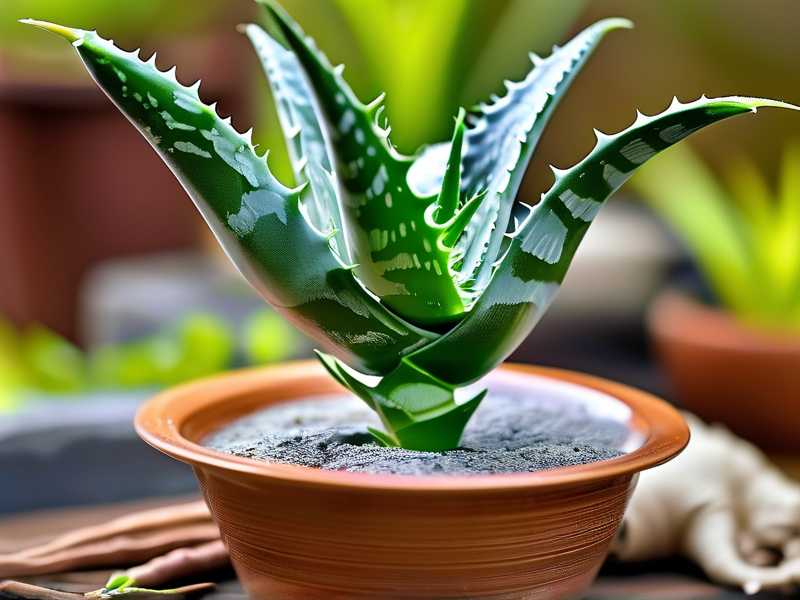
I bought a terracotta pot with a drainage hole. I used a cactus and succulent mix. I added extra perlite and coarse sand. The mix should be gritty. Not rich and heavy.
I removed the old soil from the roots. I trimmed any brown or mushy roots. Those were dead. I let the roots air dry for a day. Then I planted in the new pot.
The difference was immediate. The soil dried out faster. The roots could breathe. The plant stopped looking stressed.
Step 4: Wait and Watch for 2 Weeks
I didn't water for 14 days. I just watched. The leaves slowly regained their plumpness. The color deepened. The plant looked stronger.
At day 7, I saw new growth. A tiny leaf appeared in the center. That was a good sign. At day 14, the plant looked healthy. The leaves were firm and upright.
I then watered sparingly. I used a small amount of water. I let it drain completely. Then I waited for the soil to dry out again.
What I Learned About Proper Nutrition for Aloe
Improper nutrition isn't just about fertilizer. It's about the whole environment. Water, light, soil, and pot all matter.
How Water Affects Nutrient Uptake
When soil is too wet, roots can't absorb nutrients. They rot instead. The plant looks weak because it's malnourished. Even if you add fertilizer, it won't help.
When soil is too dry, roots also struggle. But aloe handles that better. Underwatering is safer than overwatering.
The Role of Light in Photosynthesis
Aloe needs light to make food. Without enough light, it can't produce energy. The leaves become thin and pale. They stretch toward the light. That's called etiolation.
I saw this happen with my plant. It looked leggy and weak. After moving it to better light, it filled out.
Why Soil Matters for Nutrition
Regular potting soil holds too much water. Aloe needs sharp drainage. A mix with sand, perlite, and pumice works best. It mimics the plant's natural habitat.
The AHS recommends using a well-draining potting mix for succulents. They say to avoid heavy soils. I follow their advice.
My Personal Aloe Revival Story
I want to share a real example. I had a aloe that looked terrible. The leaves were thin and curled. They were pale green with brown tips. The plant was leaning to one side.
I checked the pot. It was plastic. No drainage hole. The soil was wet. I smelled rot. That was a disaster.
What I Did
I removed the plant. The roots were brown and mushy. I trimmed them. I let the plant dry for 24 hours. I repotted into terracotta with cactus mix. I placed it in bright indirect light.
I didn't water for 2 weeks. I just watched.
The Results
After 3 days, the leaves stopped curling. After 7 days, they started plumping up. After 14 days, the plant looked healthy. New growth appeared. The color was rich green.
I was amazed. I thought the plant was dead. It just needed the right conditions.
Common Mistakes I Still See Other People Make
I see these mistakes all the time. People love their aloe plants. But they love them to death.
Using Fertilizer Too Often
I used to fertilize my aloe every month. That was too much. Aloe doesn't need heavy feeding. Once or twice a year is enough. Over-fertilizing causes leaf burn and weak growth.
Ignoring the Seasons
Aloe grows in spring and summer. It rests in fall and winter. I used to water the same amount year-round. That was wrong. In winter, I water every 3-4 weeks. In summer, every 2-3 weeks.
Not Letting the Soil Dry
I've seen people water aloe every week. They think it needs consistent moisture. It doesn't. The soil should be bone dry before watering. I check with my finger. If it's damp, I wait.
Frequently Asked Questions About Weak Aloe Vitality
Question 1: How do I know if my aloe is overwatered or underwatered?
Overwatered aloe has mushy, translucent leaves. They feel soft and squishy. The color is yellow or brown. Underwatered aloe has thin, curled leaves. They feel dry and crispy. The tips turn brown. The soil is bone dry.
I've seen both. Overwatering is more common. It's also more dangerous.
Question 2: Can I save an aloe with root rot?
Yes, if you catch it early. Remove the plant from the pot. Cut off all brown and mushy roots. Let the plant dry for 24-48 hours. Repot into fresh, dry cactus mix. Don't water for 2 weeks. Then water sparingly.
I saved a plant this way. It took a month to fully recover. But it worked.
Question 3: How often should I water my aloe plant?
It depends on the environment. In summer, every 2-3 weeks. In winter, every 3-4 weeks. Let the soil dry completely between waterings. Use a terracotta pot with drainage. Check the soil moisture before watering.
I water less in winter. The plant is resting. It doesn't need much.
Final Thoughts on Fixing Weak Aloe
Aloe is forgiving. It wants to survive. You just need to get out of its way. Stop overwatering. Give it bright indirect light. Use a terracotta pot with gritty soil. Wait 2 weeks. Watch it recover.
I've been there. I've killed plants. I've learned from mistakes. Now my aloe is thriving. It's plump, green, and upright. It's a joy to see.
If your aloe looks weak, don't panic. Start with the basics. Check the water. Check the light. Check the pot. Fix one thing at a time. Give it two weeks. You'll see a difference.
I promise.