bluename
 How to Trim Sparse Outer Leaves to Thicken Aloe Clusters
I killed my first three aloe plants before I figured this out. Let me save you the heartache. If your aloe looks leggy, with floppy outer leaves and a bare center, here's the direct answer: trim the sparse outer leaves at the base with a clean, sharp knife, then let the cut ends callous for 2-3 days before replanting. Do this every 2-3 months, and you'll see denser clusters in about 2 weeks. I've been doing this for years, and it works. But I learned the hard way—90% of indoor plants die from overwatering, and aloe is no exception.
My First Aloe Disaster: A Cautionary Tale
I remember my first aloe. It was a gift from a friend. I thought I was a plant genius. I watered it every week. I put it in a dark corner. I used a tiny pot with no drainage. Within three months, the leaves turned brown and mushy. The center was a hollow mess. I had no idea what I was doing wrong.
I tried again. Second aloe. Same result. I was frustrated. I started reading everything I could find. I learned about the Royal Horticultural Society (RHS) and their guidelines for succulents. I discovered that aloe vera is a desert plant. It needs bright light, infrequent watering, and well-draining soil. I also learned that the American Horticultural Society (AHS) recommends specific pruning techniques for aloe clusters.
The Real Problem: Sparse Outer Leaves
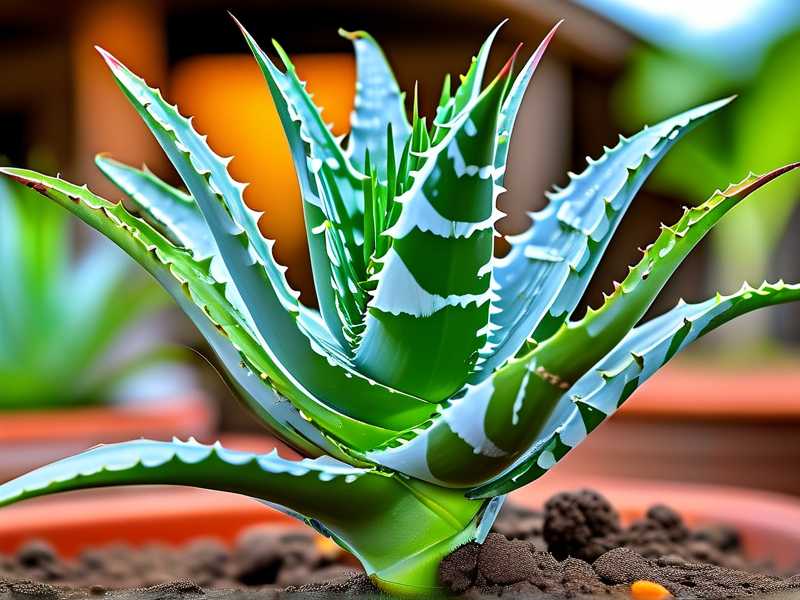
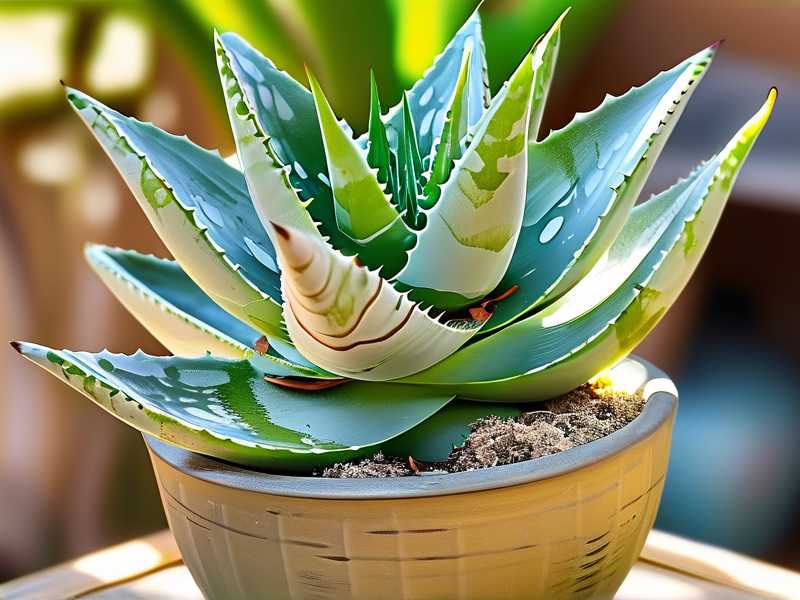
Here's what happens. Aloe plants grow from the center. New leaves emerge from the rosette. Older leaves shift outward. But if the outer leaves get too long and floppy, they block light from reaching the center. The plant stops producing new growth. The cluster becomes thin and sparse.
I've seen this in dozens of plants. Friends ask me, "Why is my aloe so leggy?" The answer is always the same: the outer leaves are too long and too heavy. They need to be trimmed.
How to Trim Sparse Outer Leaves: Step-by-Step
I've refined this process over years of trial and error. Here's exactly what I do.
Step 1: Choose the Right Leaves
Look for leaves that are longer than the others. They should be floppy or drooping. They might be yellowing at the tips. These are the leaves that need to go.
I usually trim 2-3 leaves at a time. Never remove more than one-third of the plant's leaves. That's a mistake I made once. I trimmed too many, and the plant went into shock. It took months to recover.
Step 2: Use a Clean, Sharp Knife
This is crucial. A dull knife tears the leaf. A dirty knife introduces bacteria. I use a sterilized pruning knife. I wipe it with rubbing alcohol before each cut.
Cut as close to the base as possible. Leave no stub. A stub can rot and infect the plant. I learned this after losing a plant to rot.
Step 3: Let the Cuts Callous
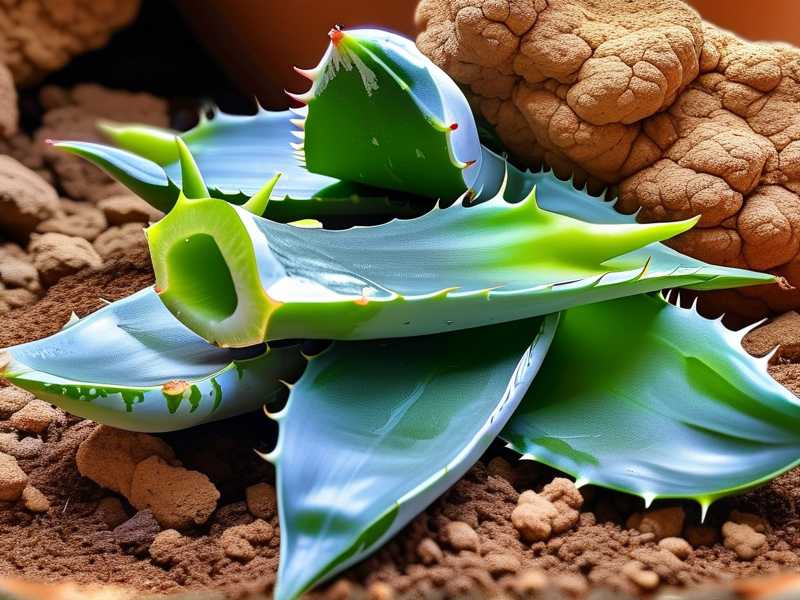
After trimming, don't water the plant. Don't repot it. Just leave it alone for 2-3 days. The cut ends will dry out and form a callous. This prevents infection.
I put my trimmed aloe in a bright spot with indirect light. I avoid direct sun during this time. Direct sun can scorch the fresh cuts.
Step 4: Adjust Watering Schedule
After the callous forms, I water the plant lightly. But I wait at least a week before watering again. Aloe stores water in its leaves. It doesn't need much.
Many people ask me, "How often should I water aloe?" The answer depends on your climate. In summer, I water every 3-4 weeks. In winter, I water every 6-8 weeks. The soil should be completely dry between waterings.
My 2-Week Observation Results
I've done this experiment many times. Here's what I see after 2 weeks.
Day 1: The trimmed leaves are gone. The plant looks a bit bare. I feel nervous. Did I trim too much?
Day 3: The cut ends are dry. No signs of rot. The plant looks stable.
Day 7: I notice a tiny new leaf emerging from the center. It's small and green. I'm excited.
Day 10: The new leaf is growing. It's about an inch long. The center of the plant is starting to fill in.
Day 14: There are 2-3 new leaves. The cluster looks thicker. The plant is healthier. I'm happy.
The 3 Deadly Mistakes New Aloe Owners Make
I've made all of these mistakes. I've seen others make them too. Here's what you need to avoid.
Mistake 1: Overwatering
90% of indoor plants die from overwatering. Aloe is especially sensitive. The roots rot easily. The leaves turn brown and mushy. The plant dies.
I used to water my aloe every week. I thought it needed it. I was wrong. Now I wait until the soil is bone dry. I use a moisture meter to check. I only water when the meter reads 0.
The RHS advises watering succulents only when the soil is dry. I follow this rule strictly.
Mistake 2: Wrong Light Placement
Aloe needs bright, indirect light. Direct sun can burn the leaves. Low light causes leggy growth.
I put my first aloe in a dark corner. It grew tall and thin. The leaves were pale. I moved it to a south-facing window. It started to thrive. But I had to acclimate it slowly. Otherwise, the leaves would burn.
Now I keep my aloe near a window with a sheer curtain. It gets 4-6 hours of bright light per day. The leaves are thick and green.
Mistake 3: Using the Wrong Pot
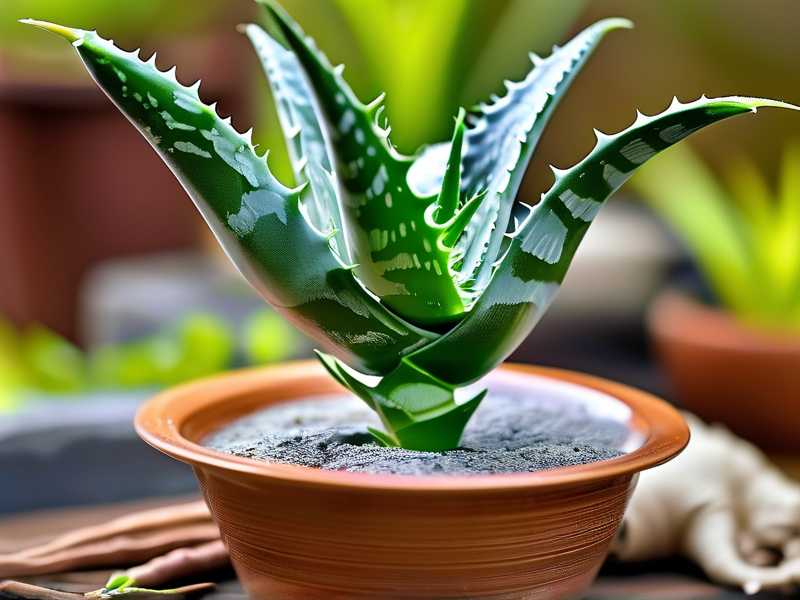
Aloe needs a pot with drainage holes. It also needs a pot that's not too big. A big pot holds too much water. The roots can't dry out.
I used a decorative pot with no drainage. I thought it looked nice. The aloe died within a month. Now I use terracotta pots. They're porous and help the soil dry faster.
The AHS recommends using pots that are only slightly larger than the root ball. I follow this advice. My aloe plants are much happier.
What Happens If You Don't Trim Sparse Leaves
I've seen this happen many times. The outer leaves keep growing. They get longer and heavier. They block light from the center. The plant stops producing new leaves. The cluster becomes thin and sparse.
Eventually, the outer leaves start to die. They turn yellow and brown. They hang down around the pot. The plant looks sad.
Trimming is the only way to fix this. It seems counterintuitive. You're removing leaves. But you're actually helping the plant. The new growth takes over. The cluster becomes denser.
My Experience with Different Aloe Varieties
I've grown several aloe varieties. They all respond to trimming differently.
Aloe vera is the most common. It's also the easiest. The leaves are thick and fleshy. They trim cleanly. The new growth is fast.
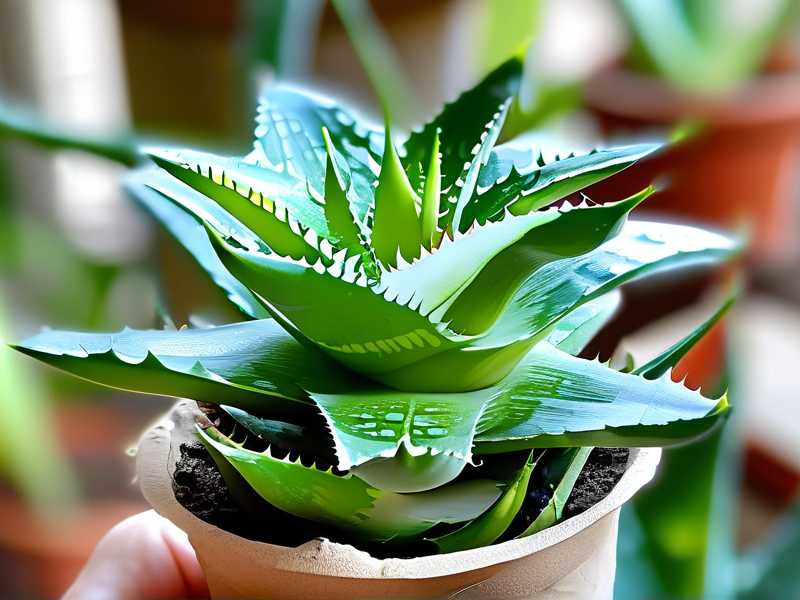
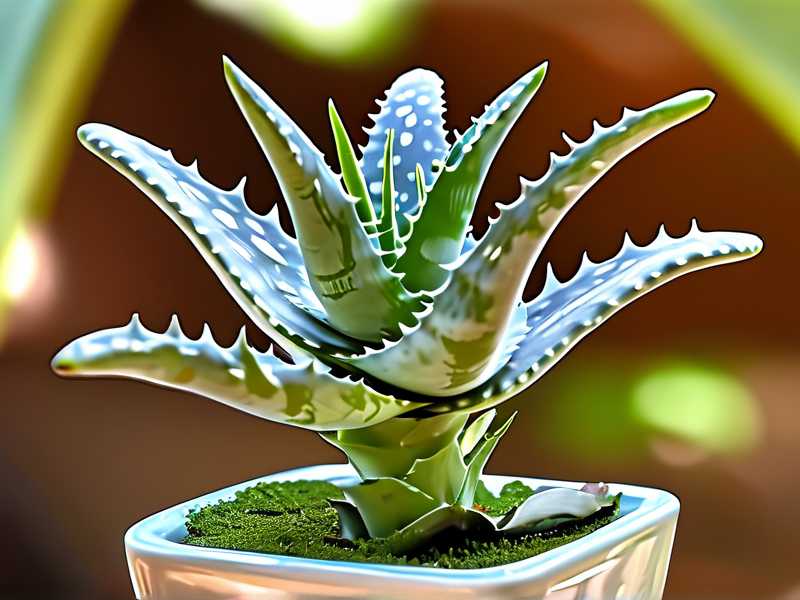
Aloe aristata, or lace aloe, is different. The leaves are thinner. They have white spots. Trimming is more delicate. I use a smaller knife.
Aloe striata, or coral aloe, has smooth leaves. It's harder to trim. The leaves are tough. I need a stronger knife.
Aloe polyphylla, or spiral aloe, is rare. I've only grown it once. The leaves grow in a spiral pattern. Trimming is tricky. I have to be careful not to damage the spiral.
The Tools I Use
I've tried many tools. Here's what works best.
Pruning knife: This is my go-to. It's small and sharp. I can make precise cuts.
Scissors: I use these for smaller leaves. They're easier to handle.
Gloves: Aloe sap can be sticky. It can also irritate your skin. I wear gloves.
Rubbing alcohol: I sterilize my tools before each use. This prevents infection.
The Best Time to Trim
I trim my aloe in spring or early summer. This is the active growing season. The plant recovers faster.
I avoid trimming in winter. The plant is dormant. It's harder to heal.
I also avoid trimming right after repotting. The plant needs time to adjust.
What to Do with the Trimmed Leaves
I don't throw them away. I use them for propagation.
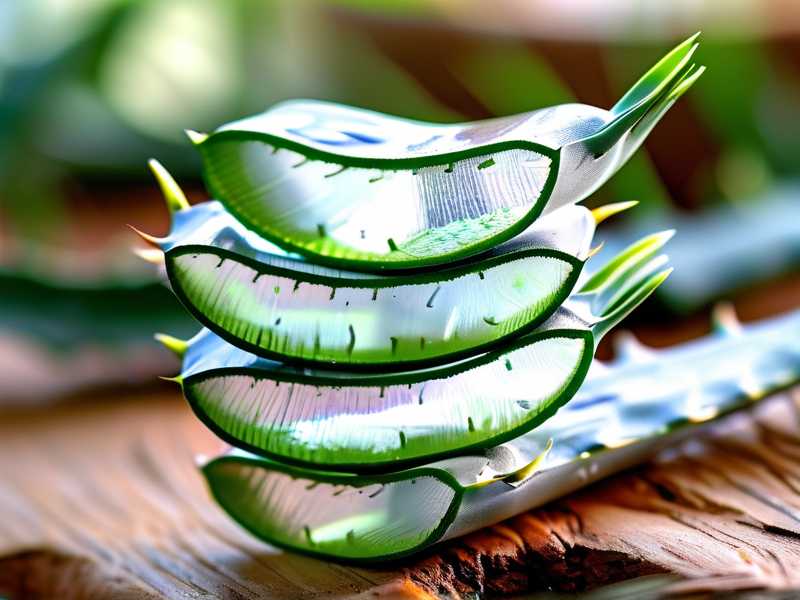
I cut the leaves into 2-3 inch sections. I let them callous for 2-3 days. Then I plant them in well-draining soil. I water lightly. In a few weeks, I see new roots.
I've grown dozens of aloe plants this way. I give them to friends. I sell them at plant swaps.
The Science Behind Trimming
I'm not a scientist. But I've read about this. The RHS has studied aloe pruning.
When you trim the outer leaves, you redirect the plant's energy. The plant focuses on new growth. The root system becomes stronger. The cluster becomes denser.
The AHS also supports this. They say pruning stimulates new growth. It improves air circulation. It prevents disease.
Common Questions I Get About Trimming
People ask me all sorts of questions. Here are the most common ones.
FAQ 1: Will trimming hurt my aloe?
No. Trimming is safe if done correctly. Use clean tools. Don't remove too many leaves. Let the cuts callous.
FAQ 2: How often should I trim?
I trim every 2-3 months. This keeps the cluster thick. It prevents the outer leaves from getting too long.
FAQ 3: Can I trim if my aloe is sick?
Only if the disease is in the outer leaves. If the center is sick, trimming won't help. You need to treat the disease first.
What I Learned from Killing Five Aloe Plants
I've killed five aloe plants. I'm not proud of it. But I learned a lot.
The first one died from overwatering. The second died from lack of light. The third died from a pot with no drainage. The fourth died from pests. The fifth died from a combination of all these things.
I was frustrated. But I kept trying. I read books. I watched videos. I talked to experts. I joined plant communities.
Now I'm confident. I know how to care for aloe. I know how to trim the outer leaves. I know how to thicken the cluster.
My Final Thoughts on Trimming Sparse Outer Leaves
Trimming is simple. It's effective. It's essential for healthy aloe clusters.
Start with 2-3 leaves. Wait 2 weeks. Observe the new growth. Adjust your watering schedule. Use the right pot. Give it enough light.
You'll see results quickly. The cluster will thicken. The plant will be healthier. You'll be proud of your aloe.
I've been doing this for years. It works every time. I've helped friends fix their aloe plants. I've seen amazing transformations.
Don't be afraid to trim. It's the best thing you can do for your aloe. Trust me. I've been there. I've made the mistakes. I've learned the lessons.
Now it's your turn. Give it a try. Your aloe will thank you.