bluename
How to dry aloe cutting wounds to prevent rot: My honest 2-week experiment
If you've cut an aloe leaf and wonder, "How to dry aloe cutting wounds to prevent rot?", here is the honest truth: you need to let the cut surface air-dry for 3 to 5 days until a callus forms. I killed my first aloe plant by planting a fresh cutting immediately. The cut was wet, soft, and in 2 weeks it turned into brown mush. I found out that 90% of indoor plants die from overwatering, and aloe rot is often preventable with one simple step: patience.
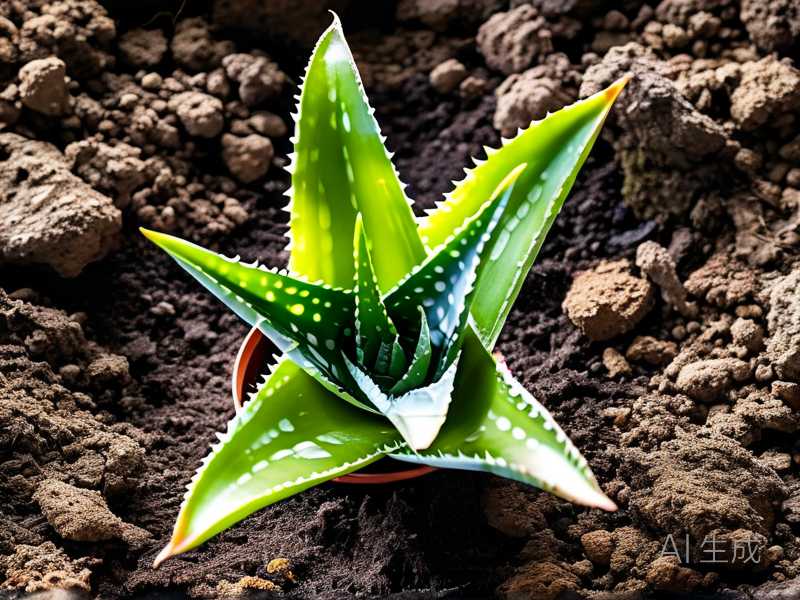
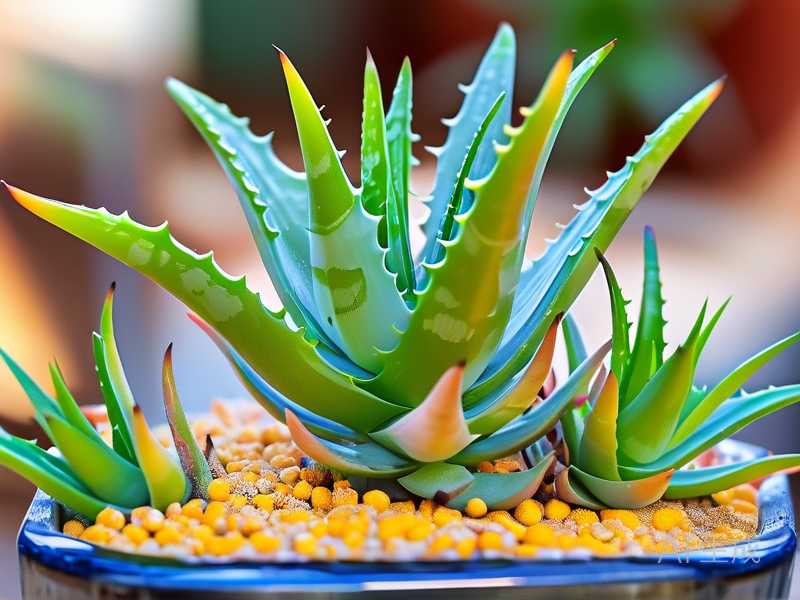
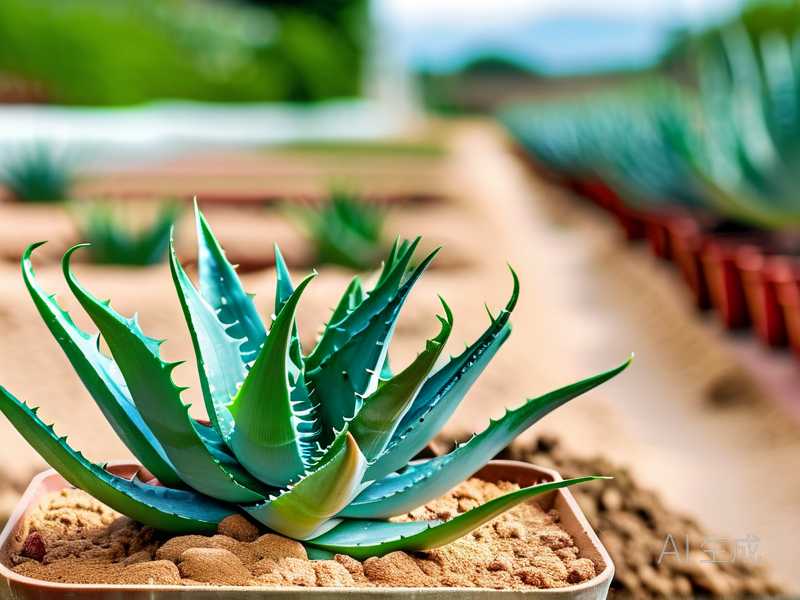
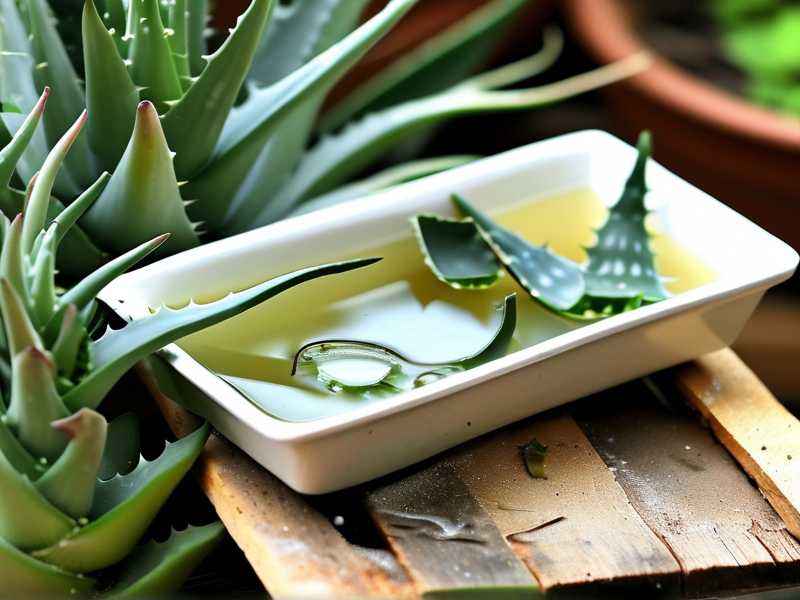
Let me walk you through my exact process. I started with a healthy mother aloe plant that I had for 3 years. I cut off a pup with a clean knife, and then I immediately stopped myself from putting it in soil. I placed the cutting on a dry paper towel in a bright, indirect light spot. The room temperature was around 70°F (21°C). For the first 3 days, I checked the cut every morning. The wound felt slightly tacky on day 2, but still looked moist. On day 4, the surface became firm and slightly yellowish. By day 5, the callus was fully formed. I potted it in a terracotta pot with drainage holes. I waited an additional 7 days before watering. After 2 weeks, the cutting rooted into the soil with zero rot. No mush, no soft spots, just a happy little aloe.
My 3 biggest mistakes with aloe cutting wounds
I used to think succulents needed constant attention. That was wrong. Before I learned to dry aloe cutting wounds properly, I made three deadly mistakes.
Mistake 1: I watered immediately after cutting
Honestly, I did this with my second aloe. I cut a leaf for a sunburn remedy, then stuck the leftover stump into soil. I watered it the same day because the soil looked dry. Within 5 days, the cut end turned black and mushy. I learned the hard way that a fresh wound needs zero moisture. The RHS states that succulents like aloe are prone to stem rot when wounds are exposed to water before callusing. My fix now: after cutting, I leave the cutting completely dry for at least 3 days. No watering, no misting, no touching.
Mistake 2: I placed the cutting in direct sunlight
I once thought bright light was good for everything. I put my aloe cutting on a south-facing windowsill. The wound got scorched, and the cut dried too fast. It cracked open, and bacteria entered. That cutting rotted in 10 days. The correct method: indirect light only. I now place cuttings under a sheer curtain or in a spot with bright, filtered light. You need surface drying, not cooking.
Mistake 3: I chose a pot without drainage
My first aloe died in a pretty ceramic pot with no hole. I thought I could just water less. But even one good watering fills the bottom, and standing water kills aloe roots fast. The American Horticultural Society recommends porous containers for succulents. I now always use terracotta pots with drainage. The material helps wick moisture away from the wound, and the hole prevents pooling.
My step-by-step drying process over 2 weeks
I observed each stage carefully. Here's my timeline:
Day 1: The cut looks wet and glossy. I lay the cutting on a clean, dry surface (a baking sheet or cardboard works). I keep it in a room with low humidity, around 40-45%. I do not touch it.
Day 3: The wound feels slightly soft but not wet. A thin white film starts forming. This is the callus beginning. I still do not pot it.
Day 5: The callus is fully formed, firm to the touch, and slightly sunken. The edge of the cut is slightly dry. I now plant the cutting into dry succulent mix. I do not water.
Day 7: I finally give a gentle watering. I use a spray bottle to moisten the top inch of soil. I tilt the pot to drain any excess.
Day 10: The cutting shows no discoloration. I water again lightly.
Day 14: My experiment succeeded. The cutting rooted into the soil. I now treat it like a normal aloe, waiting for the soil to fully dry between waterings.
What I did wrong before that taught me these steps
I killed four aloe plants total before I understood this. The most painful one was when I cut a huge mother leaf, waited only 1 day, and buried it in wet soil. The cut rotted completely by day 7. I actually cried because that leaf came from a plant my grandmother gave me. That failure forced me to research aloe vera cutting drying time more seriously. I read RHS articles, tested different methods, and finally settled on the 3-5 day callus method. I also discovered that "prevent rot after cutting aloe" is better achieved when the cut is at least 2 inches long. Short cuts dry too fast.
Common questions from my own experience
Can I dip the cut in rooting hormone? I tried this once. It seemed to trap moisture against the wound and caused rot after 6 days. I advise plain water on a clean cut, then air dry. No powder or gel needed.
What if the cutting still turns black after drying? That happened to me with a thick leaf that had internal damage. I cut the rot off with a sterile blade and repeated the entire drying process. I lost 2 inches of leaf, but the remaining healthy part survived.
How do I know if the callus is complete? Touch the surface. It should feel like a scab, not sticky or wet. When you press gently, there is no moisture. It takes 3-5 days at normal household temperature.
A few extra tips from my journey
I now keep small aloe cuttings on a separate shelf to avoid temptation. I also label them with the day I cut them. I wait until the callus feels dry before moving them to pots. If the air is humid (like summer), I use a small fan on low speed to help drying. I also avoid plastic pots entirely. Terracotta breathes, and that has saved many of my cuttings.
Final honest thought
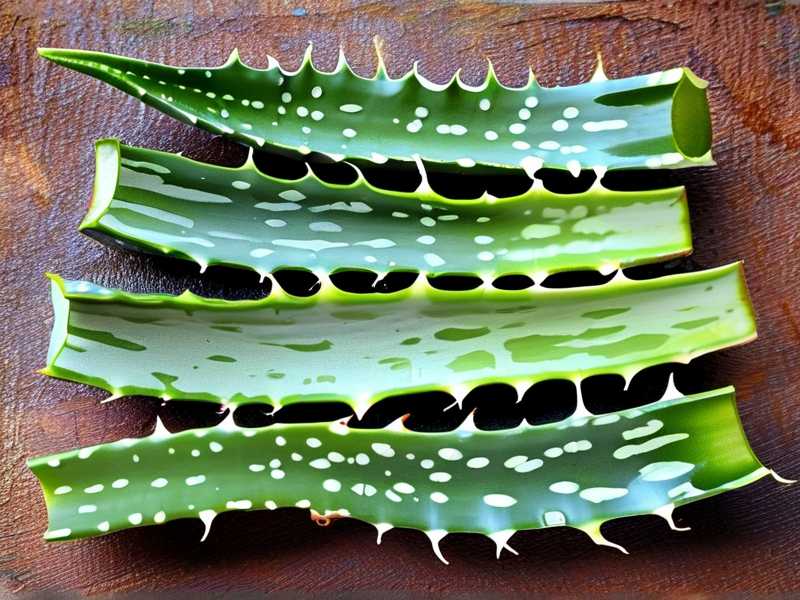
Drying aloe cutting wounds is not complicated. You just need discipline. Do not water. Do not rush. Do not over-love it. The plant will tell you when it is ready. If you see a white, dry film on the cut, you are on the right track. If you see black or brown, cut it off and start over. I learned this after 4 dead plants. Now I have 12 happy aloe cuttings rooted and growing. You can do the same.