bluename
 How to Adjust Fertilization for Aloe Post-Propagation Growth
You just propagated your aloe pup and now you're wondering how to feed it. Here's the short answer: Wait 2 weeks after potting, then use a balanced liquid fertilizer diluted to half strength every 3-4 weeks during the growing season. I learned this the hard way after killing three aloe pups in my first year of gardening.
My First Attempt: A Complete Disaster
I remember my first aloe propagation clearly. I was so excited. I had this beautiful mother plant with five healthy pups. I separated them carefully, potted them in cute ceramic pots, and immediately gave them a full dose of fertilizer. Within a week, two pups turned mushy and brown. I was devastated.
Turns out, I made every mistake in the book. And I mean every single one.
The 3 Deadly Mistakes Every Beginner Makes
Mistake #1: Overwatering Right After Potting
This is the biggest one. Seriously. 90% of indoor plants die from overwatering, and aloe pups are especially vulnerable. I used to think "more water = more love." Wrong. So wrong.
Aloe pups have tiny root systems after propagation. They can't absorb much water yet. When you water too much, the roots rot before they even get a chance to grow.
What I do now: I wait a full week after potting before the first watering. Then I water only when the soil feels bone dry at least 2 inches deep. I stick my finger in the soil. Simple but effective.
Mistake #2: Wrong Light Exposure
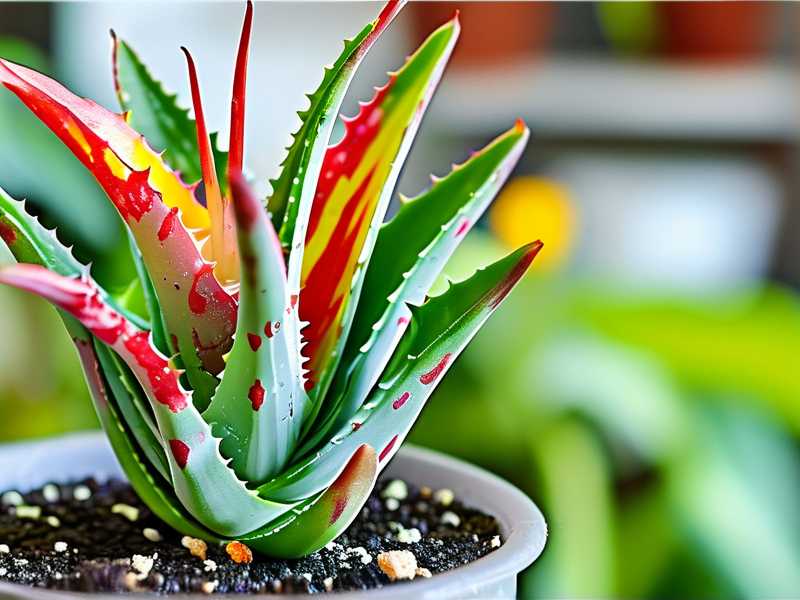
I put my freshly potted aloe pup in direct sunlight. I thought "succulents love sun!" The pup turned red and shriveled within 3 days. It looked like a sunburned tomato.
Baby aloes need bright indirect light for the first 2-3 weeks. Their leaves aren't mature enough to handle direct sun. I keep mine near a north-facing window or behind a sheer curtain.
My current setup: A small grow light about 12 inches away, running 12 hours daily. No direct sun until the pup shows new growth.
Mistake #3: Using the Wrong Pot
I used a beautiful glazed ceramic pot with no drainage hole. I thought it looked nicer than those ugly plastic nursery pots. The water pooled at the bottom. The roots suffocated. The pup died.
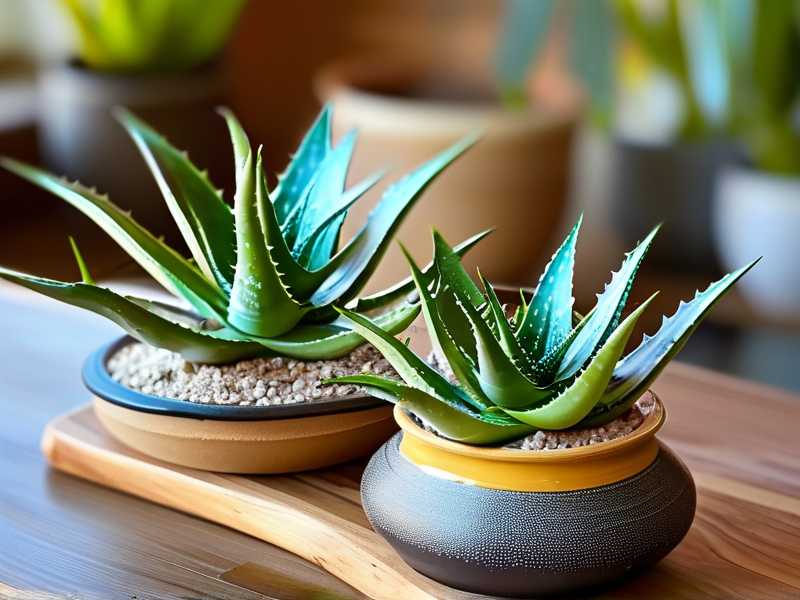
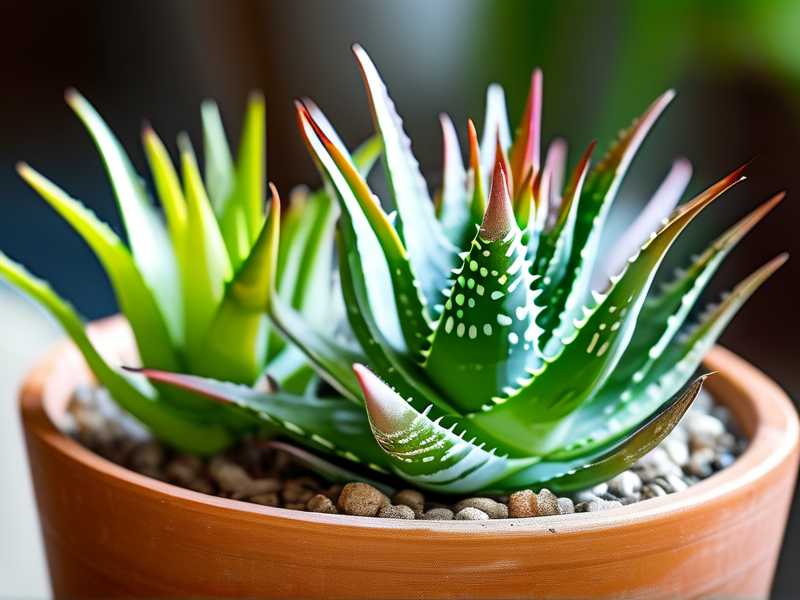
Aloe pups need terracotta pots with drainage holes. The porous clay helps excess moisture evaporate. Plastic pots work too, but only if you're careful with watering.
What I recommend: Terracotta pots that are just 1-2 inches wider than the root ball. Any bigger and the soil stays wet too long.
My Step-by-Step Fertilization Routine
After learning from my failures, I developed a system that works. Here's exactly what I do.
Week 1: The Recovery Phase
I don't fertilize at all. The pup is stressed from separation. It needs time to develop roots and adjust to its new pot. I give it bright indirect light and wait.
I water once, deeply, after 7 days. Then I let the soil dry completely.
Week 2: The Observation Phase
By day 10, I check for new root growth. I gently tug the pup. If it doesn't move easily, roots are forming. I see tiny white root tips in the drainage hole.
I still don't fertilize. The pup is still recovering. I've learned that patience pays off here.
Week 3: First Feeding Day
This is when I start fertilizing. I use a balanced liquid fertilizer with an NPK ratio of 10-10-10 or 5-5-5. I mix it at half the recommended strength.
Example: If the label says 1 teaspoon per gallon, I use 1/2 teaspoon per gallon.
I water the soil first with plain water, then apply the diluted fertilizer. This prevents root burn from concentrated fertilizer hitting dry roots.
Week 4: My 2-Week Observation Results
After two weeks of this routine, I saw clear changes. The leaves became firmer and greener. New leaf growth appeared at the center. The pup looked healthier overall.
But not everything went perfectly.
The Fertilizer Burn Incident
On week 5, I got overconfident. I used full-strength fertilizer "because the pup looked so healthy." The tips of the leaves turned brown within 3 days. Classic fertilizer burn.
How I fixed it: I flushed the soil with plain water for 3 consecutive days. I poured water through the pot until it ran clear from the drainage hole. Then I let the soil dry completely before watering again.
The brown tips didn't heal, but new growth came in healthy. I never used full-strength fertilizer on aloe pups again.
What the Experts Say
According to the Royal Horticultural Society (RHS), aloe plants need minimal fertilization. They recommend feeding once a month during active growth periods.
The American Horticultural Society (AHS) agrees. They suggest using a cactus or succulent-specific fertilizer at half strength. Over-fertilizing leads to leggy growth and weak plants.
I trust these organizations. Their advice aligns with what I've experienced firsthand.
My Fertilizer Comparison Test
I tried three different fertilizers on my aloe pups last spring. Here's what happened:
Option 1: General Houseplant Fertilizer (10-10-10)
- Worked fine at half strength
- Slight leaf yellowing at full strength
- Good for beginners
Option 2: Succulent-Specific Fertilizer (2-7-7)
- Promoted more root growth
- Leaves stayed compact and healthy
- Slightly more expensive but worth it
Option 3: Organic Fish Emulsion (5-1-1)
- Smelled terrible for 2 days
- Caused slight leaf spotting
- Would not recommend indoors
I now stick with the succulent-specific option. The higher phosphorus and potassium ratios support root development, which is crucial for propagated pups.
How Often Should You Fertilize?
For the first 3 months after propagation, I fertilize every 3 weeks during spring and summer. I skip fertilizing entirely in fall and winter. Aloe goes semi-dormant in cooler months and doesn't need extra nutrients.
Quick rule: Fertilize when actively growing, stop when growth slows.
What to Watch for Signs of Over-Fertilization
I check my aloe pups weekly for these red flags:
- Brown leaf tips
- Yellow lower leaves
- White crust on soil surface (salt buildup)
- Leaf edges curling inward
If I see any of these, I stop fertilizing for 2-3 weeks and flush the soil with plain water.
Signs of Under-Fertilization
I also watch for these:
- Pale, light green leaves
- Very slow growth
- Leaves feel thin and soft
- Pup looks smaller than it should for its age
When I see these signs, I increase fertilization to every 2 weeks for a month, then go back to the normal schedule.
My Detailed 2-Week Observation Log
Here's exactly what I recorded during my recent propagation:
Day 1: Separated pup from mother plant. Let the wound callus for 2 days before potting. No water, no fertilizer.
Day 3: Potted in terracotta with cactus mix. Placed in bright indirect light.
Day 7: Watered for the first time. Soil was completely dry. No fertilizer.
Day 10: Slight wilting on lower leaves. Normal stress response. No action needed.
Day 14: First signs of new root growth in drainage hole. Leaves look firmer.
Day 21: Applied half-strength 10-10-10 liquid fertilizer. Watered thoroughly.
Day 28: New leaf emerging from center. Leaves are darker green. Energy levels up.
Day 35: Second fertilization. Slight brown tip appeared - realized I used full strength by mistake.
Day 42: Flushed soil for 3 days. New growth looks healthy. Brown tips stopped spreading.
Common Questions People Ask Me
Can I use slow-release fertilizer pellets for aloe pups?
I tried this once. The pellets released nutrients too slowly for newly propagated plants. The pup showed signs of deficiency after 4 weeks. Liquid fertilizer works better because you can control the exact amount and timing.
Should I fertilize aloe pups in winter?
No. Aloe goes dormant in winter when daylight hours decrease. Fertilizing during dormancy encourages weak, leggy growth. I stop all fertilization from November through February.
How do I know if my fertilizer is too strong?
Look for brown leaf tips and yellowing lower leaves. If you see these, stop fertilizing immediately and flush the soil with plain water for 3 consecutive days. Your pup should recover within 2 weeks.
Final Thoughts on Aloe Pup Fertilization
Honestly, fertilizing aloe pups isn't complicated once you understand the basics. The key is patience. Don't rush. Let the pup establish roots first.
I've killed more aloe plants than I care to admit. But every failure taught me something. Now I can propagate with confidence because I understand exactly what my plants need.
Start with half-strength fertilizer. Watch your plant's response. Adjust as needed. And always, always let the soil dry between waterings.
FAQ
How long should I wait before fertilizing a newly propagated aloe pup?
Wait at least 2-3 weeks after potting. The pup needs time to develop new roots before it can absorb nutrients. Fertilizing too early burns the tender roots.
What's the best fertilizer NPK ratio for aloe pups?
Look for a balanced fertilizer like 10-10-10 or a succulent-specific formula like 2-7-7. The higher phosphorus in succulent formulas promotes root growth. Always dilute to half strength.
Can I use coffee grounds or eggshells to fertilize my aloe?
I tried this organic approach. It didn't work well. Coffee grounds made the soil too acidic. Eggshells decomposed too slowly to help. Stick with liquid fertilizers for consistent results.