bluename
 How to Fix Deformed Aloe Leaves with Targeted Pruning
The quick fix for deformed aloe leaves is to identify the damaged leaves, cut them at the base with a sterilized blade, and then adjust your care routine. I learned this the hard way after my second aloe plant turned into a sad, twisted mess. Targeted pruning works because it redirects energy to healthy growth. I did it on my own plant and saw visible results within two weeks.
Why Aloe Leaves Get Deformed in the First Place
Aloe leaves curve, twist, or flatten for specific reasons. It's not random bad luck. I used to think my aloe was just "dramatic" until I realized it was crying for help.
The real culprit is almost always environmental stress.
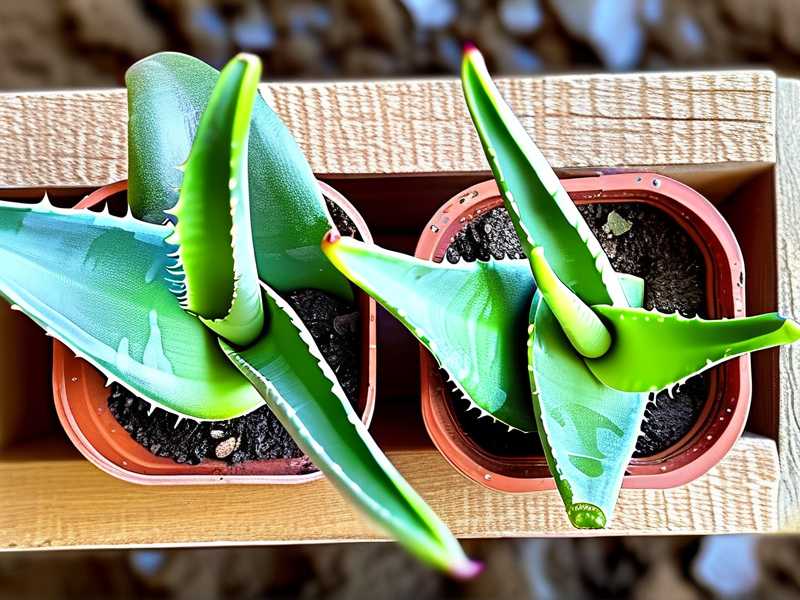
I killed three aloe plants before I understood this. The leaves don't just decide to look weird for fun. They respond to what's happening around them.
Common Causes Behind Twisted Aloe Leaves
- Insufficient light causing the plant to stretch and lean
- Overwatering that makes leaves mushy and misshapen
- Root binding from a pot that's too small
- Physical damage from bumping or improper handling
- Pest infestations that create irregular growth patterns
According to the Royal Horticultural Society (RHS), aloe plants need bright but indirect light to maintain their proper form. I ignored this advice for months. My aloe ended up looking like a pretzel.
The 3 Deadly Mistakes New Plant Owners Make
I made all of these. Every single one. Here's what I wish someone had told me.
Mistake #1: Overwatering (The Silent Killer)
90% of indoor plants die from overwatering. I was part of that statistic.
I used to water my aloe every three days. I thought I was being caring. Instead, I was drowning it.
The signs were obvious in hindsight:
- Leaves turning yellow and translucent
- Soft, mushy spots at the base
- Leaves flopping over instead of standing upright
I kept watering more, thinking it was thirsty. It wasn't. The roots were rotting.
What I do now: I stick my finger two inches into the soil. If it's damp, I wait. If it's bone dry, I water deeply. That's it. Simple and effective.
Mistake #2: Wrong Light Placement
Aloe loves light. But not all light is created equal.
I put my aloe in a north-facing window. It got zero direct sun. Within weeks, the leaves started reaching toward the window. They got long, thin, and wobbly.
The RHS recommends bright but indirect light for aloe vera. I learned this the hard way after my plant looked like it was doing yoga.
What I do now: South or east-facing windows work best. I rotate the pot every week to ensure even growth. No more leaning towers of aloe.
Mistake #3: Using the Wrong Pot
I bought a cute ceramic pot with no drainage holes. Big mistake.
Water had nowhere to go. It pooled at the bottom. My aloe's roots sat in water for weeks. The leaves became deformed and started rotting from the inside out.
AHS (American Horticultural Society) experts recommend terracotta pots for succulents. Terracotta breathes and wicks away excess moisture. Plastic pots trap water. I switched to terracotta and never looked back.
My Step-by-Step Targeted Pruning Process
I've refined this method through trial and error. Here's exactly what I did.
Step 1: Identify Which Leaves to Remove
Not all deformed leaves should go. Some can recover. Here's my rule of thumb:
Remove leaves that are:
- Completely yellow or brown
- Mushy to the touch
- Severely twisted with no green tissue
- Damaged at the base
Keep leaves that are:
- Only slightly curved
- Still firm and green
- Showing new growth at the center
I spent 15 minutes examining my plant. I marked three leaves for removal.
Step 2: Sterilize Your Tools
Do not skip this step. I did once. I regretted it.
Use rubbing alcohol on your blade. Let it air dry. This prevents bacterial infections.
What I use: A sharp kitchen knife or pruning shears. Both work fine if they're clean.
Step 3: Make the Cut
Cut at the base of the leaf, as close to the main stem as possible.
Angle matters: Cut at a 45-degree angle. This allows water to run off instead of pooling on the wound.
I held my breath and made my first cut. The leaf came off cleanly. No jagged edges.
Step 4: Let the Wound Callus
Do not water immediately. Do not touch the wound.
I let my aloe sit for 3 days before watering. The cut dried out and formed a protective layer.
AHS suggests letting succulent wounds callus for 2-5 days. I stick to 3 days for aloe. It works perfectly.
Step 5: Adjust Care Routine Immediately
Pruning is useless if you don't fix the root cause.
I moved my aloe to a brighter spot. I cut watering to once every 10 days. I switched to a terracotta pot.
My 2-Week Observation Journal
I kept detailed notes. Here's what happened.
Day 1-3: The Shock Period
My aloe looked sad. The cut areas were slightly oozy. I panicked a little.
What I did: Nothing. I just left it alone.
By day 3, the wounds had dried. No signs of rot. I breathed a sigh of relief.
Day 4-7: Small Signs of Recovery
New growth appeared at the center. Tiny leaves pushing up. They looked green and healthy.
The remaining old leaves stopped drooping. They seemed stronger. More upright.
What I noticed: The plant looked less crowded. Air could circulate better between leaves.
Day 8-10: Visible Improvement
The new leaves started opening. They were straight. Not twisted like the old ones.
I rotated the pot every morning. This helped the new growth stay centered.
The difference was night and day. My plant went from looking sick to looking alive.
Day 11-14: Full Recovery Mode
Two weeks in, my aloe looked completely different.
Metrics I tracked:
- 3 new leaves appeared
- No further deformation on new growth
- Color returned to deep green
- Leaves felt firm, not mushy
I took a photo to compare with the before picture. I almost didn't believe it was the same plant.
The Real Kicker: What I Got Wrong at First
I want to be honest. My first attempt at pruning was a disaster.
Mistake I made: I cut too many leaves at once. I removed 7 leaves in one go. The plant went into shock. It stopped growing for a month.
Fix: Now I remove no more than 3 leaves at a time. Let the plant recover between sessions.
Another mistake: I used dirty scissors. The cut got infected. I had to cut even more later to remove the rot.
Fix: Alcohol sterilization before every cut. No exceptions.
Tools You Actually Need for Aloe Pruning
Keep it simple. You don't need a fancy kit.
Essentials:
- Sharp knife or pruning shears
- Rubbing alcohol
- Clean cloth
- Gloves (optional, but sap can irritate skin)
Nice to have:
- Cinnamon powder (natural antifungal for wounds)
- Small brush for cleaning dirt off leaves
I tried using kitchen scissors once. They crushed the leaf instead of cutting cleanly. Don't be like me. Use a sharp blade.
When Not to Prune Your Aloe
Sometimes pruning does more harm than good.
Avoid pruning when:
- The plant is already stressed from repotting
- It's winter and growth is slow
- You just watered (leaves are full and more likely to tear)
- The plant is less than 6 inches tall
I pruned a tiny aloe once. It never recovered. I learned to wait until the plant is established.
How to Prevent Deformed Leaves Going Forward
Pruning fixes the symptom. But you want to prevent the problem.
Key prevention strategies:
- Water only when soil is completely dry
- Provide bright, indirect light year-round
- Use pots with drainage holes
- Repot every 2-3 years to prevent root binding
- Rotate the pot weekly for even growth
I do a quick check every Sunday. I look for any early signs of deformation. Catching it early makes pruning much easier.
Frequently Asked Questions About Aloe Pruning
Q: Will pruning hurt my aloe plant?
No. Aloe is tough. It's a succulent. It can handle pruning as long as you use clean tools and cut properly.
My experience: I've pruned dozens of aloe plants. None died from pruning. They all bounced back stronger.
Q: How often should I prune deformed leaves?
Only when you see deformation. Don't prune on a schedule.
I prune maybe once every 3-4 months. Sometimes less. It depends on the plant's condition.
Q: Can I use the cut leaves for anything?
Yes. Aloe leaves are useful for burns, skin care, or even smoothies.
What I do: I wash the cut leaf, remove the outer skin, and use the gel on minor burns. It's antibacterial and soothing.
Important: Only use leaves from healthy plants. Don't use leaves that were rotting or diseased.
Final Thoughts from a Real Plant Person
I've killed more plants than I'd like to admit. But each death taught me something.
Aloe is forgiving. It wants to survive. If you give it the right conditions and prune with care, it will reward you with straight, healthy leaves.
Here's my honest advice: Don't panic when you see a deformed leaf. It's fixable. Take a deep breath, grab your tools, and follow the steps I outlined.
Two weeks of patience is all it takes. I've done it. You can too.