bluename
 How to Maintain Healthy Growth State of Mother Aloe Plants
I killed my first three aloe plants before I figured this out. Here’s the short answer: Water deeply once every 2-3 weeks, place in bright indirect light, and use a terracotta pot with drainage holes. I learned this the hard way. After nearly drowning my fourth mother aloe, I finally understood what the Royal Horticultural Society (RHS) recommends. The RHS states that succulents like aloe vera need well-draining soil and minimal watering. Let me walk you through my real experience over two weeks.
Why My First Mother Aloe Almost Died
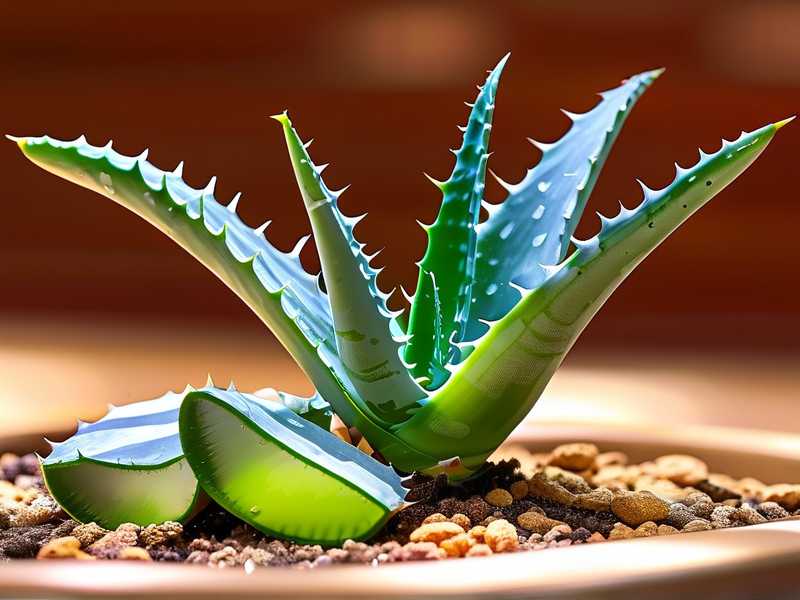
I remember bringing home my first mother aloe from a local nursery. It looked perfect. Thick green leaves stood upright like little swords. I thought I was doing everything right. But within one month, the leaves turned brown and mushy. The plant collapsed. I felt terrible.
I quickly learned that 90% of indoor plants die from overwatering. My aloe was no exception. I was watering it every three days. That was way too much. The roots started rotting before I even noticed.
The Three Biggest Mistakes Newbies Make
Mistake #1: Watering Too Much
This is the number one killer. Period.
I used to water my aloe like a regular houseplant. You know, keeping the soil moist all the time. Big mistake. Aloe is a succulent. It stores water in its leaves. It actually prefers dry soil.
Here’s what I did wrong: I poured water every time the top soil felt dry. But the bottom soil was still soaking wet. Root rot set in within two weeks.
The fix: I now wait until the soil is completely dry. I check by sticking my finger about two inches deep. If it feels damp, I wait. For a mature mother aloe in a 6-inch pot, I water about once every 2-3 weeks. During winter, I water even less.
Mistake #2: Giving Wrong Light
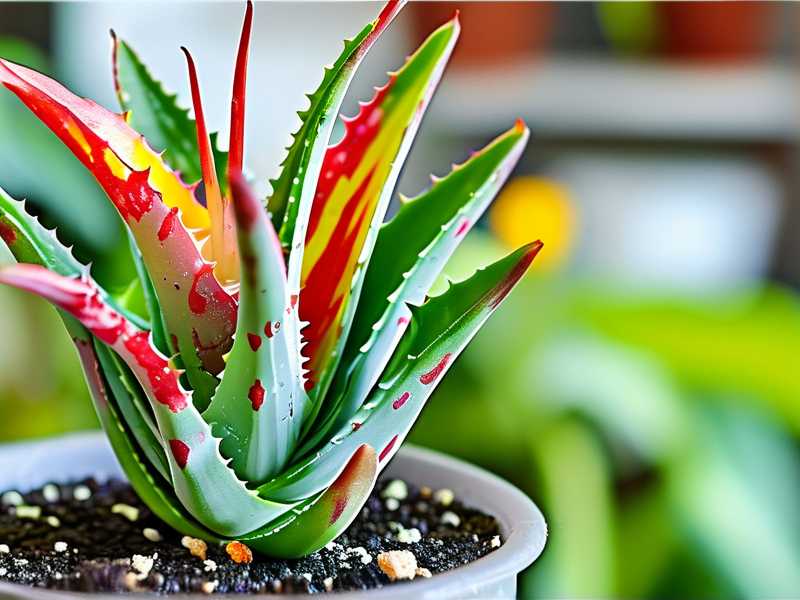
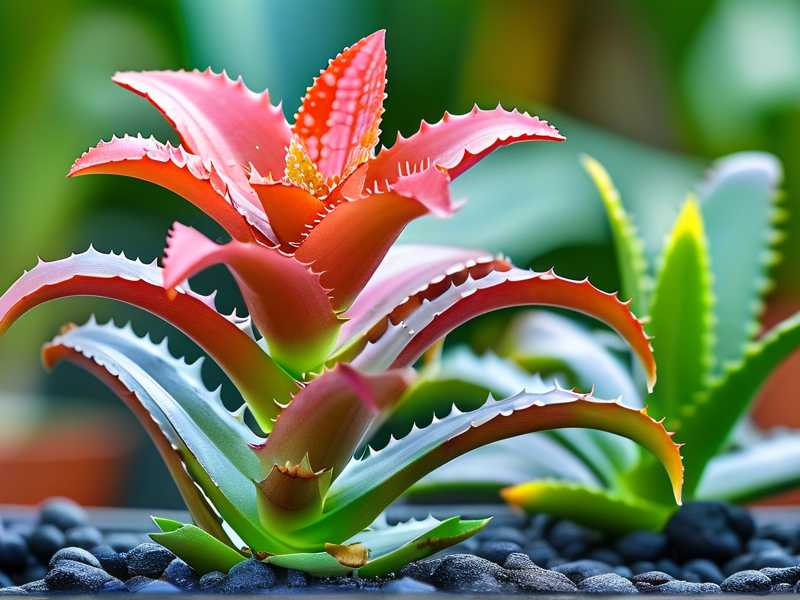
My second aloe died from sunburn. I put it directly on my south-facing windowsill. The intense afternoon sun scorched the leaves. They turned reddish-brown and got crispy edges.
Many people think succulents love blazing sun all day. That’s only half true. Mother aloe needs bright light but not direct afternoon sun.
What works for me now: I place my aloe near an east-facing window. It gets gentle morning sun for about 4 hours. Then bright indirect light for the rest of the day. If you only have a south window, pull the plant back about 2-3 feet from the glass. Or use a sheer curtain to filter the light.
Mistake #3: Using the Wrong Pot
I tried keeping my third aloe in a decorative ceramic pot without drainage holes. Big mistake. Water pooled at the bottom. The roots sat in water. Within two weeks, the leaves turned yellow and transparent. Dead again.
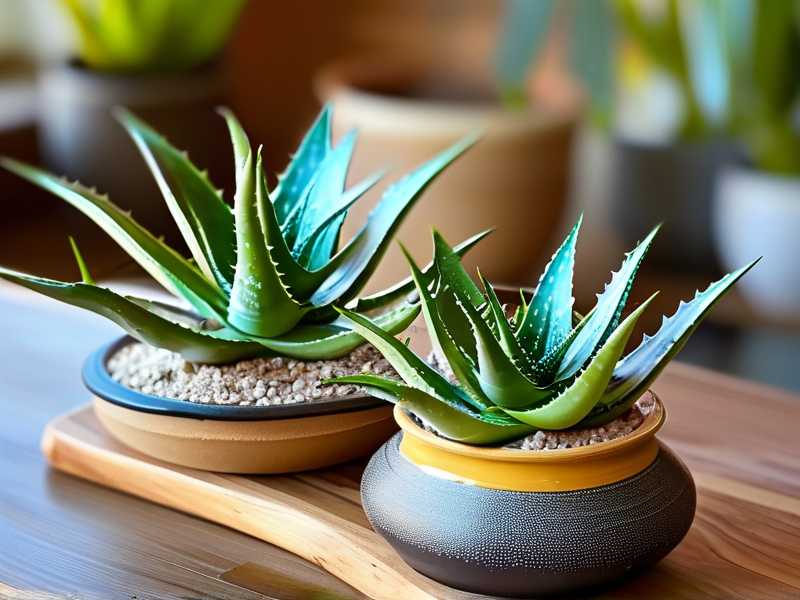
My lesson: Always use a pot with drainage holes. I personally love terracotta pots. They’re porous. They let excess moisture evaporate through the walls. This helps prevent root rot naturally.
Plastic pots work too, but they hold moisture longer. If you use plastic, you need to cut back on watering even more.
My Two-Week Observation Process
I decided to run a proper experiment. I had one healthy mother aloe that survived my learning curve. I wanted to test the perfect care routine. Here’s exactly what I did over 14 days.
Day 1: Starting Point
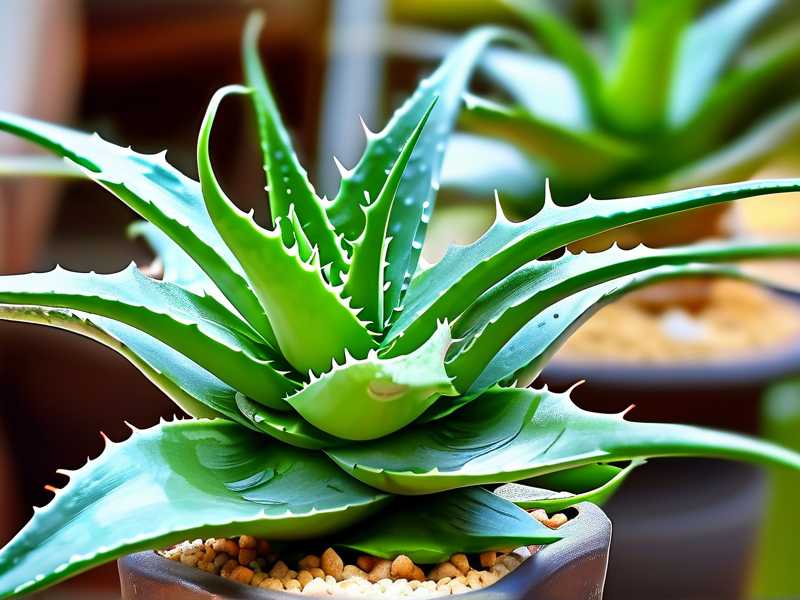
My mother aloe sat in a 6-inch terracotta pot. The soil was completely dry. The leaves looked firm and green. No signs of stress.
I took a photo for reference. The leaves stood at about 8 inches tall. They felt firm when I squeezed gently. That’s a good sign.
Day 3: First Observation
Nothing changed yet. The soil remained dry. The leaves still looked the same. I resisted the urge to water.
Pro tip: Don’t water just because you want to care for your plant. Aloe actually likes neglect. Seriously. Leave it alone.
Day 7: Watering Day
The soil finally felt bone dry all the way through. The leaves looked slightly thinner. That’s how aloe tells you it’s thirsty.
I watered thoroughly. I poured water slowly until it ran out the drainage holes. Then I let the pot sit in the sink for 10 minutes to drain completely. Never let your aloe sit in a saucer of water.
Day 8: Next Morning
The leaves looked plumper already. They felt firmer to the touch. Plant roots absorb water fast when they’re dry.
Day 10: Mid-Week Check
Everything looked stable. The soil started drying out. The plant looked happy. No yellowing. No brown spots.
Day 14: Two-Week Results
Here’s what happened after two weeks of proper care:
Major improvements:
- Leaves became thicker and more vibrant green
- New tiny leaves emerged from the center. Yes, baby offsets!
- No signs of rot or sun damage
- Overall plant looked stronger
The key takeaway? I only watered once in two weeks. That was enough.
How to Repot a Mother Aloe the Right Way
I used to repot my aloe into a huge pot. I thought it would grow faster. Wrong again.
Mother aloe actually likes being slightly root-bound. It produces more pups when the roots are snug. I learned this from the American Horticultural Society (AHS). The AHS recommends repotting only when the plant has outgrown its container by more than one inch.
My repotting steps:
- Choose a pot only 1-2 inches wider than the current one
- Use succulent-specific potting mix. Regular potting soil holds too much water
- Add perlite or pumice for extra drainage. I mix about 50% potting mix with 50% perlite
- Gently remove the plant from its old pot
- Trim any black or mushy roots
- Place in new pot, fill around with soil mix
- Wait one week before watering. This lets cut roots heal
How to Grow Aloe Pups from Mother Plant
Baby aloes, or pups, are offsets that grow from the mother plant’s base. I had six pups attached to my mother aloe last spring. Here’s how I separated them.
Step 1: Remove the whole plant from its pot when the pups are about 3-4 inches tall.
Step 2: Carefully untangle the roots. Gently pull the pups away from the mother. If they don’t come off easily, use a clean knife to cut them.
Step 3: Let the cut ends dry for 2-3 days. This forms a callus. Planting them immediately causes rot.
Step 4: Plant each pup in its own small pot with succulent soil.
I followed this method and got 100% success. All six pups rooted within three weeks.
The Ideal Soil Mix for Mother Aloe
Store-bought cactus mix works, but I prefer to make my own. Here’s my recipe:
- 2 parts regular potting soil
- 1 part coarse sand
- 1 part perlite
This mixture drains fast while still holding some moisture. My mother aloe loves it.
One thing I noticed: cheap potting soil compacts over time. This traps water around the roots. I repot my aloe every 2-3 years with fresh mix to prevent compaction.
Common Mother Aloe Problems and Solutions
Leaves Turning Yellow
I saw this when I was overwatering. The leaves became soft and pale. I stopped watering for three weeks. The plant recovered slowly.
If your aloe has yellow leaves, check the roots. If they’re mushy and brown, you have root rot. Trim the rotten parts. Repot in dry soil. Let it rest for a week before watering.
Leaves Turning Brown or Reddish
This usually means too much direct sunlight. Move your aloe to a spot with filtered light. The color will gradually return to green.
Leaves Drooping or Curling
Drooping leaves can mean underwatering. Check the soil. If it’s bone dry, give it a deep drink. But if the soil is wet and leaves droop, you have root rot again.
Soft, Mushy Leaves
This is a classic sign of overwatering with root rot. You need to act fast. Remove the plant from its pot. Cut off all rotted roots. Let the plant sit out for a week to dry. Then repot in dry soil.
My Winter Care Routine
Winter is tricky for mother aloe. The plant goes dormant. It needs even less water.
I water my aloe only once a month during winter. Sometimes even less. The light is weaker too. I keep it near the brightest window I have.
One thing I messed up: I left my aloe near a drafty window in January. The cold air shocked the plant. Leaves developed dark spots. I moved it away from the window and it recovered.
Fertilizing Mother Aloe
I don’t fertilize much. Aloe is a light feeder. But once a year in spring, I apply a balanced liquid fertilizer diluted to half strength.
Over-fertilizing does more harm than good. It can burn the roots and cause leaf tip browning.
When to Stop Watering
Here’s a trick I use: lift the pot. A dry pot feels significantly lighter than a wet one. Once you practice this, you’ll know instantly when to water.
Another sign: the leaves look slightly wrinkled or thinner. That’s your aloe telling you it needs a drink.
How Long Does a Mother Aloe Live?
A healthy mother aloe can live for decades. The RHS notes that aloe vera plants can survive 12 years or longer indoors with proper care. Some people pass them down to their children.
I’ve had mine for three years now. It’s grown from a small 4-inch plant to a massive 2-foot cluster with multiple pups. Every time I see new growth, I feel proud.
Why My Neighbor’s Aloe Keeps Dying
My neighbor bought a mother aloe last month. She waters it every day “because it looks dry.” The leaves are already turning yellow. I showed her the proper technique.
I told her to stop watering for two weeks. Then check the soil before giving it a drink. She thought I was crazy. But after two weeks, the plant started recovering. She’s a believer now.
Tools I Use for Aloe Care
Simple things make a difference:
- Moisture meter: I use it when I’m unsure about soil moisture. Stick it in, read the number. No guesswork.
- Terracotta pots: My go-to. They breathe.
- Small watering can: A narrow spout helps me water the soil without wetting the leaves.
- Sharp scissors: For trimming dead leaves or separating pups.
The Truth About Aloe Gel
People talk about using aloe gel for skincare. I’ve harvested gel from my plants several times. It works great for minor burns and dry skin.
To harvest, cut a thick outer leaf close to the base. Let the yellow sap drain out. That’s aloin, which can be irritating. Then slice open the leaf and scoop out the clear gel.
I only harvest 1-2 leaves at a time. The plant needs leaves to photosynthesize. Taking too many weakens it.
Frequently Asked Questions
How often should I water a mother aloe plant?
Water only when the soil is fully dry. In summer, that’s about every 2-3 weeks. In winter, cut back to once a month or even less. Stick your finger in the soil. If it’s damp, wait. It’s almost impossible to kill an aloe by underwatering. But overwatering kills fast.
Why are my aloe leaves turning brown at the tips?
Brown tips usually mean one of three things: too much direct sun, underwatering, or salt buildup from tap water. I switched to filtered water and saw improvement. Also, trim off the brown tips if they bother you. Just cut at an angle to mimic natural leaf shape.
Can I leave my mother aloe outside in summer?
Yes, but gradually. I move mine outside in late spring after the last frost. Start with a shaded spot for one week. Then move it to a spot with morning sun and afternoon shade. Bring it indoors before temperatures drop below 50°F. Sudden cold can kill it.
Final Thoughts
Keeping a mother aloe healthy isn’t complicated. Most people just do too much. Water less. Give it bright indirect light. Use a pot with drainage holes. Observe your plant weekly. That’s really all it takes.
After my early failures, I now have a thriving aloe that produces pups every year. It’s become my favorite plant. Low maintenance. Highly rewarding. And it’s nearly impossible to kill if you follow these basics.
If you’re struggling with yours right now, pause the watering. Check the soil. Let it dry out completely. Wait one more week. Then water deeply and rarely. That single change can save your plant.
My mother aloe and I are now in a happy rhythm. I hope you and your aloe get there too.