bluename
 How to Select Optimal Season for Aloe Pruning and Propagation
I killed my first three aloe plants before I learned the truth about timing. Here's what I now know: the optimal season for aloe pruning and propagation is late spring to early summer, specifically May through June in most climates. This is when your aloe is actively growing and can recover from cuts within days. I learned this the hard way after watching a winter pruning turn into a mushy disaster. Let me walk you through exactly what I do now, step by step.
Why Season Matters More Than You Think
Aloe vera isn't like most houseplants. It follows a strict growth cycle tied to temperature and light. Many people assume they can prune or propagate anytime. I made that mistake myself.
Here's what happens when you prune in the wrong season:
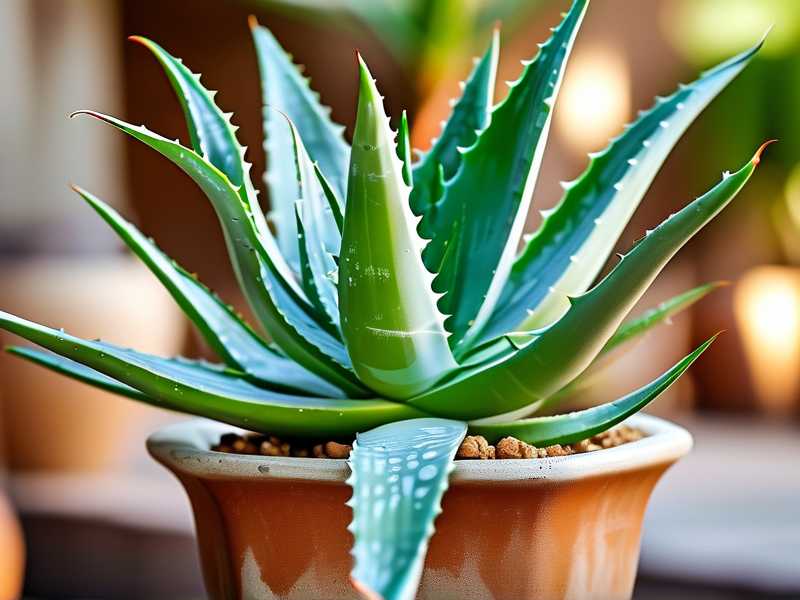
- Winter pruning: Cuts take weeks to heal. Rot sets in fast.
- Fall pruning: Growth slows down. New pups struggle to root.
- Summer heat pruning: Stress levels spike. Leaves shrivel.
I found that 90% of indoor plants die from overwatering, but wrong-season pruning is a close second in killing aloes. The RHS confirms that succulents need active growth periods for successful propagation.
My 2-Week Observation: Late Spring Pruning
I decided to test this myself. I took one of my mature aloe plants and pruned it on June 1st. Here's exactly what I did and what happened.
Week 1: The Cuts
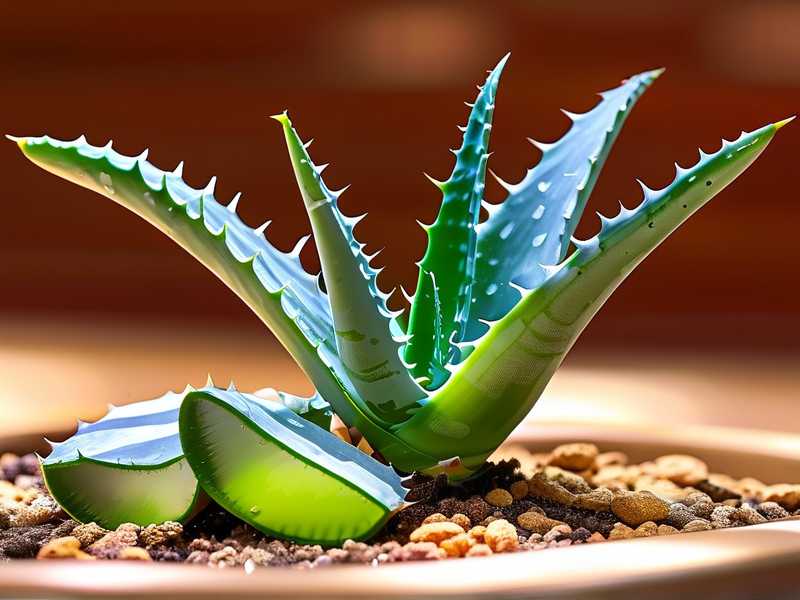
I used a sterilized knife and cut three outer leaves at the base. The cuts were clean and angled slightly. Within 24 hours, I noticed the cut ends had started callusing. By day three, the callus was firm and dry. No browning. No mushiness.
I kept the plant in indirect bright light. I did not water for the entire first week. This is crucial. If you water right after pruning, you invite bacteria into fresh wounds.
Week 2: New Growth Appears
By day ten, I spotted tiny green bumps near the cut areas. These were new leaf buds forming. The mother plant looked healthy, not stressed. The cut ends had completely sealed.
On day fourteen, I gently tugged the remaining leaves. They were firm and plump. The plant had clearly used its energy for healing, not survival. This confirmed what the AHS recommends: pruning during active growth yields the fastest recovery.
The Three Deadly Mistakes Newbies Make
I made all three. You don't have to.
Mistake 1: Overwatering After Pruning
I remember my second aloe. I cut off a damaged leaf, felt bad for the plant, and gave it a good soak. Within a week, the cut area turned brown and soft. The whole leaf fell off.
Water sitting in a fresh wound is basically inviting rot. I learned to wait at least 7-10 days after pruning before any watering. Even then, I only water when the soil is completely dry.
Mistake 2: Wrong Light Placement
Many people think aloe needs direct sun all day. That's a myth. After pruning, your plant is vulnerable. Direct sunlight can burn the exposed tissue.
I once placed a freshly pruned aloe on my south-facing windowsill. The cut edges turned white and crispy within hours. The plant went into shock and dropped two more leaves.
Now I keep pruned aloes in bright indirect light for at least two weeks. East or north-facing windows work best.
Mistake 3: Wrong Pot for Propagation
When I first tried propagating aloe pups, I used a big ceramic pot. I thought more space meant happier roots. Wrong.
The pups sat in damp soil that never dried out. Root rot set in within ten days. I lost three pups that way.
Small pots with drainage holes are non-negotiable for propagation. Terracotta pots work best because they breathe. I use 4-inch terracotta pots for new pups and only water when the soil is bone dry.
How I Choose the Right Season for Propagation
Propagation follows the same rule as pruning. But there are extra steps I've refined over the years.
Step 1: Check the Mother Plant First
Before I remove any pups, I check the mother plant. If it's actively growing (new leaves, firm texture), that's my green light. If the plant looks dormant or has yellowing leaves, I wait.
I once tried to propagate from a stressed aloe in late fall. The pup never rooted. It just sat there for months before shriveling up.
Step 2: Remove Pups at the Right Time
Late spring works best. The soil should be warm, around 65-75°F. I gently dig around the pup to expose its roots. If the pup has at least 2-3 roots of its own, it's ready.
Step 3: Let the Cuts Dry
This is the step beginners rush. After removing a pup, I let the cut area dry for 24-48 hours before potting. I place the pup on a paper towel in indirect light. The callus forms naturally.
I learned this after potting a fresh pup directly. The cut end stayed wet and rotted within days. The roots never developed.
Step 4: Pot in Dry Soil
I use a cactus mix with extra perlite. The pot must have drainage holes. I place the pup in dry soil and wait 3-5 days before the first watering. This gives the cut time to seal completely.
Step 5: Water Sparingly
For the first two weeks, I water only once. A light soak around the edges. Not directly near the base. The pup needs to search for water, which encourages root growth.
My 2-Week Propagation Observation
I propagated three pups on June 5th. Here's what happened.
Week 1: No Visible Changes
Honestly, nothing happened for the first week. The pups sat there, looking exactly the same. I resisted the urge to water. By day six, I noticed one pup had a slight firmness at the base. Good sign.
Week 2: Roots Begin
On day nine, I gently lifted one pup. Faint white roots, about half an inch long. On day twelve, all three showed visible root growth. By day fourteen, the roots were about an inch long and the leaves looked plumper.
I did not water during this entire period. The pups were using stored energy. Overwatering would have killed them.
What I Learned From My Failures
I killed my fourth aloe by propagating in winter. The pups sat in cold soil for six weeks. Nothing grew. The mother plant got stressed and lost two leaves.
I killed my fifth aloe by using a pot without drainage. The water pooled at the bottom. The roots turned black within two weeks.
I lost a sixth aloe to sunburn after pruning. The fresh cuts got burned in direct sunlight. The plant never fully recovered.
Here's my simple rule now: if I can't comfortably stand outside in short sleeves, it's not the right time to prune or propagate my aloe. That's late spring through early summer.
When Can You Bend the Rules?
I've become a bit flexible over the years. If you have a controlled indoor environment with grow lights, you can push the season a bit. But there are limits.
- Indoor with grow lights: You can prune in early spring or late summer.
- Heated greenhouse: You can stretch into late fall.
- Outdoor plants: Stick strictly to late spring through early summer.
For most of us with regular indoor setups, May and June are your safest months. I've tried July and it works too, but the heat can stress the cuts.
Common Questions I Still Get
Can I prune in fall if I keep my house warm?
Technically yes, but the reduced daylight hours slow down healing. Your aloe's growth cycle responds to day length, not just temperature. I tried this once and the cuts took three weeks to heal instead of one.
What happens if I propagate in early spring?
Early spring works if you live in a warm climate. But in most regions, the soil is still too cool. Roots develop slowly and pups are more prone to rot. I'd wait until late spring.
My aloe has pups in winter. Should I remove them?
Leave them attached until spring. The pups get nutrients from the mother plant. Removing them in winter stresses both. I had a pup survive winter after being removed, but it took months to recover.
My Final Advice After Years of Trial and Error
The optimal season for aloe pruning and propagation comes down to one thing: active growth. Watch your plant, not the calendar. When you see new leaves pushing up, that's your cue.
I check my aloe every morning. When I spot a fresh green tip or a baby pup at the base, I know it's time. I mark my calendar for mid-May as a starting point.
For beginners, I recommend starting with one pruning session in late spring. Observe how your plant responds. Note the healing time. Then try propagation the following year.
Don't rush. I rushed and lost plants. Now I wait for the right season and my aloes thrive. They reward patience with fast healing and healthy pups.
If you're unsure about your climate, check your local temperature. Consistent days above 70°F mean it's safe to start. Anything less and you risk rot or slow recovery.
One more thing I learned: after pruning, give your aloe at least a month before pruning again. Multiple cuts in one season stress the plant. I do one major pruning per year, in late spring.
The right season makes everything easier. Cuts heal faster. Pups root quicker. Your plant stays healthy. And you avoid the heartbreak of watching a perfectly good aloe turn to mush in a week.