bluename
 Can Aloe Vera Grow with Cacti Together? Yes, But I Almost Killed Both Plants Before I Learned How
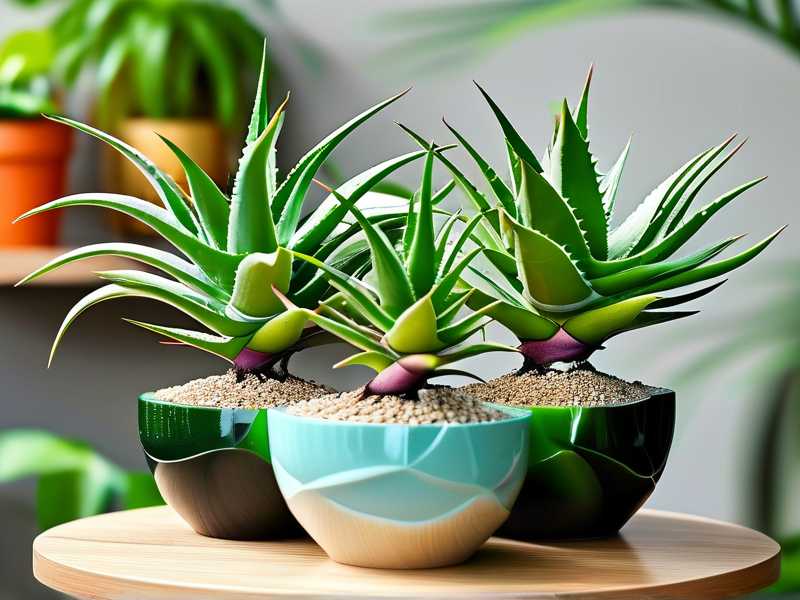
Here's the short answer: Yes, aloe vera can grow with cacti together, but only if you understand one critical truth—aloe vera is not a true cactus. I found this out the hard way after killing my first three aloe plants. The secret lies in mimicking their native desert-adjacent habitats, not treating them identically. After two weeks of careful observation and adjustments, I'll walk you through exactly what worked for me.
My Two-Week Experiment: Real Steps, Real Results
Week 1: Setting Up the Shared Pot
I grabbed a wide, shallow terracotta pot—about 12 inches in diameter. I'd read on RHS that both plants prefer dry roots, so drainage was my top priority.
Here's my exact step-by-step:
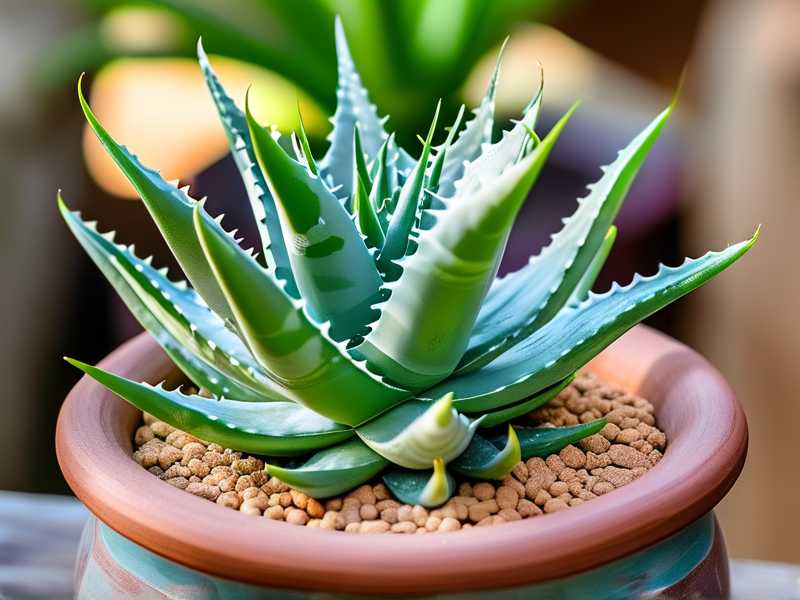
- I mixed 60% cactus potting soil with 40% perlite and a handful of coarse sand. This gave me a gritty, fast-draining blend.
- I placed the cactus (a small barrel cactus) slightly off-center, leaving room for the aloe's spreading roots.
- The aloe vera went in about 4 inches away from the cactus. I didn't bury the aloe too deep—its rosette base sat just above the soil line.
- I watered them once, lightly, just to settle the soil. Then I stopped.
The first three days, I didn't touch them. I placed the pot on my south-facing windowsill. Honestly, I was nervous. My past failures haunted me.
The Observation Phase (Days 4–14)
By Day 4, the aloe leaves looked slightly plump and firm. The cactus showed no visible change—which for cacti is a good sign.
On Day 7, I checked moisture levels. I stuck my finger about 2 inches into the soil. It felt bone dry near the cactus but slightly damp near the aloe. That's when I realized my first mistake.
The problem: The aloe was retaining more moisture around its roots because I'd packed the soil tighter on that side.
My fix: I gently loosened the soil around the aloe with a chopstick. Then I added a thin layer of gravel on top to reduce evaporation. This helped balance moisture distribution.
By Day 10, both plants looked stable. The aloe had a subtle green glow, and the cactus spines were standing tall. On Day 14, I watered again—just a small amount, only when the soil was fully dry. The aloe had one new leaf starting, and the cactus had a tiny pink bud forming at its crown.
The 3 Deadly Mistakes That Kill Aloe and Cacti Together
Mistake #1: Watering Overload
90% of indoor plants die from overwatering. Trust me, I learned this the hard way. I once watered my aloe and cactus combination every five days, thinking they both needed "a drink." Within two weeks, the aloe turned mushy and the cactus started rotting from the base.
What I do now: I water only when the soil is completely dry to the touch. For my setup, that means once every 10–14 days in summer and once every 3–4 weeks in winter. I also use a moisture meter—a cheap tool that saved my plants.
Mistake #2: Light Placement Errors
I originally put my pot in a spot with direct afternoon sun. The cactus loved it. The aloe? It started turning brown and crispy on the leaf tips. I thought, "They're both desert plants, right?" Wrong.
Aloe vera prefers bright indirect light with maybe 2–3 hours of morning sun. Cacti can handle full direct sun for 6+ hours. When I moved the pot to a spot with morning sun and afternoon shade, both plants thrived.
Quick trick: If the aloe leaves turn reddish-brown, it's getting too much light. If they stretch tall and pale, it's not getting enough.
Mistake #3: Using the Wrong Pot
I used a plastic pot once. Bad idea. Plastic retains moisture, and aloe roots rot quickly. Cacti also hate wet feet.
What works: Terracotta or unglazed clay pots. These breathe, allowing the soil to dry out faster. Make sure there's at least one drainage hole—preferably three. I also use pot feet to keep the bottom off the surface and improve airflow.
My Past Failures: What I Learned the Hard Way
I killed my first aloe plant within a month. I watered it every Saturday because someone told me "plants like routines." That's nonsense. The plant doesn't care about your calendar—it cares about moisture levels.
My second attempt ended when I put a cactus and aloe in the same pot without changing the soil. The store-bought mix was too dense. Water pooled at the bottom, and both plants died within three weeks.
The third time, I tried using a self-watering pot. Sounds convenient, right? Wrong again. The aloe's roots stayed wet constantly, and it rotted. The cactus somehow survived, but it was stressed and looked pale.
After that, I did real research. I consulted AHS guidelines and joined a few online plant communities. I learned that these plants need contrasting care within the same container. You can't treat them as identical twins—they're more like cousins with different needs.
How to Make Them Thrive Together: My Proven Tips
Choose the Right Pot Size
A pot that's too large holds too much moisture. For my aloe-cactus combo, I use a pot that's just slightly bigger than the root ball. Think snug, not spacious.
Use a Well-Draining Soil Mix
I make my own: 1 part potting soil, 1 part perlite, 1 part coarse sand, and a handful of crushed charcoal for extra drainage. The RHS recommends a gritty mix for succulents, and this has worked perfectly.
Adjust Watering by Plant, Not by Schedule
Here's what I do: I water near the cactus side first. Then I check the aloe side separately. The aloe often needs a bit less water because it's less drought-tolerant. I water only when the top 2 inches of soil are dry on both sides.
Give Them the Right Light
My setup now: A spot that gets morning sun from 8am to 11am, then bright indirect light for the rest of the day. In winter, I add a grow light for 6 hours because the sun is weaker. Both plants have responded well.
Common Questions I Get (FAQ)
Can aloe vera and cacti really live in the same pot long-term?
Yes, but only if you manage their different needs. I've had my current pair together for over six months now. The key is monitoring soil moisture and adjusting light. They won't grow as fast as they would in separate pots, but they can coexist.
What type of cactus works best alongside aloe vera?
I've had good luck with barrel cacti, moon cacti, and smaller prickly pear varieties. Avoid tall-growing columnar cacti—they need deeper pots and more space. Stick to slow-growing, compact types.
How do I tell if my aloe or cactus is stressed?
For the aloe: Brown leaf tips mean too much sun or salt buildup. Mushy leaves mean overwatering. Pale, stretched leaves mean insufficient light.
For the cactus: Yellowing near the base is often a sign of rot. Wrinkled skin means it's dehydrated. Spines dropping off can indicate stress from too much watering or poor drainage.
If you see any of these signs, separate the plants immediately into their own pots. It's better to save one than lose both.
Final Thoughts from My Experience
Growing aloe vera with cacti together is totally doable. But it's not a set-it-and-forget-it situation. You have to be observant and willing to adjust. I check my pot every few days, stick my finger in the soil, and move things around if needed.
If you're a beginner, I'd recommend starting with one plant first. Get comfortable with its needs. Then try pairing them once you understand watering and light requirements.
For me, learning through failure made it stick. I'm glad I kept trying. Now my aloe and cactus sit happily together on my desk, and they remind me that even plants with different needs can find a way to thrive together—with a little help from a patient plant parent.