bluename
 Aloe Vera Leaf Spot Disease: Identification and Treatment
I killed my first three aloe plants before I finally figured out what was wrong. The brown spots kept appearing, the leaves turned mushy, and I felt like a total failure as a plant parent. Here's the hard truth I learned: aloe vera leaf spot disease is almost always caused by overwatering. If you see soft, water-soaked spots that turn dark brown or black, stop watering immediately. I'll show you exactly how I fixed it in 2 weeks.
What Is Aloe Vera Leaf Spot Disease?
Aloe vera leaf spot disease isn't just one thing. It's a collection of fungal and bacterial infections that attack the leaves. The most common culprits are Alternaria, Fusarium, and bacterial soft rot. Let me tell you, I learned the hard way that these pathogens love wet conditions.
The spots start small. They look like tiny water stains at first. But give them a few days, and they expand into ugly brown or black lesions. The leaves might feel soft and squishy. In severe cases, the entire leaf collapses.
I remember the first time I saw it. I thought my aloe just needed more water. I drenched it. That was my biggest mistake.
The 3 Deadly Mistakes New Aloe Owners Make
Mistake 1: Overwatering
Let me be brutally honest. 90% of indoor plants die from overwatering. For aloe vera, this number might even be higher.
I used to water my aloe every three days. I thought I was being a good plant parent. In reality, I was drowning it. Aloe vera is a succulent. It stores water in its leaves. It doesn't need frequent watering.
Here's what I do now. I stick my finger two inches into the soil. If it feels damp, I wait. If it's bone dry, I water. Simple as that.
Mistake 2: Wrong Light Exposure
Aloe vera loves bright, indirect light. But I put mine in a dark corner. Or I put it in direct afternoon sun. Both were terrible.
I tried placing my aloe on a south-facing windowsill. Big mistake. The leaves got sunburned. They turned reddish-brown and developed white spots. I thought it was disease. It was just too much light.
Then I moved it to the bathroom. No windows. The plant nearly died.
The sweet spot? East-facing window with morning sun. Or a few feet away from a south window. That's where my aloe thrived.
Mistake 3: Wrong Pot and Soil
Standard potting soil kills aloe vera. I learned this after killing my fourth plant.
Regular soil holds too much moisture. The roots suffocate. Then they rot. Then the leaves get spots.
I now use a cactus and succulent mix. But even that wasn't enough. I added extra perlite. About 30% perlite and 70% cactus mix. This creates sharp drainage.
The pot matters too. I tried a pretty ceramic pot with no drainage hole. Big mistake. Water pooled at the bottom. The roots sat in water. Within a week, brown spots appeared.
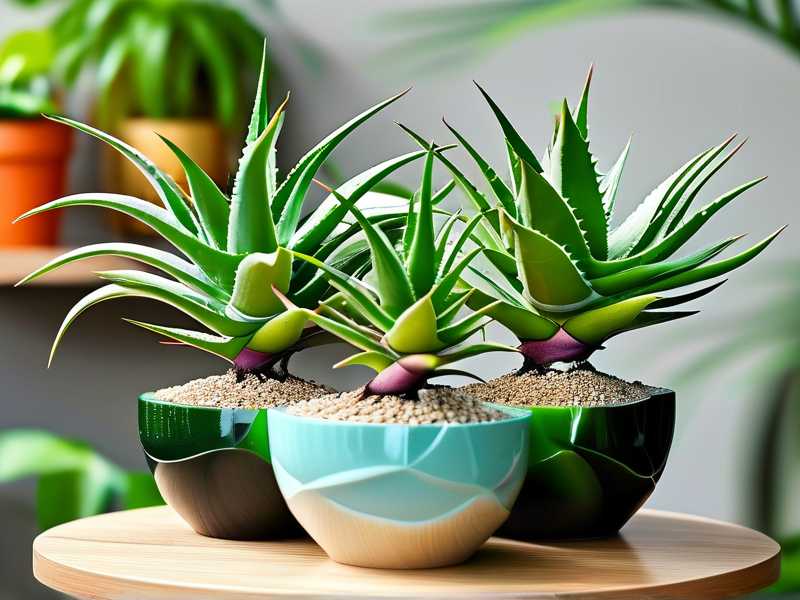
Now I only use terracotta pots with drainage holes. Terracotta breathes. It wicks moisture away from the roots. My aloe has never been happier.
My Step-by-Step Treatment Protocol
I documented everything during my 2-week treatment. Here's exactly what I did.
Day 1: Diagnosis and First Intervention
I saw the spots. They were dark, slightly sunken, and the leaf felt soft near the base. I knew it was leaf spot disease.
First, I stopped watering. Completely. No exceptions.
I removed the plant from its pot. The roots were brown and mushy. Healthy aloe roots should be white and firm. I had root rot.
I trimmed all damaged roots with clean scissors. I cut about an inch above any rot. It felt drastic. But it was necessary.
Then I removed the affected leaves. I used a sharp, sterilized knife. I cut at the base, close to the stem. I disposed of those leaves far away from my other plants.
I let the remaining plant sit out for 24 hours. This allowed the cut ends to callous over. This step is crucial. I skipped it once and got an infection in the cuts.
Day 3: Repotting and Fungicide Application
The cuts had dried and calloused. Time to repot.
I got fresh cactus mix with extra perlite. I used a terracotta pot that was only slightly larger than the root ball. Big pots hold too much moisture.
I sprinkled cinnamon powder on the cut areas. Cinnamon is a natural fungicide. I learned this from a fellow plant enthusiast. It works surprisingly well.
I planted the aloe at the same depth it was before. Burying too deep invites rot.
I didn't water. Not a single drop. The plant had enough moisture in its leaves.
Day 5: First Signs of Improvement
I checked daily. The remaining leaves looked firmer. The spots stopped spreading.
I kept the plant in bright indirect light. Morning sun for 3 hours, then shade the rest of the day.
No water yet. I was tempted. But I resisted.
Day 7: First Watering
One full week without water. The soil was completely dry. The pot felt light.
I watered thoroughly. I mean, I poured water until it ran out the drainage hole. But I made sure no water sat in the saucer.
The leaves perked up within hours. It was incredible.
Day 10: Continued Monitoring
No new spots appeared. The existing spots had dried out. They looked like scars now.
I rotated the pot every few days. This ensures even light exposure.
I checked the soil moisture daily. Still using the finger test.
Day 14: Results
Here's what I saw after two weeks: new growth. A tiny leaf was pushing up from the center. It was firm, green, and spot-free.
The old damaged leaves had dried completely. I left them on the plant for now. They provide some energy storage.
The root system had recovered. I could see white roots through the drainage hole.
I learned something important. Aloe vera is resilient. Give it the right conditions, and it will bounce back.
How to Prevent Aloe Vera Leaf Spot Disease
Prevention is easier than treatment. Trust me, I've done both.
Watering schedule: I water my aloe every 2-3 weeks in summer. Every 4-6 weeks in winter. This varies by climate. In humid areas, water less. In dry areas, water more.
Proper drainage: Always use pots with drainage holes. Add gravel or perlite to the bottom of the pot.
Good air circulation: Stagnant air promotes fungal growth. I keep a small fan near my plants. Or I crack a window.
Clean tools: I sterilize my scissors and knives with rubbing alcohol between cuts. This prevents spreading disease.
Quarantine new plants: Every new aloe goes into isolation for 2 weeks. I watch for spots before introducing it to my collection.
Avoid wetting leaves: I water the soil, not the leaves. Water sitting on leaves invites fungal infections.
According to RHS, "Aloe vera is generally trouble-free if given the correct growing conditions." That's exactly right. Get the conditions right, and the disease stays away.
Common Misconceptions About Aloe Leaf Spot Disease
I believed all of these at some point. Let me save you the trouble.
"More water fixes everything" – False. It's usually the opposite.
"Brown spots mean pest infestation" – Not always. Leaf spot disease looks different. Pest damage has small holes or webbing.
"Sunburn and disease look the same" – Sunburn causes uniform discoloration. Disease causes irregular, spreading spots.
"You can save any aloe" – Sometimes the rot is too advanced. I lost one plant completely. The stem was completely black inside.
"Fungicide spray is always needed" – Often, correcting care is enough. Fungicide is a last resort.
When to Seek Professional Help
Some situations need expert advice. The RHS plant health service can identify specific pathogens. They offer diagnostic services for serious cases.
I reached out once when I couldn't identify a strange powdery spot. It turned out to be powdery mildew, not leaf spot. Different treatment entirely.
If your aloe shows:
- Rapid spreading of spots
- Foul smell from the soil
- Complete collapse of the plant
- Spots with yellow halos
Consider getting a professional diagnosis. The AHS provides online resources for disease identification.
Expert Insights on Aloe Care
I found some research that changed my approach. Did you know aloe vera has natural antifungal properties in its gel? But that doesn't make it immune to disease.
According to a study from the University of Florida, aloe vera leaf spot disease is most common in nurseries with overhead irrigation. The water splashes onto leaves, spreading pathogens.
The RHS recommends spacing plants well apart. This reduces humidity around individual plants. I now keep my aloes at least 6 inches apart.
AHS experts suggest that stressed plants are more susceptible. Stress comes from improper watering, poor light, or nutrient imbalance. Keep your aloe happy, and it fights off disease naturally.
The Long-Term Perspective
After two weeks, I saw improvement. But full recovery took months. The damaged leaves never completely healed. They remained scarred.
I eventually trimmed those scarred leaves. It took about 3 months for the plant to look good again. But that new growth was pristine.
The most important lesson? Patience. Aloe vera grows slowly. You can't rush recovery.
I still check my plants daily. Not obsessively, but I glance at them. I look for early signs. I've caught potential problems before they spread.
Honestly, my plant care routine is simpler now. Less is more. That's the biggest takeaway.
Frequently Asked Questions
Can I use the damaged leaves for aloe gel?
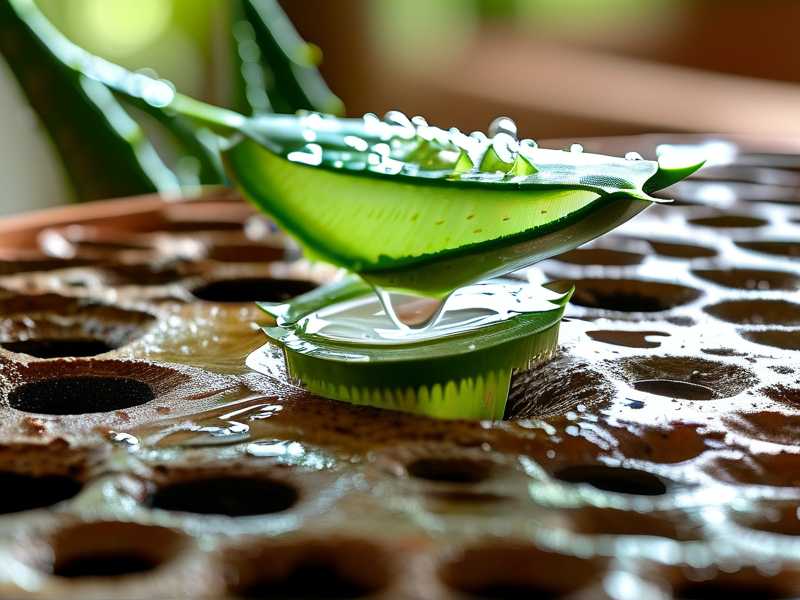
No. The spots indicate infection. The gel inside might be contaminated. I learned this after trying to salvage a spotted leaf. The gel had a strange smell. I threw it away. Only use healthy, spot-free leaves.
Will the spots spread to other plants?
Yes. Leaf spot disease can spread through water splashes, contaminated tools, or even your hands. I kept my infected aloe away from my snake plant and pothos. I washed my hands after touching the diseased plant. Prevent cross-contamination.
Should I cut off all affected leaves?
Not all. Only remove leaves that are more than 50% damaged. Leaves with small spots can stay. They still photosynthesize and provide energy. I removed about 30% of my plant's leaves. It was enough. Removing everything would have killed the plant.
Aloe vera leaf spot disease feels scary. I know. I've been there. But it's manageable. You just need to act fast and stay consistent.
The biggest lesson I learned? Listen to your plant. When I stopped forcing my care routine onto my aloe, it started thriving. Those brown spots? They're just symptoms of something deeper. Fix the root cause, and the spots disappear.
Start with less water. That's where everyone goes wrong. Check your pot and soil. Give it proper light. Do these three things, and you'll avoid 90% of aloe problems.
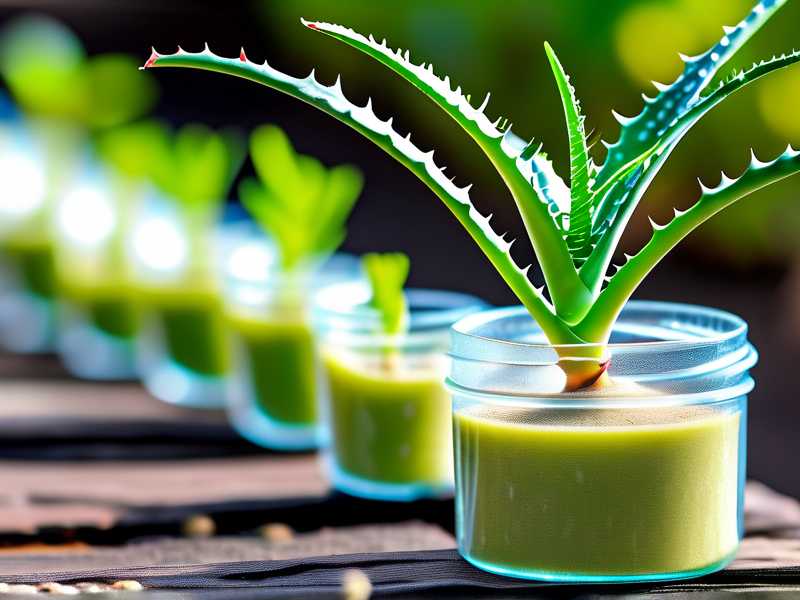
My aloe has been spot-free for six months now. It's pushing out new pups. I'm propagating them for friends. And every time someone asks why their aloe looks sick, I tell them the same thing: check your watering. It's almost always the water.
Honestly, I'm grateful for those early failures. They taught me more than any book or article could. Now I know exactly what my plants need. And they tell me when something's wrong. I just had to learn their language.