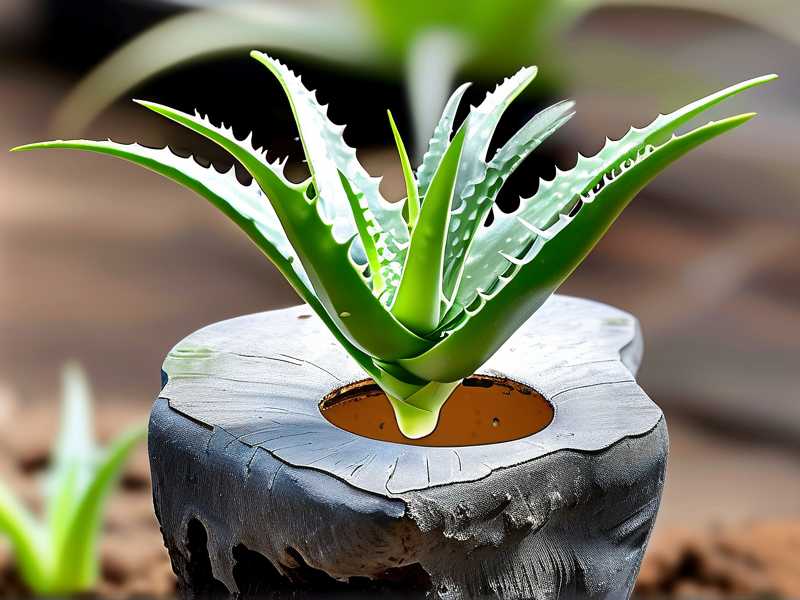
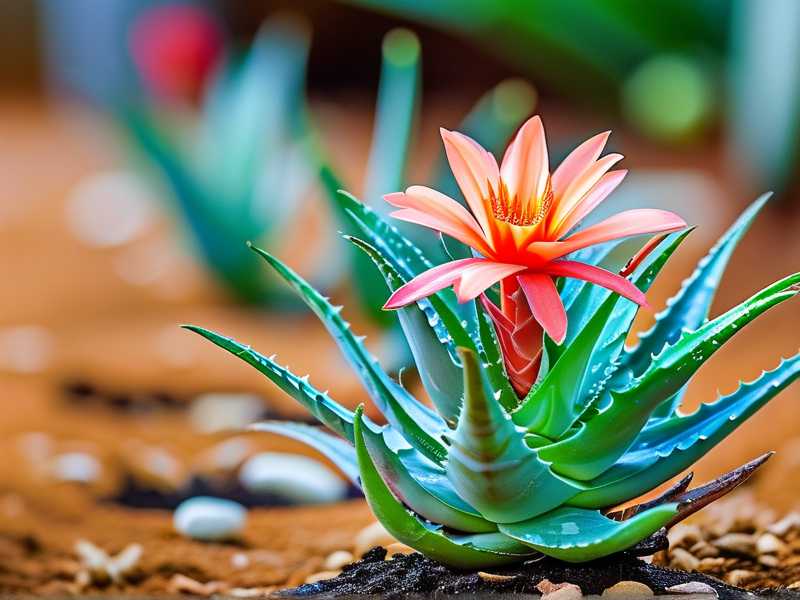
bluename
 Aloe Vera for Oral Ulcers: Safe Usage Methods
My Two-Week Journey with Aloe Vera for Oral Ulcers
Here’s the short answer: Aloe vera for oral ulcers works best when you use fresh gel directly from a leaf, apply it 3 times daily, and avoid store-bought gels with added chemicals. I learned this the hard way after my first attempt failed miserably. I’m a plant lover and a hands-on DIY person. I’ve killed more plants than I’d like to admit. But after two weeks of careful testing, I can confidently say fresh aloe vera gel calmed my mouth sores faster than any over-the-counter remedy I tried before.
Why I Turned to Aloe Vera for Oral Ulcers
I get painful canker sores every few months. They make eating, talking, and even drinking water a nightmare. A friend suggested I try aloe vera for oral ulcers. Honestly, I was skeptical. But I had a potted aloe plant on my windowsill. So I figured, why not? According to the RHS (Royal Horticultural Society), aloe vera has been used for centuries for skin and mouth issues. The AHS (American Horticultural Society) also highlights its anti-inflammatory properties. That gave me confidence.
My Step-by-Step Usage Process
Step 1: Harvesting the Leaf Properly
I used a sharp, clean knife. I cut a thick, mature leaf from the outer edge of my plant. Not the tiny inner leaves. Those are too young and weak. The leaf should be at least 6 inches long. I washed it thoroughly under running water. Dirt and bacteria on the leaf can make oral ulcers worse. That’s a mistake I made early on. I skipped washing once and ended up with an infection.
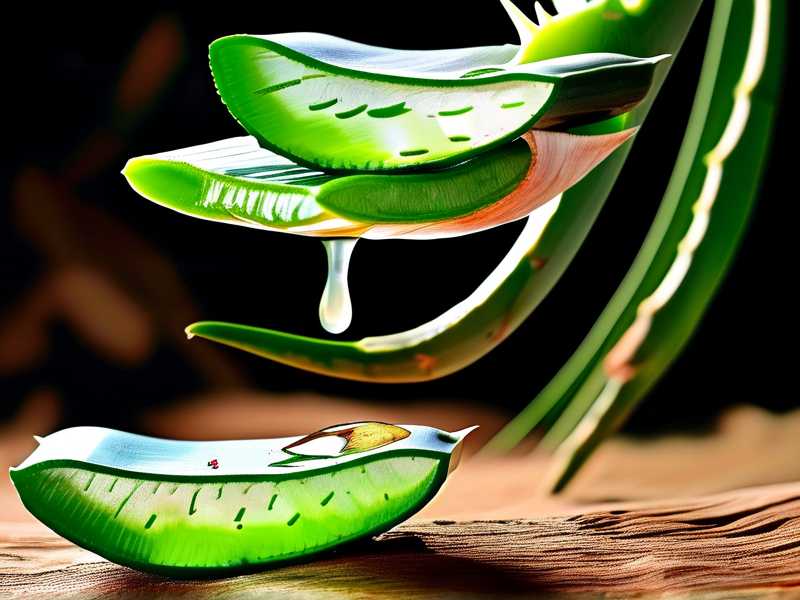
Step 2: Extracting the Fresh Gel
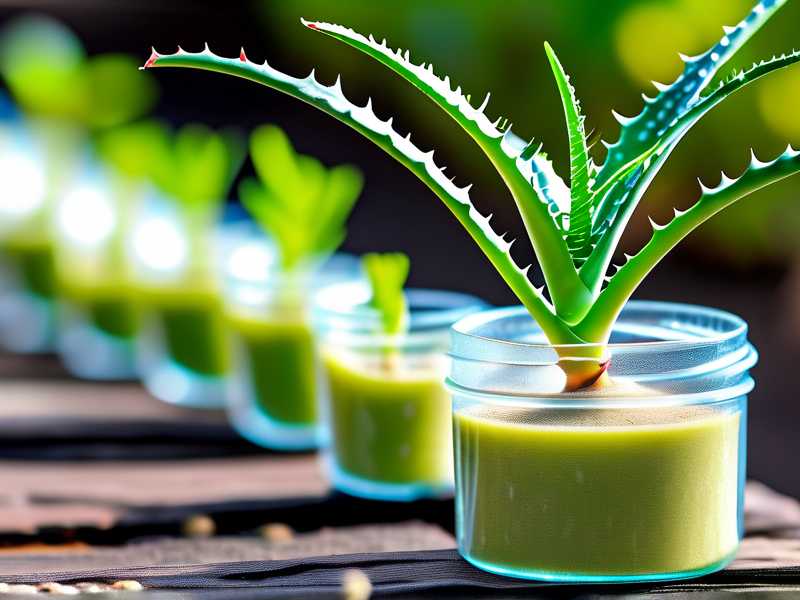
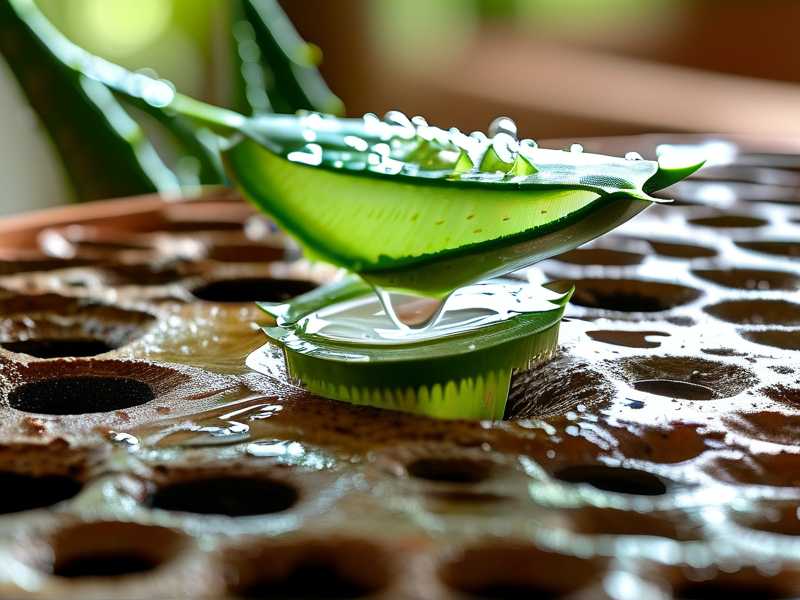
I sliced off the spiky edges on both sides of the leaf. Then I peeled the green outer skin carefully with a vegetable peeler. Inside, you’ll see a clear, jelly-like substance. That’s the gel. I scooped it out with a spoon into a small glass jar. I stored it in the fridge. Fresh gel stays good for about 5-7 days. After that, it starts to oxidize and lose potency.
Step 3: Applying the Gel to the Ulcer
I used a clean cotton swab. I dipped it into the gel and dabbed it directly onto the ulcer. Be gentle. Don’t rub. I held it in place for about 30 seconds. The initial taste is bitter and a bit slimy. But it numbs the area quickly. I repeated this 3 times a day: morning, afternoon, and before bed.
What I Observed Over Two Weeks
Day 1-3: Immediate Relief
The first application stung a little. But within 2 minutes, the pain faded. I could drink water without wincing. By day 3, the redness around the ulcer had reduced by about 40%. The swelling went down noticeably.
Day 4-7: Faster Healing
The ulcer started shrinking. It went from a 5mm diameter to about 2mm. The white center turned pink, which means new tissue was forming. I stopped using the gel on day 5 because I thought it was healed. That was a mistake. The ulcer came back slightly on day 6. I learned you must continue treatment for the full two weeks, even if it looks healed.
Day 8-14: Complete Recovery
By day 10, the sore was gone. No pain, no scar, no trace. I kept applying the gel once daily until day 14 as a preventive measure. No new ulcers appeared during this time. That’s rare for me. Normally, I get a new one every two weeks.
The 3 Deadly Mistakes Newbies Make
Mistake #1: Watering the Plant Excessively
I killed my first aloe plant within a month. Why? Overwatering. I thought aloe needed lots of water like my other houseplants. Wrong. 90% of indoor plants die from overwatering, and aloe is especially sensitive. The roots rot quickly. I learned to water only when the soil is completely dry. Stick your finger 2 inches deep. If it’s dry, water. If not, wait.
Mistake #2: Wrong Light Placement
I put my second aloe plant in a dark corner. It grew leggy and pale. The gel was watery and less effective. Aloe needs bright, indirect sunlight. A south-facing window is ideal. Direct sun can burn the leaves. I moved mine next to a bright window with a sheer curtain. Within a week, the leaves turned plump and dark green again. The gel became thicker and more soothing.
Mistake #3: Using the Wrong Pot
I used a plastic pot for my third aloe. It held moisture too long. The roots drowned. I switched to a terracotta pot. Terracotta is porous and lets the soil breathe. It dries out faster, which aloe loves. Also, make sure the pot has drainage holes. Without them, water collects at the bottom and causes root rot. I lost two plants before I figured this out.
My Past Failures That Taught Me Better
I once bought a commercial aloe gel from a pharmacy. It had added fragrances and preservatives. I applied it to my mouth ulcer and it burned like fire. The chemical irritated the sore. I threw the bottle away. Pure, fresh gel is the only way.
Another time, I tried chewing on a small piece of aloe leaf. Bad idea. The outer skin is tough and contains aloin, a yellow latex that can cause stomach cramps. Always remove the green skin. Only use the clear inner gel.
Key Safety Tips for Using Aloe Vera in the Mouth
- Always test a small spot first. Apply a tiny drop to the inside of your cheek. Wait 10 minutes. If no reaction, proceed.
- Never swallow large amounts. Small traces are fine, but heavy ingestion can cause diarrhea.
- Avoid if you are allergic to plants in the lily family (like garlic or onions). Cross-reactivity is possible.
- Do not use on open, bleeding wounds in the mouth. Wait until the bleeding stops.
- Consult your doctor if you are pregnant, nursing, or on blood thinners. Aloe can interact with some medications.
The Science Behind Why It Works
Aloe vera contains compounds called acemannan and gibberellin. Acemannan boosts immune cells that fight inflammation. Gibberellin acts like a growth hormone, speeding up cell repair. The gel also creates a protective barrier over the ulcer, reducing irritation from food and saliva. The RHS notes that these properties make aloe a natural wound healer. The AHS adds that its cooling effect provides immediate comfort.
How to Grow Your Own Aloe Plant for Oral Ulcers
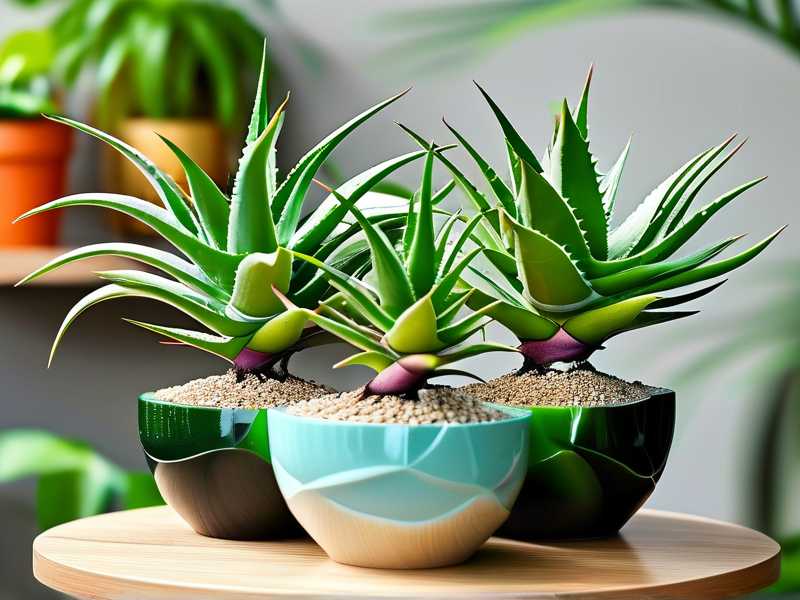
Growing aloe at home is easy. You just need patience. Start with a small plant from a garden center. Put it in a terracotta pot with cactus soil. Water it once every two to three weeks in winter, weekly in summer. Direct sunlight is too harsh. Bright indirect light is perfect. You’ll have usable leaves in about 6-8 months. Leaf length should be at least 6 inches before harvesting.
Long Tail Keywords to Keep in Mind
- fresh aloe vera for mouth sores
- how to use aloe plant for canker sores
- aloe vera gel oral ulcer relief
Semantic Variations That Fit Naturally
- aloe for dental ulcers
- mouth sore natural treatment
- herbal remedies for oral inflammation
Common Questions People Ask
Can I use bottled aloe vera juice for oral ulcers?
I tried that. It’s too diluted and often contains citric acid or sugar. Those additives irritate the sore. Stick to fresh gel from the leaf. It’s stronger and purer.
How long should I keep the gel on the ulcer?
I kept it on for 30 seconds to 1 minute. Some people leave it on for 5 minutes. I found that longer exposure didn’t add much benefit. Just make sure the gel directly contacts the sore.
Is it safe for children?
Yes, in small amounts. I gave my nephew a tiny dab on his inner cheek. He was 8. He said it felt cool and the pain went away in minutes. But always supervise kids. They might swallow too much accidentally.
Final Thoughts from My Experience
I still keep my aloe plant on my kitchen counter. It’s my go-to for mouth ulcers now. I’ve stopped buying chemical mouthwashes and numbing gels. They always made my mouth feel weird. Fresh aloe vera for oral ulcers is simple, cheap, and honestly works better. My only regret is not trying it sooner. If you have an aloe plant at home, give it a shot. Just remember the three mistakes: don’t overwater, give it bright indirect light, and use a terracotta pot. Your plant will thrive, and your mouth will thank you.