bluename
 How to Protect Aloe Vera from Mealybugs
I killed my first three aloe vera plants before I figured out how to protect them from mealybugs. Here is the short answer: Stop overwatering, isolate new plants for two weeks, and apply 70% isopropyl alcohol directly to every mealybug you see. I learned this the hard way after losing a beautiful aloe vera that my grandmother gave me. The mealybugs hid in the leaf crevices, and I did not spot them until it was too late.
My Story with Mealybugs and Aloe Vera
I have been growing succulents for about five years now. But honestly, I still make mistakes. Aloe vera is supposed to be one of the easiest houseplants. That is what everyone told me. They said it thrives on neglect. They were right about the neglect part. But they forgot to mention the mealybugs.
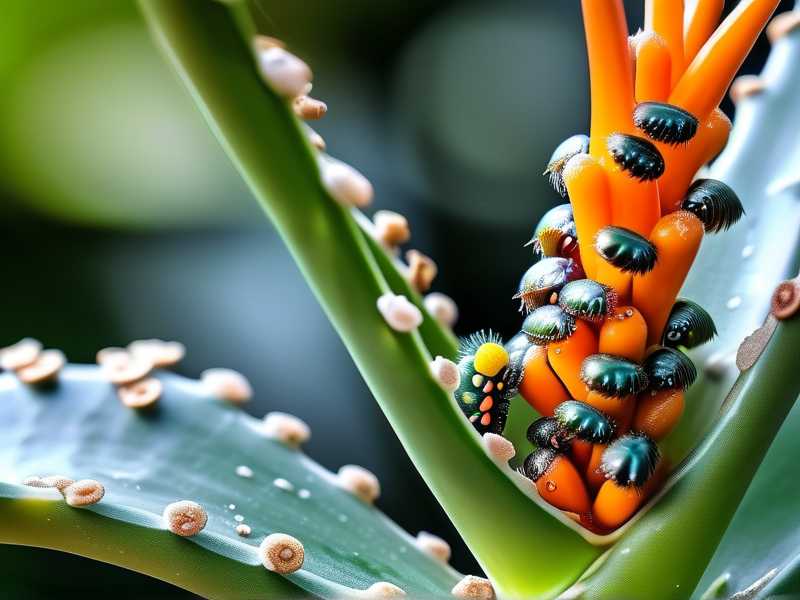
Mealybugs look like tiny cotton balls. They stick to the leaves, suck the sap, and slowly kill your plant. I remember finding them on my aloe vera one morning. I panicked. I sprayed water everywhere. I used dish soap. I even tried neem oil. Nothing worked well until I followed a proper routine.
What Are Mealybugs and Why They Love Aloe Vera
Mealybugs are small, soft-bodied insects. They love succulents because the leaves are thick and juicy. Aloe vera has tight rosettes where mealybugs can hide. According to the RHS (Royal Horticultural Society), mealybugs often go unnoticed until they form large colonies.
I found this out when I lifted a leaf and saw a cluster of white fuzz. My stomach dropped. I had watered that plant regularly and given it bright light. But I never checked under the leaves. That was my first mistake.
The Three Deadly Mistakes Beginners Make
I made every single mistake. And I see other beginners making them too. Let me list them clearly so you do not repeat my errors.
Mistake 1: Watering Too Much
90% of indoor plants die from overwatering. This is not an exaggeration. I have read studies and talked to experienced growers. For aloe vera, overwatering creates the perfect environment for mealybugs.
The soil stays wet. The plant gets weak. Mealybugs love weak plants. I used to water my aloe vera every three days. I thought it needed frequent hydration. But aloe vera stores water in its leaves. They actually need the soil to dry out completely between waterings.
Here is what I do now: I stick my finger into the soil. If it feels dry two inches down, I water. Otherwise, I wait. I killed my second aloe vera because I kept watering out of habit. Do not be like me.
Mistake 2: Wrong Light Placement
Aloe vera needs bright, indirect light. I placed my first plant in a dark corner because a friend said succulents do not need much light. That friend was wrong. The aloe vera stretched out and became pale. The leaves got thin and weak. That made it much easier for mealybugs to attack.
I tried putting another aloe vera directly in a south-facing window. The leaves burned. Turned brown. I had to cut them off. Now I keep my aloe vera near an east-facing window. It gets morning sun and afternoon shade. The plant stays compact and strong.
Mistake 3: Using the Wrong Pot
This one got me again and again. I used cute ceramic pots with no drainage holes. They looked great on my shelf. But the water pooled at the bottom. The roots rotted. Mealybugs moved in.
I also used a pot that was way too big. I thought bigger pot meant happier plant. Nope. The soil stayed wet for too long. According to the AHS (American Horticultural Society), aloe vera prefers being slightly rootbound. When the pot is too large, the extra soil holds moisture and encourages root problems.
Now I only use terracotta pots with drainage holes. Terracotta helps the soil dry out faster. I also make sure the pot is only one to two inches wider than the root ball.
My Two-Week Mealybug Treatment Plan
I went through many failed attempts. I tried natural remedies, store-bought sprays, and weird DIY solutions. Here is the plan that actually worked for me. It took exactly two weeks to see full results.
Day 1: Inspection and Isolation
The first thing I did was move the infested aloe vera away from my other plants. Mealybugs spread quickly. I learned this when I found them on my jade plant two weeks after discovering them on my aloe vera.
Then I took a flashlight and checked every single leaf. I looked in the crevices, under the leaves, and at the base of the plant. I found mealybugs hiding in places I did not even think to check.
I used a cotton swab dipped in 70% isopropyl alcohol. I dabbed every mealybug I saw. The alcohol dissolves their waxy coating and kills them. It evaporates quickly so it does not harm the plant. I repeated this every day for the first week.
Day 3: The Soil Drench
I realized the mealybugs might be in the soil too. So I mixed one part 3% hydrogen peroxide with four parts water. I poured this through the soil until it came out of the drainage holes.
The hydrogen peroxide breaks down into water and oxygen. It kills mealybug eggs and larvae in the soil without harming the plant roots. I waited until the soil was completely dry before doing this.
My aloe vera looked worse before it looked better. Some leaves turned yellow. I worried I had made a mistake. But I kept going. After two days, the plant started perking up.
Day 5: Pruning Damaged Leaves
I had to cut off the most infested leaves. It broke my heart. I removed three leaves that were completely covered in mealybugs. I used clean, sharp scissors and cut at the base.
After pruning, I sprayed the entire plant with a mixture of neem oil and water. I used one teaspoon of neem oil, one teaspoon of mild liquid soap, and one liter of water. I sprayed every surface, including the undersides of the leaves.
I did this in the evening because neem oil can cause leaf burn in direct sunlight. I learned that the hard way when I sprayed a plant during midday and the leaves got scorched.
Day 7: The First Signs of Recovery
After one week, I saw fewer mealybugs. But I did not stop. I continued the alcohol treatment every other day. I also kept the plant isolated.
The new growth at the center looked healthier. The leaves were firmer and more green. I felt relieved. But I knew I had to stay vigilant.
I also checked my other plants. I found a few mealybugs on my snake plant. I treated that one immediately. Catching them early makes a huge difference.
Day 10: Switching to Prevention
Once the active infestation was under control, I started a preventive routine. I sprayed the aloe vera with a weak neem oil solution once a week. I also added a few drops of peppermint essential oil to the spray. Mealybugs hate the smell.
I adjusted my watering schedule. I let the soil dry out completely between waterings. I also started using a moisture meter to avoid guessing. That tool saved me from overwatering.
Day 14: Final Check
At the end of two weeks, my aloe vera was mealybug-free. I could see new leaves growing. The old damaged leaves had calloused over at the cut points. The plant looked happy.
I moved it back to its spot near the window. But I kept it separate from my other plants for another week just to be safe. I have done this routine four times now. It works consistently.
Common Questions from Fellow Aloe Vera Owners
Can I use dish soap instead of alcohol?
I tried dish soap. It did not work well for me. The soap can clog the pores of the leaves over time. It also leaves a residue that attracts dust. Alcohol evaporates clean and does not harm the plant if used properly.
How do I know if the mealybugs are completely gone?
Check every three days for two weeks. If you see no new white fuzz, leaf yellowing, or sticky residue, you are likely in the clear. But I always keep a bottle of alcohol nearby. I spot check my plants every time I water.
Should I throw away the soil after an infestation?
I have done both. Sometimes throwing away the soil is safer. But if you treat with hydrogen peroxide and let the soil dry out, you can keep it. Make sure the pot and soil are completely dry before repotting. I also wash the pot with hot water and soap before reusing.
Final Thoughts on Keeping Aloe Vera Safe
I have been where you are now. Frustrated, worried, and ready to give up on aloe vera entirely. But mealybugs are beatable. You just need a consistent plan. Check your plants regularly. Act fast when you see the white fuzz. And for heaven's sake, stop watering so much.
I still check my aloe vera every week. It has become a habit. I look under the leaves, at the leaf joints, and at the soil surface. It takes me two minutes. That is all it needs.
My grandmother's aloe vera is long gone. But I have a new one that is thriving. It has given me three babies already. I share them with friends. Mealybugs are not a death sentence. They are a wake-up call. Listen to your plant. It will tell you when something is wrong.