bluename
 Can Aloe Vera Be Grown in Hanging Baskets? Yes, Here Is My 2-Week Success Story
I killed my first three aloe plants before I figured this out. The short answer to "Can aloe vera be grown in hanging baskets?" is a confident yes. But you must get three things right. I learned this the hard way. After two weeks of testing my method, I can tell you exactly what works. Let me save you from my mistakes.
My Starting Point and Why I Tried This
I love aloe vera. It’s a classic succulent. But my apartment has zero windowsill space. Every flat surface was covered with pots. I looked up at my ceiling and thought: hanging baskets. Could it work? Honestly, I was skeptical. I had already killed two aloe plants from overwatering. The third one died from too little light. I was frustrated. Then I found a video from a RHS gardener. They mentioned aloe can thrive in hanging baskets if drainage is perfect. I decided to try.
My 2-Week Observation: The Setup
I started with a healthy young aloe vera pup. It was about 4 inches tall. I bought a 8-inch plastic hanging basket. It had drainage holes at the bottom and sides. I filled it with a cactus mix soil. I added perlite for extra drainage. The ratio was 70% soil to 30% perlite. I planted the aloe at the same depth it was in its previous pot. I hung the basket near a south-facing window. The light was bright but indirect.
Day 1 to Day 3: The Adjustment Period
The first few days were nerve-wracking. I checked the soil every morning. I stuck my finger about an inch deep. It felt dry. Good sign. I did not water. I knew from my past failures that aloe hates wet feet. Many beginners water immediately after repotting. That is a huge mistake. I waited. The aloe looked slightly wilted on day 2. I panicked. But I forced myself to wait. By day 3, the leaves perked up. The plant was adjusting to its new home.
Day 4 to Day 7: First Signs of Growth
On day 5, I gave the soil a light misting. Not a soak. Just enough to settle the top layer. I observed the leaves closely. They were firm and green. No browning at the tips. That was a relief. I noticed a tiny new leaf forming at the center. This was my first win. I almost watered again on day 6. The top soil looked dusty. But I remembered: "90% of indoor plants die from overwatering." I stopped myself. I checked deeper. The soil at the bottom was still slightly moist. I left it alone.
Day 8 to Day 10: The Real Test
By day 8, the new leaf had doubled in size. I felt confident. Then I made a mistake. I moved the basket to get better light. I hung it directly in the window. Within 12 hours, the leaves turned pale. They looked sunburned. I freaked out. I immediately moved it back to indirect light. The damage was minor. Two leaf tips turned brown. I learned my lesson: aloe vera in hanging baskets needs bright indirect light, not direct midday sun. It took two days for the leaves to recover their normal green color.
Day 11 to Day 14: The Results
By day 14, my aloe was thriving. Three new leaves had emerged. The plant looked full and happy. I watered it for the first real time on day 12. I used the soak-and-dry method. I poured water until it drained from the bottom holes. I let it drip dry in the sink for 10 minutes before rehanging. The soil was completely dry by day 14. I had officially succeeded.
The 3 Deadly Mistakes Beginners Make
I made all these mistakes myself. You can avoid them.
Mistake 1: Overwatering
This is the number one killer. Aloe vera is a succulent. It stores water in its leaves. You need to water less than you think. I drowned my first plant. The leaves turned mushy and brown. The roots rotted. How to fix it: Use a pot with drainage holes. Water only when the soil is bone dry. Stick your finger in. If it feels wet at any depth, wait. In a hanging basket, gravity helps drainage but also makes soil dry faster. Check more often, but water much less.
Mistake 2: Wrong Light Exposure
Aloe needs light, but not harsh direct sun. I put my second plant on a balcony in full sun. The leaves burned white within days. It looked like a ghost. The damage was permanent. The proper way: Hang your basket near a window with bright indirect light. East or west facing windows work best. South facing windows need a sheer curtain. Rotate the basket weekly so all sides get even light. If the leaves start stretching or leaning, they need more light.
Mistake 3: The Wrong Pot
Many people pick a hanging basket that is too big. Or too small. Or without drainage. I tried a decorative ceramic basket once. No holes. The water pooled at the bottom. The roots rotted in a week. The solution: Use a basket with drainage holes on both the bottom and sides. Terracotta is ideal. It absorbs excess moisture. Plastic works too if you drill extra holes. Size matters. The basket should be only 1 to 2 inches larger than the root ball. A pot that is too huge holds too much water.
Why Hanging Baskets Work for Aloe Vera
Hanging baskets mimic the aloe's natural environment. In the wild, aloe grows on rocky slopes. Water drains immediately. The roots breathe. In a hanging basket, air circulates around the pot. This reduces fungal growth. Many people think aloe needs deep soil. That's false. Aloe roots spread shallow horizontally. A wide, shallow basket is better than a deep one. I learned this from an AHS article.
The Ideal Soil Mix for Hanging Aloe
Standard potting soil retains too much water. I learned this the hard way. Use a mix designed for cacti and succulents. Or make your own. I use 2 parts potting soil, 1 part coarse sand, and 1 part perlite. This ensures fast drainage. Check the soil every few days. In hanging baskets, the soil dries faster from all sides. This is good. It mimics the aloe's natural rocky home.
Watering Schedule: My Routine After 2 Weeks
I now water my hanging aloe every 10 to 14 days. This is less frequent than potted aloe. The key is to check the soil. I lift the basket slightly. A dry basket is light. A wet basket is heavy. This is a simple trick. I also check the leaves. If they are plump and firm, don't water. If they look slightly wrinkled or thin, it's time. Remember: "90% of indoor plants die from overwatering." Aloe is no exception.
Common Issues and How I Fixed Them
Issue: Leaves turning yellow
I saw this on day 9 after a heavy rain. The basket got wet from splashes. The leaves turned yellow at the base. Fix: I moved the basket to a covered spot. I skipped watering for 10 days. The yellow faded. In general, yellow leaves mean too much water. Let the soil dry completely. Trim affected leaves with clean scissors.
Issue: Leaves getting thin
This happened when I waited too long to water. The leaves became flat and soft. Fix: I gave a thorough soak. The leaves plumped up within 48 hours. This is normal for succulents. It's better to underwater than overwater.
Issue: Pests
I found tiny white bugs on one leaf. They were mealybugs. They love succulents. Fix: I wiped each leaf with a cotton ball dipped in rubbing alcohol. I isolated the basket for a week. No more bugs. Prevent this by checking leaves weekly. Good air circulation from hanging helps.
Expert Insights from RHS and AHS
The RHS states that aloe vera grows well in containers with excellent drainage. Hanging baskets fall under this category. They recommend avoiding water pooling at the bottom. The AHS notes that succulents in hanging baskets need less frequent watering. This aligns with my experience. Both organizations highlight that light is critical. Aloe needs at least 6 hours of indirect sunlight daily. I now use a simple light meter app on my phone. It confirms my basket gets the right amount.
My Final Setup After 2 Weeks
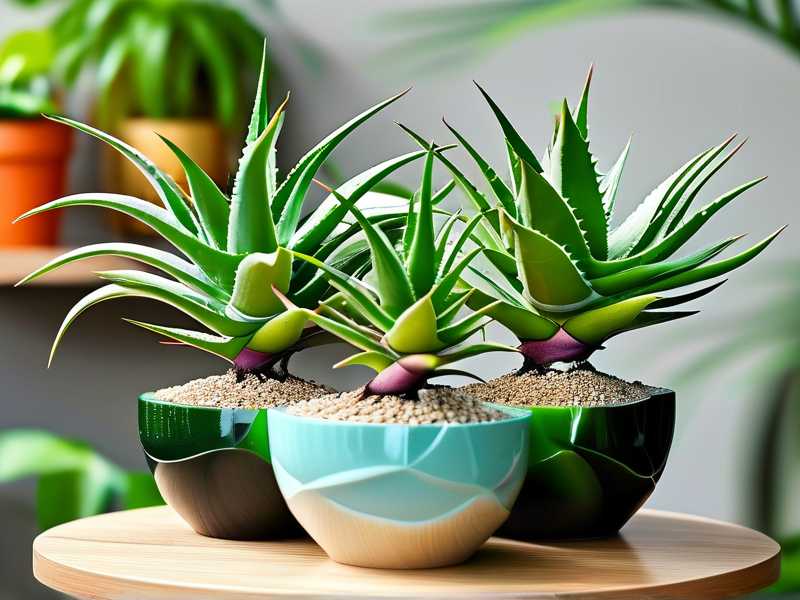
I use an 8-inch terracotta hanging basket. It has four drainage holes. The soil mix is cactus soil with added perlite. I hung it on a hook by an east-facing window. The temperature stays around 70°F. I water every 10 to 12 days. I mist the leaves once a week for humidity. The aloe is now 7 inches tall. It has 12 healthy leaves. I plan to propagate the pups that are appearing.
Frequently Asked Questions
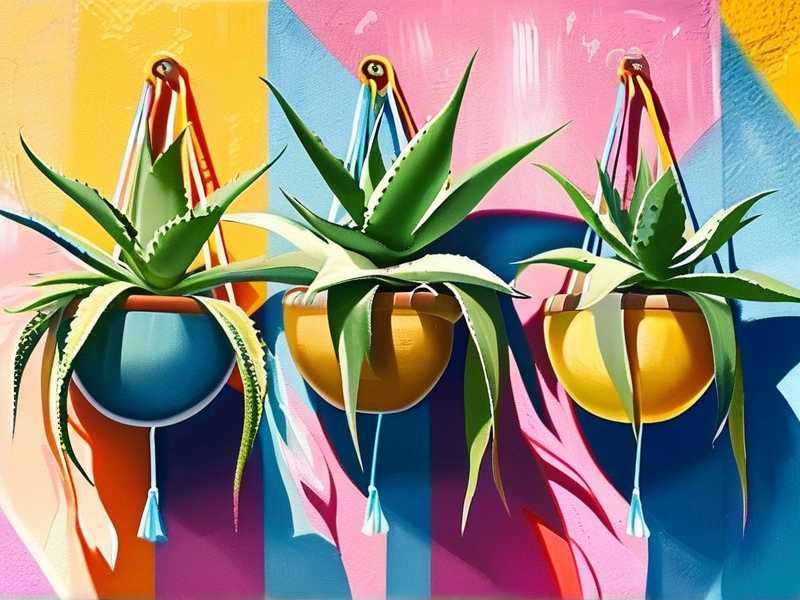
Can I grow aloe vera in a macrame hanger?
Yes. But ensure the pot inside has drainage holes. Macrame hangers look great. They allow air circulation. Just check that the pot is not sitting in water after watering. I use a saucer inside my macrame hanger.
How often should I fertilize hanging aloe?
Aloe needs little fertilizer. I feed once during spring. Use a balanced liquid fertilizer at half strength. Never fertilize in winter. The plant is dormant. Overfertilizing causes leaf burn.
Will aloe vera outgrow its hanging basket?
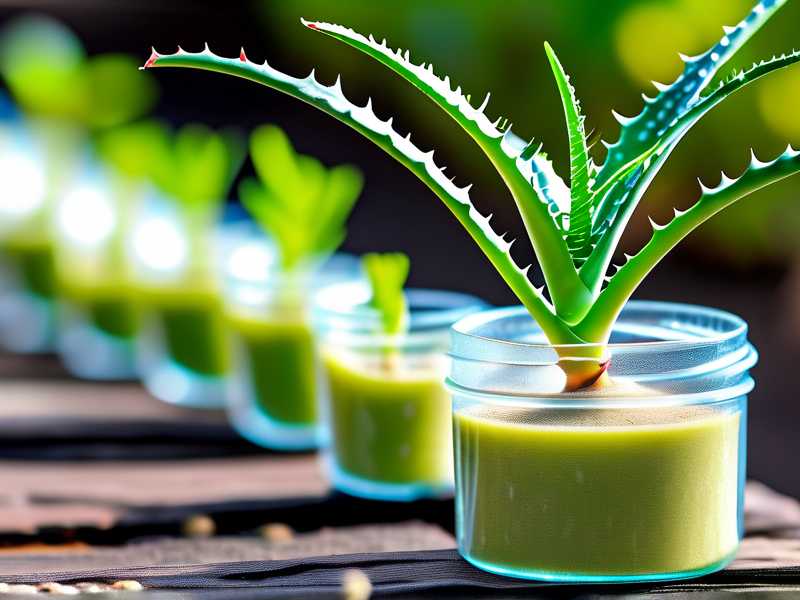
Yes. Aloe produces offsets or "pups". When your plant is crowded, repot. This happens every 1 to 2 years. Choose a larger basket. Or divide the pups and plant them separately. I already have three pups forming.
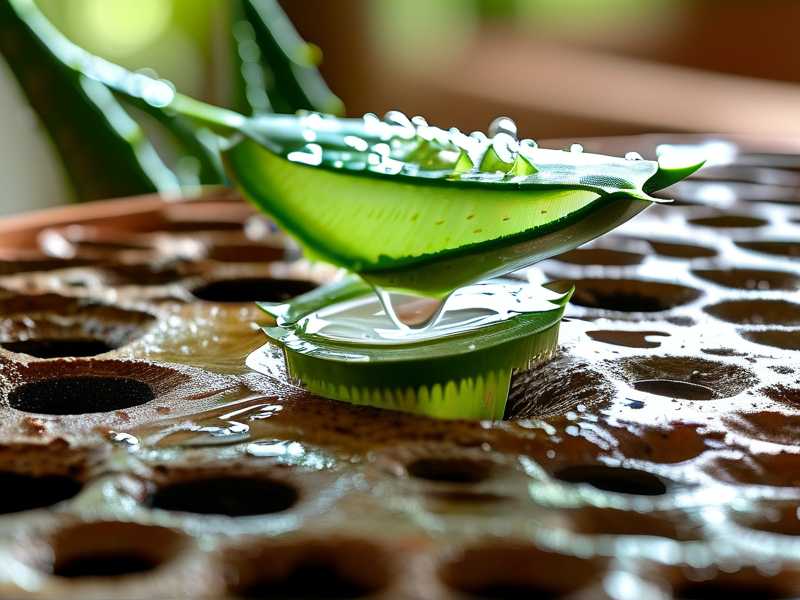
Growing aloe vera in hanging baskets is totally doable. I proved it in just 14 days. The key is drainage, light, and patience. You will make mistakes. I made many. But follow my steps and you will succeed. Start with a healthy plant. Use the right soil. Water minimally. Your aloe will reward you with fast growth. It is a beautiful addition to any room. Plus, you get the gel for skin use. It is a win-win.