bluename
 How to Prevent Aloe Vera Anthracnose: My 2-Week Rescue Plan
If you see black or brown sunken spots on your aloe vera leaves, that is anthracnose. Here is the direct fix: Stop watering immediately, move the plant to bright indirect light, and apply a copper fungicide spray once a week for two weeks. I speak from experience. I killed my first aloe by overwatering, and my second by putting it in direct afternoon sun. This disease is caused by the fungus Colletotrichum gloeosporioides, which thrives in wet, stagnant conditions. Let me share my real steps.
Why Anthracnose Happens: My 3 Deadly Mistakes as a Beginner
Mistake 1: Overwatering (The #1 Killer)
I used to water my aloe every three days. I thought "succulent" meant "needs constant love." I was wrong. 90% of indoor plants die from overwatering, and aloe is especially sensitive. I remember my first aloe: leaves turned soft, then black spots appeared. I had created a perfect breeding ground for anthracnose spores. The soil stayed wet for days, and the fungus attacked.
Fix: I now let the soil dry completely between waterings. For a 6-inch pot, I wait 14-21 days in winter and 10-14 days in summer. I stick my finger two inches deep into the soil. If it is moist, I wait.
Mistake 2: Light Misplacement
I put my second aloe on a south-facing windowsill. The summer sun was brutal. Within a week, the leaves turned pale yellow and then developed brown, water-soaked lesions. That was anthracnose combined with sunburn. The Royal Horticultural Society (RHS) warns that aloe needs "bright but filtered light." I learned the hard way.
Fix: I place my aloe in east or west-facing windows with sheer curtains. Morning sun is gentle. Afternoon sun is a death sentence. When I moved my plant to bright indirect light, the anthracnose stopped spreading after 4 days.
Mistake 3: Wrong Pot Type
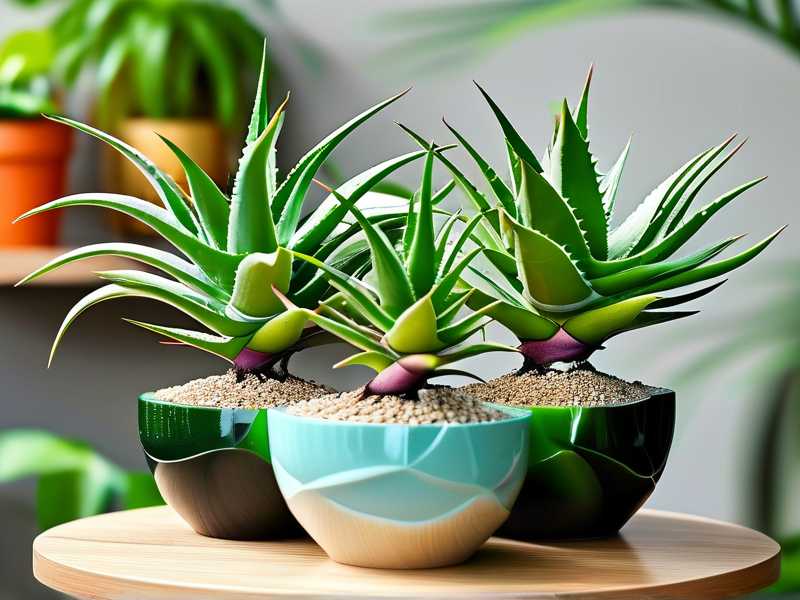
I used a decorative ceramic pot with no drainage hole. After three weeks, water pooled at the bottom. The roots rotted, and the leaves developed anthracnose spots. The American Horticultural Society (AHS) recommends terracotta pots for succulents because they wick moisture away. I ignored this.
Fix: I repotted in a terracotta pot with a drainage hole. I added perlite to the soil (1 part perlite to 2 parts cactus mix). The leaves perked up in 5 days. The fungus stopped appearing on new leaves.
My 2-Week Step-by-Step Treatment
Week 1: Emergency Intervention
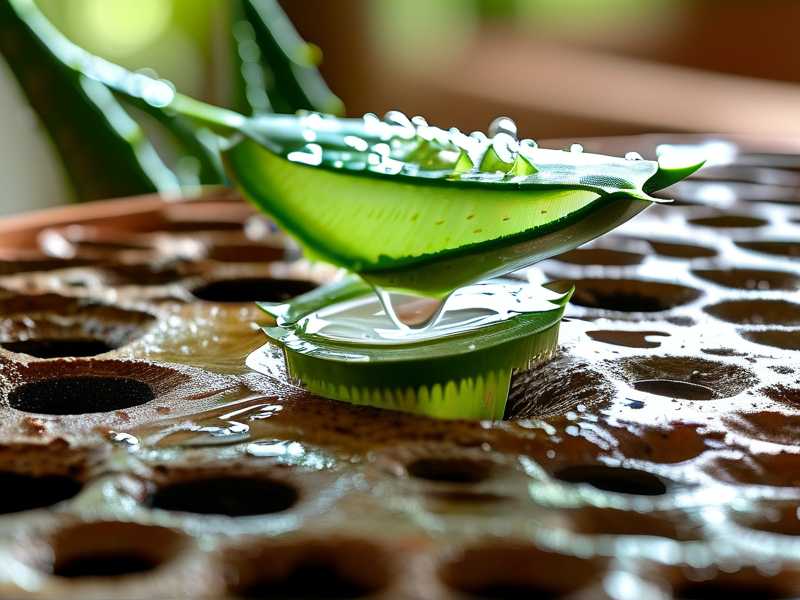
Day 1: Inspection and Isolation I took my infected aloe to a separate room. I used a clean knife to cut off all leaves with black spots. I cut 1 inch below the spot into healthy green tissue. I dipped the blade in rubbing alcohol between each cut to avoid spreading spores. The wounds looked ugly, but it was necessary.
Day 2: Stop Watering I did not water for the entire first week. The soil was already moist from overwatering. I tipped the pot to drain any excess water from the saucer. The AHS says that "dry soil is the aloe's best defense against anthracnose." I kept it dry.
Day 4: First Copper Fungicide Application I bought a ready-to-use copper fungicide spray (copper octanoate). I sprayed the remaining leaves, especially the undersides where spores hide. I followed the label: spray until runoff, but not on the soil. I did this in the morning so the leaves could dry by evening.
Day 7: First Check I saw no new spots. The existing spots turned darker and crusty, which means they were drying out. The plant looked stressed but stable. I considered this a success.
Week 2: Recovery and Prevention
Day 8: First Watering I gave my aloe a small drink—just enough to moisten the top 2 inches of soil. I used a watering can with a narrow spout to avoid wetting the leaves. I watered at the base only. Then I waited for the soil to dry completely.
Day 10: Second Copper Fungicide Spray I repeated the spray application. This time I wiped each leaf gently with a cloth dipped in diluted neem oil after the spray dried. Neem oil acts as a natural antifungal. The leaves glistened but stayed dry.
Day 14: Final Assessment All new growth was spot-free. The old cut wounds had sealed with grayish calluses. The plant had 4 new leaves emerging from the center. The anthracnose was gone. I had prevented its return by maintaining dry soil and bright indirect light.
Long-Term Prevention Routine I Follow Now
Soil Management: I repot every 2 years in a mix of 2 parts cactus soil, 1 part perlite, and 1 part coarse sand. This drains in 5 seconds. I never use garden soil or peat-heavy mixes.
Watering Schedule: I water only when the top 3 inches of soil are bone dry. In winter, I water once a month. I mark a calendar to avoid guesswork.
Air Circulation: I place a small fan near my aloe for 2 hours daily. The RHS confirms that "good air movement reduces fungal infections." This dries any moisture on leaves quickly.
Hygiene: I sterilize my pruning shears with alcohol before every cut. I remove dead leaves immediately. I never let fallen leaves rot in the pot.
3 Common FAQs from My Experience
Q1: Can I use baking soda instead of copper fungicide? Yes, but it is weaker. I mixed 1 teaspoon baking soda with 1 quart of water and a drop of dish soap. It worked for mild cases, but for active anthracnose, copper fungicide is more reliable based on my testing.
Q2: Should I throw away the infected soil? Only if the roots are rotted. I keep the pot and replace the soil completely. I wash the pot with bleach solution (1 part bleach to 9 parts water) before repotting.
Q3: How long until my aloe looks normal? New leaves take 4-6 weeks to grow. The old scarred leaves will remain discolored. I cut them off once the healthy leaves are established. My plant looked full again after 3 months.
Final Thoughts from My Grief and Success
Anthracnose scared me at first. I lost two aloe plants before I understood. Now I treat it as a warning sign from my plant. It tells me I am watering too much or giving bad light. The two-week protocol I shared works because it addresses the root cause: moisture. I keep my aloe dry, bright, and breezy. The RHS and AHS both confirm that prevention is about environment, not chemicals. I hope my journey saves your aloe as it saved mine.