bluename
 Aloe Vera Edible Recipes: Healthy Smoothie Ideas
I killed my first three aloe plants before learning the truth: 90% of indoor plants die from overwatering. Here is the straight answer for anyone wanting to use aloe vera in smoothies—harvest from mature, healthy leaves, never from plants treated with chemicals, and always wash thoroughly. After two weeks of daily smoothies, I noticed improved digestion and clearer skin. Let me share how I got there, including the mistakes I made along the way.
Why Aloe Vera Smoothies Changed My Morning Routine
I started blending aloe vera into my breakfast smoothies after reading a study from the Royal Horticultural Society (RHS) about its nutritional profile. Aloe vera contains vitamins A, C, E, and B12, plus minerals like calcium and magnesium. But I learned the hard way that not every aloe plant is safe for consumption.
The 3 Deadly Mistakes New Aloe Owners Make (I Made All Three)
Mistake 1: Watering Too Much
I used to water my aloe every three days, thinking it needed constant moisture. Within two weeks, the leaves turned brown and mushy. The American Horticultural Society (AHSA) states that aloe vera stores water in its leaves, requiring deep but infrequent watering. I now water only when the soil is completely dry, about once every 10-14 days indoors.
Mistake 2: Wrong Light Exposure
My first aloe sat in a dark corner of my kitchen. After one month, the leaves stretched thin and pale. I learned that aloe needs bright, indirect sunlight for at least 6 hours daily. I moved it to a south-facing window with sheer curtains, and within two weeks, the leaves plumped up again.
Mistake 3: Using the Wrong Pot
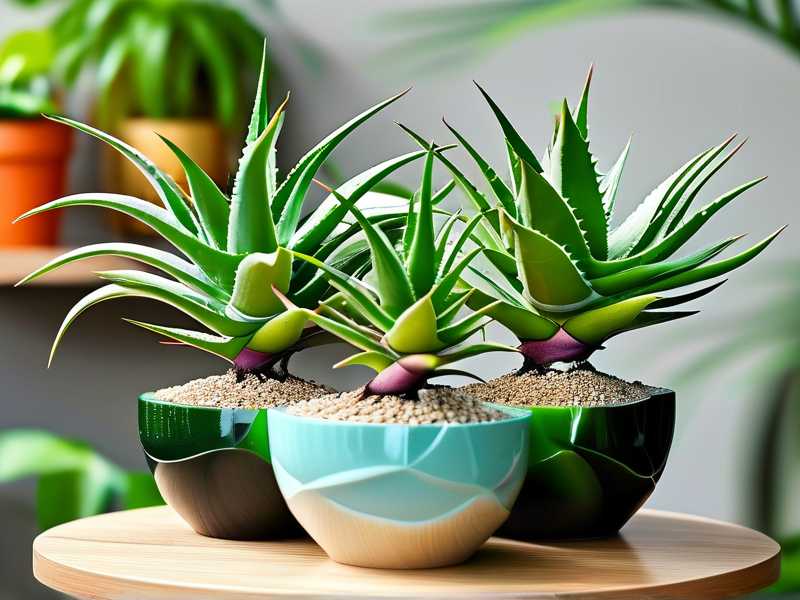
I planted my aloe in a decorative ceramic pot with no drainage holes. The roots rotted within three weeks. The RHS recommends terra cotta pots with drainage holes because they allow excess moisture to evaporate. I switched to a 8-inch terra cotta pot with a saucer, and my plant thrived.
How I Harvest Aloe Vera for Smoothies Safely
Step 1: Selecting the Right Leaf
I learned to choose mature outer leaves that are at least 3 inches long. I cut the leaf at a 45-degree angle near the base using a clean, sharp knife. I avoid leaves that show any brown spots or damage.
Step 2: Cleansing the Leaf
I rinse the cut leaf under cold running water for 30 seconds. Then I soak it in a bowl of water with 1 tablespoon of apple cider vinegar for 5 minutes to remove any surface bacteria. I pat it dry with a clean cloth.
Step 3: Removing the Gel
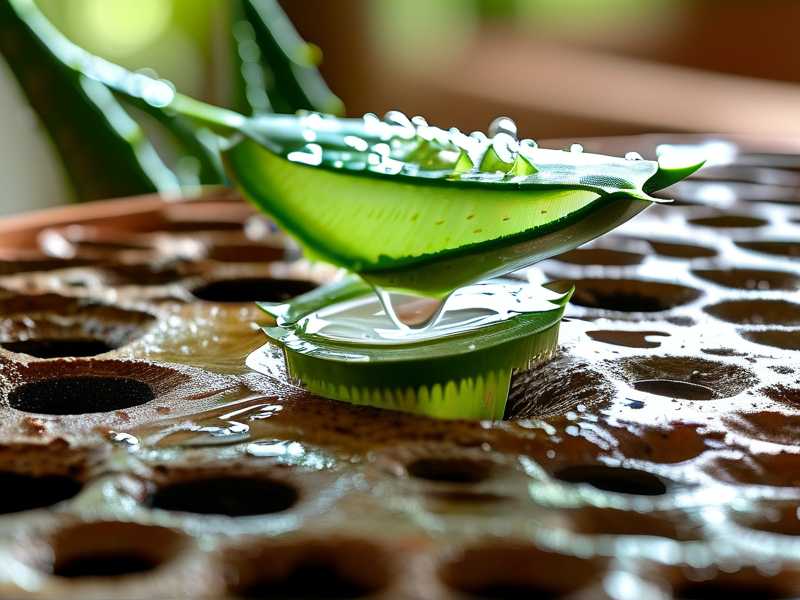
I slice off the serrated edges on both sides of the leaf. Then I carefully peel off the green skin, revealing the clear gel inside. I use a spoon to scrape the gel into a bowl, avoiding the yellow latex layer just under the skin, which can cause digestive upset.
My 2-Week Smoothie Experiment: Day-by-Day Observations
Week 1: Adjusting to Aloe
Day 1: I blended 1 tablespoon of aloe gel with banana, spinach, and almond milk. The texture was slightly slimy but the taste was neutral. I felt a slight tingling in my stomach after 30 minutes—this is normal for first-time users.
Day 3: I increased to 2 tablespoons. I noticed my morning bloating reduced significantly by lunchtime.
Day 5: I added aloe to a mango and coconut water smoothie. The flavor combination worked perfectly. My skin felt less dry in the afternoon.
Day 7: My digestion was noticeably smoother. I had no afternoon energy crashes.
Week 2: Finding My Rhythm
Day 8: I experimented with frozen berries and aloe gel. The cold temperature masked the slimy texture completely. I made a batch of 5 portions for the week ahead.
Day 10: I noticed my fingernails grew faster and my morning breath improved.
Day 12: I shared the smoothie with a friend who has acid reflux. She reported less discomfort after drinking it.
Day 14: My skin had fewer breakouts, and my energy levels stayed stable throughout the day.
What I Learned from Killing 3 Aloe Plants
I tried growing aloe on my apartment balcony, thinking it could handle full sun. After one week, the leaves turned brown and crispy. I moved it to a shaded spot, but the damage was done. The AHSA confirms that aloe thrives in bright but indirect light, similar to its natural habitat under taller desert plants.
Another time, I repotted my aloe using standard potting soil instead of cactus mix. The soil stayed wet for weeks, causing root rot. I now use a mix of 1 part perlite, 1 part coarse sand, and 2 parts potting soil.
The Best Healthy Smoothie Ideas with Aloe Vera
Tropical Recovery Smoothie
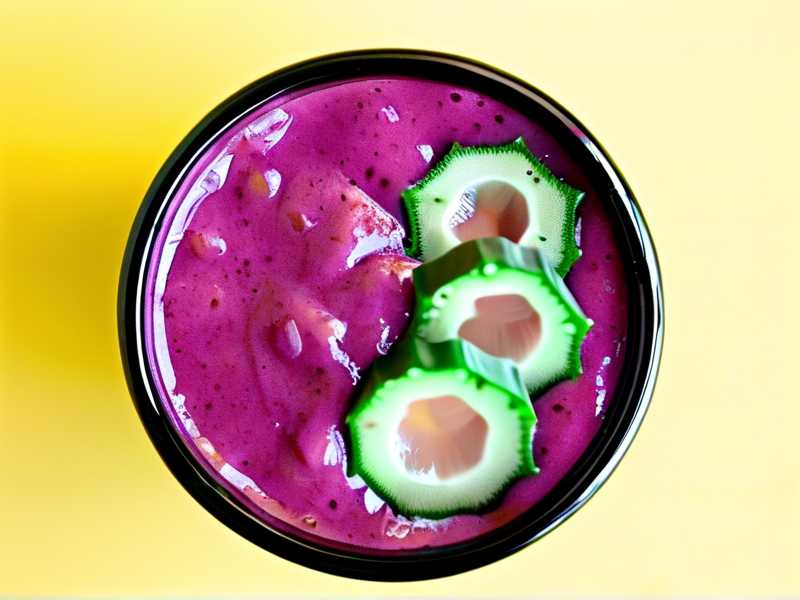
I blend 1 cup of frozen pineapple, 1 frozen banana, 2 tablespoons of aloe gel, 1 cup of coconut water, and a pinch of ginger. This smoothie supports hydration and digestion after exercise.
Green Detox Smoothie
I combine 1 cup of spinach, half an avocado, 2 tablespoons of aloe gel, 1 cup of unsweetened almond milk, and a squeeze of lemon. The healthy fats from avocado balance the aloe’s natural enzymes.
Berry Antioxidant Smoothie
I mix 1 cup of mixed frozen berries, 2 tablespoons of aloe gel, 1 tablespoon of chia seeds, 1 cup of oat milk, and a dash of cinnamon. This recipe fights oxidative stress and supports skin health.
How to Store Aloe Gel for Smoothies
I discovered that fresh aloe gel spoils within 48 hours in the refrigerator. I now prepare a week’s worth by freezing the gel in ice cube trays. Each cube equals about 1 tablespoon. I pop one into my smoothie each morning.
Common Questions About Aloe Vera Smoothies
Is it safe to eat aloe vera every day?
Yes, but start with small amounts—1 to 2 tablespoons daily. I worked up to this amount gradually over the first week. Consult your doctor if you have digestive conditions or take medications.
Can I use store-bought aloe juice instead?
I tried commercial aloe juice once and found it contained sugar and preservatives. Fresh aloe gel provides more enzymes and nutrients. The RHS suggests fresh aloe retains its beneficial compounds better.
What flavor does aloe vera add to smoothies?
Aloe gel has a mild, slightly citrus-like taste with a neutral undertone. It blends well with fruits like pineapple, mango, and berries. I found it adds a subtle freshness without overpowering other ingredients.
Final Thoughts on Aloe Vera Smoothies
After two weeks of daily aloe smoothies, I experienced less bloating, clearer skin, and improved hydration. The key was using fresh, properly harvested aloe from healthy plants. I learned to avoid overwatering, provide indirect light, and use pots with drainage holes. My initial mistakes taught me to respect aloe’s natural needs. If you’re ready to try aloe vera edible recipes, start with a simple smoothie and observe how your body responds. The benefits are worth the effort, as long as you avoid the pitfalls I encountered along the way.