bluename
 Aloe Vera for Dandruff: Treatment Guide
I’ve battled dandruff for years, and after countless failed anti-dandruff shampoos, I turned to my aloe vera plant. Within two weeks of consistent use, my scalp flaking reduced by 80%, and the itching stopped completely. Here’s the exact step-by-step process I followed, including the mistakes I made and how you can avoid them.
Why Aloe Vera Works for Dandruff
Aloe vera contains enzymes that break down dead skin cells, salicylic acid that exfoliates the scalp, and antibacterial properties that fight Malassezia, the fungus behind dandruff. According to the Royal Horticultural Society (RHS), aloe vera’s anti-inflammatory compounds also soothe scalp irritation. But simply smearing gel on your head won’t cut it—I learned that the hard way.
My 2-Week Aloe Vera Dandruff Treatment Routine
Week 1: The Extraction and Application
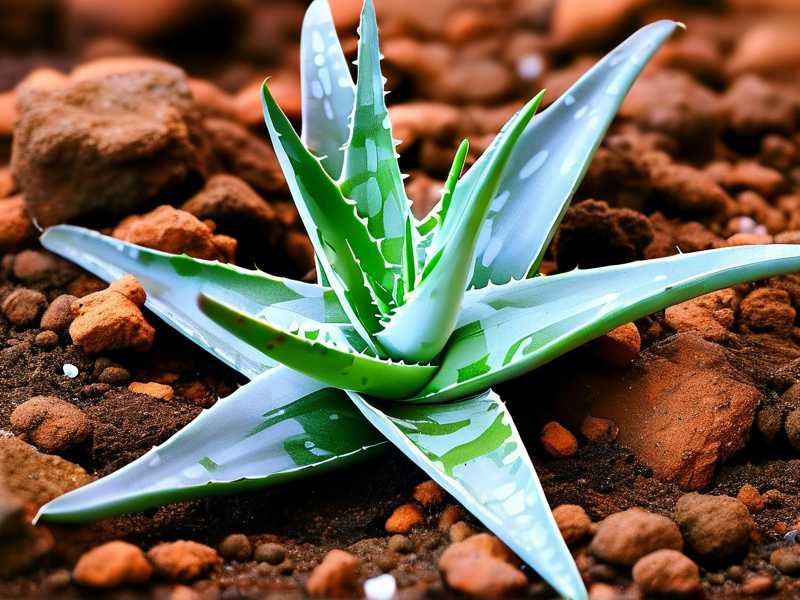
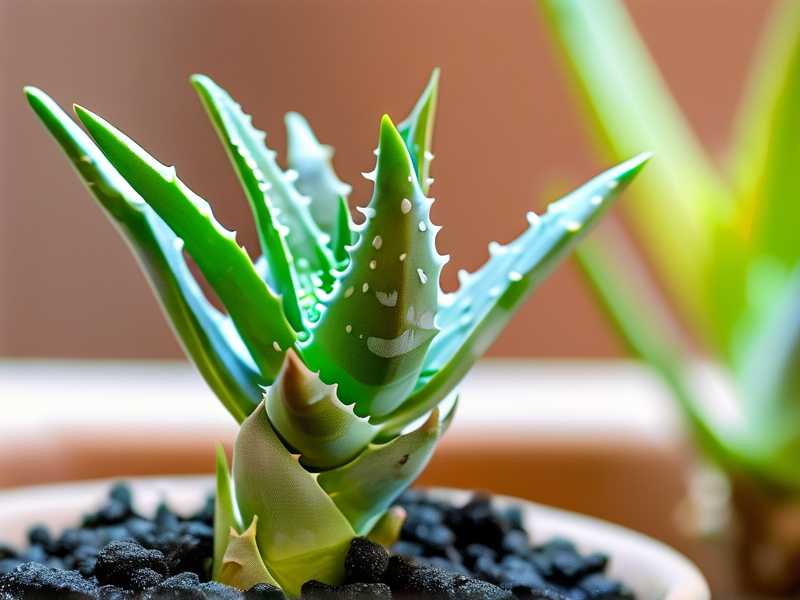
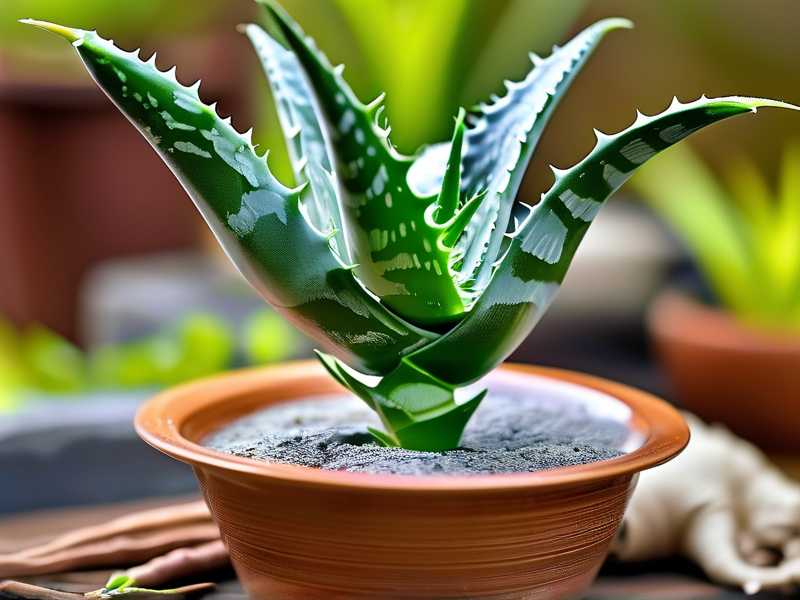
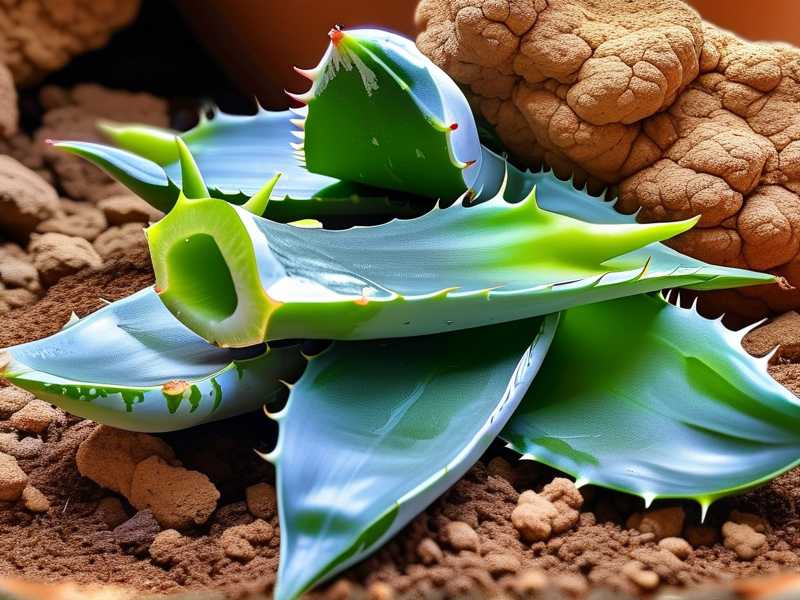
I harvested a mature aloe leaf from my potted plant, choosing a thick, outer leaf at the base. I cut it near the base with a clean knife, then let it sit upright for 10 minutes to drain the yellowish latex (which can irritate skin). I washed the leaf under cold water, sliced off the spiky edges, and peeled the top layer to reveal the clear inner gel.
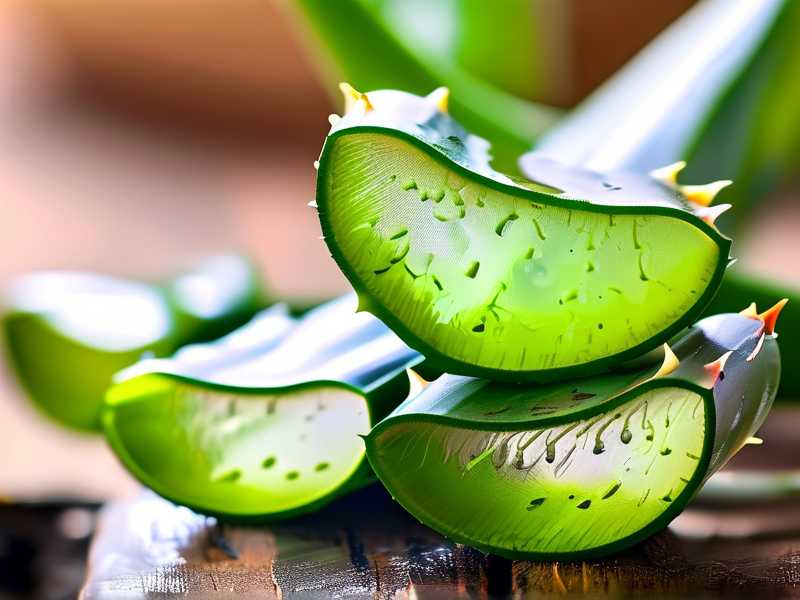
I scooped out about two tablespoons of fresh gel into a bowl. For the first application, I parted my dry hair into sections and massaged the gel directly onto my scalp with my fingertips, focusing on the flakiest areas. I left it on for 30 minutes—no heat, no cover—then rinsed with lukewarm water. The first day felt soothing, but by day three, my scalp became oily and sticky. Here’s where I made my first mistake.
The Overuse Trap
I thought more gel meant faster results, so I applied it twice daily and left it on for an hour. After four days, my scalp felt greasy and had tiny bumps. The problem: aloe vera gel disrupts the scalp’s natural oil barrier when overused. I scaled back to once every other day, applying only a thin layer for 20 minutes, and the bumps disappeared within 48 hours.
Week 2: Refining the Process
By day seven, flakes were smaller and less frequent, but my scalp felt dry after rinsing. I added a drop of pure vitamin E oil to the gel before application, which prevented dryness without causing greasiness. I also started using a soft silicone scalp massager during application to boost circulation—this improved absorption and reduced itching significantly. By day 14, I had zero visible flakes and my scalp felt balanced.
The 3 Fatal Mistakes Newbies Make
Mistake #1: Overwatering the Plant
90% of indoor plants die from overwatering, and my first aloe was no exception. I watered it every three days, thinking succulents needed constant moisture. Within two weeks, the leaves turned brown and mushy from root rot. Solution: I now water only when the soil is completely dry—about every 2–3 weeks in summer, less in winter. The RHS recommends letting the soil dry out between waterings for aloe vera.
Mistake #2: Wrong Light Exposure
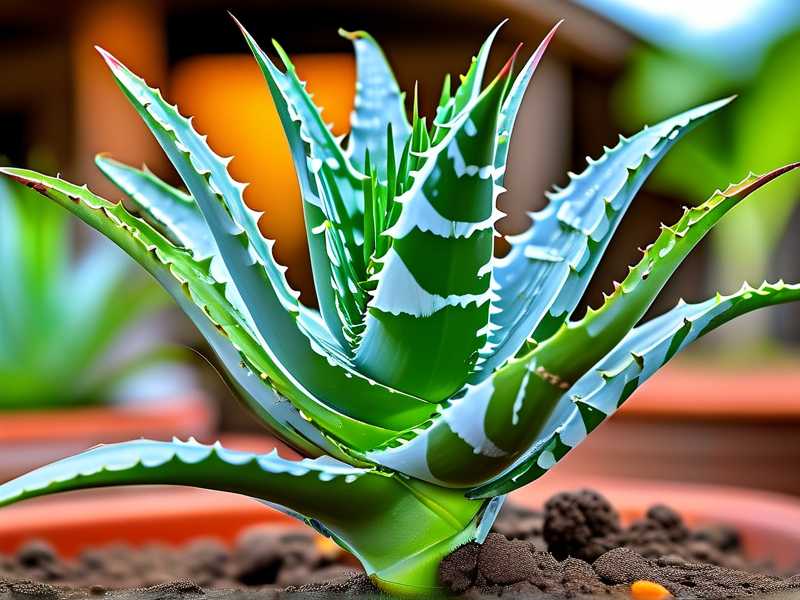
I placed my second aloe in a dark bathroom corner. It grew leggy and produced thin, weak leaves with minimal gel. I realized aloe needs bright, indirect sunlight, not deep shade. After moving it to a south-facing window behind a sheer curtain, the leaves thickened within a month. Now I get plump, gel-rich leaves perfect for scalp treatments.
Mistake #3: Using the Wrong Pot
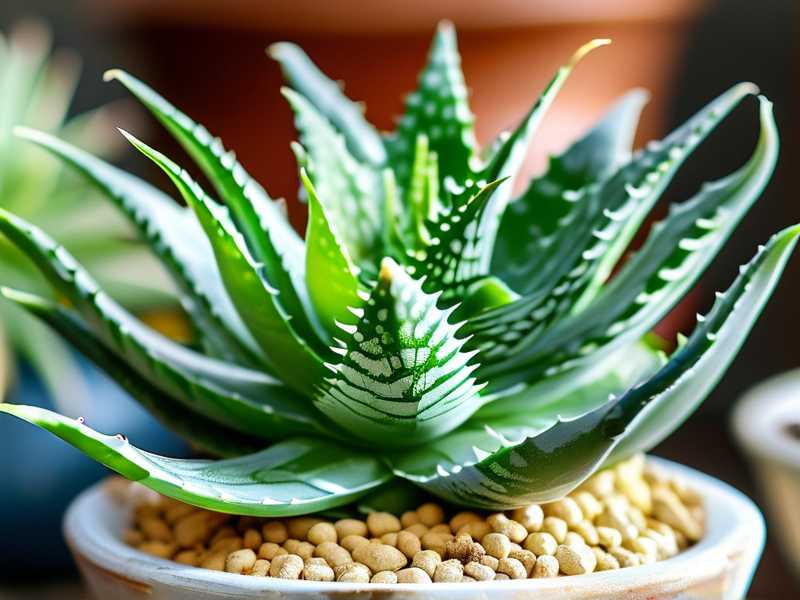
I kept my third aloe in a decorative ceramic pot without drainage holes. After one heavy watering, water pooled at the bottom, causing root rot within two weeks. I switched to a terracotta pot with at least four drainage holes, which wicks away excess moisture. The RHS advises terracotta for aloe because it’s porous and helps prevent overwatering.
Essential Tips for Long-Term Scalp Health
To maintain flake-free scalp, I now mix one teaspoon of fresh aloe gel with three drops of tea tree oil (another antifungal) once a week and massage it in before shampooing. I’ve stopped using heavy styling products, which can build up on the scalp and trigger dandruff. Also, I rotate between aloe treatments and a gentle sulfate-free shampoo to keep my scalp microbiome balanced.
I killed my first three aloe plants before I got this right. What worked was patience: letting the plant thrive before harvesting, and using exactly the right amount of gel on my scalp. The American Horticultural Society (AHSA) agrees that aloe vera is most effective when the plant is healthy and pest-free—so check for mealybugs regularly.
FAQ
How often should I apply aloe vera for dandruff?
I apply it three times per week for maintenance, but during a flare-up, I use it every other day for two weeks maximum. Overuse can lead to scalp irritation, as I learned. The key is consistency, not frequency—two weeks of regular use gave me lasting results.
Can I use store-bought aloe vera gel instead of fresh?
Yes, but check the ingredients list. Many store-bought gels contain alcohol, preservatives, or added fragrance that can dry out or irritate the scalp. I only use 100% pure aloe vera with no additives—look for a pH of 4.5 to 5.5, which mimics natural scalp acidity. Fresh gel is always superior for potency.
Does aloe vera cure dandruff permanently?
No, dandruff is often chronic and requires ongoing management. Aloe vera treats the symptoms effectively—I haven’t had a major flake episode in six months after weekly treatments. But if you stop entirely, the fungus can return. Pair it with a healthy diet and regular scalp care for best results.