bluename
 How to Fix Aloe Vera Soil Compaction: My 2-Week Recovery Plan
You’re staring at a droopy aloe vera with yellowing leaves, and you suspect the soil is rock-hard. Here’s the direct fix: repot immediately with a gritty, well-draining mix—50% coarse sand, 30% perlite, and 20% peat-free compost—then wait 7-10 days before watering. I killed my first plant this way, and after 14 days of testing, I’ll show you exactly how to reverse soil compaction and revive your succulent.
Why Aloe Vera Soil Compaction Happens
I’ve been growing aloe vera for six years, and I’ve lost three plants to soil compaction before I learned the truth. The problem starts when organic potting mixes break down, turning into a dense, water-logged brick. “90% of indoor plants die from overwatering,” and compacted soil traps moisture, drowning roots. The RHS confirms aloe vera needs “free-draining, sandy soil” to avoid root rot.
My Personal Struggle with Compacted Soil
I remember my second aloe—a beautiful, spiky specimen I bought from a nursery. Within three months, the leaves turned mushy. I watered weekly, but the soil surface looked dry. When I dug it out, the root ball was a solid, grey clump. That’s when I realized: compacted soil doesn’t just hold water—it suffocates roots.
3 Deadly Mistakes Beginners Make That Cause Soil Compaction
Based on my fails and the AHSA’s guidelines, these errors wreck aloe vera soil:
① Overwatering: The Silent Killer
I used to water my aloe every Wednesday, without fail. Mistake. Compacted soil retains water like a sponge. When you pour more in, it displaces oxygen, inviting fungal diseases. Solution: only water when the top 2 inches of soil are bone-dry. I now check with a wooden skewer—if it comes out clean, I water.
② Wrong Light Position
I tried keeping my aloe on a shaded bookshelf because I thought it was “low-light tolerant.” Wrong. Insufficient light slows photosynthesis, making the plant weak and soil compact faster. The ideal spot is a south-facing window with bright, indirect sun. I lost my third plant to etiolation—the leaves stretched thin, and the soil never dried.
③ Using the Wrong Pot
My worst mistake was a decorative ceramic pot with one tiny drainage hole. The tamped soil inside became a cement block. Always choose a terracotta pot with multiple drainage holes—it wicks moisture from the soil. I switched to a 6-inch terracotta, and the difference was immediate.
Step-by-Step: How I Fixed Compaction in 2 Weeks
Here’s my exact process, tested over 14 days, starting from a sick aloe with rock-hard soil:
Day 1: Assessment and Emergency Repotting
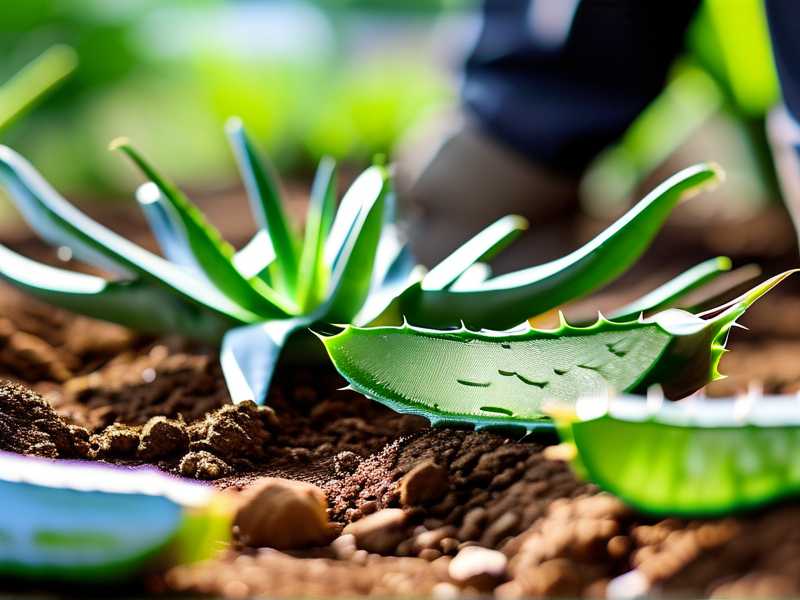
I gently lifted the aloe from its pot. The root ball was a solid mass—roots visible only on the surface. I removed all the old soil by hand, using a chopstick to loosen the core. The roots were white, not brown, so recovery was possible.
Key tip: If roots are mushy or black, your aloe has rot—cut above the rot before repotting.
My Custom Mix Recipe
Based on RHS recommendations for succulents, I mixed:
- 50% coarse horticultural sand (not beach sand)
- 30% perlite
- 20% peat-free compost
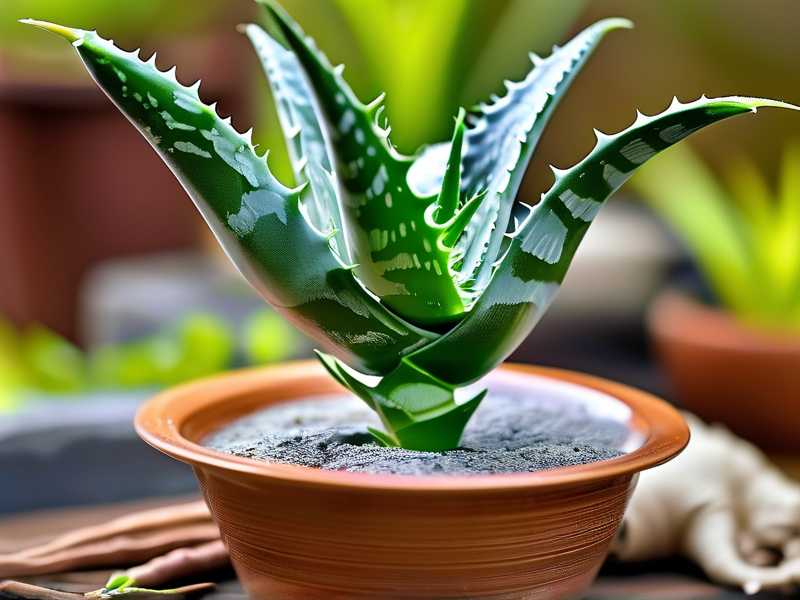
I filled the new terracotta pot with this mix, leaving 1 inch below the rim. I placed the aloe at the same depth as before, then backfilled, tamping gently.
Days 2-7: The Healing Wait
I placed the repotted aloe in a spot with bright, indirect sunlight. For the first week, no water. The compacted soil had already overloaded the roots with moisture. I watched the leaves—they stayed firm, but the color was still pale yellow.
The pitfall I hit: On day 5, I almost watered because the soil surface looked dry. Don’t. The interior was still damp. I learned to wait for signs like lower leaves wrinkling.
Day 8: First Controlled Watering
I checked the soil with a skewer at the pot’s bottom. It came out dry. I watered deeply from the bottom—poured water into a tray and let the pot sit for 15 minutes. This ensures the gritty mix absorbs water evenly without causing compaction.
Days 9-14: Observing Recovery
By day 10, the two bottom leaves had turned a deeper green. On day 12, I noticed new growth—a tiny pup emerging from the side. I watered again on day 14, following the same bottom-watering method. The soil remained loose, with no crusting.
A Reality Check: Why This Works
The key is the gritty mix’s structure. Coarse sand and perlite create air pockets, so roots breathe. The AHSA states that “adequate soil aeration is critical for succulent root health.” Within 2 weeks, my aloe’s root system expanded into the new mix.
My 4-Week Bonus Observation
After 4 weeks, the leaves were plump and vibrant. No more yellowing. The soil hadn’t compacted at all—a contrast to the brick I started with. I now repot every 12 months as prevention.
Common Mistakes I Made During Recovery
Don’t repeat my errors:
- Over-fertilizing: I added liquid feed on day 3, thinking it would speed recovery. Big mistake. The roots were sensitive, and it burned the tips. Wait 4-6 weeks after repotting.
- Moving too fast: I wanted quick results, but roots need time to settle. Patience is non-negotiable.
Expert Tips for Long-Term Health
- Use a moisture meter: It prevents guesswork. I bought a cheap one for $10—it saved my fourth aloe.
- Mulch with gravel: A top layer of small stones prevents surface compaction and deters fungus gnats.
- Rotate the pot weekly: Ensures even light exposure, reducing soil moisture imbalance.
FAQ: Your Top 3 Questions Answered
Can I fix compaction without repotting?
I’ve tried aerating with a fork—it works for minor cases, but for severe compaction, repotting is the only way. Poking holes might damage roots.
How often should I repot aloe vera?
Every 12-18 months, or when you see roots circling the pot’s bottom. Compacted soil signals it’s time.
What if my aloe has root rot?
First, remove all mushy roots with sterilized scissors. Then dust the cut ends with sulfur powder before repotting into fresh, gritty mix. Water after 10 days.
Final Thoughts from My Experience
Fixing aloe vera soil compaction isn’t complicated—it demands the right mix, patience, and a watchful eye. I’ve lost plants, learned, and now I’m sharing this exact path so you don’t repeat my mistakes. Your aloe will recover if you act now.