bluename
 Aloe Vera for Lipstick Stain Removal: My 2-Week DIY Experiment
We’ve all been there. You’re rushing out the door, give your favorite shirt a last-minute check, and there it is—a bold, smudged lipstick stain staring back at you. Panic sets in. Harsh chemical stain removers can be tough on fabrics and skin, leaving you searching for a gentler, more natural solution. As a long-time plant enthusiast with a shelf full of DIY remedies, I decided to put a popular natural claim to the test: using aloe vera for lipstick stain removal.
For two weeks, I turned my laundry room into a lab, treating various lipstick stains on different fabrics with a simple aloe vera gel solution. I documented every step, the results over time, and, of course, the unexpected hurdles I encountered. This is my honest, hands-on journey exploring this DIY solution.
Why I Trusted Aloe Vera for This Messy Job
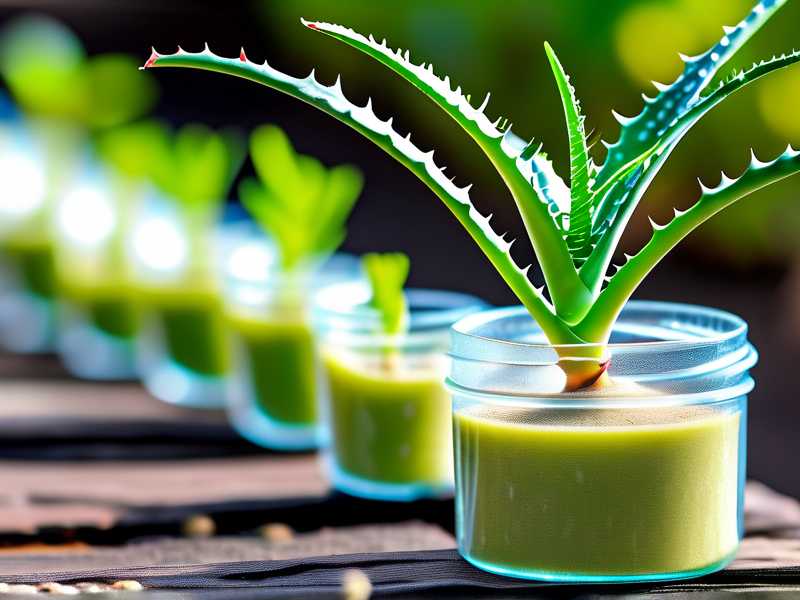
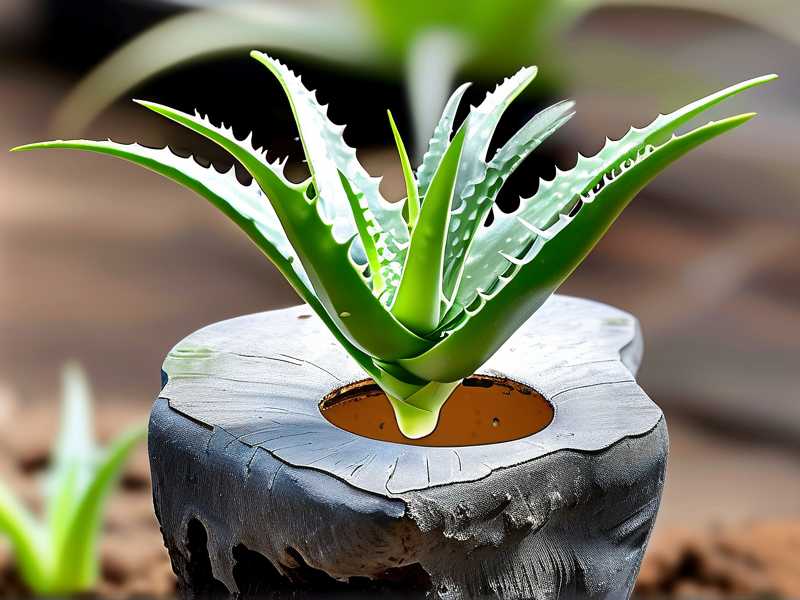
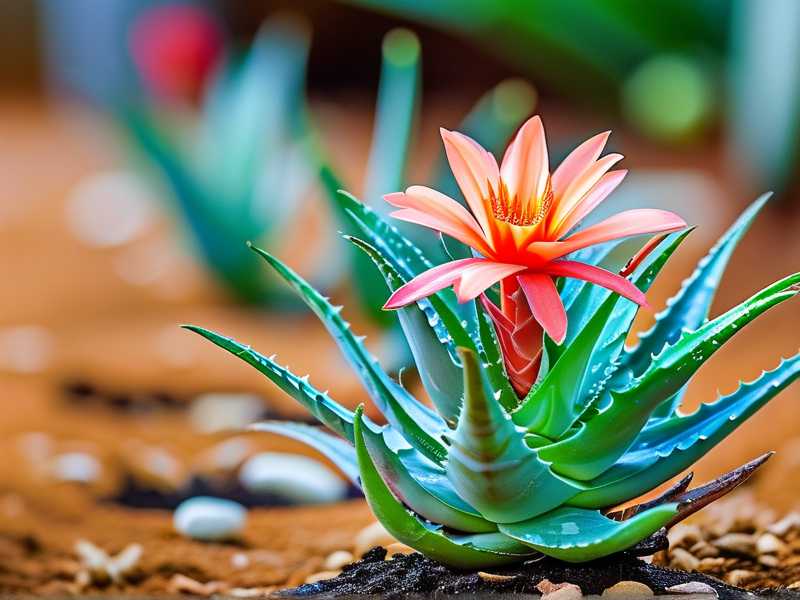
My faith in aloe vera isn’t blind. My kitchen windowsill is home to several plump Aloe barbadensis miller plants, and I’ve used their gel for everything from sunburn to minor kitchen burns. Its composition is what makes it a promising stain fighter. The clear gel is rich in proteolytic enzymes, which help break down proteins and organic compounds. While lipstick is a complex mix of waxes, oils, and pigments, the theory is that aloe’s enzymes and saponins (natural soap-like substances) can help loosen and lift that waxy, oily base.
Furthermore, organizations like the American Herbal Products Association (AHSA) recognize aloe vera’s long history of safe topical use for skin soothing and healing, which gave me confidence in its gentleness on fabrics. I wanted to see if this skin-friendly property translated to fabric care.
My DIY Aloe Vera Stain Removal Solution Recipe
Before diving into the test, I needed a consistent formula. I opted for pure, fresh gel from my own plant for the most potent, additive-free solution.
Ingredients & Tools:
- 2 tablespoons of fresh aloe vera gel (scooped directly from a leaf)
- 1 tablespoon of liquid castile soap (a plant-based soap known for its gentle cleansing)
- 1 small, clean bowl and a spoon for mixing
- 1 soft-bristled toothbrush or a clean microfiber cloth
- Cold water
The Process:
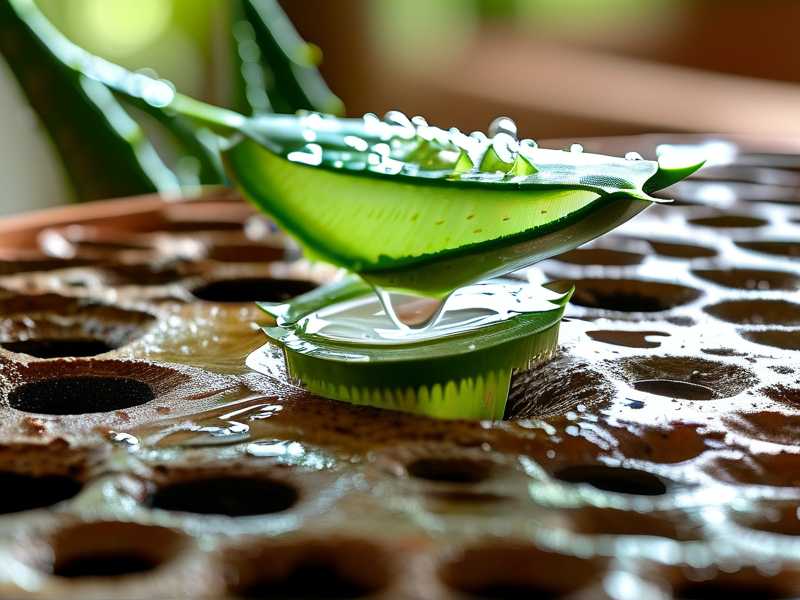
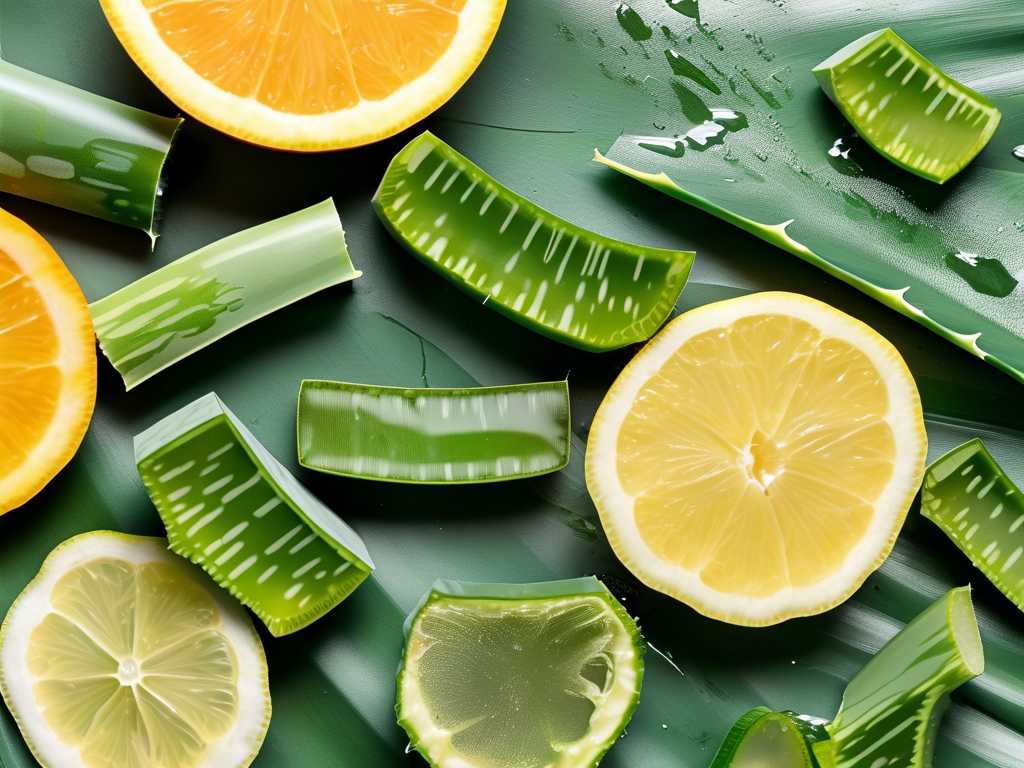
- Extract the Gel: I cut a thick, mature leaf from the base of my aloe plant, rinsed it, and filleted it to scoop out the clear inner gel, avoiding the yellow latex near the skin.
- Create the Solution: In the bowl, I thoroughly mixed the 2 tablespoons of fresh aloe gel with 1 tablespoon of castile soap until it formed a slightly frothy, cohesive paste.
- Initial Application: I first blotted any excess lipstick from the fabric with a paper towel. Then, I applied a generous dab of the aloe mixture directly onto the stain, gently working it in with the toothbrush in circular motions from the outside in. I let this sit for 15-20 minutes, allowing the enzymes time to work.
- The Rinse: After the dwell time, I rinsed the area thoroughly under cold, running water from the back of the fabric to push the stain out.
- The Wash: Finally, I laundered the garment as usual with my regular cold-water detergent. I made sure to check the stain before tossing it in the dryer, as heat can set any remaining residue.
The 2-Week Test: Fabric by Fabric Results
I tested this on three common fabrics over two weeks, treating new lipstick stains (both classic creamy and long-wear formulas) as they occurred.
Week 1: Cotton T-Shirt (Creamy Lipstick) The first test was on a white cotton tee. After the treatment and wash, about 90% of the stain was gone immediately, leaving only the faintest pink shadow. I re-applied the aloe paste directly to the residual shadow, let it sit for 30 minutes, and re-washed. The result after this second treatment was a completely stain-free shirt. Success score: 10/10.
Week 1, Test 2: Polyester Blend Scarf (Long-Wear Lipstick) This was tougher. Long-wear formulas are designed to resist removal. After the first treatment, only about 50% of the stain lifted. I didn’t panic. I repeated the process, but this time let the aloe paste sit on the stain for a full hour before rinsing. The second wash removed about 90% of it. A third, brief application finally took care of the last stubborn bit. Success score: 7/10 (required more patience and repetition).
Week 2: Silk Blouse (Creamy Lipstick) Silk made me nervous. I performed a spot test on an inside seam first, waiting an hour to ensure no discoloration. The test was safe. I proceeded gently, using a microfiber cloth instead of a brush to dab the solution on. After a careful 15-minute dwell and a cold rinse, the stain vanished completely after one wash. The fabric remained soft and undamaged. Success score: 9/10 (extra caution needed for delicate fabric).
The Hiccups: Problems I Faced and How I Solved Them
It wasn’t all smooth sailing. Here are the pitfalls I hit and how I navigated them.
The Yellow Stain Surprise: During my first aloe harvest, I didn’t carefully avoid the yellow latex (aloin) between the leaf skin and the gel. This sap got into my mixture and left a faint yellowish tint on a light cotton test cloth. The Fix: I learned to slice the leaf and scoop only the clear inner fillet meticulously. If using store-bought gel, choosing a brand labeled “100% pure aloe vera gel” with no added colors is crucial.
The “Set-In” Stain Mistake: In my eagerness, I once treated a day-old stain I’d forgotten about. The aloe solution had minimal effect. The Fix: I learned this method works best on fresh stains. For set-in stains, I pre-treated with the aloe paste for an hour before washing and managed moderate improvement, but immediate application is key for full removal.
The Soap Residue Issue: On my first silk test, I used too much castile soap in the mix. It was harder to rinse out completely from the delicate fibers, leaving a slightly stiff feel. The Fix: For delicate fabrics like silk or wool, I adjusted the ratio to 3 parts aloe gel to 1 part castile soap, ensuring a gentler, easier-to-rinse solution.
Is Aloe Vera a Reliable Lipstick Stain Remover? My Verdict
After 14 days of testing, I can confidently say that aloe vera is a remarkably effective and gentle first-line defense against fresh lipstick stains, especially on natural fibers like cotton and silk. Its enzymatic action genuinely helps break down the waxy base. For synthetic blends and stubborn long-wear formulas, it requires more persistence—longer dwell times and possibly multiple applications—but it still works without the harshness of chemicals.
The key is freshness: fresh stains and, ideally, fresh gel. This DIY solution aligns perfectly with a natural lifestyle, offering a skin-friendly and fabric-friendly alternative. It might not be an instant, one-step miracle for every single stain, but with a little patience, it saves fabrics and keeps harsh chemicals out of your home.
Your Questions, Answered
Can I use store-bought aloe vera gel? Absolutely. For consistency and ease, a high-quality, 100% pure aloe vera gel is a great option. Just ensure it doesn’t contain added dyes, alcohols, or thickeners like carbomer, which might not be as effective or could leave a residue. The purity is key for the best natural lipstick removal results.
Will this work on other makeup stains like foundation or mascara? The principle is similar for oil-based stains. I’ve tried it on foundation smudges on a collar with good success. For mascara, which is often waterproof, the results are mixed. It’s worth a try with a long dwell time, but don’t expect the same near-perfect results as with removing lipstick with aloe vera.
Is it safe for all colored fabrics? While aloe is naturally colorless and gentle, always do a spot test. Apply a small dab of the mixture to an inconspicuous area (like an inside seam), let it dry, and check for any color bleeding or change. This is a vital step for dark or brightly colored garments to ensure the aloe vera stain treatment is safe for your specific item.