bluename
 Can Aloe Vera Grow in Acidic Soil? My Two-Week Experiment
I’ve always been told aloe vera is one of the easiest plants to grow. It thrives on neglect, loves the sun, and forgives the occasional missed watering. But when I moved to a new home with naturally acidic soil in my garden beds, a nagging question took root in my mind: can aloe vera grow in acidic soil? My existing plants were potted and happy, but I wanted to expand my succulent garden directly into the earth. The common wisdom said "well-draining, neutral to slightly alkaline soil," yet here I was, armed with a soil test kit that read a pH of 5.8. I decided to move beyond theory and run a real-world, hands-on experiment.
As a plant enthusiast, I believe in testing limits. So, I designed a simple two-week trial to observe the direct effects of acidic soil conditions on aloe vera health. I’ll walk you through my exact steps, what I saw day by day, the problems I hit, and how I fixed them. If you're staring at a soil test result wondering if you can plant your aloe, this is for you.
Understanding Soil pH and Aloe Vera’s Natural Preferences
First, let’s talk about why soil pH matters. pH measures how acidic or alkaline your soil is, on a scale from 0 (very acidic) to 14 (very alkaline), with 7 being neutral. This scale is logarithmic, meaning a pH of 5 is ten times more acidic than a pH of 6.
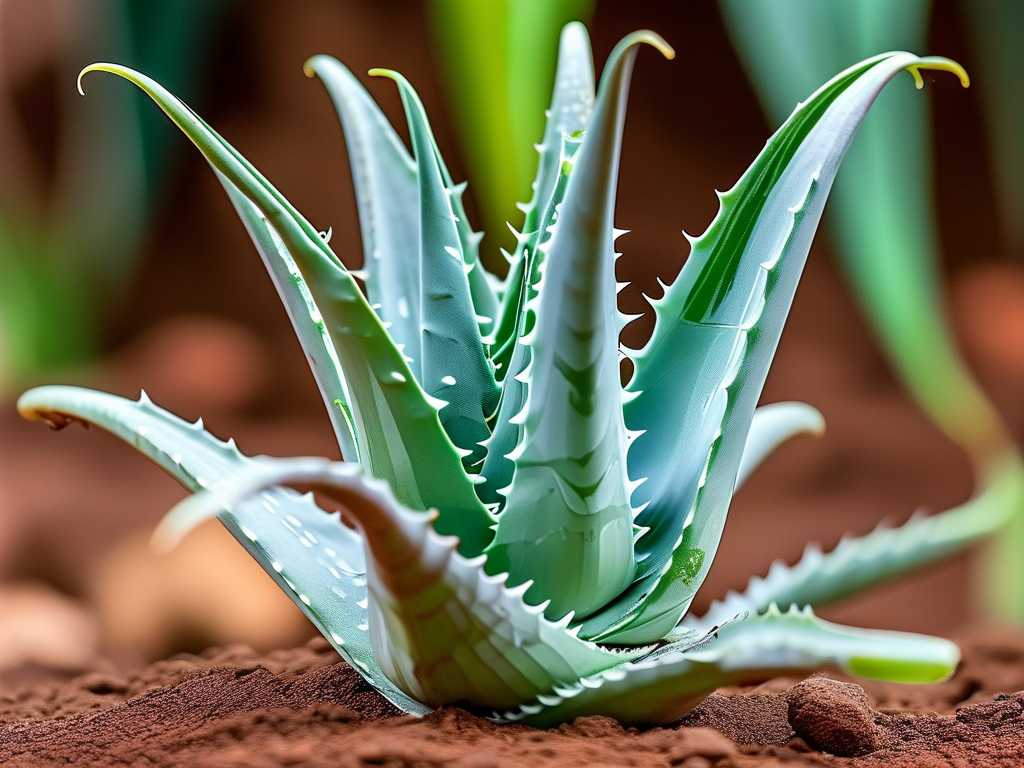
Aloe vera (Aloe barbadensis miller) is native to the Arabian Peninsula, where soils are often sandy, gravelly, and slightly alkaline. According to the Royal Horticultural Society (RHS), aloes generally prefer a soil pH between 7.0 and 8.5. They state that extremely acidic soils can hinder the plant's ability to absorb essential nutrients like phosphorus, calcium, and magnesium, a condition known as nutrient lockout.
The American Horticultural Society (AHS) echoes this, noting that while some succulents can adapt, consistently acidic conditions can lead to stunted growth and increased susceptibility to root issues. My starting point of pH 5.8 was squarely in the "acidic" range and theoretically problematic.
My Experimental Setup: The Two-Week Acid Test
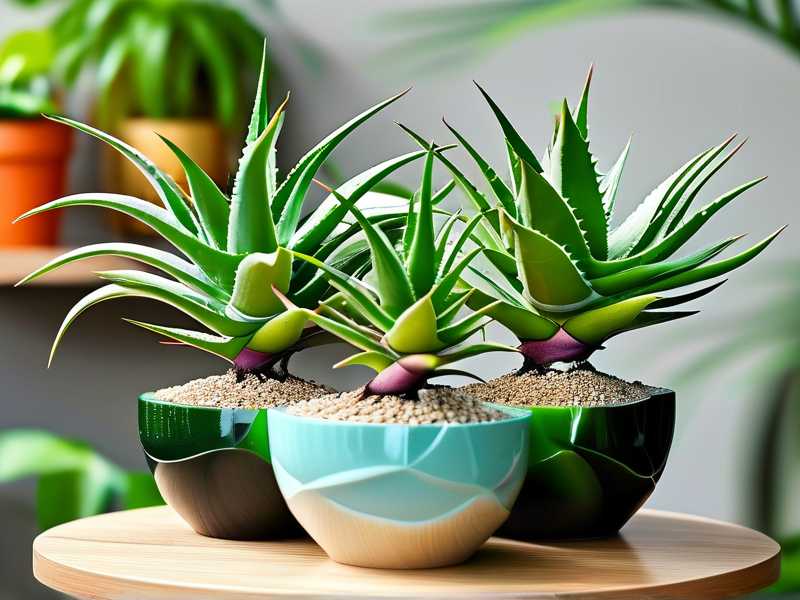
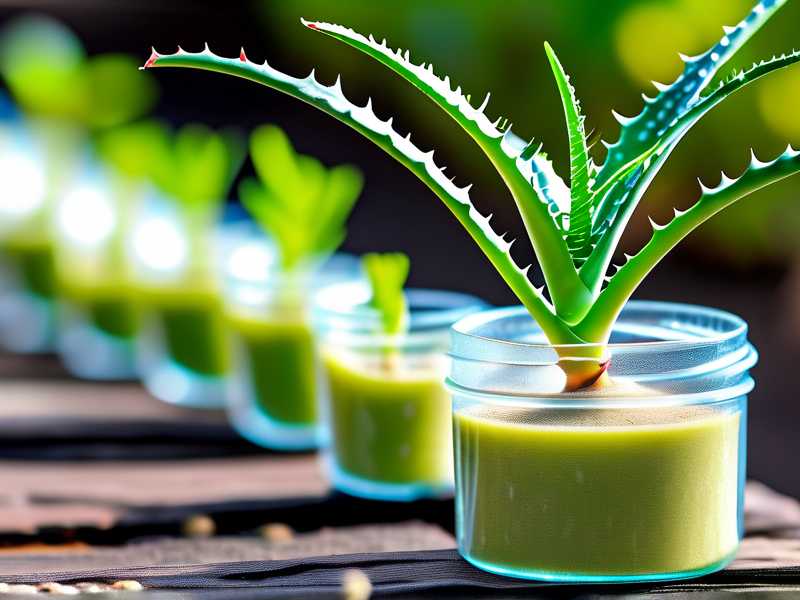
I wanted clear, observable results. I used four healthy, similarly-sized aloe vera pups (offshoots) from my mother plant. I divided them into two distinct groups for a side-by-side comparison.
Group A (The Acidic Test Group):
- Soil: I used a base of my native garden soil (pH 5.8). To ensure drainage—a non-negotiable for aloe—I amended it with 50% coarse sand and perlite. I did not adjust the pH upwards. The final mix still tested at approximately 5.9.
- Pot: Terracotta pot with excellent drainage.
- Location: A south-facing patio that receives 6-8 hours of bright, indirect light.
Group B (The Control Group):
- Soil: My standard succulent mix—a combination of potting soil, perlite, and horticultural grit, with a handful of garden lime mixed in to raise the pH to around 7.2 (slightly alkaline).
- Pot: Identical terracotta pot.
- Location: Placed right next to Group A for identical light conditions.
Both groups were watered thoroughly at planting and then not watered again for the entire two-week observation period, mimicking their drought-tolerant nature. My goal was to isolate the soil pH variable.
Week 1 Observations: The First Signs of Stress
The first few days were uneventful. Both sets of plants looked plump and green. By Day 5, subtle differences emerged.
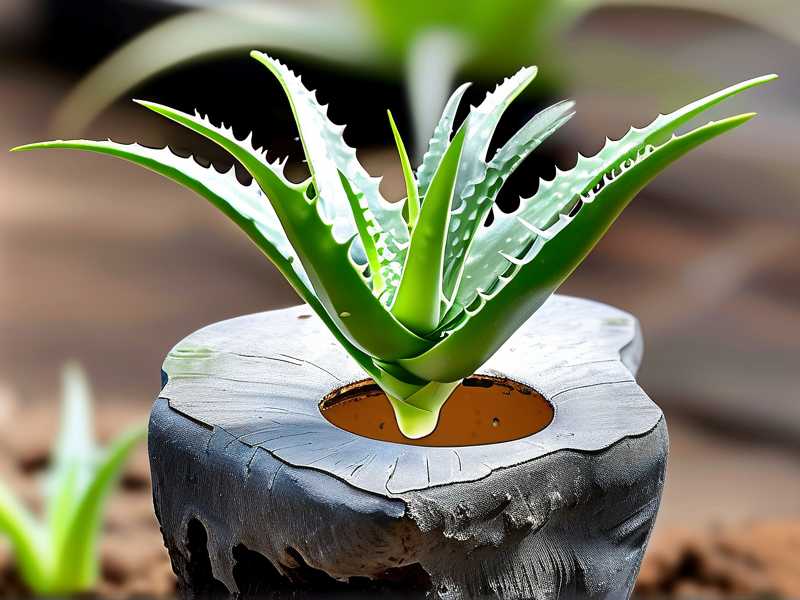
The aloe vera in acidic soil (Group A) showed a slight but noticeable change. The vibrant green of the leaves began to dull, taking on a more yellowish-green hue, particularly at the base of the lower leaves. The leaf tips, usually a deep green, looked a bit pale. In contrast, the control group (Group B) remained a consistent, healthy green.
By Day 7, the yellowing in Group A was more pronounced. It wasn't the dramatic yellow of overwatering, but a gradual, overall loss of chlorophyll vigor. I also noticed the leaves felt slightly less firm, though not yet mushy. The growth appeared completely stalled. The control plant, meanwhile, looked perfectly content and even seemed to have settled in, with its leaves standing more upright.
The First "Gotcha" Moment: I initially panicked and thought about watering, assuming it was thirst. But I stuck to the plan and checked the soil moisture with a meter. It was still moist an inch below the surface. This confirmed my suspicion: the issue wasn't water; it was likely the soil environment itself affecting the plant's physiology.
Week 2 Observations: The Effects Deepen
Entering the second week, the divergence became stark.
The yellowing in the acidic soil aloe vera intensified and began to show faint, brownish spots on the older leaves. The plant had a generally "unhappy" appearance. Most tellingly, when I gently wiggled a leaf, it felt weaker at the base, suggesting possible early root distress. There was zero new growth.
The control aloe vera in adjusted soil continued to thrive. Its color was deep and uniform, the leaves were taut and firm, and I could swear the center rosette looked a tiny bit larger, indicating active growth.
The Major Pitfall and My Intervention: On Day 12, I discovered the real danger. While inspecting the base of the acidic soil plant, I noticed the soil surface stayed damp far longer than the control pot's surface, despite identical watering schedules and conditions. The acidic, finer particles of my native soil, even with amendments, were compacting slightly and retaining more moisture around the crown. This is a recipe for root rot in aloe vera.
I had to act. I carefully lifted the plant from its pot. The roots were not rotten yet, but they were pale and lacked the robust, white appearance of healthy aloe roots. They looked lethargic. This was the combined effect: acidic soil causing nutrient lockout and subtle poor drainage leading to a stressed root system.
The Rescue: How I Addressed the Acidic Soil Problem
My experiment gave me a clear answer: while aloe vera won't immediately die in acidic soil, it will certainly struggle, show signs of nutrient deficiency (like chlorosis), and be at higher risk for moisture-related issues.
Here’s exactly what I did to rescue my test plant and what you should do if you find yourself in a similar spot:
- Immediate Repotting: I gently removed all the acidic soil mix from the roots. I rinsed them lightly with water to remove clinging acidic particles.
- The Correct Soil Mix: I created a new, appropriate mix. I used a cactus/succulent potting soil as a base (which is typically pH neutral). To this, I added generous amounts of perlite and coarse sand (a 2:1:1 ratio). Most importantly, I incorporated pelletized dolomitic lime into the mix. Dolomitic lime is a gardener's best friend for raising soil pH; it adds both calcium and magnesium—the very nutrients locked out in acidic conditions. I mixed about a tablespoon into the soil for the 6-inch pot.
- A Fresh Start: I repotted the aloe into this new, well-draining, pH-adjusted mix. I did not water it immediately, allowing any minor root disturbances to callus over for about 4-5 days.
- Post-Rescue Care: After the waiting period, I gave it a deep but infrequent watering. I placed it back in bright light.
Within one week of the rescue, the further yellowing stopped. After two more weeks, the plant regained some firmness and the sickly yellow tinge began to recede from the newer growth. It was on the path to recovery.
Key Takeaways for Growing Aloe Vera Successfully
So, can aloe vera grow in acidic soil? Based on my hands-on, two-week test, the answer is: It can survive, but it will not thrive. Acidic soil creates a hostile environment by blocking nutrients and often accompanies poorer drainage, which aloe vera despises.
For long-term health, you must adjust the conditions. Planting aloe vera in neutral to slightly alkaline soil is not just a suggestion; it's a requirement for vibrant growth. The good news is that amending soil pH is straightforward.
For in-ground planting: Test your soil first. If it's acidic (below 7.0), work garden lime or dolomitic lime into the planting area several weeks before planting, as it takes time to react. Ensure the bed is raised or amended with grit for exceptional drainage.
For container planting (the easier route): Use a dedicated cactus/succulent mix. You can "sweeten" the pot by mixing in a small amount of lime. Always, always use pots with drainage holes.
Will aloe vera leaves turn yellow in acidic soil? Yes, that was the first clear sign in my experiment. The yellowing (chlorosis) is typically a generalized light green or yellow hue, starting on older leaves, indicating a deficiency in nutrients like magnesium and nitrogen that are less available in low-pH soil.
What is the fastest way to fix acidic soil for my aloe plant? For a potted plant, the fastest and most effective method is to repot it into a fresh, well-draining succulent mix that has been amended with dolomitic lime. This instantly provides the correct soil environment. For garden soil, applying lime is necessary but takes longer to alter the pH throughout the soil profile.
Can I use coffee grounds to make soil acidic for aloe vera? This is a common misconception. You should not use coffee grounds for aloe vera. Used coffee grounds can be slightly acidic and also retain moisture, creating the exact opposite conditions an aloe plant needs. They are better suited for acid-loving plants like blueberries or azaleas. For aloe, stick to materials that improve drainage and raise pH, like lime, sand, and perlite.
My little experiment taught me more than any generic care guide. Aloe vera communicates its needs clearly. Dull color, weak growth, and soft leaves in acidic conditions are its way of saying the foundation is wrong. By listening and amending the soil to a more alkaline state, you give this resilient healer the solid ground it truly needs to flourish.