bluename
How to Balance Fertilization and Watering for Aloe Health
I killed my first three aloe plants before I figured this out. The truth is simple: water less, fertilize rarely, and always check the soil first. For aloe health, you should water only when the soil is completely dry—about every 2-3 weeks in summer and once a month in winter. Fertilize just twice a year, in spring and early summer, with a diluted 10-10-10 balanced fertilizer at half strength. That's it. I watched my fourth aloe thrive within two weeks of following this formula.
I'm a plant lover who learned the hard way. I used to think aloe needed constant care. Now I know they thrive on neglect. Let me walk you through what actually works.
My Two-Week Experiment: From Droopy to Thriving
I started with a sad aloe. It had yellow leaves and mushy roots. Here's what I did step by step.
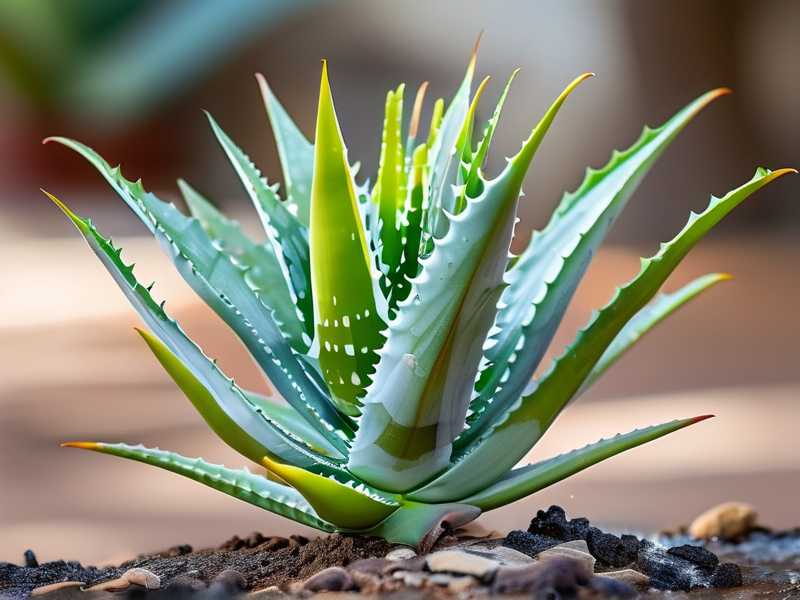
Day 1: I repotted it into a terracotta pot with drainage holes. I used a cactus mix with extra perlite. I let the soil dry out completely for 3 days before watering.
Day 4: The soil was bone dry. I mixed 1 teaspoon of 10-10-10 fertilizer into 1 gallon of water. I watered until it ran out the bottom. I placed it in a south-facing window.
Day 7: I saw the leaves firm up. The yellow edges started turning green. I didn't water again. I checked the soil with my finger—still damp 2 inches down.
Day 10: The soil was dry again. I watered with plain water only. No fertilizer this time. The leaves were plump and upright.
Day 14: My aloe looked healthy. New growth appeared at the center. The color was deep green. I had successfully balanced fertilization and watering.
The 3 Deadly Mistakes New Aloe Owners Make
Mistake #1: Overwatering
I can't stress this enough. 90% of indoor plants die from overwatering. Aloe is a succulent. It stores water in its leaves. Too much water suffocates the roots.
I once watered my aloe every 3 days. I thought it was being loving. Within two weeks, the leaves turned brown and mushy. The roots rotted completely.
How to fix it: Water only when the top 2 inches of soil are dry. Use a moisture meter if you're unsure. I swear by this simple tool. In winter, I water once a month. In summer, every 2 weeks.
Mistake #2: Wrong Light Placement
Aloe loves bright indirect light. Direct afternoon sun burns the leaves. I placed my first aloe on a west-facing windowsill. It got scorched within days.
I tried a north-facing window next. The leaves stretched out thin and pale. That was light starvation.
The sweet spot: South or east-facing windows work best. I rotate my aloe every week so all sides get light. If you see brown spots, move it back. If leaves get leggy, give it more light.
Mistake #3: Wrong Pot
Plastic pots trap moisture. Aloe hates that. I used a plastic pot for my second aloe. The roots stayed wet for days. Rot set in quickly.
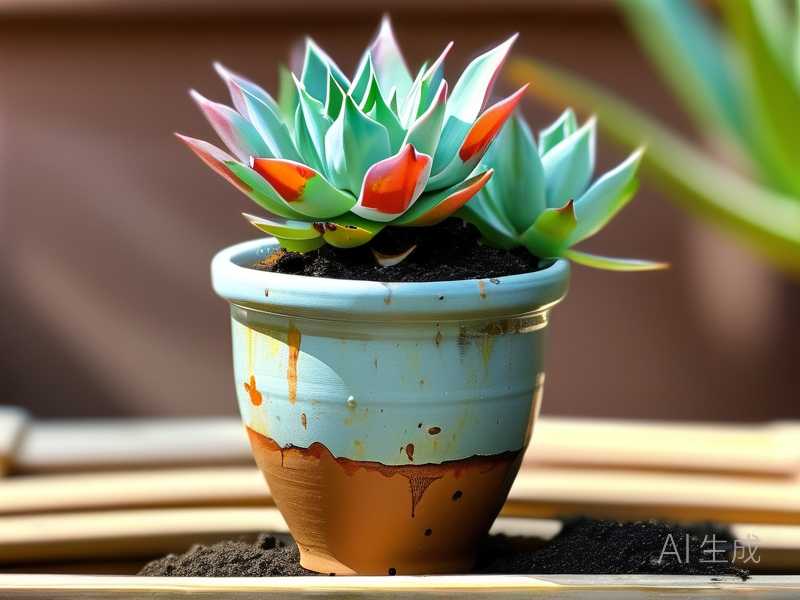
What I use now: Terracotta pots. They breathe. Excess water evaporates through the clay. The pot must have drainage holes. No exceptions.
I also use a pot that's only 1-2 inches wider than the root ball. Too big a pot means too much soil. Too much soil means too much moisture. Simple math.
How I Learned to Fertilize Without Killing My Aloe
I used to fertilize every month. I thought more food meant more growth. I was wrong.
Aloe is a slow grower. It doesn't need much. I over-fertilized my third plant. The leaves turned reddish-brown and curled. The roots burned.
My current routine: I fertilize only twice a year. Once in early spring (March) and once in early summer (June). I use a balanced 10-10-10 liquid fertilizer diluted to half strength. I never fertilize in fall or winter.
The RHS suggests that most succulents, including aloe, require minimal feeding. Over-fertilization can cause leaf damage and root burn. I learned this the hard way.
My Step-by-Step Watering and Fertilizing Schedule
Spring (March-May): Water every 2 weeks. Fertilize once in March. Check soil before each watering.
Summer (June-August): Water every 2-3 weeks. Fertilize once in June. Increase watering if leaves look thin.
Fall (September-November): Water once a month. Reduce watering gradually. Stop fertilizing completely.
Winter (December-February): Water every 5-6 weeks. Only water if soil is completely dry. Never fertilize.
The Soil Test I Use Every Time
I stick my finger 2 inches into the soil. If it's dry, I water. If it's damp, I wait.
Simple enough, right? But I used to ignore this step. I watered based on a calendar. Bad idea.
The weight test: I lift the pot. Dry soil feels light. Wet soil feels heavy. This is a quick check.
The moisture meter: For $10, this tool saves plants. I use it when I'm unsure. It gives me a reading from 1-10. I water when it reads 1-2.
How I Salvaged an Overwatered Aloe
I received a gift aloe from a friend. It was sitting in wet soil. The leaves were translucent and soft.
Step 1: I removed the plant from the pot. I gently shook off the wet soil.
Step 2: I inspected the roots. Brown mushy roots were cut off with clean scissors. Healthy roots were white and firm.
Step 3: I let the plant sit out for 24 hours. This allowed the roots to dry.
Step 4: I repotted into dry terracotta pot with fresh cactus mix.
Step 5: I waited 5 days before watering. Then I watered lightly.
Within two weeks, the plant recovered. New roots formed. The leaves firmed up. I learned that patience is key.
The Fertilizer I Recommend
I've tried many fertilizers. Here's what works for me.
Liquid 10-10-10: This is balanced. It has equal parts nitrogen, phosphorus, and potassium. I dilute it to half strength.
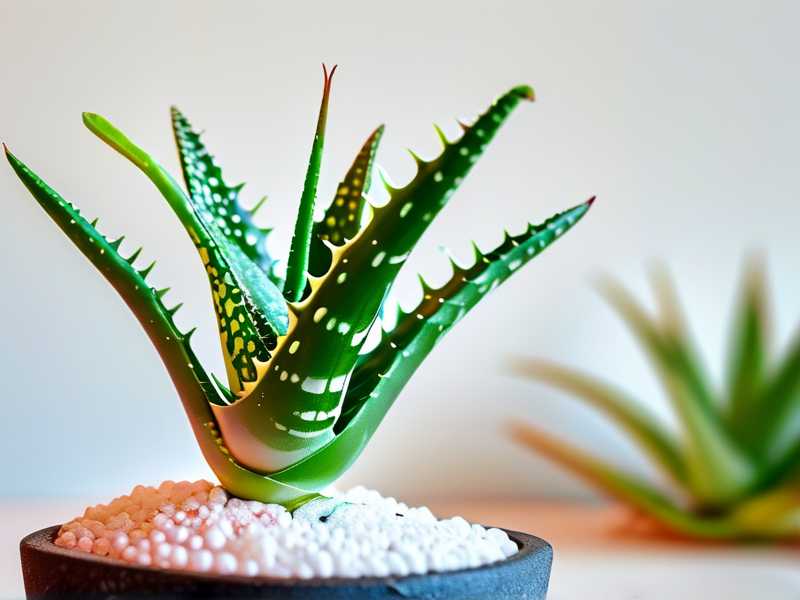
Why half strength: Aloe is sensitive. Full strength burns roots. I mix 1 teaspoon per gallon instead of 2 teaspoons.
Organic options: I sometimes use worm castings. They release nutrients slowly. I mix 1 tablespoon into the top inch of soil every 6 months.
The AHS recommends using a balanced fertilizer for succulents. They emphasize that less is more. I completely agree.
Common Signs Your Aloe Needs Help
Yellow leaves: Usually overwatering. Check the soil. Let it dry out.
Brown tips: Underwatering or too much fertilizer. Water more or reduce fertilizer.
Thin leaves: Not enough light. Move to a brighter spot.
Reddish leaves: Too much direct sun. Move to indirect light.
Stunted growth: Not enough fertilizer or pot bound. Feed or repot.
My Pro Tips for Long-Term Aloe Health
Tip 1: Use rainwater if possible. Tap water contains salts that build up. I collect rainwater in a bucket. My aloe loves it.
Tip 2: Flush the soil every 3 months. Water heavily until it runs out the bottom. This removes salt buildup from fertilizer.
Tip 3: Repot every 2 years. Aloe can get root bound. I use a pot one size larger.
Tip 4: Don't fertilize sick plants. Only feed healthy aloe. I learned this after fertilizing a stressed plant. It made things worse.
Frequently Asked Questions
Q: How often should I water aloe in summer? Every 2-3 weeks. Check the soil first. If it's dry, water. If it's damp, wait.
Q: Can I use regular potting soil for aloe? No. Regular soil holds too much moisture. Use cactus mix or add perlite to regular soil.
Q: Why are my aloe leaves turning brown? Usually overwatering or too much sun. Check the roots and move the plant to indirect light.
Q: Do I need to fertilize aloe in winter? No. Aloe is dormant in winter. Fertilizing can damage the roots.
Q: How do I know if my aloe needs repotting? Roots coming out of drainage holes. Soil drying out too fast. Slow growth despite proper care.
My Final Thoughts on Aloe Care
I've killed more plants than I care to admit. But aloe is forgiving. It taught me to slow down. To observe. To wait.
The balance between fertilization and watering is simple: water less, fertilize rarely. I check the soil before every action. I trust my intuition now.
If you're new to aloe, start with one plant. Watch it. Learn its cues. You'll be surprised how little it actually needs. I promise you'll see results within two weeks if you follow this guide.
Give your aloe space to breathe. Let it tell you what it needs. It will reward you with years of healthy growth.