bluename
How to Adjust Nutrient Supply for Aloe Cluster Growth
I killed my first three aloe plants before I figured this out. The truth is, adjusting nutrient supply for aloe cluster growth isn't complicated. You just need to stop overfeeding, use the right soil, and watch for signs of stress. Aloe clusters thrive on neglect. Too much fertilizer burns them. Too little stunts them. I learned this the hard way after losing a beautiful cluster to root rot from over-fertilizing. Let me walk you through exactly what I do now.
Why Most Aloe Clusters Struggle
Many people think aloe needs constant feeding like other houseplants. They're wrong. I used to dump liquid fertilizer on my aloe every two weeks. The leaves turned yellow and mushy. After two weeks of this, the entire cluster collapsed. I felt terrible. But I learned something valuable.
Aloe vera is a succulent. It stores nutrients and water in its leaves. The Royal Horticultural Society (RHS) emphasizes that succulents require minimal feeding. Overfeeding causes salt buildup in the soil. These salts burn the roots. The plant can't absorb water properly. You get yellow leaves, stunted growth, and eventually death.
The 3 Deadly Mistakes Beginners Make
Mistake 1: Overwatering
I can't stress this enough. Overwatering kills more aloe plants than anything else. I've read that 90% of indoor plants die from overwatering. Aloe clusters are especially vulnerable. Their roots are shallow and sensitive.
I used to water my aloe every three days. I thought I was being caring. Instead, I was drowning it. The leaves turned brown and soft. The cluster started rotting from the base. By the time I noticed, it was too late.
Solution: Water only when the soil is completely dry. Stick your finger two inches deep. If it's dry, water thoroughly. If it's moist, wait. In winter, I water once every three to four weeks. In summer, maybe once a week. The key is to let the soil dry completely between waterings.
Mistake 2: Wrong Light
Aloe loves bright, indirect light. But many people put it in direct sun. I did exactly that. I placed my aloe cluster on a south-facing windowsill. Within two weeks, the leaves turned reddish-brown. They looked sunburned. The cluster stopped growing.
The American Horticultural Society (AHS) recommends bright but filtered light for aloe. Direct sun during midday can burn the leaves. I moved my cluster to an east-facing window. The morning light is gentle. The afternoon sun is indirect. The difference was dramatic.
Solution: Place your aloe in a spot with bright, indirect light. A few hours of morning sun is fine. Avoid harsh afternoon sun. If you notice leaf discoloration, move it immediately. The plant can recover if you catch it early.
Mistake 3: Wrong Pot
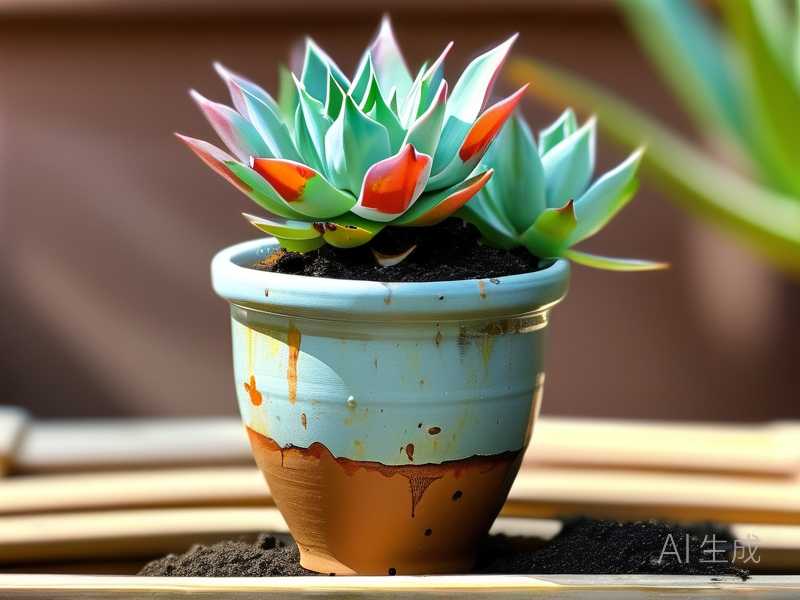
I used a decorative ceramic pot with no drainage holes. It looked beautiful. But it was a death trap. Water pooled at the bottom. The roots sat in moisture. Rot set in quickly.
I lost my third aloe cluster this way. The pot was too big, too deep, and had no drainage. The soil stayed wet for weeks. The cluster's center turned black. I tried to save it by repotting, but the damage was done.
Solution: Use a pot with drainage holes. Terracotta pots are ideal. They're porous and allow the soil to dry faster. The pot should be only slightly larger than the root ball. A snug pot encourages cluster growth. Too much space leads to water retention and root rot.
My 2-Week Nutrient Adjustment Plan
After countless failures, I developed a simple two-week plan. It works every time. Here's exactly what I do.
Week 1: Assessment and Reset
Day 1: Stop all feeding. I remove any fertilizer residue from the soil. I flush the pot with distilled water to remove salt buildup. Let the water drain completely. I don't water again until the soil is dry.
Day 3: Check the soil moisture. If it's still damp, wait. I test with my finger. I also check the leaves. Healthy aloe leaves are firm and plump. If they're soft or wrinkled, the plant is dehydrated. If they're yellow, it's overwatered.
Day 5: I inspect the roots. I carefully lift the cluster from the pot. Healthy roots are white or light tan. Rotting roots are brown and mushy. I trim any dead roots with sterilized scissors. I let the roots air dry for a few hours.
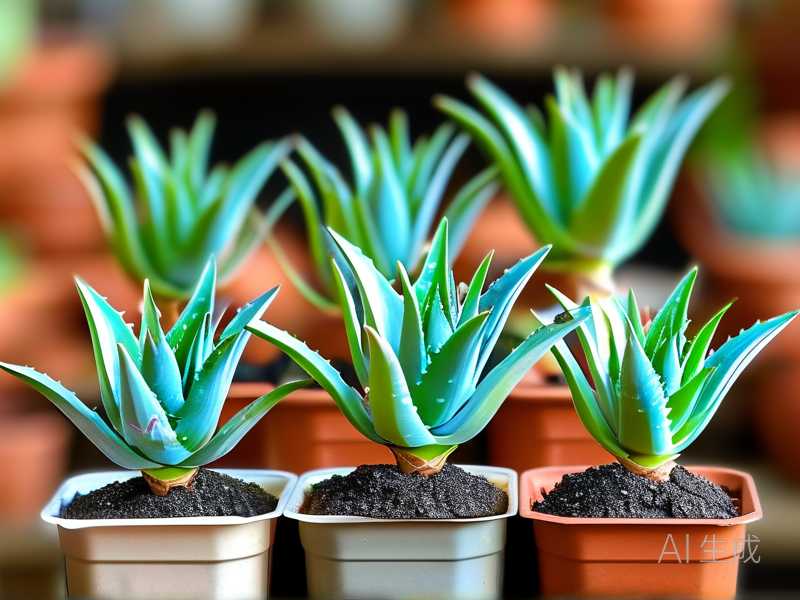
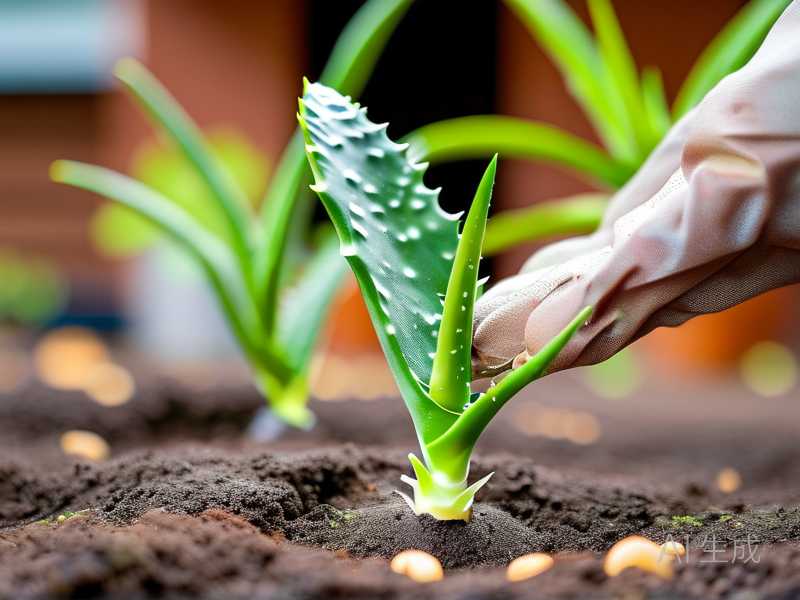
Day 7: I repot the cluster. I use a well-draining cactus mix. I add perlite for extra drainage. I never use regular potting soil. It holds too much moisture. I water lightly after repotting. Then I wait.
Week 2: Gentle Feeding Begins
Day 8: I check the leaves. They should look better by now. If they're still stressed, I wait longer. I don't rush to feed. The plant needs time to recover.
Day 10: I prepare a weak fertilizer solution. I use a balanced liquid fertilizer diluted to half strength. I apply it directly to the soil. I avoid getting it on the leaves. I water after feeding to distribute nutrients evenly.
Day 12: I observe the cluster. New growth should appear within a few days. I look for small green leaves emerging from the center. This is a good sign. If the leaves remain discolored, I stop feeding.
Day 14: I evaluate the results. The cluster should look healthier. Leaves should be greener and firmer. I adjust the feeding schedule based on growth. During active growth, I feed once a month. In winter, I stop entirely.
What I Learned From Killing Aloe Plants
I've killed more aloe plants than I care to admit. But each loss taught me something. My biggest lesson was this: less is more. Aloe clusters don't need constant care. They need patience and observation.
I remember my first aloe. I bought it from a garden center. It looked perfect. I watered it every day. I fed it weekly. Within a month, it was dead. I was so frustrated. I thought I was doing everything right.
Then I talked to a friend who grows succulents. She laughed at my routine. She told me to stop hovering. She said aloe likes to be ignored. I tried her approach. I watered once a month. I fed twice a year. My new aloe thrived.
The Science Behind Nutrient Needs
I'm not a scientist, but I've read a lot about plant nutrition. Aloe clusters need nitrogen, phosphorus, and potassium. But they need very little of each. The RHS suggests using a fertilizer with low nitrogen content. High nitrogen causes soft, weak leaves.
I use a 2-7-7 fertilizer. It's low in nitrogen and higher in phosphorus and potassium. This encourages root growth and flower development. I apply it only during the growing season. That's spring and summer. In fall and winter, I stop completely.
The AHS also recommends using organic fertilizers. They release nutrients slowly. This prevents salt buildup. I use worm castings or compost tea. They're gentle and effective. I never use synthetic fertilizers anymore. They're too harsh for aloe.
How to Spot Nutrient Deficiencies
Your aloe cluster will tell you what it needs. You just have to learn the signs.
Yellow leaves: Usually overwatering or overfeeding. Stop feeding immediately. Flush the soil. Let it dry out.
Brown leaf tips: This can be underwatering or salt buildup. Check the soil moisture. If it's dry, water more. If it's wet, flush the soil.
Stunted growth: The plant may need more light or nutrients. Move it to a brighter spot. Feed it with a weak fertilizer.
Wrinkled leaves: The plant is dehydrated. Water thoroughly. Check the roots for rot. Healthy roots absorb water. Rotting roots don't.
Reddish leaves: Too much sun. Move the plant to indirect light. The color should return to green within a few weeks.
My Personal Feeding Routine
I keep it simple. Here's what I do now.
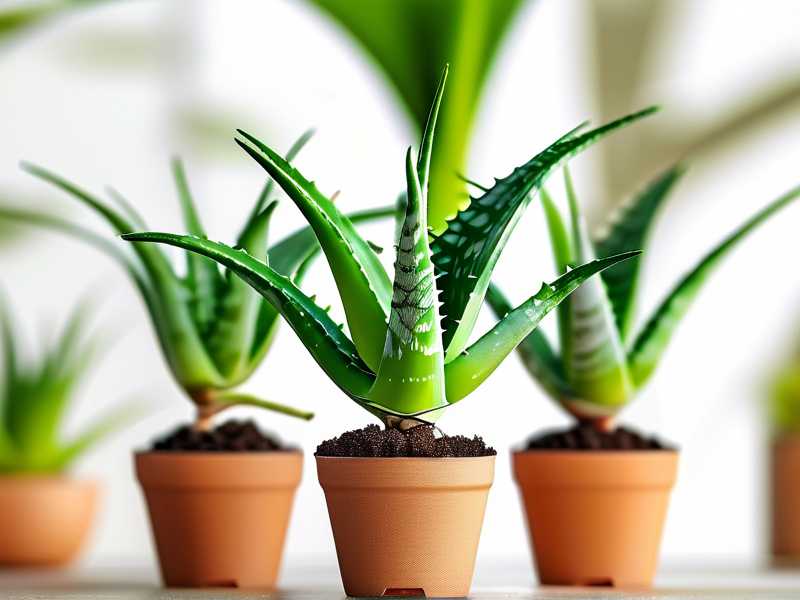
Spring: I start feeding when I see new growth. I use a diluted fertilizer every four weeks. I stop after two feedings.
Summer: I feed once in early summer. I use a weak solution. I don't feed again until fall.
Fall: I stop feeding completely. The plant enters dormancy. It needs rest.
Winter: I don't feed at all. I water sparingly. The cluster rests until spring.
This routine works for me. I've been using it for two years. My aloe cluster has grown from three plants to twelve. It's healthy and vibrant. I've never had root rot since I started this method.
Tools You Actually Need
You don't need expensive equipment. Here's what I use.
Moisture meter: This helps me know when to water. I stick it in the soil. If it reads dry, I water. If it's moist, I wait.
Perlite: I mix it into my soil for drainage. It's cheap and effective.
Terracotta pots: They're porous and breathable. I never use plastic pots for aloe.
Balanced fertilizer: I use a 2-7-7 or 3-1-2 formula. I dilute it to half strength.
Distilled water: Tap water contains salts and chemicals. I use distilled water to avoid buildup.
Common Questions I Get Asked
How often should I fertilize my aloe cluster?
I fertilize once a month during spring and summer. I stop entirely in fall and winter. If you're unsure, err on the side of less. Too much fertilizer is worse than too little.
What type of fertilizer is best for aloe?
I recommend a low-nitrogen, balanced fertilizer. A 2-7-7 formula works well. Organic options like worm castings are also great. Avoid high-nitrogen fertilizers. They cause weak, leggy growth.
Can I use regular potting soil for aloe?
No. Regular potting soil holds too much moisture. It causes root rot. Use a cactus or succulent mix. Add perlite for extra drainage. Your aloe will thank you.
Final Thoughts
Adjusting nutrient supply for aloe cluster growth isn't complex. It's about observing and responding. I've made every mistake possible. But I've also learned what works.
Start with good soil. Use a pot with drainage. Water sparingly. Feed lightly. Give it bright, indirect light. Your aloe cluster will reward you with steady growth.
Remember, aloe is resilient. It can survive neglect. It can't survive overcare. The best thing you can do is step back and let it grow. Trust me. I've learned this the hard way.
If you're struggling with your aloe cluster, take a deep breath. Stop feeding it. Check the soil. Adjust the light. Give it time. You'll see improvement within two weeks. I promise.
Frequently Asked Questions
Q: My aloe leaves are turning yellow. What should I do? A: Yellow leaves usually mean overwatering or overfeeding. Stop watering and feeding immediately. Let the soil dry out completely. If the roots are rotting, repot the plant in fresh, dry soil. Cut off any damaged roots.
Q: How do I know if my aloe cluster needs more nutrients? A: Look for pale leaves, slow growth, or small new leaves. These are signs of nutrient deficiency. But don't rush to feed. First, check the light and water. If those are fine, then try a weak fertilizer.
Q: Can I use coffee grounds as fertilizer for aloe? A: I wouldn't recommend it. Coffee grounds are acidic and high in nitrogen. Aloe prefers neutral soil and low nitrogen. Stick to a balanced fertilizer or organic options like worm castings.