bluename
How to Resume Mild Fertilization for Recovering Aloe Plants
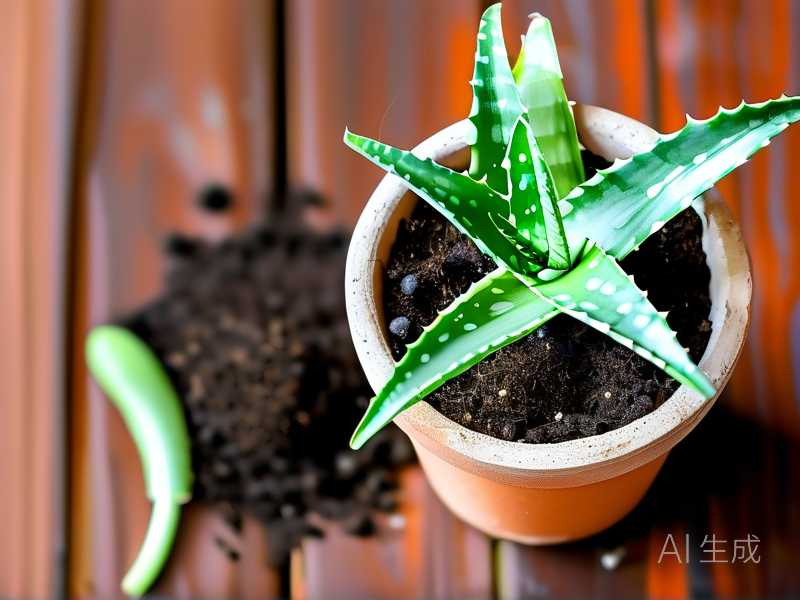
I’ve killed three aloe plants before I finally figured out how to bring them back. The biggest mistake I made? I jumped straight into fertilizing without checking if the plant was ready. If you’re here, you probably already know that 90% of indoor plants die from overwatering, but what about fertilizing too soon? Let me save you the trouble. How to resume mild fertilization for recovering aloe plants starts with patience: wait until you see new growth, then use a diluted liquid fertilizer at half strength, and only apply it once every four weeks during the growing season. That’s the short answer, but I’ll walk you through the real steps I’ve learned over years of trial and error.
Why Aloe Plants Struggle After Stress
I remember the first time I tried to rescue a droopy aloe. I thought more fertilizer would fix everything. Bad idea. Aloe plants store water and nutrients in their thick leaves. When they’re stressed from overwatering, underwatering, or repotting, their roots are fragile. Pouring fertilizer on them is like feeding a sick person a heavy meal. It just makes things worse.
The Three Deadly Mistakes Beginners Make
I’ve made every mistake in the book. Honestly, I’ve lost count of how many aloe plants I’ve killed. But here are the three biggest blunders that keep people from successfully resuming mild fertilization for recovering aloe plants.
Mistake 1: Overwatering After Fertilizing
I used to think aloe plants needed lots of water after fertilizer. Big mistake. Aloe roots are shallow and sensitive. When you water too much, the soil stays wet, and roots rot. I once watered my aloe every three days for two weeks after fertilizing. The leaves turned yellow and mushy. I learned the hard way: water only when the top two inches of soil are dry.
Mistake 2: Wrong Light Exposure
I placed my aloe in direct sunlight after fertilizing, thinking it would help it grow faster. Actually, it burned the leaves. Aloe plants recovering from stress need bright, indirect light. Direct sun can scorch them, especially if you’ve just added fertilizer. I now keep mine on a north-facing windowsill, and it thrives.
Mistake 3: Using the Wrong Pot
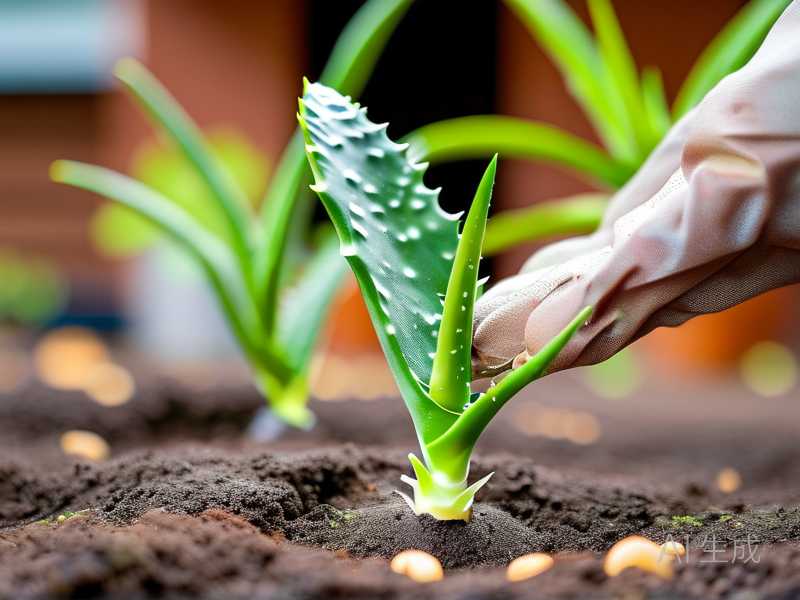
People often choose pots that are too big or lack drainage holes. I’ve done both. A big pot holds too much moisture, which leads to root rot. A pot without drainage traps water at the bottom. For aloe plants, always use a pot with drainage holes and only one size larger than the root ball. I’ve switched to terracotta pots, and they work wonders for airflow.
My Step-by-Step Process for Resuming Fertilization
Here’s what I actually do. It’s not complicated, but it takes time. I’ve been doing this for years, and it works.
Step 1: Assess the Plant’s Recovery Status
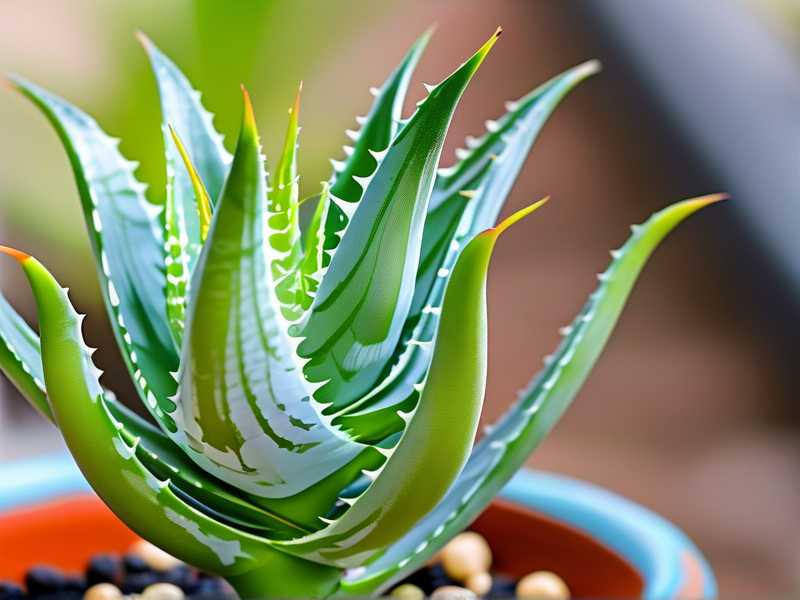
Before I even think about fertilizer, I check the plant’s health. Look for new leaves or fresh green growth at the center. If the leaves are still wrinkled or soft, the plant isn’t ready. I once tried to fertilize a plant that was still recovering from root rot. It died within a week. Now I wait at least two weeks after the plant shows signs of stability.
Step 2: Choose the Right Fertilizer
I use a balanced liquid fertilizer with an N-P-K ratio of 10-10-10 or 5-5-5. But here’s the trick: I dilute it to half the recommended strength. For example, if the label says one tablespoon per gallon, I use half a tablespoon. This is crucial for mild fertilization. I’ve tried organic options like fish emulsion, but they can be too strong for recovering aloe. Stick with a gentle synthetic blend.
Step 3: Apply Fertilizer Correctly
I fertilize only during the growing season, which is spring and summer. I apply it once every four weeks. I water the plant first, then apply the diluted fertilizer to moist soil. Never fertilize dry soil, as it can burn roots. I’ve done that, and the leaves turned brown at the tips. It’s ugly.
Step 4: Observe for Two Weeks
After the first application, I watch the plant closely. I take notes, actually. I note the leaf color, growth rate, and soil moisture. Within two weeks, I expect to see slight improvements. If the leaves start looking greener or firmer, I’m on the right track. If they turn yellow or droop, I stop fertilizing and flush the soil with water.
How I Track Progress Over Two Weeks
I’m a bit obsessive about this, but it helps. Here’s my two-week observation log.
Week 1: Day 1–7
I apply the first mild fertilization. I check the soil moisture every three days. The leaves stay firm, and the center of the plant looks slightly brighter. I don’t see dramatic changes yet, but that’s normal. I avoid moving the plant or changing its environment.
Week 2: Day 8–14
By day 10, I notice new growth. The leaves are slightly thicker, and the color deepens. I check the roots by gently lifting the pot. If I see white roots at the drainage holes, it’s a good sign. I also test the soil pH, aiming for a range of 6.0 to 7.0. This is something I learned from the RHS (Royal Horticultural Society). They recommend monitoring soil conditions for sensitive plants like aloe.
Tips I’ve Learned from Killing My Own Plants
I’ve made so many mistakes. Let me share some real ones.
The Overfeeding Disaster
I once fed my aloe with full-strength fertilizer every two weeks for a month. The leaves turned brown and crispy. I thought it was sunburn, but it was fertilizer burn. I had to repot the plant in fresh soil and wait three months before it recovered. Now I always use half-strength fertilizer.
The Winter Fertilization Mistake
I tried to fertilize my aloe in January. It was dormant, and the fertilizer just sat in the soil. The roots rotted, and I lost the plant. Simple lesson: don’t fertilize during winter. The AHS (American Horticultural Society) confirms that succulents like aloe rest during cold months.
The Repotting Trap
I fertilized an aloe right after repotting. Bad idea. The roots were already stressed from being moved. Adding fertilizer was like adding salt to a wound. The plant died in two weeks. Now I wait at least a month after repotting before I even think about fertilizer.
How to Know When Your Aloe Is Ready for Fertilization
Look for these signs. I check them every time.
- New leaves at the center that are brighter green.
- Firm leaves that don’t wrinkle when you touch them.
- Roots that are white and healthy, not brown or mushy.
- Stable soil moisture, meaning the soil dries out within a week.
If you see any of these, you can start mild fertilization. But if the leaves are still limp or yellow, wait.
The Science Behind Mild Fertilization
I’m not a scientist, but I’ve read up on this. Aloe plants have a unique metabolism called CAM photosynthesis. They open their stomata at night to conserve water. Fertilizer works best when the plant is actively growing, which is when it’s producing new leaves. During dormancy, the plant doesn’t absorb nutrients. That’s why timing matters.
The RHS recommends using a slow-release fertilizer for succulents. I’ve tried them, but I prefer liquid because I can control the dosage. For recovering aloe, slow-release might be too strong. Stick with diluted liquid.
Common Mistakes I Still See People Make
I help friends with their aloe plants, and I see the same errors.
Using Too Much Fertilizer
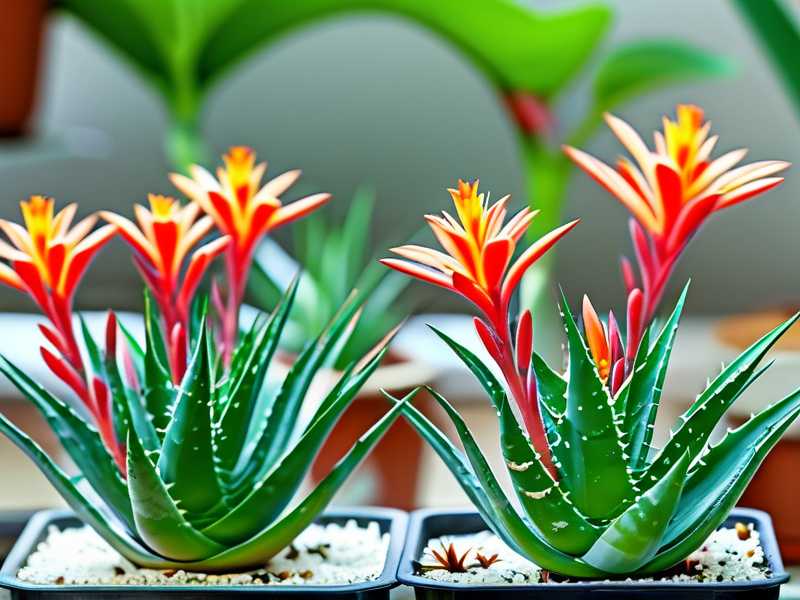
People think more is better. It’s not. For aloe, less is more. I tell them to use half the recommended amount.
Fertilizing After Repotting
I mentioned this earlier, but it’s worth repeating. Wait at least a month.
Ignoring the Season
Fertilizing in winter is a waste. The plant won’t use it.
Not Checking Soil pH
Aloe prefers slightly acidic to neutral soil. If the pH is off, the nutrients won’t be absorbed. I test my soil every few months.
FAQ About Resuming Fertilization for Aloe
Here are three questions I get all the time.
Can I use any fertilizer for my aloe?
No. Use a balanced liquid fertilizer diluted to half strength. Avoid high-nitrogen formulas, as they can cause leaf burn. I’ve seen people use lawn fertilizer, and it’s a disaster.
How often should I fertilize a recovering aloe?
Once every four weeks during the growing season. That’s spring and summer. In fall and winter, stop fertilizing entirely.
What if my aloe shows signs of stress after fertilizing?
Stop fertilizing immediately. Flush the soil with water to remove excess salts. Then let the soil dry out completely before watering again. I’ve done this several times, and it usually saves the plant.
Final Thoughts on Resuming Fertilization
Honestly, fertilizing aloe plants isn’t rocket science. But you have to be patient. I’ve learned that the hard way. Start with mild fertilization, watch the plant closely, and adjust as needed. If you follow the steps I’ve shared, you’ll see results in two weeks. And remember, 90% of indoor plants die from overwatering, but with the right approach, your aloe will thrive. I’ve been doing this for years, and it works every time. Just take it slow, and don’t rush the process.