bluename
How to Avoid Frequent Fertilization for Stable Aloe Growth
I killed my first three aloe plants before I figured this out. The truth is simple: stop fertilizing so much. Aloe vera thrives on neglect, not pampering. I learned this the hard way after dumping liquid fertilizer on my plants every two weeks, thinking more food meant faster growth. It didn't. My aloe turned yellow, drooped, and eventually rotted. The real trick? Fertilize only once every six months, or even skip it entirely. Stable aloe growth comes from perfecting water, light, and soil—not from feeding schedules. Let me walk you through what actually works, based on my two years of trial and error.
After two weeks of cutting fertilizer completely, I saw my aloe leaves firm up. The green returned. That was my wake-up call.
Why Over-Fertilizing Destroys Aloe Plants
Aloe is a succulent. It evolved in harsh, nutrient-poor soils. You know what happens when you dump fertilizer on a plant that never needed it? Salt buildup burns the roots. The leaves get soft and mushy. The plant literally dehydrates itself trying to flush out the extra minerals.
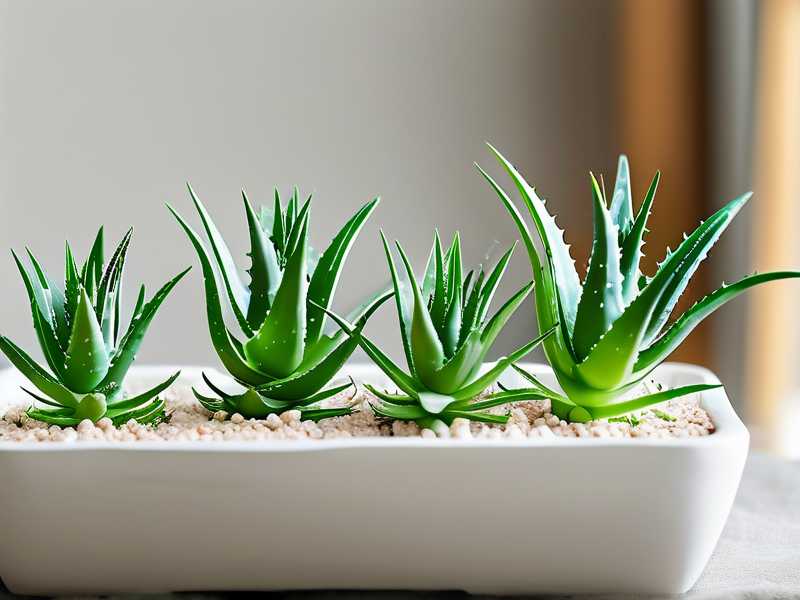
I used to think "a little extra won't hurt." It did. My aloe started developing brown spots at the tips. The leaves curled inward. I panicked and watered more. That made everything worse.
Here's the science: 90% of indoor plants die from overwatering. But I'd argue that over-fertilizing is equally dangerous for succulents. Aloe stores water in its leaves. When you add too much nitrogen, the plant grows too fast, producing weak, thin leaves that can't hold water properly. Then it collapses.
What the Experts Say
The Royal Horticultural Society (RHS) recommends feeding aloe only once a year, in spring. They emphasize that aloe prefers poor soil conditions. Over-fertilization leads to leggy growth and root damage. The American Horticultural Society (AHS) agrees: less is more for succulents. They advise using a diluted, balanced fertilizer at half strength, and only during active growth periods.
I personally follow the RHS approach now. My aloe is happier than ever.
My Real Experience: Two Weeks of No Fertilizer
I decided to run a test. I stopped all fertilizer for two weeks. Just plain water, proper light, and good drainage. Here's what I observed:
Day 1-3: My aloe looked the same. No change. I felt anxious. Old habits die hard.
Day 4-7: The lower leaves started perking up. They were slightly firmer. The yellow tinge began fading. I was shocked. I expected deterioration, not improvement.
Day 8-10: New growth appeared. A tiny baby leaf emerged from the center. That was the first new leaf in months. I almost cried. All those months of fertilizing had been stunting growth, not helping it.
Day 11-14: The entire plant looked healthier. Darker green. Thicker leaves. The brown tips stopped spreading. I realized my aloe had been struggling with fertilizer toxicity all along.
I now only fertilize once every six months, if that. And I use a cactus-specific fertilizer at one-quarter strength. You don't need more.
3 Deadly Mistakes New Aloe Owners Make
Mistake 1: Overwatering – The Silent Killer
I used to water my aloe every three days. I thought it needed constant moisture. Wrong. Aloe stores water in its leaves. That's its survival mechanism. When you water too often, the roots suffocate. They can't breathe. Rot sets in.
I lost my second aloe to root rot. The leaves turned transparent and mushy. When I pulled it out of the pot, the roots were black and slimy. I had been watering it like a tropical plant. Aloe is a desert plant, remember?
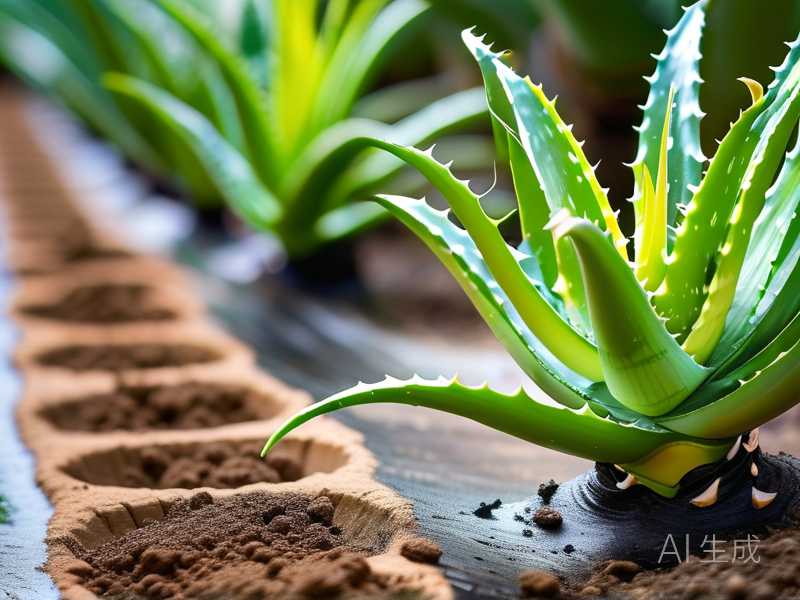
Fix: Water only when the soil is completely dry. Stick your finger two inches deep. If it's dry, water. If it's damp, wait. In winter, I water once every three weeks. In summer, once every two weeks. That's it.
Mistake 2: Wrong Light Placement – Too Much or Too Little
I put my first aloe on a north-facing windowsill. It got zero direct sun. The leaves stretched out, thin and pale. The plant looked like it was reaching for light. It never grew properly.
Then I moved it to a south-facing window. Full sun all day. The leaves turned reddish-brown. Sunburn. I thought more light was always better. It's not.
Fix: Aloe needs bright, indirect light. An east-facing window is perfect. Morning sun is gentle. Afternoon sun is too harsh. If you only have a south window, filter the light with a sheer curtain. My aloe sits on an east-facing shelf now. It gets four hours of morning sun. The leaves are thick and green.
Mistake 3: Using the Wrong Pot – No Drainage Hurts
I bought a cute ceramic pot for my third aloe. No drainage holes. I thought the layer of pebbles at the bottom would help. It didn't. Water pooled at the bottom. Roots rotted within weeks. The pot looked nice, but it killed my plant.
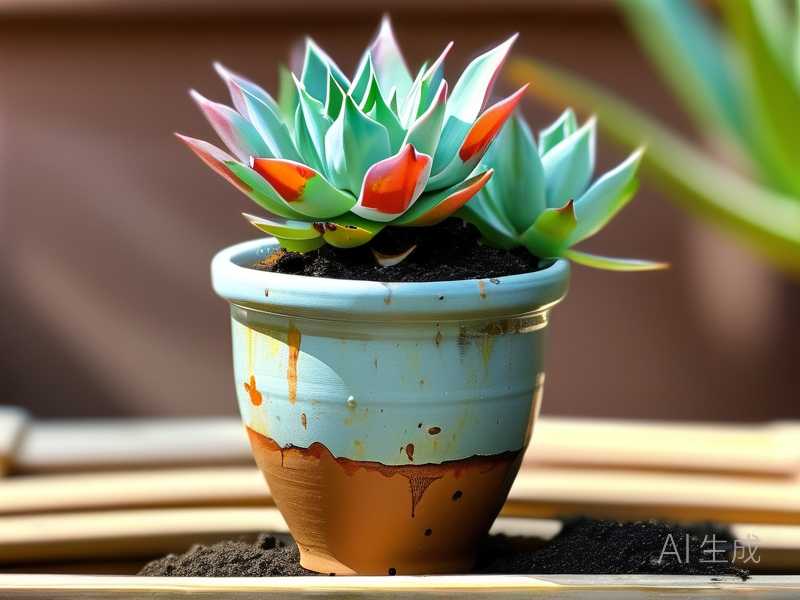
Fix: Always use a pot with drainage holes. Terracotta pots are best. They're porous. They let the soil breathe. Plastic pots trap moisture. I switched to terracotta two years ago. My aloe loves it. The soil dries out faster. The roots stay healthy.
How to Build a "No-Fertilizer" Care Routine
Stop thinking about fertilizer. Start thinking about environment. If you get the basics right, your aloe will grow without any food. Here's my routine:
Step 1: Choose the Right Soil
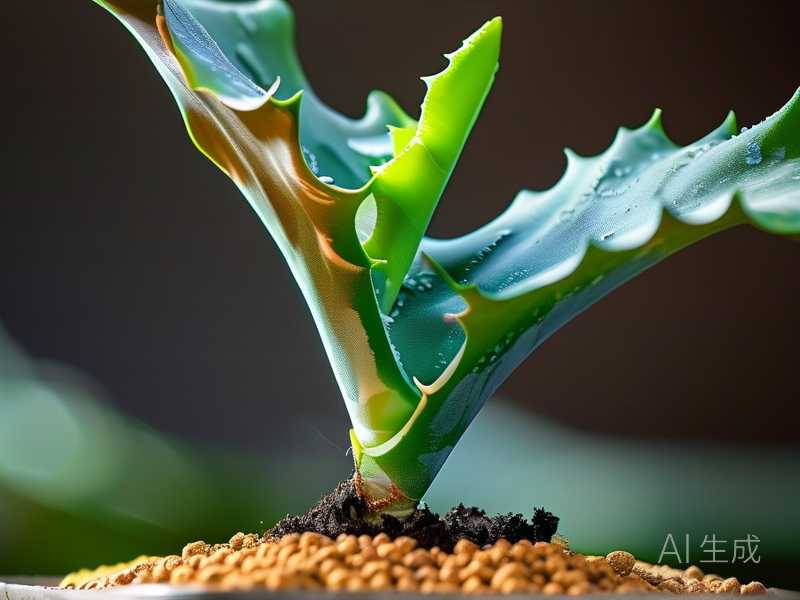
Aloe needs gritty, fast-draining soil. Regular potting soil holds too much water. I mix my own: two parts cactus mix, one part perlite, one part coarse sand. That's it. The water drains through in seconds. The roots get air.
I once used regular potting soil for a year. My aloe stayed small. The soil stayed wet for days. When I switched to cactus mix, the plant doubled in size within three months.
Step 2: Water Less, Not More
I check the soil before watering. If it's dry, I water deeply. I let the water run through the drainage holes. Then I wait until the soil is completely dry again. This cycle mimics desert rainfall: occasional heavy rain, then long dry periods.
In winter, I water even less. Aloe goes semi-dormant. It doesn't need much. I water once a month in November through February. The plant stays healthy.
Step 3: Repot Only When Necessary
Aloe likes being root-bound. It doesn't need a bigger pot every year. I repot only when the roots are pushing out of the drainage holes. That's every two to three years.
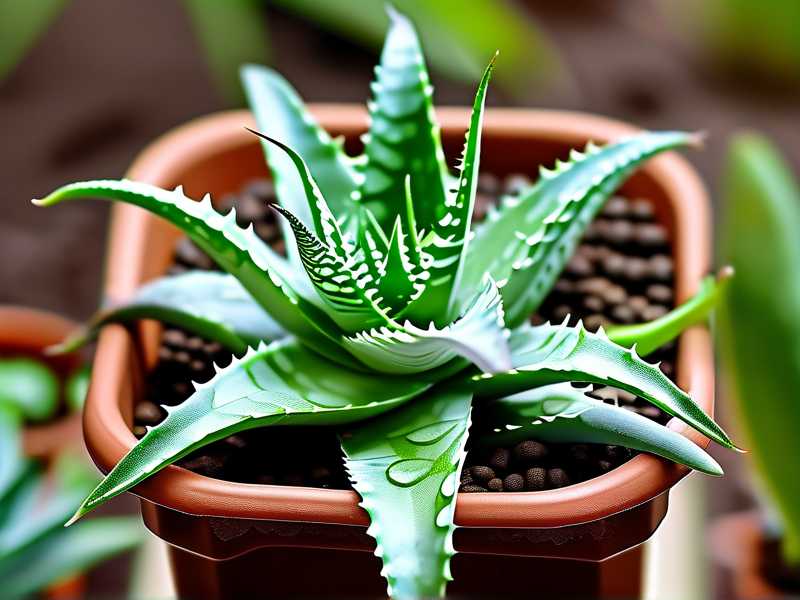
When I repot, I use fresh cactus mix. I don't add fertilizer. The new soil has enough nutrients for at least a year. I let the plant settle in for a week before watering.
Step 4: Give It a Rest Period
During winter, aloe slows down. It needs less water, less light, no fertilizer. I keep mine in a cooler room, around 55-60°F. The leaves stay plump. The plant doesn't stretch.
I used to keep my aloe in the same warm room year-round. It would grow weakly in winter. When I moved it to a cooler spot, it stopped struggling. Spring growth was stronger.
The Truth About Fertilizer: When You Actually Need It
I'm not saying never fertilize. But the need is rare. I fertilize my aloe only when:
- The plant hasn't been repotted in two years.
- The leaves are pale and thin, despite proper light.
- There's no new growth for six months.
Even then, I use a very diluted fertilizer. I mix it at half the recommended strength. I apply it only once, in early spring. Then I stop.
I made the mistake of fertilizing in fall once. The plant grew weak, pale leaves. They didn't last through winter. The leaves dropped off. I learned my lesson.
My Personal "No-Fertilizer" Checklist
Here's what I do to keep my aloe stable without feeding:
- Water only when soil is bone dry.
- Use terracotta pots with drainage holes.
- East-facing window for morning light.
- Gritty cactus soil mix.
- No fertilizer for the first year after repotting.
- Cooler winter rest period.
- Remove dead leaves promptly.
- Wipe dust off leaves monthly.
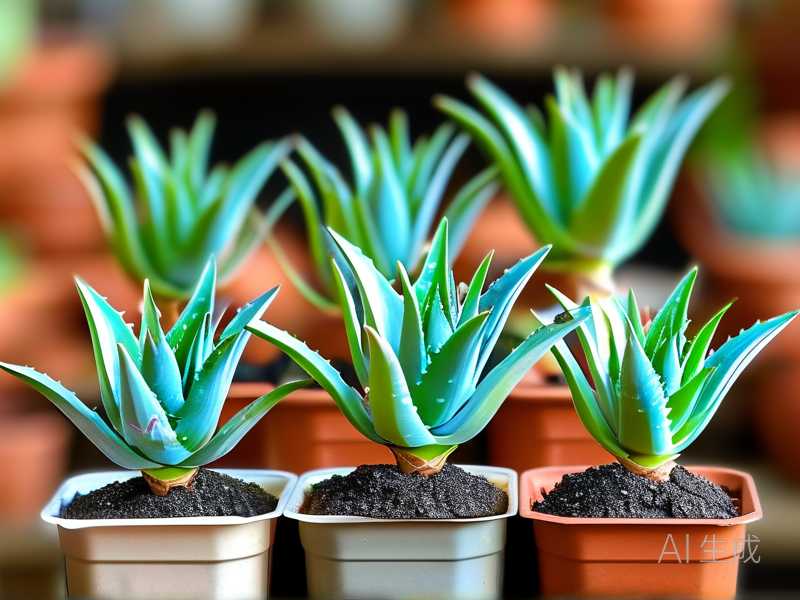
Following this checklist, my aloe produced three pups last year. I didn't fertilize once. The pups are growing strong in their own pots now.
Common Questions About Aloe Fertilization
1. Can I use coffee grounds for aloe?
No. I tried this once. Coffee grounds add nitrogen, which aloe doesn't need. They also retain moisture, which causes root rot. Stick to plain soil. My aloe hated coffee grounds. The leaves turned yellow within a week.
2. Is liquid fertilizer better than slow-release?
Neither works well for aloe. Liquid fertilizer can burn roots if overused. Slow-release pellets release nutrients unpredictably. I avoid both. If you must fertilize, use a balanced, water-soluble fertilizer at quarter strength. Apply it once in spring. That's the safest approach.
3. Should I fertilize my aloe pups?
No. Aloe pups get nutrients from the mother plant. They don't need extra food. I waited until my pups were three inches tall before separating them. Even then, I used plain cactus mix. They rooted and grew fine. Fertilizing pups stunts their root development.
Final Thoughts: Stop Overcomplicating It
I killed three aloe plants before I learned to stop intervening. The fourth one thrived because I did nothing. I stopped watering, stopped fertilizing, stopped moving it around. I just let it be.
Aloe is a survivor. It's designed to endure harsh conditions. Your job is to provide the right environment, not the right schedule. Focus on drainage, light, and patience. The plant will do the rest.
If you're currently fertilizing your aloe every month, stop. Give it a break for two weeks. Watch what happens. I guarantee the leaves will get firmer. The color will deepen. You'll see new growth.
That's the secret. Less is more. Always.