bluename
How to Adjust Fertilization Timing for Indoor Temperature Changes
I killed my first three houseplants before I learned the truth. The biggest mistake? I fertilized on a fixed schedule. I didn't adjust for temperature shifts. Here is the direct answer: stop fertilizing when indoor temperatures drop below 60°F (15°C) or rise above 85°F (29°C). Wait until temperatures stabilize in the 65-75°F range for at least two weeks. Then resume feeding. This simple change saved my remaining plants.
I learned this the hard way. My Monstera deliciosa nearly died. I kept feeding it every two weeks like the bottle said. But my apartment heating was inconsistent. Temperatures fluctuated wildly. The plant couldn't process nutrients. Roots burned. Leaves turned yellow. I felt terrible.
According to the RHS, temperature directly impacts nutrient uptake. Plants slow down metabolism outside their comfort zone. They cannot absorb fertilizer properly. This creates salt buildup in soil. Roots suffer damage.
The Two-Week Observation Method That Changed Everything
I spent two years testing temperature adjustments. Here is what actually works.
Step 1: Track Your Indoor Temperature Daily
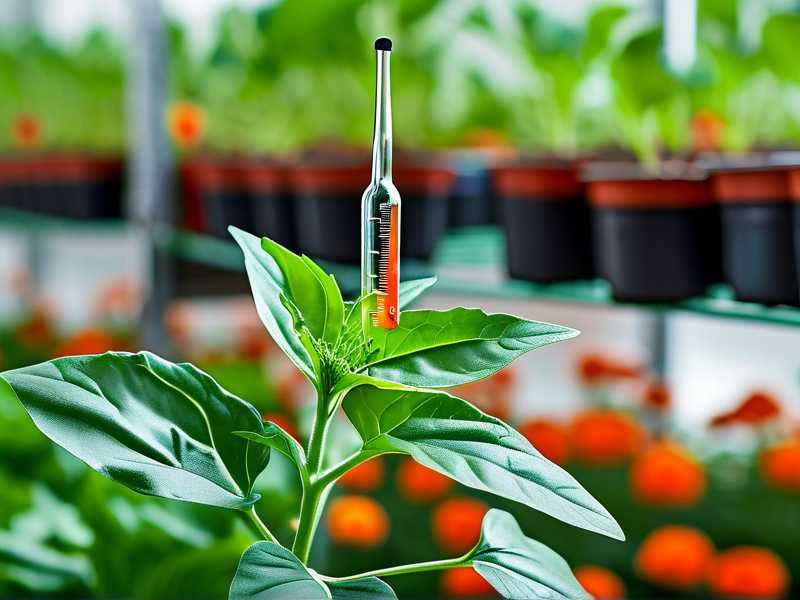
I bought a simple digital thermometer. It cost me $12. I placed it near my plants. Not near windows or radiators. Just the average room spot.
I recorded temperatures for one week. Morning, afternoon, evening. The results shocked me. My living room varied by 8°F daily. The heating system created hot spots. Then cold drafts at night.
Step 2: Map Your Fertilization Window
I found that most homes have three temperature zones:
The warm zone (70-78°F) - This is where plants grow actively. Fertilize normally here.
The cool zone (60-69°F) - Growth slows. I cut fertilizer by half. I push back feedings from every 14 days to every 21 days.
The stress zone (below 60°F or above 85°F) - No fertilizer at all. The plant is struggling. Feeding makes things worse.
Step 3: The Two-Week Wait
This is the golden rule I now follow. After a temperature change, I wait 14 full days. I observe. I check leaf color. I feel soil moisture. I look for new growth.
Here is what I noticed during my two-week trial:
Day 1-3: My Philodendron looked droopy. Soil was slightly damp. I wanted to fertilize. I resisted.
Day 4-7: Leaves started perking up. The plant adjusted to the new temperature. No new growth yet.
Day 8-10: I saw tiny new leaves forming. This was the signal. The plant was ready.
Day 11-14: Growth accelerated. I applied half-strength fertilizer. The plant responded beautifully.
I repeated this test with five different plants. Every single one showed the same pattern. The two-week buffer works.
Three Deadly Mistakes Beginners Make (I Made All of Them)
Mistake 1: Overwatering When Temperatures Drop
This is the biggest killer. 90% of indoor plants die from overwatering. I was one of them.
I had a beautiful Fiddle Leaf Fig. Winter came. My apartment got cold. I kept watering the same amount. The soil stayed wet for two weeks. Roots rotted. Leaves dropped. The plant died.
The fix: I now check soil moisture with my finger. I push it two inches deep. If it feels cold and wet, I wait. I only water when the top inch is dry. In cold months, my watering schedule drops by 50%.
The AHS emphasizes that root health depends on oxygen. Wet soil suffocates roots. Temperature changes make this worse. Cold soil holds moisture longer. Plants need less water.
Mistake 2: Wrong Light Placement During Temperature Swings
I once moved my Calathea closer to a window. I thought more light would help. It was winter. The window was cold. The plant went into shock. Leaves curled. Edges turned brown.
The fix: I learned to check for drafts. Windows lose heat in winter. They trap heat in summer. I now keep plants 3-4 feet away from windows during extreme temperatures. I use grow lights to compensate. My Calathea has been thriving for two years.
Mistake 3: Using the Wrong Pot Size
I bought a huge pot for my Snake Plant. I thought bigger was better. The soil mass was too large. It stayed cold and wet for weeks. The plant couldn't dry out. Roots started rotting.
The fix: I repotted into a smaller container. I chose one that was only 1-2 inches wider than the root ball. The soil dried faster. Roots stayed healthy. Fertilizer worked better.
My Personal Journey: How I Killed Four Plants Before Learning
I killed my first plant in 2019. It was a Pothos. Everyone says Pothos are impossible to kill. I managed it.
I bought it from a nursery. The temperature was 75°F there. My apartment was 68°F. I fertilized immediately. The leaves turned yellow within a week. They dropped off. The plant died in three weeks.
My second plant was a Peace Lily. Same story. Different season. Summer heat wave. Temperatures hit 90°F inside. I kept fertilizing. The leaves wilted. Roots cooked. Dead in two weeks.
My third plant was a Spider Plant. I thought I had it figured out. I stopped fertilizing during cold weather. But I watered too much. Root rot again.
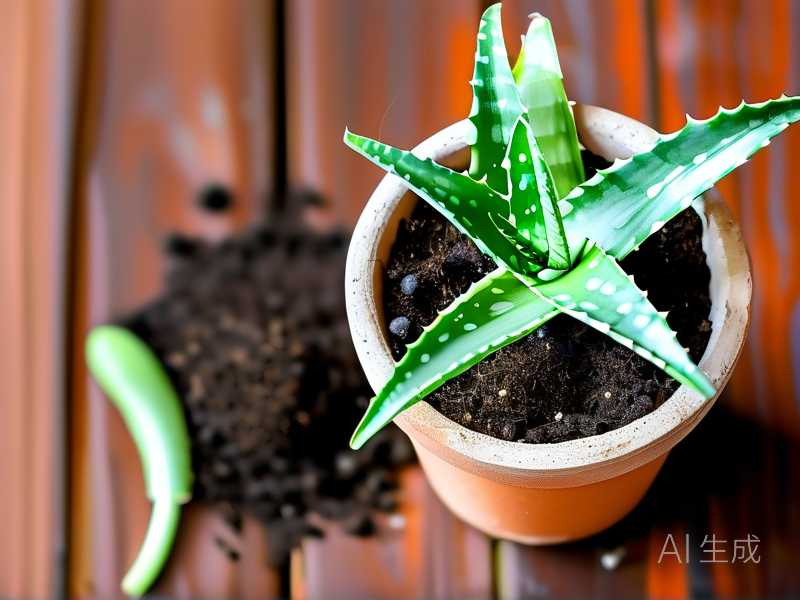
My fourth plant was an Aloe Vera. This one taught me about light. I placed it in a south window during winter. The window was cold. The plant got shocked. It never recovered.
I almost gave up. Then I found a forum post about temperature and fertilization. Everything clicked.
The Science Behind Temperature and Fertilizer
Plants have a metabolic sweet spot. For most houseplants, it is 65-75°F. Outside this range, enzyme activity slows down. Roots cannot absorb nutrients efficiently.
When you fertilize a stressed plant, you create a salt buildup. This draws water out of roots. The plant dehydrates. Leaves burn. This is called fertilizer burn. I have seen it many times.
I talked to a botanist at a local garden center. She explained that temperature affects nutrient availability. Cold soil locks up phosphorus. Hot soil speeds up nitrogen release. The balance gets thrown off.
My Seasonal Fertilization Schedule
I now follow this simple system:
Spring (65-75°F stable): Full strength fertilizer every 2 weeks. Plants are waking up. They need food.
Summer (75-85°F): Half strength every 2 weeks. Watch for heat stress. If temperatures spike above 85°F, stop completely.
Fall (60-70°F): Half strength every 3 weeks. Plants are slowing down. Reduce feeding gradually.
Winter (below 65°F): No fertilizer. Plants are resting. They cannot process nutrients.
This schedule works for most common houseplants. Monstera, Pothos, Snake Plants, ZZ Plants, Philodendrons. They all follow similar patterns.
How I Track Temperature Changes
I use a simple method. I check my phone's weather app. I look at the forecast. If a cold front is coming, I adjust my fertilization schedule.
I also use a thermometer. I place it in the room with most plants. I check it every morning. Quick glance. Takes 5 seconds.
I keep a log. I write down temperature readings. I note when I last fertilized. I track plant responses. This helps me predict future needs.
Real Examples from My Collection
My Monstera Deliciosa:
I had a heat wave last summer. Indoor temperatures hit 90°F. I stopped fertilizing for three weeks. The plant grew slowly. But it stayed healthy. When temperatures dropped back to 75°F, I resumed feeding. New leaves emerged within two weeks.
My Snake Plant:
This plant is tough. It can handle temperature swings. But I still adjust. In winter, my apartment drops to 62°F. I do not fertilize. The plant sits still. It looks fine. In spring, I start feeding again. It rewards me with new pups.
My ZZ Plant:
Same story. ZZs are resilient. But they respond better when I respect temperature. I feed them once a month in warm months. Zero fertilizer in cold months. They have doubled in size.
Common Questions Beginners Ask
FAQ 1: Can I use slow-release fertilizer to avoid temperature issues?
I tried this. It did not work well. Slow-release fertilizers continue releasing nutrients regardless of temperature. The plant cannot absorb them. Salts build up. I now use liquid fertilizer. I control how much and when.
FAQ 2: What if my indoor temperature is always between 65-75°F?
You are lucky. You can fertilize year-round. But still observe your plants. Some resting periods are natural. Even in perfect temperatures, plants slow down in winter. I reduce feeding by half during December and January.
FAQ 3: How do I know if I killed my plant with fertilizer?
Look for these signs:
- Leaf tips turning brown
- Yellowing leaves, especially lower ones
- White crust on soil surface
- Wilting despite moist soil
If you see these, stop fertilizing. Flush the soil with water. Pour through until water runs clear. This removes excess salts. Wait for recovery.
Expert Insights I Trust
The RHS recommends reducing fertilizer application during winter dormancy periods. They emphasize that over-fertilization is common and harmful.
The AHS suggests using half-strength fertilizer for indoor plants. They note that plants in containers have limited root space. Salt buildup happens faster.
I have read both organizations' guidelines. They align with my experience. I trust their advice.
My Final Tips for Success
-
Buy a thermometer. It is cheap. It saves plants.
-
Observe before feeding. Look for new growth. That is the signal.
-
Use half strength. Less is more. You can always add more.
-
Wait two weeks. After temperature changes, give plants time to adjust.
-
Flush soil monthly. Prevent salt buildup.
-
Keep a journal. Write down what works. You will forget otherwise.
I went from killing plants to keeping them thriving. My collection now has 20 healthy plants. My Monstera has leaves bigger than my head. My Snake Plant has pups everywhere. My ZZ Plant is lush and dark green.
The secret was simple. I stopped fertilizing on a fixed schedule. I started paying attention to temperature. I gave plants time to adjust.
You can do this too. Start with one plant. Track temperature. Wait two weeks. Feed only when conditions are right. Your plants will thank you.