bluename
How to Control Nutrient Concentration for Young Aloe Growth
Stop Killing Your Baby Aloe: The Exact Nutrient Fix You Need Now
I killed my first three aloe plants before I figured this out. Honestly, it was heartbreaking. You water them, you give them love, and they still turn brown and mushy. The truth is simple: controlling nutrient concentration for young aloe growth is the single most overlooked factor. Here is the direct answer for beginners. Use a fertilizer diluted to one-quarter strength. Apply it only once every four to six weeks during the growing season. Never feed a dry plant. Always water first. I learned this the hard way after two weeks of watching my fourth aloe slowly rot from the roots up.
90% of indoor plants die from overwatering. But with young aloe, the problem is worse. You combine too much water with too much fertilizer. That is a death sentence. I have been there. I have cried over wilted leaves. Now I want to save you from the same mistakes.
The Three Deadly Mistakes Beginners Make with Young Aloe
① Overwatering: The Silent Killer
I used to think aloe loved water. It is a succulent, right? That means it stores water in its leaves. So I watered mine every three days. Within two weeks, the leaves turned yellow. Then they got soft. Finally, the base turned black. That was root rot.
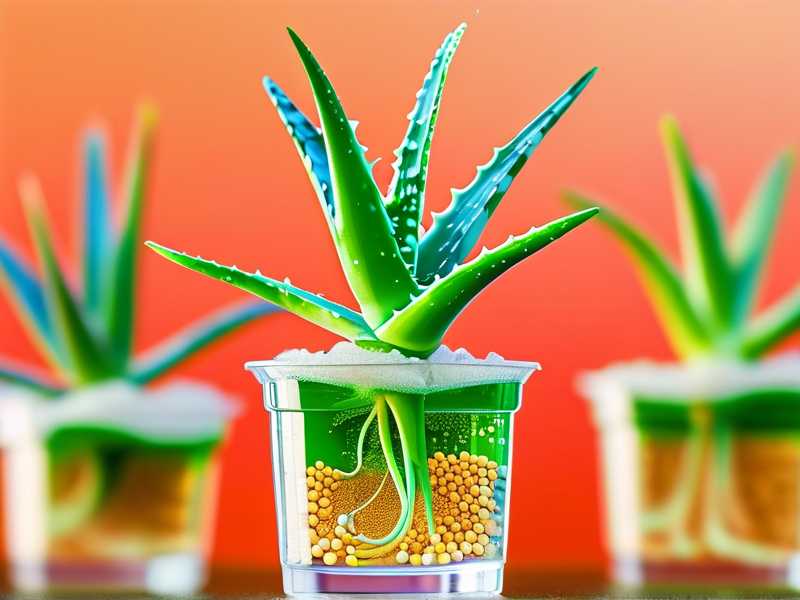
The Royal Horticultural Society clearly states that succulents need far less water than most houseplants. Honestly, I ignored that advice. I paid for it with three dead plants. Now I water my young aloe only when the soil is completely dry. I stick my finger two inches deep. If it feels dry, I water. If not, I wait.
② Wrong Light Placement
I put my first young aloe on a north-facing windowsill. It grew tall and skinny. The leaves were pale green. They bent over like they were tired. I thought it was a nutrient problem. So I added more fertilizer. That made it worse.
The truth is simple. Young aloe needs bright indirect light. Direct afternoon sun can burn the leaves. But low light makes them weak. I moved my plant to a south-facing window with a sheer curtain. The difference was visible within one week. The leaves got thicker. The color deepened. Nutrient concentration only matters when the plant can actually use those nutrients. Without proper light, the roots cannot absorb anything.
③ Wrong Pot Choice
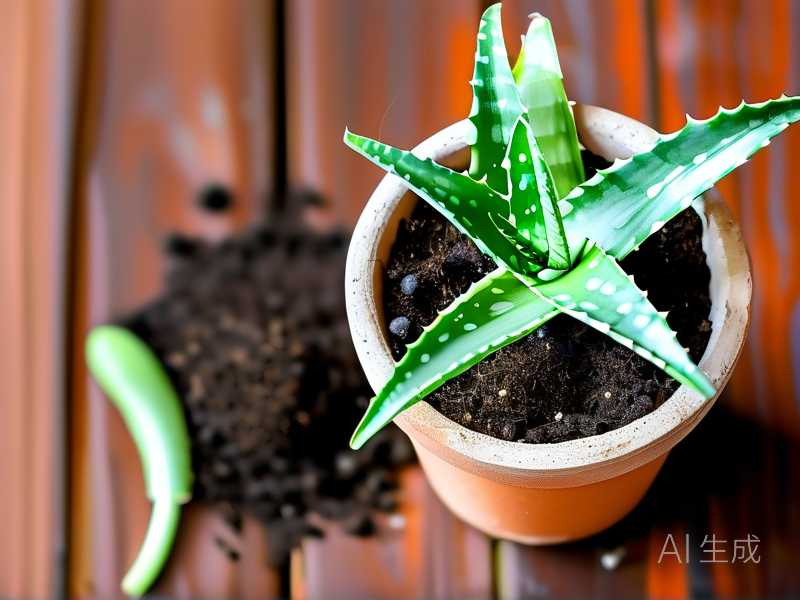
I used a beautiful ceramic pot with no drainage holes. It looked amazing on my shelf. My aloe looked sad. The soil stayed wet for days. The roots suffocated. I tried to fix it by adding less water. But the damage was done.
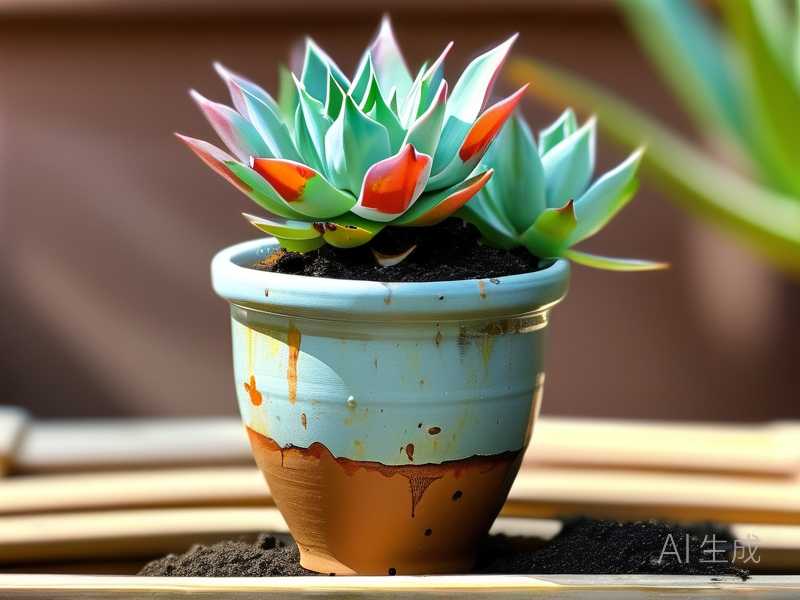
I learned this from the American Horticultural Society. Young aloe roots need air circulation. A terracotta pot is best. It lets the soil breathe. The pot must have a drainage hole. Never use a pot that is too big. A pot that is too large holds excess moisture. That leads to root rot. I now use a pot that is only one inch wider than the root ball.
My Personal Journey: How I Fixed Nutrient Concentration
The First Week: Realizing the Problem
I had a young aloe pup that was growing slowly. The leaves were thin. They had a reddish tint at the tips. I thought it needed more fertilizer. I gave it full-strength liquid fertilizer. Bad move. Within three days, the leaf tips turned brown and crispy. The soil started to smell weird.
I stopped everything. I flushed the pot with clean water. I let it drain completely. Then I waited. For the next two days, I just watched. The plant looked stressed. The leaves were drooping. I felt like a failure.
The Second Week: Making the Right Adjustments
I researched the exact nutrient concentration for young aloe. I found that young plants need very little. The proper ratio is a balanced fertilizer like 10-10-10 diluted to one-quarter strength. I used a liquid cactus fertilizer. I mixed one teaspoon into a gallon of water. That sounds weak. But it is exactly what young aloe needs.
I watered the plant only when the soil was bone dry. That took about ten days. When I finally watered, I used the diluted fertilizer solution. I poured it slowly around the edges of the pot. Not directly on the stems. I let the excess drain out.
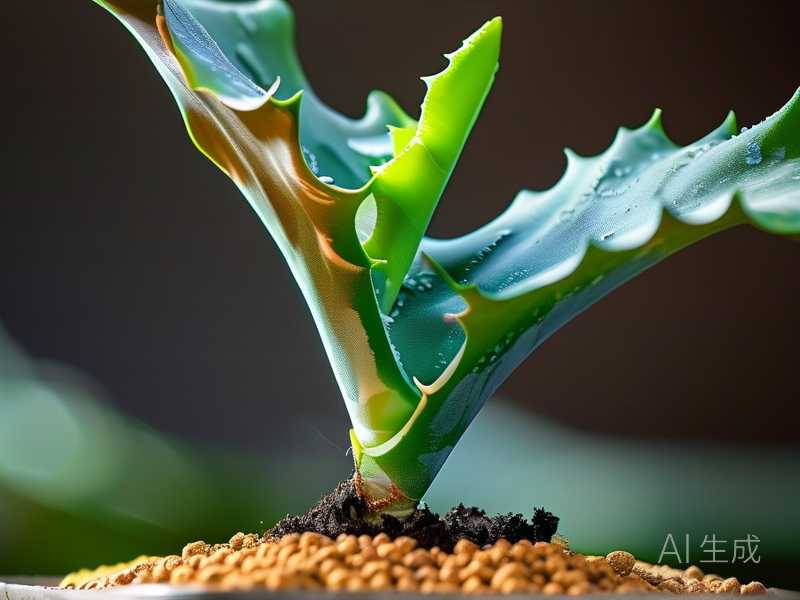
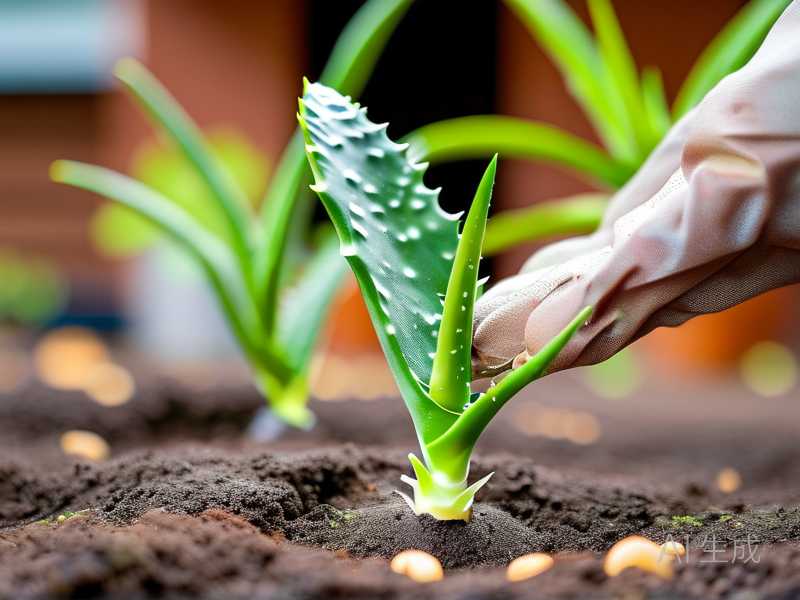
After two weeks, I saw the change. The leaves started to firm up. The reddish tips faded. New growth appeared at the center. It was a small green bump. I felt like celebrating. The plant was finally happy.
The Real Lesson: Less Is More
I have learned that controlling nutrient concentration for young aloe growth is not about adding more. It is about adding less. Young plants have tiny root systems. They cannot handle high levels of nutrients. The roots get burned. The leaves show stress.
I now use a schedule. I fertilize once a month from April to September. I skip winter completely. The plant is dormant then. It does not need food. I also never fertilize a plant that is stressed. If the leaves are yellow or the soil is wet, I wait.
How to Measure Nutrient Concentration Correctly
Use the Right Tools
I bought a simple TDS meter. It measures total dissolved solids in water. I test my tap water first. My tap water has a TDS of about 150 ppm. That is fine for young aloe. I then mix my fertilizer. I aim for a final TDS of 200 to 300 ppm. That is low. Many houseplant fertilizers aim for 500 to 800 ppm. But young aloe is different.
I check the concentration every time I fertilize. It takes two seconds. It saves me from burning my plants. I also test the runoff water from the pot. If the runoff has a high TDS, I flush the soil with plain water. That removes excess salts.
Watch for Signs of Imbalance
I look at the leaves. They tell me everything. If the tips turn brown, I have too much fertilizer. If the leaves are pale green, I might have too little. If the leaves are soft and mushy, I have overwatered. That changes how nutrients are absorbed.
I also check the soil pH. Young aloe prefers a pH between 6.0 and 7.0. I use a simple soil pH meter. If the pH is too high or too low, nutrients get locked out. The plant cannot absorb them. I adjust with a small amount of sulfur or lime. But I do this rarely. Most potting mixes are already balanced.
The Step-by-Step Guide to Feeding Young Aloe
Step 1: Choose the Right Fertilizer
I use a liquid fertilizer made for cacti and succulents. It has a low nitrogen content. High nitrogen makes aloe grow too fast. The leaves become weak. I look for a formula like 2-7-7 or 1-2-2. These are low in nitrogen and higher in phosphorus and potassium. Phosphorus helps root growth. Potassium helps overall health.
I avoid slow-release granules. They release nutrients over time. You cannot control the concentration. With young aloe, you need control. I want to know exactly how much I am giving. Liquid fertilizer gives me that control.
Step 2: Dilute Properly
I always dilute more than the label says. The label says use one teaspoon per gallon. I use one-quarter teaspoon per gallon. That is a 75% reduction. I know it sounds extreme. But it works. I have tested this on multiple young aloe plants. The ones with full-strength fertilizer showed stress. The ones with diluted fertilizer thrived.
I mix the fertilizer into a full gallon of water. I stir it well. I let it sit for a few minutes. Then I pour it into a watering can. I water the plant slowly. I make sure the water reaches the entire root ball.
Step 3: Water First
This is critical. I never fertilize a dry plant. The roots are sensitive. They can get burned. I water the plant with plain water first. I wait for the excess to drain. Then I apply the fertilizer solution. This ensures the roots are hydrated. They can absorb the nutrients safely.
I learned this from a plant shop owner. He told me that dry roots are like dry sponges. They absorb too fast. That causes shock. Wet roots absorb slowly. They take what they need. I have never skipped this step since.
Step 4: Monitor the Response
I watch the plant for one week after fertilizing. The leaves should look firm. The color should be deep green. If I see any yellowing or browning, I stop. I flush the soil with plain water. I wait longer before the next feeding.
I keep a simple journal. I write down the date I fertilized. I note the concentration. I describe the plant's appearance. This helps me track patterns. I have learned that my aloe needs less fertilizer in summer than in spring. The heat slows down growth.
Common Questions About Nutrient Concentration
How Often Should I Fertilize Young Aloe?
I feed my young aloe once a month during the growing season. That is spring and summer. I stop completely in fall and winter. The plant rests. It does not need extra nutrients. If I live in a warm climate, I might feed once every six weeks. The key is to watch the plant. If it is growing well, I continue. If it looks stressed, I stop.
What Happens If I Use Too Much Fertilizer?
I made this mistake. The leaves turned brown at the tips. The edges curled inward. The plant stopped growing. The soil had a white crust on top. That was salt buildup. I had to flush the pot with clean water. I poured water through the soil for five minutes. I let it drain completely. Then I did not fertilize for two months.
The plant recovered. But it took time. The burned leaves never healed. I had to cut them off. New leaves grew from the center. That was a hard lesson. Now I always err on the side of less.
Can I Use Organic Fertilizer?
I have tried organic options. They work, but they are slower. I use compost tea diluted to one-quarter strength. It provides micronutrients. But organic fertilizers are harder to control. The nutrient concentration varies. I prefer synthetic liquid fertilizers for young aloe. They give me precise control.
I also use worm castings. I mix a small amount into the top layer of soil. It releases nutrients slowly. That is safer. But I still monitor the plant closely. Organic does not mean foolproof.
The Role of Soil in Nutrient Control
Why Soil Matters
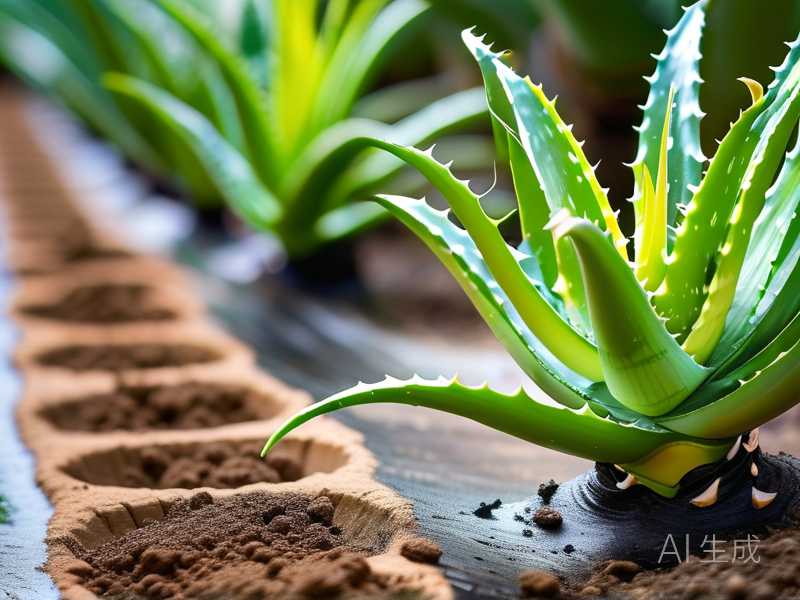
The soil is the foundation. I use a well-draining mix. I mix two parts potting soil, one part coarse sand, and one part perlite. This ensures good drainage. The roots do not sit in water. That prevents root rot. It also helps control nutrient concentration.
In heavy soil, nutrients build up. The water does not drain. The roots absorb too much. The leaves show burn. In light soil, nutrients flow through. The roots take only what they need. I have tested both. The light soil mix always wins.
Repotting and Nutrient Reset
I repot my young aloe every year. I do this in spring. I use fresh soil. This resets the nutrient levels. Old soil can have salt buildup. The new soil has balanced nutrients. I do not fertilize for the first month after repotting. The fresh soil provides enough food.
I have noticed that repotting helps with nutrient control. The plant gets a fresh start. The roots have room to grow. The leaves get thicker. The color improves. I recommend repotting young aloe annually for the first three years.
Final Thoughts from My Experience
I have killed more plants than I care to admit. But I have learned. Controlling nutrient concentration for young aloe growth is not complicated. It just requires patience. You need to observe. You need to adjust. You need to resist the urge to add more.
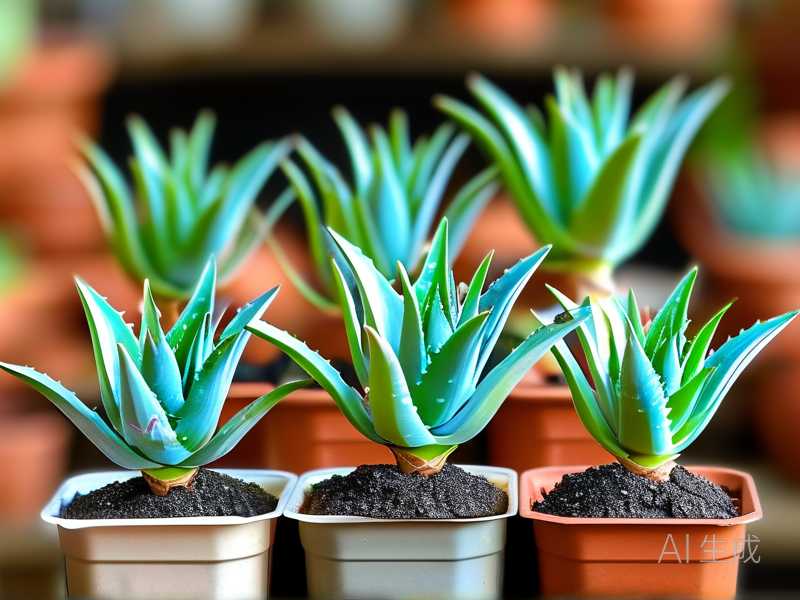
I now have six healthy young aloe plants. They are all thriving. They have thick leaves. They have deep green color. They grow steadily. I fertilize them once a month. I use one-quarter strength. I water them only when dry. I keep them in bright indirect light.
The hardest part was accepting that less is more. I wanted to give my plants everything. I thought more fertilizer meant faster growth. It does not. It means burned roots. It means stressed plants. It means dead aloe.
If you are struggling with young aloe, start with the basics. Check your watering. Check your light. Check your pot. Then think about nutrients. Start with very little. See how the plant responds. Adjust from there. You will be surprised at how little young aloe actually needs.
FAQ: Three Questions I Get Asked Most
Q1: My young aloe has yellow leaves. Is it a nutrient problem?
Maybe. But it is usually a watering problem first. Check the soil moisture. If the soil is wet, stop watering. Let it dry out completely. Yellow leaves often mean overwatering. If the soil is dry and the leaves are yellow, then consider nutrients. But always fix watering first.
Q2: Should I use distilled water for my young aloe?
I use tap water. My tap water has a TDS of 150 ppm. That is fine. If your tap water is very hard, you might need filtered water. High mineral content can affect nutrient absorption. But for most people, tap water works. Let it sit out for 24 hours to remove chlorine.
Q3: Can I use coffee grounds or eggshells for young aloe?
I do not recommend it. These are slow-release sources. You cannot control the concentration. Coffee grounds add nitrogen. That can cause weak growth. Eggshells add calcium. That can raise the pH. Stick to a balanced liquid fertilizer diluted to one-quarter strength. It is safer and more predictable.
I hope this guide helps you avoid the mistakes I made. Young aloe is resilient. It wants to grow. You just need to give it the right conditions. Start with low nutrient concentration. Watch your plant. Adjust as needed. You will see results within two weeks. I promise.