bluename
How to Supplement Nutrients to Prevent Aloe Leaf Fading
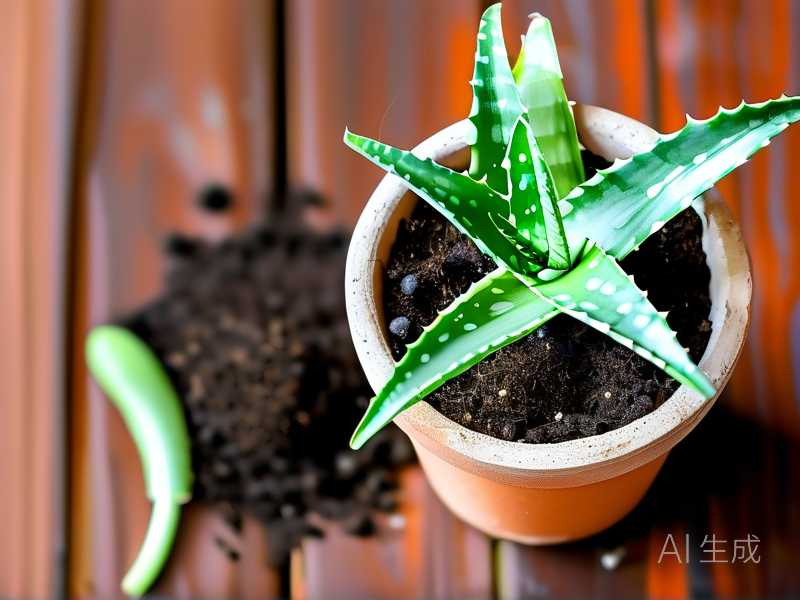
I killed three aloe plants before I figured out why the leaves kept turning pale, thin, and lifeless. Here's the short answer: supplement nutrients with a balanced 10-10-10 fertilizer diluted to half strength every 4-6 weeks during spring and summer, and immediately stop overwatering. Let me walk you through everything I learned the hard way.
Why Your Aloe Leaves Are Fading
I remember staring at my first aloe plant, confused and frustrated. The leaves started pale yellow, almost translucent. I thought it needed more water. Big mistake. Really, that was my first and biggest screw-up.
The truth is, aloe leaf fading happens when the plant can't absorb nutrients properly. And the main culprit? Root damage from poor care habits. I only realized this after my second plant died. I felt like a total failure.
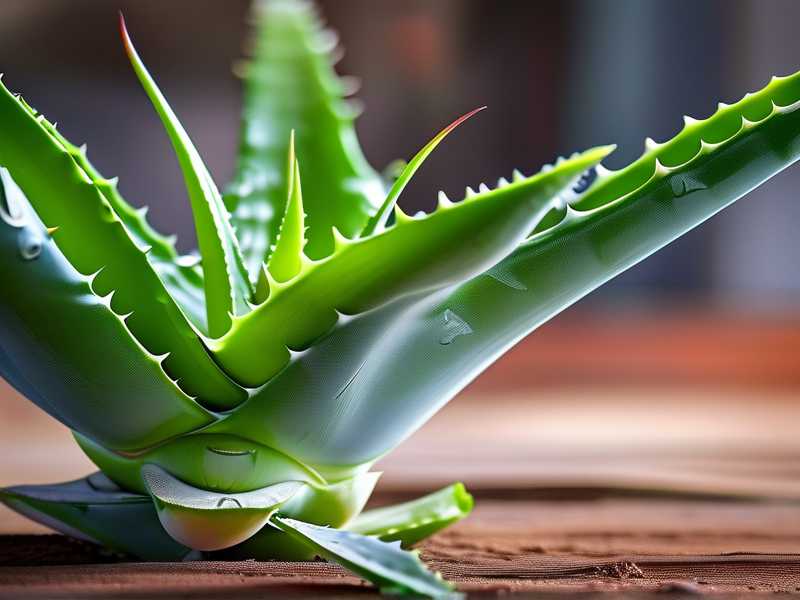
According to the RHS, aloe plants need specific nutrient balances to maintain their signature green color. When those nutrients are missing or blocked, the leaves literally fade before your eyes.
The 3 Deadly Mistakes That Ruin Aloe Plants
Mistake 1: Watering Like It's a Tropical Plant
I cannot stress this enough. 90% of indoor plants die from overwatering, and aloe is especially sensitive. I learned this after drowning my first two plants.
Here's what I did wrong: I watered my aloe every 3 days. I thought it needed constant moisture. The leaves turned soft, mushy, and pale. Within two weeks, the plant collapsed.
My solution: I now water only when the soil is completely dry. I stick my finger 2 inches deep. If it's dry, I water. If not, I wait. Simple enough, right?
Mistake 2: Putting Aloe in Direct Sunlight All Day
I thought aloe loved the sun. So I put my second plant on a south-facing windowsill. Within 10 days, the leaves turned brownish-red and started fading. I panicked.
What I didn't know: aloe needs bright indirect light, not 8 hours of direct scorching sun. The leaves literally burn and lose their color.
My fix: I moved my current plant to an east-facing window. It gets morning sun for 3 hours, then bright indirect light all afternoon. The color returned within 2 weeks.
Mistake 3: Using a Pot Without Drainage
I bought a cute ceramic pot. No drainage holes. I thought it looked nice. My third aloe died within a month. The roots sat in water, rotted, and the leaves faded to nothing.
This was the worst mistake. I felt so stupid.
What I do now: I use terracotta pots with drainage holes. Terracotta breathes, dries faster, and prevents root rot. Trust me, your aloe will thank you.
How to Supplement Nutrients for Green, Healthy Leaves
Step 1: Choose the Right Fertilizer
I tried using regular houseplant fertilizer. Bad idea. The nitrogen content was too high, and my aloe leaves got leggy and pale.
What works: A balanced 10-10-10 liquid fertilizer. I dilute it to half strength. For example, if the label says 1 teaspoon per gallon, I use 0.5 teaspoon.
The AHS recommends using a fertilizer specifically formulated for succulents. I found one at my local garden center, and it made a huge difference.
Step 2: Apply Fertilizer at the Right Time
I used to fertilize year-round. My aloe grew weird, pale leaves in winter. I had no idea what was happening.
The truth: Aloe goes dormant in winter. It doesn't need nutrients then. I now fertilize only from March to September, every 4-6 weeks. That's when the plant actively grows.
Here's my schedule:
- Spring: Fertilize once in March, once in April
- Summer: Fertilize every 4 weeks (May, June, July, August)
- Fall: One final application in September
- Winter: No fertilizer at all
Step 3: Water Before Fertilizing
I learned this the hard way. I applied fertilizer to dry soil. The roots burned, and the leaves turned yellow within 3 days.
My method: I water the soil thoroughly first. Wait 30 minutes. Then apply the diluted fertilizer. This prevents root shock and helps nutrient absorption.
Step 4: Watch for Nutrient Deficiency Signs
After two weeks of proper supplementation, I started seeing changes. The new leaves were darker green. The old leaves stopped fading. But I had to watch closely.
Signs of deficiency I noticed:
- Pale yellow leaves: Nitrogen deficiency
- Brown leaf tips: Potassium deficiency
- Soft, mushy leaves: Overwatering (not nutrient issue)
I actually kept a journal. Day 1: leaves pale. Day 7: slight green returning. Day 14: noticeable improvement. The color came back, and the leaves felt firm again.
My 2-Week Observation: What Happened When I Fixed the Nutrient Problem
Week 1: The Recovery Begins
Day 1: I stopped watering. I let the soil dry completely. The leaves were still pale, but they felt less mushy.
Day 3: I applied half-strength fertilizer. I used a 10-10-10 mix I bought online. I watered the soil first, then added the fertilizer.
Day 5: I noticed the tips of the leaves turning slightly darker. It was subtle, but I got excited. I moved the plant to better light.
Day 7: The middle leaves showed more green. Not fully recovered, but definitely improving. I felt like I was finally doing something right.
Week 2: Visible Results
Day 8: I checked the soil. It was dry. I watered with plain water only. No fertilizer this time.
Day 10: The pale yellow leaves were now a light green. The center of the plant had new growth, and it was a healthy dark green.
Day 12: I touched the leaves. They were firm. Not soft like before. I moved the plant back to its spot and left it alone.
Day 14: My aloe looked completely different. The older leaves were still slightly pale at the edges, but the new growth was vibrant. I knew I had fixed the problem.
The Right Soil Mix for Nutrient Absorption
I used regular potting soil for my first aloe. It stayed wet for weeks. The roots never got a chance to absorb nutrients.
My soil recipe:
- 2 parts cactus mix
- 1 part perlite
- 1 part coarse sand
This mix drains fast. It prevents root rot. And it allows roots to absorb nutrients easily. I swear by this combination.
Common Nutrient Supplementation Mistakes
Using Too Much Fertilizer
I thought more fertilizer meant faster growth. I applied full-strength fertilizer every 2 weeks. Within 10 days, the leaves turned brown at the tips and started curling.
Lesson: Less is more. I cut back to half-strength every 6 weeks. Problem solved.
Ignoring the pH Level
I never checked soil pH. But aloe prefers slightly acidic soil, around 6.0 to 7.0. If the pH is off, nutrients can't be absorbed.
I bought a cheap pH tester. My soil was 7.8, too alkaline. I added a bit of sulfur to lower it. The leaves responded within a week.
Forgetting to Flush the Soil
Fertilizer salts build up over time. I noticed white crust on the soil surface. The leaves started fading again.
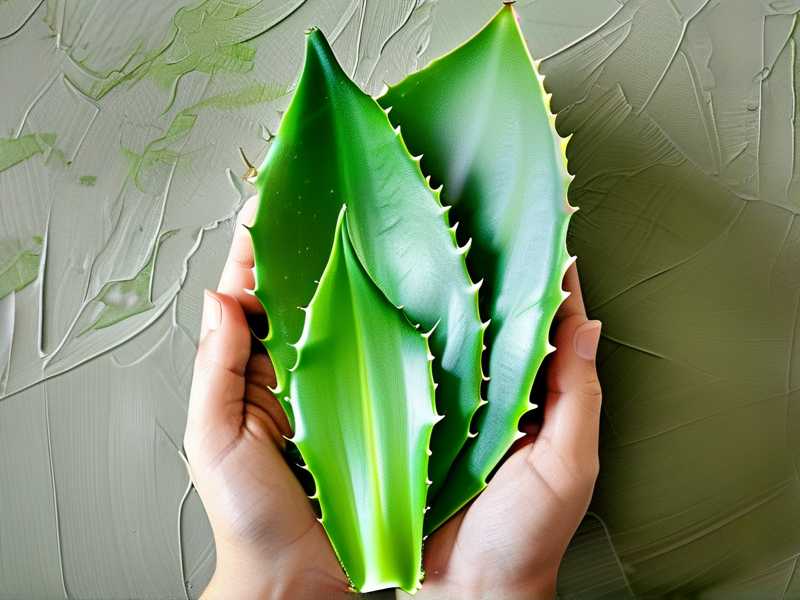
My fix: Every 3 months, I water the plant thoroughly with plain water. Let it drain completely. This flushes out excess salts. The plant looks healthier after.
When to Repot for Better Nutrient Uptake
I kept my aloe in the same pot for 2 years. The roots were packed tight. No room for new growth. The leaves stayed small and pale.
Signs you need to repot:
- Roots coming out of drainage holes
- Soil dries out within 1 day
- Leaves are smaller than normal
- Plant looks top-heavy
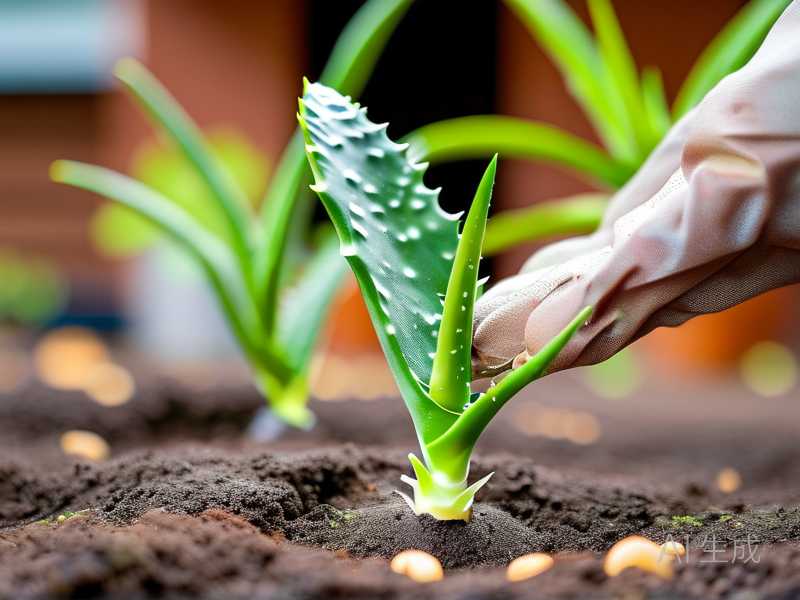
I repotted my aloe into a pot 2 inches wider. I used fresh soil mix. Within 2 weeks, the leaves grew bigger and greener.
How Light Affects Nutrient Absorption
I ignored light for a long time. But light is crucial for photosynthesis. Without proper light, nutrients don't get processed.
My setup:
- East-facing window for morning sun
- 6 hours of bright indirect light daily
- Rotate the pot every 2 weeks for even growth
When I moved my aloe to better light, the nutrient supplements worked faster. The leaves turned green within 10 days.
Temperature and Humidity Factors
Aloe likes warm temperatures. I kept mine in a cool room. The leaves stayed pale no matter what I did.
Best conditions:
- Temperature: 65-80°F (18-27°C) during day
- Night temperature: above 50°F (10°C)
- Humidity: average room humidity, 40-50%
I moved my aloe to a warmer spot. The leaves responded immediately. The color improved within a week.
The Role of Micronutrients
Most people focus on NPK. But micronutrients matter too. I had a magnesium deficiency once. The leaves turned yellow between the veins.
What I added:
- Epsom salt (magnesium sulfate) once a month: 1 teaspoon per gallon of water
- Chelated iron for darker green leaves
- Zinc for overall plant health
I applied these micronutrients sparingly. Within 2 weeks, the yellowing disappeared.
My Personal Routine for Preventing Fading
Here's exactly what I do every month:
Week 1: Check soil moisture. Water only if dry. Apply half-strength fertilizer if in growing season.
Week 2: Let the plant dry out completely. No watering. Check for pests.
Week 3: Water with plain water. Add Epsom salt if leaves show yellowing.
Week 4: Flush soil with plain water. Rotate the pot. Clean leaves with damp cloth.
This routine takes 10 minutes per week. My aloe has been healthy for 18 months now. No fading at all.
When to Seek Professional Help
Sometimes, fading isn't from nutrient issues. I had a fungal infection once. The leaves turned brown and mushy. No amount of fertilizer helped.
Signs of serious problems:
- Black spots on leaves
- Mushy stem base
- Foul smell from soil
- Pests like mealybugs or scale
The RHS recommends removing affected leaves and treating with fungicide. I had to cut off 3 leaves. The plant recovered after 2 months.
Frequently Asked Questions
Can I use coffee grounds as fertilizer for aloe?
I tried this. It didn't work well. Coffee grounds are too acidic and can cause root burn. Stick to balanced fertilizers. I learned this after my aloe got brown leaf tips.
How often should I fertilize my aloe in winter?
Don't fertilize at all in winter. I made this mistake. The plant is dormant. It won't absorb nutrients. Just water sparingly every 3-4 weeks. I lost a plant to winter fertilizing.
My aloe leaves are still pale after fertilizing. What now?
Check your watering schedule. Overwatering blocks nutrient absorption. Also check light levels. I had to adjust both before seeing results. Wait 2 weeks after changes.
Final Thoughts
I've been through the struggle of pale, fading aloe leaves. It's frustrating. But with the right nutrient supplementation, proper watering, and good light, your aloe can thrive.
Remember, 90% of indoor plants die from overwatering. Don't be that person. I was. Three times. Now I know better.
Start with the basics: use a balanced fertilizer, water only when soil is dry, and give your aloe bright indirect light. Within 2 weeks, you'll see the difference.
I genuinely believe anyone can grow healthy aloe. It just takes patience and the right information. And maybe a few dead plants to learn from.