bluename
How to Suspend Fertilization for Stressed Aloe Plants
I’ve killed more aloe plants than I’d like to admit.
The biggest mistake I made? I kept feeding them when they were clearly stressed.
Let me save you the trouble. If your aloe looks pale, droopy, or has soft spots, stop fertilizing immediately.
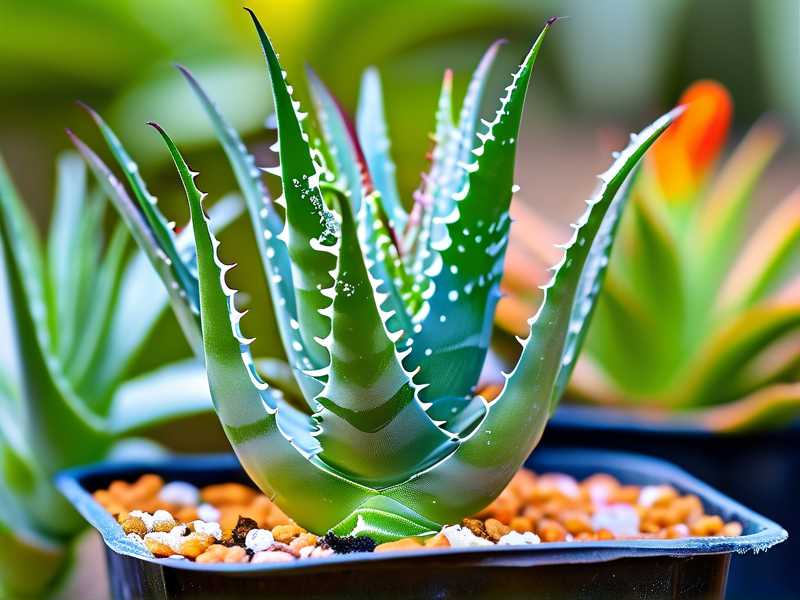
That’s the short answer. But here’s the real deal: you need to suspend fertilization for at least 2 weeks, sometimes longer.
I’ll walk you through exactly how I do it. Step by step. With my own failures and fixes.
90% of indoor plants die from overwatering. Aloe is no exception. Fertilizing a stressed aloe is like pouring salt on a wound.
Let’s dive in.
Why I Stopped Fertilizing My Stressed Aloe
I remember my first aloe plant. It was thriving. Thick green leaves. Perfect shape.
Then I moved it to a bigger pot. I thought it needed more nutrients.
I added fertilizer. Every week.
Within two weeks, the leaves turned yellow. They started thinning.
I panicked.
I tried more water. More sunlight.
Nothing worked.
Then I read that stressed aloe plants can’t absorb nutrients properly. I was essentially poisoning my plant.
So I stopped. Completely.
For 2 weeks, I gave it nothing but water. Minimal water.
The leaves slowly regained their color. The plant recovered.
I learned my lesson the hard way.
The 3 Biggest Mistakes New Aloe Owners Make
I’ve been there. You think you’re helping, but you’re actually hurting.
Here are the three mistakes I see all the time. I made them all.
① Overwatering
This is the number one killer.
I used to water my aloe every 3 days. I thought it needed constant moisture.
Wrong.
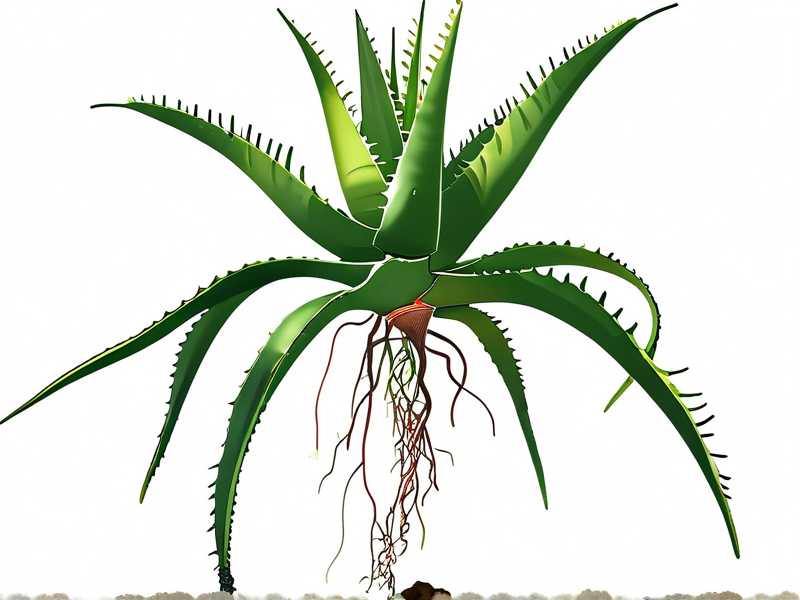
Aloe is a succulent. It stores water in its leaves.
When you fertilize a stressed aloe, the roots are already weak. Adding water and fertilizer together creates root rot.
I lost two aloe plants before I figured this out.
My fix: I only water when the soil is completely dry. For stressed aloe, I wait an extra 2 to 3 days after the soil dries out.
② Light Misplacement
Aloe needs bright, indirect light. I placed mine in direct sunlight for 6 hours a day.
The leaves burned. They turned brown on the edges.
I thought fertilizer would fix it.
It didn’t.
My fix: I moved the plant to a spot with morning sun only. Afternoon shade is crucial.
③ Wrong Pot Type
I used a decorative ceramic pot with no drainage holes.
Water pooled at the bottom. Roots sat in moisture.
The plant got stressed.
I added fertilizer thinking it needed nutrients.
Big mistake.
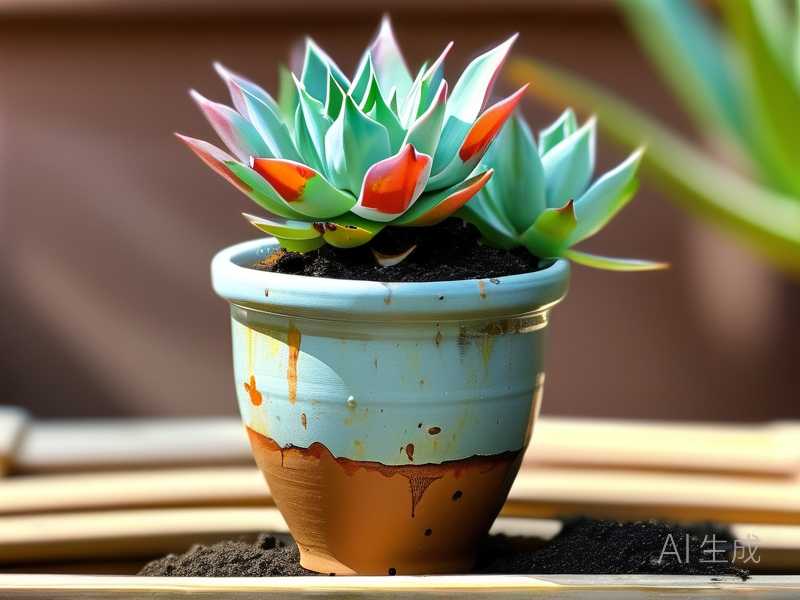
My fix: I repotted into a terracotta pot with drainage holes. Terracotta wicks away excess moisture.
How to Suspend Fertilization: My 2-Week Step-by-Step
I’ll tell you exactly what I do.
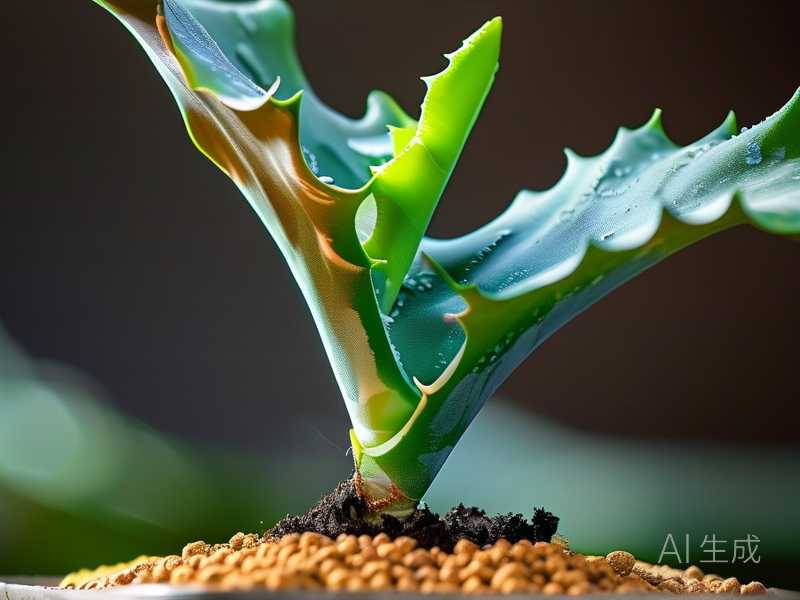
Day 1: Stop all fertilizer. Remove any slow-release fertilizer pellets from the soil surface.
Day 2: Check the soil moisture. If it’s wet, wait.
Day 3: Water only if the soil is bone dry. Use room temperature water.
Day 4: Observe the leaves. Are they still soft? Don’t panic.
Day 5: Move the plant to a spot with bright, indirect light. No direct sun.
Day 6: Check for pests. Stressed plants attract them.
Day 7: One week down. Leaves should stop yellowing.
Day 8: Water again if soil is dry. Don’t overdo it.
Day 9: Look for new growth. If you see green tips, the plant is recovering.
Day 10: Resist the urge to fertilize. I know it’s tempting.
Day 11: Check the pot. Is it too small? Don’t repot yet.
Day 12: The plant should look firmer.
Day 13: Water lightly.
Day 14: Two weeks done. If the plant looks healthy, you can resume fertilization. But only at half strength.
What Happens When You Fertilize a Stressed Aloe
I learned this the hard way.
Fertilizer forces the plant to grow. But a stressed aloe doesn’t have the energy to grow.
All the nutrients get stored in the leaves. The leaves become soft and watery.
The roots can’t handle the extra load.
I once fertilized a stressed aloe. Within 3 days, the leaves started splitting.
I had to cut the damaged leaves off.
It took 2 months for the plant to look normal again.
How to Tell If Your Aloe Is Stressed
Before you even think about fertilizer, check these signs.
- Leaves are pale or yellow
- Leaves are drooping
- Leaves feel soft or mushy
- Brown tips on the leaves
- Slow or no growth
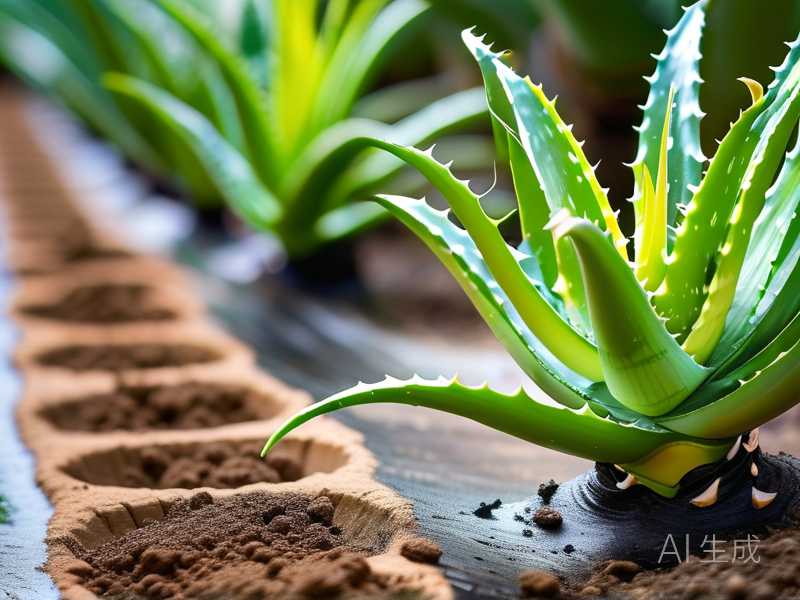
- Roots are visible above the soil
If you see any of these, stop fertilizing immediately.
The Role of Soil and Drainage
I used standard potting soil for my first aloe. Big mistake.
Aloe needs sandy, well-draining soil.
I mix my own now: 2 parts cactus soil, 1 part perlite, 1 part coarse sand.
This ensures water drains fast.
When I suspended fertilization, I checked the soil pH. It was too acidic.
I flushed the soil with clean water to remove excess salts.
That helped the plant recover faster.
Expert Advice on Aloe Care
According to the Royal Horticultural Society (RHS), aloe plants should only be fertilized during active growth seasons.
The RHS highlights that over-fertilization is a common cause of leaf damage.
The American Horticultural Society (AHS) suggests that stressed plants should never be fertilized.
Both organizations recommend waiting until the plant shows clear signs of recovery.
My Personal Recovery Story
I had a huge aloe that I almost killed.
I was fertilizing it every 3 months. Then I moved it to a darker room.
The leaves turned pale.
I thought it needed more fertilizer.
I added liquid fertilizer.
Within a week, the leaves started rotting.
I cut off all the damaged leaves. Only 3 leaves remained.
I stopped fertilizing completely.
I put it in bright indirect light.
I watered only when the soil was dry.
After 2 weeks, new growth appeared. Small green leaves.
I wanted to fertilize. But I waited another 2 weeks.
The plant came back stronger than before.
Common Mistakes I Still See in Online Forums
I browse plant forums regularly.
People often ask: “Why is my aloe turning yellow?”
The answer is always the same: overwatering or over-fertilization.
I see people recommending fertilizer for stressed plants.
That’s terrible advice.
Don’t listen to it.
How to Resume Fertilization Safely
After 2 weeks of suspension, you can start again.
But do it slowly.
I use a balanced liquid fertilizer diluted to half strength.
I apply it once a month during spring and summer.
In winter, I don’t fertilize at all.
The plant goes dormant.
My Top 3 Tips for Healthy Aloe
- Water sparingly – Aloe prefers dry soil
- Use the right pot – Always choose terracotta with drainage
- Observe your plant – Leaves tell you everything
FAQ
Q: Can I fertilize my aloe during winter?
No. Aloe is dormant in winter. Fertilizing can stress the plant.
Q: How long should I wait after repotting to fertilize?
I wait at least 4 weeks. The roots need time to settle.
Q: What if my aloe is already turning yellow from fertilizer?
Stop fertilizing immediately. Flush the soil with clean water. Wait 2 weeks before watering again.
Final Thoughts
I’ve killed more aloe plants than I’d like to count.
But I learned.
The most important lesson: when the plant is stressed, stop feeding it.
Give it time. Give it light. Give it minimal water.
Fertilizer can wait.
Your aloe will thank you.