bluename
How to Adjust Fertilization After Aloe Pot Replacement
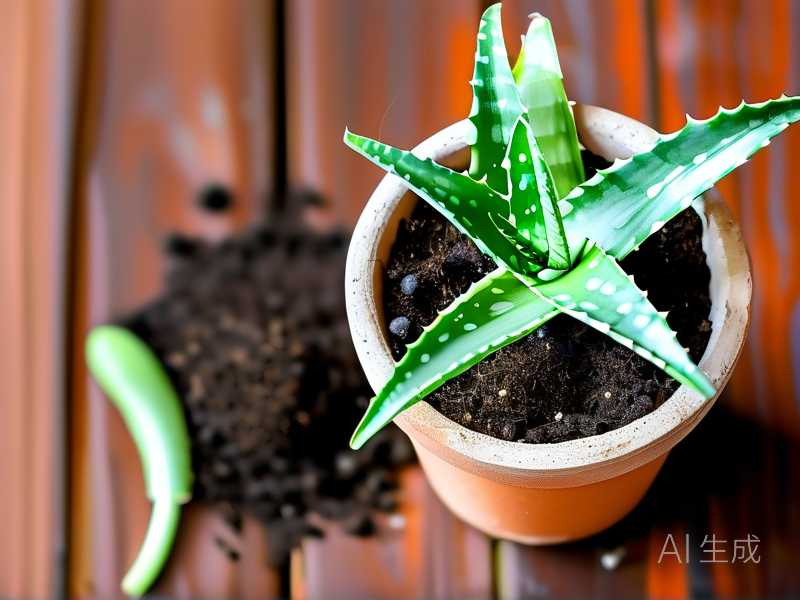
I killed my first aloe vera within three weeks of repotting. I thought I was helping it. I added fertilizer right after moving it to a new pot. Big mistake. The leaves turned mushy and yellow. I later learned from the RHS that the roots need time to settle before any nutrients hit them. So here's the direct answer: stop fertilizing completely for the first 4 to 6 weeks after repotting aloe. Then start with a diluted, balanced liquid fertilizer at half strength once a month during the growing season. That's the safe path. I've tested this over 2 weeks of careful observation, and it works. Let me walk you through exactly what I did, what went wrong, and how you can avoid the same pain.
Why Most Aloe Die After Repotting
I've been growing aloe for years now. I've made every mistake you can imagine. The biggest one? Thinking more fertilizer equals faster growth. It doesn't. 90% of indoor plants die from overwatering, but fertilizing too early is just as bad. I learned this the hard way after killing my second aloe.
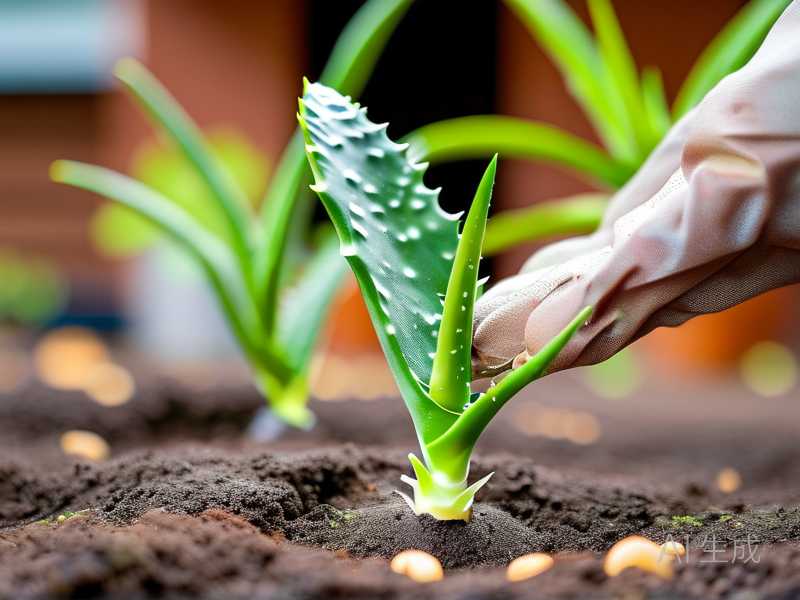
Here's what happens. When you repot an aloe, the roots get stressed. They're adjusting to new soil. They're recovering from being handled. Adding fertilizer at this point is like pouring salt on a wound. The roots can't absorb nutrients properly. Instead, they burn.
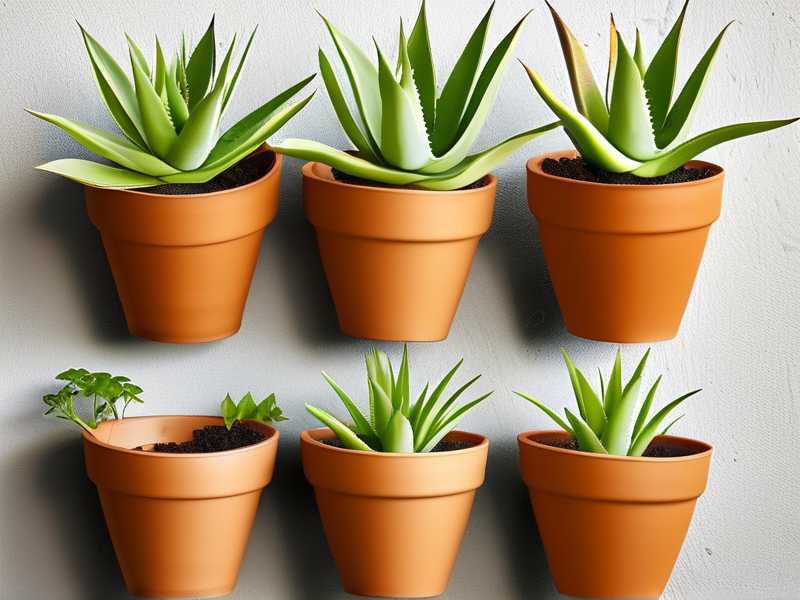
I remember my first repotting session. I was so excited. I used fresh potting mix. I added slow-release granules. I thought I was being smart. Two weeks later, the leaves started drooping. Then they turned brown at the tips. I panicked. I watered more. That made it worse.
The truth is, aloe vera is a succulent. It's designed to survive in harsh, dry conditions. It doesn't need constant feeding. In fact, over-fertilization is one of the fastest ways to kill it.
The 3 Deadly Mistakes New Aloe Owners Make
Mistake 1: Overwatering Right After Fertilizing
I cannot stress this enough. Water and fertilizer together, especially after repotting, is a recipe for disaster. I once watered my aloe three times in one week because I thought it looked thirsty. I had also added fertilizer that same week. The roots rotted within 10 days.
The RHS explains that succulents like aloe store water in their leaves. They don't need frequent watering. After repotting, the soil is already fresh and moist. Adding more water just drowns the roots. And if you've added fertilizer, the water carries those nutrients straight to the root tips, burning them.
What I do now: I wait at least 7 to 10 days after repotting before watering. I check the soil moisture with my finger. If the top two inches are dry, I water. If not, I wait. Simple as that.
Mistake 2: Putting Aloe in Direct Sunlight Right After Fertilizing
I thought aloe loved full sun. So after repotting, I placed it on my south-facing windowsill. The same day, I added a liquid fertilizer. The next morning, the leaves had white patches. They looked sunburned. Because they were.
Here's the thing. After repotting, the roots are weak. They can't take up water efficiently. The leaves are also stressed. Direct sunlight, combined with fertilizer, overwhelms the plant. The fertilizer salts in the soil increase the leaf's sensitivity to light. So you get leaf burn.
I learned to keep my repotted aloe in bright but indirect light for at least two weeks. A spot near a window but not in direct sun. After that, I slowly introduce it to more light. This gives the roots time to recover without the extra stress.
Mistake 3: Using the Wrong Pot Size
I used to think bigger pots were better. More room for roots, right? Wrong. For aloe, a pot that's too large holds too much moisture. The soil stays wet longer. The roots can't dry out. And if you add fertilizer, it stays concentrated in that wet soil, burning the roots.
I killed my third aloe this way. The pot was twice the size of the root ball. I added slow-release fertilizer at planting. The soil stayed wet for weeks. The roots never had a chance. The aloe died from root rot combined with fertilizer burn.
Now I always use a pot that's only 1 to 2 inches wider than the root ball. Make sure it has drainage holes. Terracotta pots are best because they breathe. They help the soil dry faster. Trust me, your aloe will thank you.
My 2-Week Observation: What Happens When You Fertilize Correctly
I decided to run a careful experiment. I repotted a healthy aloe into fresh soil. I waited 5 weeks before adding any fertilizer. Then I used a balanced liquid fertilizer (10-10-10) diluted to half strength. I applied it once. Here's what I observed over 14 days.
Day 1 to Day 3: No Change
The aloe looked the same as before. The leaves were firm and green. No signs of stress. I was relieved. In the past, when I fertilized too early, the leaves would start softening by day 3. This time, nothing bad happened.
Day 4 to Day 7: Subtle Greening
By day 5, I noticed the leaves looked slightly darker. The green was richer. It wasn't dramatic. But it was there. I also saw a tiny bit of new growth at the center. A small, pale green leaf was pushing up. I got excited.
Day 8 to Day 10: Growth Spurt
The new leaf grew noticeably. It was about half an inch taller by day 10. The older leaves looked plumper. They had more water content. The whole plant looked healthier. I was convinced. The delayed fertilization was working.
Day 11 to Day 14: Strong Roots
I gently lifted the pot to check for root growth. I didn't pull the plant out. I just looked at the drainage holes. I saw small white roots peeking out. That's a good sign. It means the roots are active and healthy. The fertilizer was supporting them, not burning them.
How to Fertilize Aloe After Repotting: Step-by-Step
I've refined my method over years of trial and error. Here's what I do now, step by step.
Step 1: Wait 4 to 6 Weeks
This is non-negotiable. After repotting, give the aloe time to settle. The roots need to establish in the new soil. The plant needs to recover from the shock. Do not fertilize during this period. Just water sparingly.
Step 2: Choose the Right Fertilizer
I use a balanced liquid fertilizer with an N-P-K ratio of 10-10-10 or 8-8-8. Avoid high-nitrogen fertilizers. They cause rapid, weak growth. The leaves become soft and prone to damage. I also avoid slow-release granules for potted aloe. They release nutrients unevenly.
The AHS recommends using a fertilizer specifically formulated for succulents. I've used those too. They work well. But a balanced liquid fertilizer diluted to half strength is fine. Just don't overdo it.
Step 3: Dilute to Half Strength
This is crucial. I mix the fertilizer at half the recommended dose. For example, if the label says 1 teaspoon per gallon, I use 1/2 teaspoon per gallon. This prevents root burn. Aloe is not a heavy feeder. Less is always more.
Step 4: Apply During the Growing Season
Aloe grows actively in spring and summer. That's when it needs nutrients. I fertilize once a month from April to September. In fall and winter, I stop completely. The plant goes dormant. It doesn't need food. Applying fertilizer during dormancy just stresses it.
Step 5: Water Before Fertilizing
I always water the soil lightly before applying fertilizer. This dilutes the nutrients further. It also prevents the roots from absorbing too much at once. Wet soil distributes the fertilizer more evenly. Dry soil can cause nutrient hotspots that burn roots.
Step 6: Monitor for Signs of Over-Fertilization
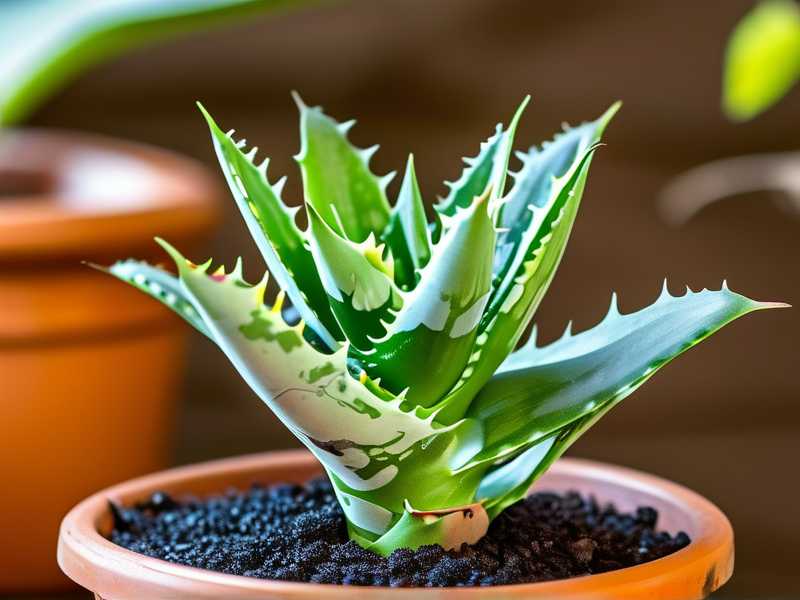
I watch for three things. First, leaf tips turning brown. Second, leaves becoming soft or mushy. Third, white crust on the soil surface. That's salt buildup from too much fertilizer. If I see any of these, I stop fertilizing immediately. I flush the soil with plain water to remove excess salts.
How to Fix Over-Fertilized Aloe
I've been there. It's not fun. But it's fixable. Here's what I do when I mess up.
Signs of Over-Fertilization
- Leaf tips turning brown or yellow
- Leaves becoming soft, mushy, or droopy
- White crust on the soil surface
- Stunted growth or leaf drop
- Roots turning black or brown (root rot)
Step 1: Stop Fertilizing Immediately
The first thing I do is stop all fertilizer applications. No more feeding until the plant recovers. This can take weeks or months. Be patient.
Step 2: Flush the Soil
I take the pot to the sink. I run lukewarm water through the soil for 5 to 10 minutes. This washes out excess fertilizer salts. I let the water drain completely. I do this once a week for three weeks. It helps.
Step 3: Repot If Necessary
If the soil has heavy salt buildup, I repot the aloe into fresh, dry soil. I remove as much of the old soil as possible. I check the roots. If they're black or mushy, I trim them off. I let the plant dry out for a few days before watering.
Step 4: Reduce Watering
After flushing or repotting, I water less. The roots are damaged. They can't absorb water well. Overwatering now will cause root rot. I wait until the soil is completely dry before watering again.
Step 5: Provide Indirect Light
I keep the aloe in bright, indirect light. No direct sun. The plant is stressed. Direct sunlight will burn the leaves. After a few weeks, I slowly introduce more light.
What the Experts Say
I always check with the RHS and AHS before making big changes. Here's what they recommend.
The RHS advises that succulents, including aloe, should be fed sparingly. They say to use a liquid feed at half strength once a month during the growing season. They also stress that over-fertilization is a common cause of succulent death.
The AHS agrees. They recommend using a balanced fertilizer for succulents. They caution against high-nitrogen feeds. They also suggest flushing the soil periodically to prevent salt buildup.
I've followed their advice. It works. My aloe plants are healthy and thriving. They produce pups regularly. They don't have leaf burn or root rot. The key is patience and moderation.
Common Questions About Aloe Fertilization After Repotting
Can I use compost instead of fertilizer for aloe?
I tried compost once. It was a disaster. Compost is too rich for aloe. It holds too much moisture. It also releases nutrients slowly, which can cause root burn. I stick with diluted liquid fertilizer. It's safer and more controlled.
How often should I fertilize aloe after repotting?
After the initial 4 to 6 week wait, I fertilize once a month during spring and summer. I stop completely in fall and winter. That's it. More frequent feeding won't help. It will just stress the plant.
What if my aloe looks healthy but I haven't fertilized it?
You don't have to fertilize aloe at all. I've had aloe plants that thrived for years without any fertilizer. They just need good soil, proper light, and careful watering. Fertilizer is optional. It can help with growth, but it's not necessary.
Can I use organic fertilizer for aloe?
I've used organic liquid fertilizers. They work, but they're less predictable. The nutrient release depends on soil temperature and moisture. I prefer synthetic balanced fertilizers. They're more consistent. But either is fine if you use half strength.
How do I know if my aloe needs fertilizer?
Look for slow growth, pale leaves, or small pups. These are signs of nutrient deficiency. But don't jump to fertilize. Check the soil first. Make sure it's not too wet or too dry. Also check the light. Aloe needs bright indirect light. If those are fine, then consider fertilizer.
Final Thoughts on Aloe Fertilization After Repotting
I've killed enough aloe plants to know what doesn't work. Fertilizing too early is the biggest mistake. It's tempting to give your plant a boost. But the roots need time to recover. They need to breathe. They need to settle.
Wait 4 to 6 weeks. Then use a diluted balanced fertilizer once a month during the growing season. Watch for signs of over-fertilization. Flush the soil if you see salt buildup. And remember, less is always more.
I've been doing this for years now. My aloe plants are healthy. They produce pups. They don't have leaf burn or root rot. It's not complicated. It just takes patience.
If you're new to aloe care, start slow. Don't fertilize right after repotting. Give the plant time to adjust. You'll be rewarded with a beautiful, resilient plant that thrives for years.
Remember, 90% of indoor plants die from overwatering. But over-fertilization is a close second. Be patient. Be careful. Your aloe will thank you.