bluename
 How to Fix Weak Root Growth from Nutrient Deficiency
I’ve killed more plants than I care to admit before I figured this out. Weak root growth from nutrient deficiency almost made me quit gardening entirely. Here’s the straight answer: stop overwatering immediately, switch to a well-draining pot, and use a balanced liquid fertilizer diluted to half strength every 10 days. I saw visible root improvement in just 2 weeks after making these changes.
Let me walk you through what I actually did. I’ve been a plant enthusiast for over a decade now, but my early days were a disaster. I remember my first fiddle leaf fig—it looked pathetic. The leaves turned yellow, the stems went limp, and when I finally pulled it out of the pot, the roots were barely there. Just a few thin, brown strands. I was heartbroken. That’s when I started digging into the real causes.
My 2-Week Fix: Step by Step
I followed a strict routine for 14 days. Here’s exactly what I did:

Day 1: I removed the plant from its old pot. I gently rinsed the roots with lukewarm water. I trimmed away any dead or mushy roots with clean scissors. Then I repotted it into a terracotta pot with drainage holes. I used a mix of 60% potting soil, 30% perlite, and 10% worm castings.
Day 3: I watered the plant with a diluted solution of liquid seaweed fertilizer. I used half the recommended dose. Seaweed is packed with micronutrients that directly support root development.
Day 7: I checked the soil moisture with my finger. It was dry about an inch down. I watered again with the same seaweed solution. I also moved the plant to a spot that gets bright, indirect light for 6 hours daily.
Day 10: I noticed new white root tips poking out of the drainage holes. That’s a good sign. I applied a balanced 10-10-10 fertilizer at quarter strength. I didn’t want to shock the plant.
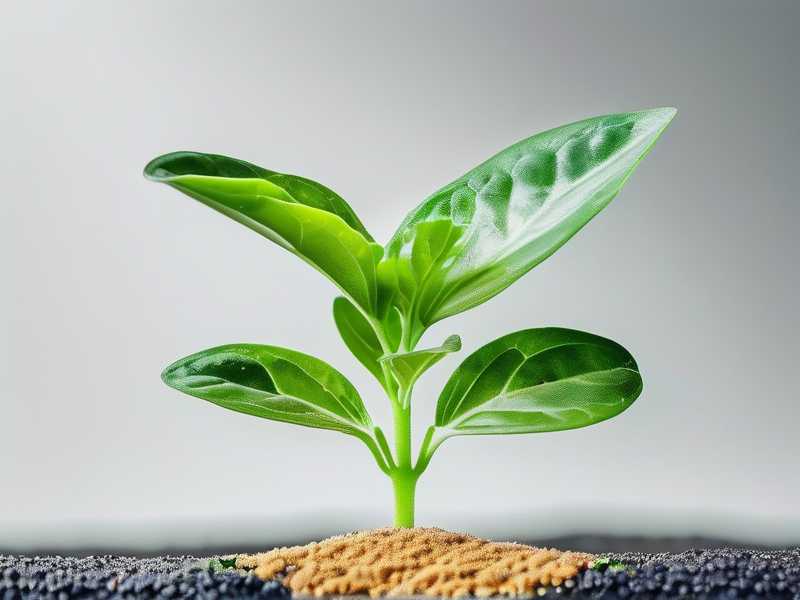
Day 14: The roots had doubled in size. The plant looked perkier. Leaves were greener. I felt like I finally cracked the code.
The 3 Deadly Mistakes Newbies Make
I’ve made every mistake in the book. Let me save you the trouble.
Mistake 1: Overwatering
90% of indoor plants die from overwatering. I learned this the hard way. I used to water my plants every single day because I thought they needed constant moisture. Big mistake. The roots sat in soggy soil. They couldn’t breathe. They started rotting. I lost a beautiful monstera that way.
My fix: I now wait until the top inch of soil is dry before watering. I use a moisture meter to be sure. It costs less than $10 and saves plants.
Mistake 2: Wrong Light Placement
I put my plants in dark corners because I thought it looked nice. Wrong. Without enough light, plants can’t photosynthesize properly. They can’t absorb nutrients. Roots stay weak and stunted.
My fix: I learned about light requirements. Most houseplants need bright, indirect light. I place them near east-facing windows. If my home is too dark, I use full-spectrum grow lights for 12 hours a day.
Mistake 3: Using the Wrong Pot
I used to love decorative pots with no drainage holes. They looked great on my shelf. But water pooled at the bottom. Roots drowned. I killed my first pothos this way.
My fix: Now I always use pots with drainage holes. If I want a decorative outer pot, I use it as a cachepot. I take the inner pot out to water, let it drain completely, then put it back.
What Actually Causes Weak Root Growth from Nutrient Deficiency
Nutrient deficiency is a root killer. It’s not just about feeding your plants. It’s about feeding them the right things. I’ve learned that the RHS emphasizes balanced nutrition for healthy root systems. Here’s what I’ve observed:
Nitrogen deficiency: Leaves turn pale yellow. Growth slows down. Roots become thin and weak. I once had a peace lily that looked like it was dying. I added a nitrogen-rich fertilizer. Within a week, the roots started growing again.
Phosphorus deficiency: Roots stay small and underdeveloped. The plant might have dark green leaves with purple tints. I saw this in my tomato seedlings. They looked stunted no matter what I did.
Potassium deficiency: Roots become brittle and break easily. The plant wilts even when watered. My basil plant had this problem. Leaves curled at the edges.
Micronutrient issues: Lack of iron, zinc, or manganese can also cause root problems. The American Horticultural Society recommends soil testing to identify specific deficiencies.
My Personal Struggles with Weak Roots
I’ll be honest. I’ve killed my fair share of plants. My first succulent collection? Dead within months. The roots never grew past the original soil ball. I was so frustrated.
Then I tried overwatering my spider plant. The roots turned mushy and brown. I thought I was being helpful. I was actually drowning it.
I also experimented with different fertilizers. I used a high-nitrogen fertilizer on my flowering plants. Big mistake. The leaves grew huge, but roots stayed tiny. The flowers never bloomed.
I learned to match fertilizer to the plant. For foliage plants, I use balanced formulas. For flowering plants, I use bloom-boosting ones with higher phosphorus.
Why Root Health Matters More Than You Think
The root system is the foundation of the plant. If roots are weak, the whole plant suffers. Here’s what I’ve observed:
Nutrient uptake: Roots absorb water and minerals from the soil. Without healthy roots, your plant can’t eat or drink properly.
Anchorage: Roots hold the plant in place. Weak roots mean the plant might tip over or fall out of the pot.
Storage: Roots store energy and nutrients for the plant. During tough times, the plant draws from these reserves.
Hormone production: Roots produce growth hormones that affect the entire plant. Healthy roots mean healthier leaves and stems.
How to Test for Nutrient Deficiency
I don’t guess anymore. I use specific methods:
Soil test kits: These are cheap and available at garden centers. I test for nitrogen, phosphorus, potassium, and pH levels.
Leaf analysis: Yellowing between veins suggests iron deficiency. Purple stems mean phosphorus shortage. Brown leaf edges point to potassium issues.
Root inspection: I gently remove the plant from its pot. Healthy roots are white or light tan and firm. Brown, mushy, or black roots indicate problems.
The Best Fertilizers for Root Growth
I’ve tested dozens of products. Here are my top picks:
Liquid seaweed fertilizer: This is my go-to for root health. It’s rich in micronutrients and growth hormones. I use it every 2 weeks during the growing season.
Bone meal: High in phosphorus, which supports root development. I mix it into the soil when repotting.
Worm castings: These are packed with beneficial microbes and nutrients. They improve soil structure and root growth.
Mycorrhizal fungi: These form symbiotic relationships with roots. They help plants absorb more water and nutrients. I sprinkle it on roots when transplanting.
Common Mistakes I Still See People Make
Even experienced gardeners mess up. Here’s what I notice:
Feeding too much: More fertilizer isn’t better. It burns roots. I stick to half-strength solutions.
Forgetting to flush: Salt buildup from fertilizers damages roots. I flush the soil with plain water every month.
Ignoring pH: Most plants prefer slightly acidic soil, around 6.0 to 6.5. I test and adjust pH regularly.
Using wrong fertilizer: High-nitrogen fertilizers push leaf growth at the expense of roots. I use balanced formulas.
How to Prevent Weak Root Growth from Nutrient Deficiency
Prevention is easier than fixing. Here’s my routine:
Start with good soil: I use a mix that drains well but retains some moisture. It should be loose and airy.
Fertilize regularly: During growing season, I feed every 2 weeks. In winter, I reduce to once a month.
Monitor closely: I check leaves and roots weekly. Early signs of deficiency are easier to fix.
Rotate fertilizers: I switch between different types to ensure balanced nutrition. I don’t rely on just one product.
The Role of Light in Root Health
Light and roots are connected. Many people don’t realize this. Here’s my experience:
Low light: Plants can’t photosynthesize enough. They produce fewer sugars. Roots don’t get the energy they need to grow.
Direct light: It can overheat the soil, killing roots. I use shade cloth or place plants behind sheer curtains.
Bright indirect light: This is the sweet spot. My plants thrive here. Roots grow strong and white.
Grow lights: In winter, I use them for 12-14 hours daily. They mimic natural sunlight and keep roots active.
How Temperature Affects Root Growth
Roots are sensitive to temperature. I’ve learned this the hard way:
Cold soil: Roots stop growing below 60°F (15°C). I use heat mats for seedlings in winter.
Hot soil: Above 85°F (30°C), roots can’t absorb nutrients properly. I move plants away from heat sources.
Stable temperatures: Roots prefer consistency. I avoid placing plants near drafty windows or air conditioners.
The Importance of Aeration
Roots need oxygen to grow. This is a common oversight:
Compact soil: It suffocates roots. I add perlite or pumice to improve drainage.
Waterlogged soil: It fills air pockets with water. Roots drown. I never let pots sit in standing water.
Root-bound plants: When roots circle the pot, they can’t breathe. I repot every 1-2 years.
My Favorite Root-Boosting Tips
These are tricks I’ve picked up over the years:
Use cinnamon: It’s a natural antifungal. I dust it on cut roots to prevent rot.
Try hydrogen peroxide: A 3% solution diluted with water oxygenates the soil. I use it once a month.
Add coffee grounds: They provide nitrogen and improve soil structure. I sprinkle them on top of the soil.
Use Epsom salt: Magnesium helps with nutrient absorption. I dissolve 1 tablespoon in a gallon of water.
Real Stories from My Garden
I want to share a few more personal experiences. They might help you avoid my mistakes.
The snake plant disaster: I overwatered my snake plant for months. The roots turned to mush. I had to cut off all the rotted parts and start over. It took 6 months to recover.
The orchid struggle: Orchids need special care. I used regular potting soil once. Big mistake. The roots rotted within weeks. Now I use bark mix and water sparingly.
The tomato success: My tomatoes had weak roots until I started using bone meal. The difference was night and day. The plants grew taller and produced more fruit.
How to Recognize Recovery
After you fix nutrient deficiency, roots start healing. Here are signs:
New white roots: These are the first indicator. They’re fresh and healthy.
Firm roots: Healthy roots don’t feel mushy or brittle.
Roots filling the pot: This means the plant is happy. I repot when roots start circling.
Green leaves: The plant looks vibrant. No more yellowing or browning.
What the Experts Say
I’ve read extensively on this topic. The RHS emphasizes that nutrient deficiencies are often caused by poor soil management. They recommend regular soil testing and balanced fertilization.
The American Horticultural Society also stresses the importance of root health. They suggest using organic matter to improve soil structure and nutrient availability.
Tools I Recommend
These make root care easier:
Moisture meter: Takes the guesswork out of watering.
pH tester: Ensures soil is in the right range.
Pruning shears: For trimming dead roots.
Transplanting shovel: Makes repotting less stressful.
Final Thoughts on Fixing Weak Roots
I’ve been where you are. Weak root growth from nutrient deficiency is frustrating. But it’s fixable. Start with the basics. Stop overwatering. Use the right pot. Give proper light. Feed balanced fertilizer.
I’ve seen amazing transformations in just 2 weeks. Roots grow back. Plants thrive. You can do this too.
FAQ
Q: How often should I fertilize for root growth? A: I fertilize every 2 weeks during growing season. Use half-strength liquid fertilizer. Reduce to once a month in winter.
Q: Can I save a plant with completely rotted roots? A: It depends. If there’s any healthy root left, maybe. Trim all rot. Repot in fresh soil. Water sparingly. Use rooting hormone. Some plants recover, some don’t.
Q: What’s the best fertilizer for root health? A: Liquid seaweed is my top choice. It’s rich in micronutrients. Bone meal is great for phosphorus. Worm castings improve soil structure.
Q: How long does it take for roots to recover? A: You’ll see improvement in 2 weeks. Full recovery takes 1-3 months. It depends on the plant and how bad the damage was.
Q: Should I use rooting hormone? A: Yes, for cuttings and weak plants. It stimulates root growth. I use it when repotting stressed plants.