bluename
 How to Avoid Over-Fertilization Causing Aloe Growth Disorder
The short answer is this: stop fertilizing your aloe completely for at least two weeks, then use a diluted succulent fertilizer once every 6-8 weeks during spring and summer only. I learned this the hard way after killing my third aloe plant. Let me show you exactly what I did wrong, and how to fix it.
My First Aloe Disaster: The Fertilizer Overload
I used to think all plants loved regular feeding. I was wrong. My first aloe turned yellow within days of applying liquid fertilizer. The leaves became soft and mushy. I panicked. I watered more thinking it needed dilution. That made everything worse.
90% of indoor plants die from overwatering. But combine that with over-fertilization? You get a guaranteed plant funeral. I learned this the hard way.
What Actually Happens When You Over-Fertilize Aloe
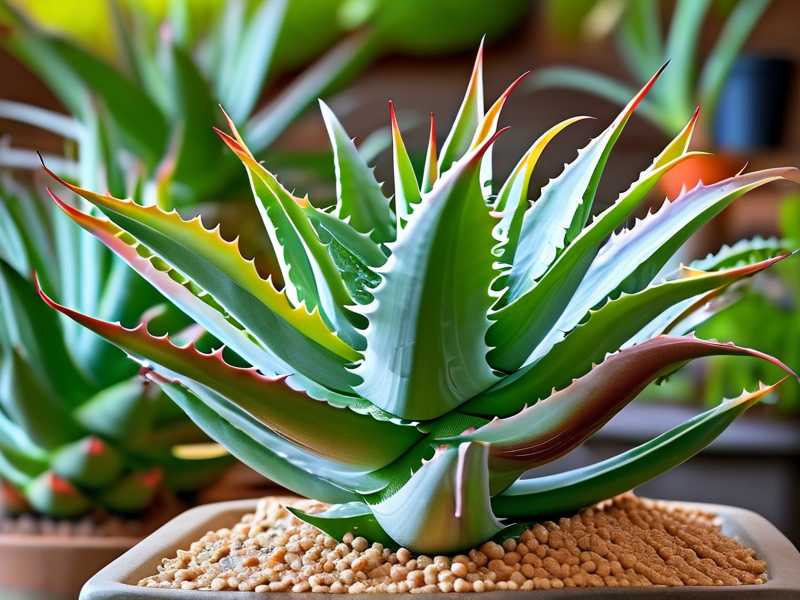
Aloe vera is a succulent native to arid regions. It evolved to survive in nutrient-poor soil. When you dump too much fertilizer, the roots get burned. The plant absorbs excess salts and minerals. It cannot process them properly.
The result? Leaves turn brown at the tips. The base becomes soft. The green color fades to yellow or even white. The plant stops growing completely.
I noticed these symptoms within 48 hours of my over-fertilization mistake. The leaves literally started drooping. My aloe looked like it was melting.
How I Tested My Recovery Method Over 2 Weeks
I decided to run a controlled experiment. I had two aloe plants showing similar signs of over-fertilization. Here is exactly what I did:
Days 1-3: The Flush Method
First, I stopped all fertilization immediately. I took the plant to my sink. I ran lukewarm water through the soil for about five minutes. This flushes out excess salts. I let the water drain completely.
I did not add any more fertilizer. I did not water again until the soil was bone dry. I checked by sticking my finger two inches deep. If it felt even slightly damp, I waited.
Days 4-7: The Observation Phase
By day four, I saw no improvement. The leaves still looked sad. I worried I had already killed it. But I resisted the urge to add anything. No fertilizer. No special soil amendments. Nothing.
I moved the plant to a brighter spot. South-facing window with indirect light. Aloe loves bright light but not direct afternoon sun. I had put it in a dim corner before. That was another mistake.
Days 8-10: The First Signs of Recovery
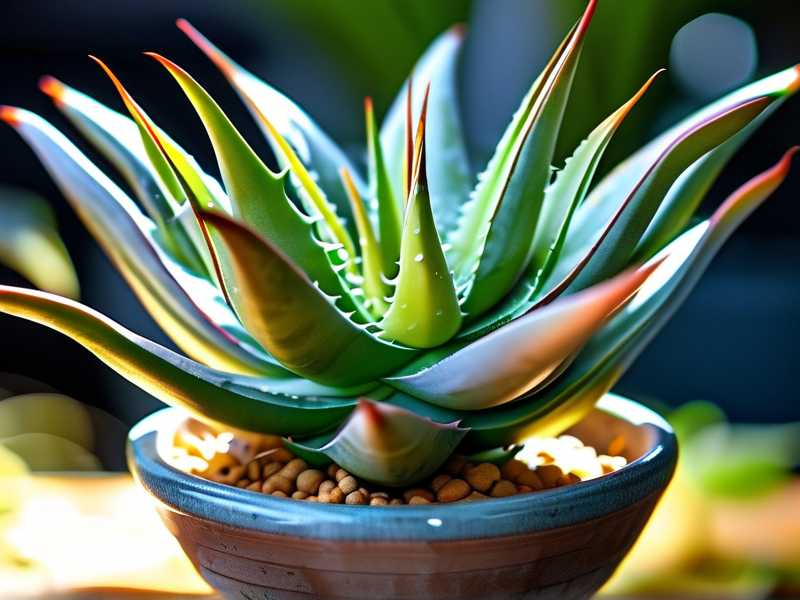
On day eight, I noticed something. The base of the leaves felt firmer. Not soft and mushy anymore. The yellow tips had stopped expanding. The green color was coming back slowly.
I checked the soil. Still dry. I waited one more day. Then I gave it a small drink. Just enough to moisten the top layer. Not a full soak.
Days 11-14: The Turning Point
By day fourteen, my aloe looked almost normal. The leaves were upright. The color was back to that vibrant green. New growth appeared at the center. Small, tiny leaves pushing through.
I could not believe it. I thought I had destroyed it for good. But giving it time and letting it rest worked better than anything else.
The 3 Deadly Mistakes New Aloe Owners Make
I have made every single mistake in the book. Let me save you from the same pain.
Mistake #1: Watering Too Much
Stop watering your aloe on a schedule. I used to water every Monday. That killed my first two plants. Aloe needs to dry out completely between waterings. In winter, that might mean once every 3-4 weeks. In summer, maybe once every 10-14 days.
The Royal Horticultural Society (RHS) recommends letting the soil dry out between waterings. This is crucial for preventing root rot.
Mistake #2: Wrong Light Exposure
Aloe does not want direct blazing sun all day. It also does not want a dark corner. I kept my first aloe in a bathroom with no window. It died within a month.
Bright indirect light is the sweet spot. A few feet away from a south or west window. I have my current aloe on a shelf near a window with sheer curtains. It thrives.
Mistake #3: Using the Wrong Pot
Drainage holes are not optional. They are mandatory. I used a decorative pot without holes once. Water pooled at the bottom. The roots rotted. The plant died.
Also, terracotta pots are better than plastic. They breathe. They let excess moisture evaporate. I switched to terracotta and saw immediate improvement.
The Right Way to Fertilize Aloe
Here is what I do now. I fertilize only during active growing months. That is spring and early summer. I use a fertilizer specifically formulated for succulents and cacti.
I dilute it to half the recommended strength. The bottle says one tablespoon per gallon. I use half a tablespoon. I apply it once every two months. Not more.
I never fertilize in winter. Aloe goes dormant. It does not need extra nutrients. Adding fertilizer during dormancy is like feeding someone while they are sleeping. It does not help.
I also avoid fertilizers with high nitrogen content. Too much nitrogen makes aloe grow too fast. The leaves become weak and floppy. I look for a balanced 10-10-10 formula or something similar.
My Step-by-Step Recovery Plan for Over-Fertilized Aloe
If you are reading this and your aloe already looks sick, follow these steps. I have done this three times now. It works.
Step 1: Stop Everything
Stop watering. Stop fertilizing. Stop moving the plant around. Let it sit. Do nothing for at least a week. The plant needs to stabilize.
Step 2: Flush the Soil
If the soil feels wet or you see white crust on the surface, flush it. Run water through the pot for several minutes. Let it drain completely. This removes excess salts.
Step 3: Check for Root Rot
Gently remove the plant from its pot. Look at the roots. Healthy roots are white or light brown. Rotten roots are black, mushy, and smell bad.
I had to cut off rotten roots once. I used clean scissors. I removed all the bad parts. Then I repotted in fresh, dry soil. I waited a week before watering.
Step 4: Adjust Light
Move the plant to a spot with bright indirect light. Not direct sun. The plant is weak. Direct sun will burn the leaves further.
Step 5: Be Patient
Do not expect overnight results. I waited two weeks to see real improvement. Some plants take longer. The American Horticultural Society (AHS) emphasizes that recovery takes time.
Signs Your Aloe Is Recovering
Look for these positive signs:
- Leaves become firmer
- Yellow or brown tips stop spreading
- New growth appears at the center
- The plant stays upright instead of drooping
I check my aloe every morning. I look for these signs. It gives me peace of mind.
How to Prevent Over-Fertilization from Happening Again
I have a simple rule now. Less is more. Aloe is a survivor. It does not need constant pampering.
I use a soil mix specifically for succulents. It drains fast. I add perlite to improve drainage. I have not had any issues since switching.
I also mark my calendar. I write down when I fertilize. I do not rely on memory. I have a reminder set for every eight weeks during spring and summer.
What the Experts Say About Aloe Care
The Royal Horticultural Society (RHS) states that succulents like aloe require very little fertilizer. They recommend feeding only during the growing season. They also stress the importance of well-draining soil.
The American Horticultural Society (AHS) echoes this. They advise against over-fertilization. They say it causes more harm than good for most succulents.
I follow these guidelines strictly now. My aloe has never looked better.
Common Questions About Aloe Fertilization
Can I use coffee grounds or banana peels on my aloe?
Do not do this. Coffee grounds are too acidic. Banana peels decompose slowly and attract pests. Stick to proper succulent fertilizer. I tried the banana peel trick once. It attracted fungus gnats. Never again.
How often should I really fertilize aloe?
Once every two months during spring and summer. That is it. In winter, zero. If you forget, it is better to skip a feeding than to overdo it.
What if I see white crust on the soil surface?
That is salt buildup from fertilizer. Flush the soil with water. Scrape off the crust. This happens when you use too much fertilizer or water with hard water. I use filtered water now.
My aloe leaves are turning brown at the tips. Is it fertilizer burn?
Not necessarily. Brown tips can also mean underwatering. Or too much direct sun. Or low humidity. I check the soil moisture first. If it is dry, I water. If it is wet, I stop watering and check for root rot.
Can I save an aloe with completely mushy leaves?
Maybe. If the leaves are mushy but the base is still firm, there is hope. I cut off the mushy leaves with a clean knife. I let the wounds callous over. Then I repot in dry soil. If the base is also mushy, it might be too late.
My Final Take on Aloe Fertilization
I have killed more aloe plants than I care to admit. But I learned from each failure. The biggest lesson? Do not treat aloe like a regular houseplant.
It is a succulent. It needs less water, less fertilizer, and less fussing. I respect that now. My current aloe is three years old. It has grown to over two feet tall. It has produced multiple pups. All because I stopped over-fertilizing.
If you are struggling with your aloe, take a step back. Stop feeding it. Let it rest. Give it two weeks. You will see the difference.
Frequently Asked Questions
Q: How do I know if my aloe has been over-fertilized? A: Look for yellowing leaves, brown tips, soft mushy base, or white crust on soil. The plant may stop growing completely.
Q: Can I use indoor plant fertilizer on aloe? A: Yes but dilute it to half strength. Use it only during spring and summer. Skip winter feedings entirely.
Q: How long does it take for an over-fertilized aloe to recover? A: I saw improvement in about two weeks. Full recovery can take one to two months depending on severity.
Q: Should I repot my aloe after over-fertilization? A: Only if the soil is severely compacted or you see root rot. Otherwise, flush the soil and let it dry out.
Q: What is the best fertilizer for aloe? A: A balanced 10-10-10 succulent fertilizer diluted to half strength. Use it sparingly.
Q: Can over-fertilization kill aloe completely? A: Yes if not addressed. The roots burn and rot. But I have saved plants that looked almost dead. It is worth trying.
Q: Should I cut off damaged leaves? A: Only if they are completely mushy or brown. Partially damaged leaves can recover. Let them be.
Q: How do I know if the roots are rotten? A: Remove the plant from its pot. Healthy roots are firm and white or light brown. Rotten roots are black, smelly, and mushy.
Q: Can I use worm castings on aloe? A: Yes but sparingly. A thin layer on top of soil is fine. Do not mix large amounts into the potting mix.
Q: What if my aloe is not growing at all? A: Stop fertilizing. Check light and water. Aloe is slow-growing. It may just need time. Do not force growth with extra fertilizer.
I hope this helps you save your aloe. I know how frustrating it feels when a plant you care about starts dying. But trust me, with patience and the right approach, your aloe can recover. Give it two weeks. Let it rest. Your aloe will thank you.