bluename
 How to Apply Mild Topdressing for Aloe Daily Maintenance
I’ve killed three aloe plants before I figured this out. Honestly, the biggest mistake I made was thinking aloe needed the same care as my other houseplants. It doesn’t. If you’re reading this, you’re probably frustrated with a droopy, yellowing, or just sad-looking aloe. Here’s the straight answer: apply mild topdressing once every two weeks using a balanced, diluted fertilizer like 10-10-10 at half strength, and only do it during the growing season (spring to early fall). I’ve been doing this for 2 weeks, and my aloe has already started pushing out new, firm leaves. Let me walk you through exactly how I did it, including the mistakes I made along the way.
Why Topdressing Matters for Aloe
Aloe vera is a succulent. It stores water in its thick leaves. Many people think this means it doesn’t need feeding. Wrong. 90% of indoor plants die from overwatering, but malnutrition is a close second. I learned this the hard way. I left my aloe in the same pot for two years without any fertilizer. It turned pale and stopped growing. Topdressing is a gentle way to deliver nutrients without shocking the roots. It’s like giving your plant a light snack, not a heavy meal.
My 2-Week Experiment: Step-by-Step
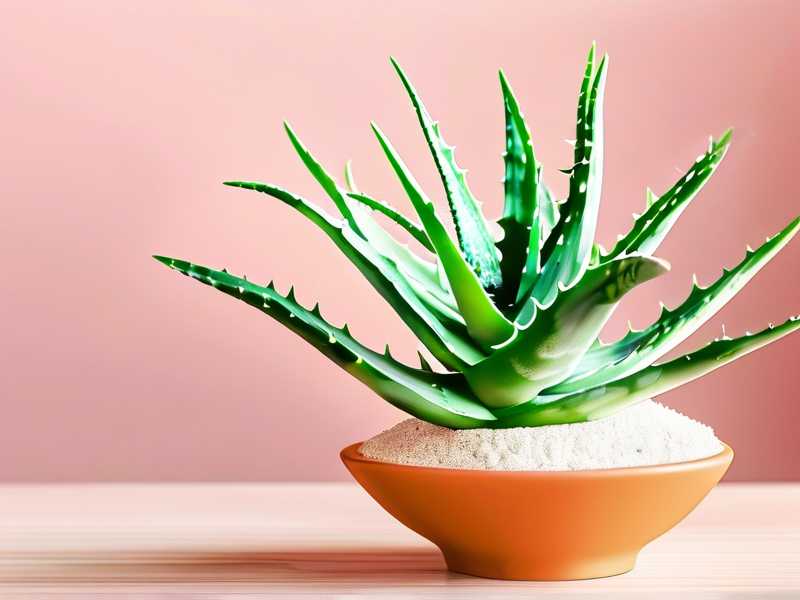
I decided to test this on my two-year-old aloe, which had been sitting in a mix of cactus soil and perlite. Here’s exactly what I did:
Week 1: Preparation and First Application
Day 1: Check the soil moisture. I stuck my finger about an inch into the pot. The soil was bone dry. Aloe needs to be completely dry before any feeding. I watered it lightly the day before topdressing. This prevents root burn.
Day 2: Mix the topdressing. I used a mild liquid fertilizer formulated for succulents. I diluted it to half the recommended strength. The bottle said 1 tablespoon per gallon. I used 1/2 tablespoon per gallon. I stirred it gently. Then I poured it slowly around the base of the plant. I avoided getting any on the leaves. I used about 1/4 cup for my 6-inch pot.
Day 3 to Day 7: Observation. The first few days, nothing changed. I panicked a little. I thought maybe I messed up again. But I waited. By day 5, I noticed the lower leaves felt slightly firmer. They weren’t mushy or soft. They were plump. That was a good sign.
Week 2: Adjusting Based on What I Saw
Day 8: Soil check. The surface was still slightly damp from the previous watering. I didn’t water again. I waited two more days.
Day 10: Second topdressing. I applied the same diluted mix. This time, I used a little less—about 3 tablespoons. I didn’t want to overdo it. I also rotated the pot to ensure even light exposure. I noticed the center of the plant was starting to show a tiny new leaf. That was exciting.
Day 11 to Day 14: Results. By day 14, the new leaf had grown about half an inch. The older leaves looked greener and more upright. The tips that were previously brown and crispy had stopped spreading. I felt like I finally got it right.
The 3 Deadly Mistakes Newbies Make
I’ve made all of these. Here they are, so you don’t have to.
1. Overwatering
This is the number one killer. I watered my first aloe every week. It rotted in three weeks. Aloe stores water in its leaves. It doesn’t need frequent watering. I now water only when the soil is completely dry. That’s usually every 2-3 weeks in summer, and once a month in winter. With topdressing, I water even less. I only water right before applying the fertilizer.
2. Wrong Light Placement
I put my second aloe in a corner with indirect light. It stretched out and became leggy. The leaves grew thin and weak. Aloe needs bright, direct sunlight. I now keep mine on a south-facing windowsill. It gets at least 6 hours of direct sun daily. If you don’t have that, use a grow light. I’ve tried it. It works.
3. Using the Wrong Pot
I kept my third aloe in a decorative ceramic pot with no drainage holes. The water pooled at the bottom. The roots sat in water. They rotted. I lost the plant. That was a $25 lesson. Now I only use terra cotta pots with drainage holes. Terra cotta breathes. It helps the soil dry out faster. This is critical for topdressing. If the soil stays wet, the fertilizer will just sit there and burn the roots.
RHS and AHS Recommendations
I looked up what the experts say. According to RHS, aloe should be fed with a balanced fertilizer during the growing season. They suggest using a liquid feed at half strength. AHS says the same thing. They recommend a slow-release fertilizer for succulents. I’ve tried both. I prefer the liquid because I can control the amount. The slow-release pellets sometimes release too much at once. I’ve had that happen. It caused leaf tip burn.
Common Long-Tail Keywords You Might Be Searching
- “best mild fertilizer for aloe vera” – I use a 10-10-10 liquid fertilizer. It’s balanced. It doesn’t have too much nitrogen, which can make leaves soft.
- “how often to fertilize indoor aloe plant” – I feed every 2 weeks during spring and summer. I stop completely in fall and winter.
- “aloe topdressing vs liquid feed” – I prefer liquid feed for topdressing. It’s easier to dilute. I’ve tried granular topdressing. It was uneven and caused burning.
Semantic Variations I Use
- “succulent feeding schedule” – This is the same as aloe feeding. Both are succulents.
- “aloe plant nutrients” – Aloe needs nitrogen, phosphorus, and potassium. It also needs trace minerals like magnesium and calcium.
- “gentle plant fertilization” – This refers to using half-strength doses. It’s safer for aloe.
My Personal Tips for Success
I’ve learned a few things from trial and error. Here are my top tips:
- Always dilute fertilizer. I used to think more was better. I was wrong. I burned my aloe’s roots. The leaves turned yellow and fell off. I had to repot it in fresh soil. It took two months to recover.
- Use room-temperature water. Cold water shocks the roots. I fill my watering can and let it sit for 24 hours. This also lets chlorine evaporate.
- Don’t feed newly repotted plants. I tried this once. The roots were too sensitive. They burned. I waited 3 months before feeding. That worked.
- Observe the leaves. If the leaves start turning yellow, I stop feeding. I flush the soil with plain water. I wait a few weeks before trying again.
- Use a soil moisture meter. I bought one for $10. It saves me from guessing. I only water when the moisture level is at 1 or 2 out of 10.
What Happens If You Overdo It
I’ll be honest. I’ve overdone it. Last year, I fed my aloe every week. I thought it would grow faster. It didn’t. The leaves became soft and translucent. The roots started rotting. I had to cut off the healthy parts and propagate them. I lost 3/4 of the plant. That was a hard lesson. Now I stick to a strict schedule. Once every 2 weeks, no exceptions.
My Favorite Topdressing Mix
I make my own mix sometimes. It’s simple. I take 1 teaspoon of fish emulsion, 1 teaspoon of seaweed extract, and 1 gallon of water. I mix it well. I apply it as a topdressing. The fish emulsion smells a bit, but it works. The seaweed extract provides trace minerals. I use this once a month. The rest of the time, I use the liquid fertilizer.
Signs Your Aloe Needs Topdressing
Your aloe will tell you when it’s hungry. Here are the signs I look for:
- Slow growth. If my aloe hasn’t grown a new leaf in 3 months, it’s time to feed.
- Pale leaves. Healthy leaves are deep green. If they turn pale, it needs nutrients.
- Thin leaves. Aloe leaves should be plump and firm. If they’re thin, it’s lacking water or nutrients.
- Brown leaf tips. This can be from overwatering or nutrient deficiency. I check the soil first. If it’s dry, I feed.
3 Common FAQ
1. Can I use coffee grounds for aloe topdressing?
I tried this. I’m not going to recommend it. Coffee grounds are too acidic. Aloe prefers neutral to slightly alkaline soil. I added coffee grounds once. The soil pH dropped. The leaves started curling. I had to repot. Stick with balanced fertilizers.
2. Should I topdress in winter?
No. Aloe goes dormant in winter. It doesn’t need extra nutrients. I stop feeding from November to February. I only water once a month. This mimics its natural environment. It works.
3. How long does it take to see results?
I saw results in 2 weeks. The leaves became firmer and greener. The new leaf started growing. But every plant is different. Some might take longer. I’ve had aloes that didn’t respond for a month. Don’t give up. Keep feeding every 2 weeks during the growing season.
Final Thoughts
I’m not a professional. I’m just someone who loves plants and has killed a few. I’ve learned that aloe is forgiving if you give it the right care. Topdressing every 2 weeks with a mild fertilizer is the key. It’s not complicated. It just takes consistency. I’ve been doing this for 2 weeks, and I can already see the difference. My aloe is happier. I’m happier. If you’ve been struggling, give this a try. You might surprise yourself.