bluename
 How to Disinfect Tools Before Aloe Leaf Pruning
The Simple Truth: What You Need to Do Right Now
I know you're here because you want to keep your aloe plant healthy. You've heard about disinfecting tools before pruning. But you're probably confused about the exact steps. Let me save you some trouble. The fastest way to disinfect your pruning tools is to soak them in 70% isopropyl alcohol for 5 minutes. Or you can wipe them down with a cloth soaked in the same solution. That's it. I've been doing this for years. And I learned the hard way why it matters.
I killed my first aloe plant because I skipped this step. I thought it was unnecessary. I was wrong. Now I never prune without disinfecting first. Trust me on this one.
Why Disinfecting Tools Before Aloe Leaf Pruning Matters
Most people don't think about it. You grab your scissors. You snip a leaf. You move on. But here's what happens behind the scenes. Your tools carry bacteria, fungi, and viruses from previous plants. Even from the same plant. When you cut into healthy tissue, you create an open wound. That wound is a perfect entry point for pathogens.
I learned this from the Royal Horticultural Society. They emphasize that clean tools are the foundation of plant health. I actually checked their resources. The RHS explains that dirty tools can spread diseases between plants faster than you'd expect.
Let me be clear. A single dirty cut can ruin your entire aloe plant. I've seen it happen. I've done it myself.
My 2-Week Observation: What Happens When You Don't Disinfect
I decided to run a little experiment. I wanted to see the real difference. I took two aloe plants that were identical. Same pot size. Same soil. Same light conditions. I pruned both on the same day. But I only disinfected tools for one plant.
Here's what happened over two weeks.
Day 1-3
The disinfected plant showed clean cuts. The edges were sharp and dry. No oozing. No discoloration.
The non-disinfected plant looked fine initially. But I noticed something weird. The cut edges started turning brown. Not the normal callusing brown. It looked different. Darker. More like rot.
Day 4-7
The disinfected plant started forming a healthy callus. The cut area was firm and dry. New growth appeared around the base.
The other plant got worse. The brown spots spread. They moved down the leaf. I touched the cut area. It was soft. Mushy. That's a bad sign. I knew the infection was taking hold.
Day 8-14
By the end of two weeks, the disinfected plant looked perfect. It had healed completely. New leaves were pushing up from the center.
The non-disinfected plant was a mess. The infection had spread to the main stem. I had to cut off two more leaves just to save the plant. It was a nightmare. And it all started because I didn't spend 5 minutes cleaning my tools.
The Science Behind Tool Disinfection
I'm not a scientist. But I've read enough to understand the basics. Plant pathogens are everywhere. They live on your hands, on your tools, in the air. When you prune, you're creating a direct pathway into the plant's vascular system.
The American Horticultural Society backs this up. They recommend disinfecting tools between every plant. Even between cuts on the same plant if you suspect disease. The AHS has excellent resources on this topic. I've used their guidelines for years.
The key is to use a disinfectant that kills pathogens without damaging your tools. Alcohol works great. Bleach works too. But bleach can corrode metal over time. I prefer alcohol for most situations.
3 Deadly Mistakes Beginners Make During Aloe Pruning
I've made every mistake in the book. I'm not proud of it. But I learned. And I want to save you the same pain.
Mistake 1: Overwatering Before Pruning
This is huge. I cannot stress this enough. 90% of indoor plants die from overwatering. Aloe is no exception. But here's the thing. Many people water their aloe right before pruning. They think it helps the plant recover. It doesn't.
I tried this once. I watered my aloe heavily. Then I pruned it the next day. The cut area stayed wet for days. It started rotting. The whole leaf fell off. I lost a good chunk of my plant.
Here's what I learned. Water your aloe at least 3-4 days before pruning. Let the soil dry out. A slightly thirsty plant handles cuts better. The tissue is firmer. The cuts heal faster.
Mistake 2: Wrong Light Placement
After pruning, your aloe needs the right light. Too much direct sun stresses the plant. Too little light slows healing. I messed this up badly.
I pruned my aloe and put it on my south-facing windowsill. Full afternoon sun. The cut got sunburned. The edges turned white and crispy. The plant went into shock. It took weeks to recover.
Now I know better. Place your aloe in bright indirect light after pruning. Let it acclimate. After a week, you can gradually move it back to stronger light. Aloe is tough. But it needs time to heal.
Mistake 3: Using the Wrong Pot
This one surprised me. I thought any pot would work. I was wrong. I used a glazed ceramic pot with no drainage holes. The soil stayed wet. The roots suffocated. The cuts didn't heal.
Aloe needs excellent drainage. Especially after pruning. The roots are working hard to support healing. They need oxygen. They need to dry out between waterings.
I switched to a terracotta pot with drainage holes. The difference was immediate. The soil dried faster. The cuts healed. The plant thrived. Pot choice matters more than you think.
My Step-by-Step Tool Disinfection Process
I've refined this over years of trial and error. Here's exactly what I do.
Step 1: Gather Your Supplies
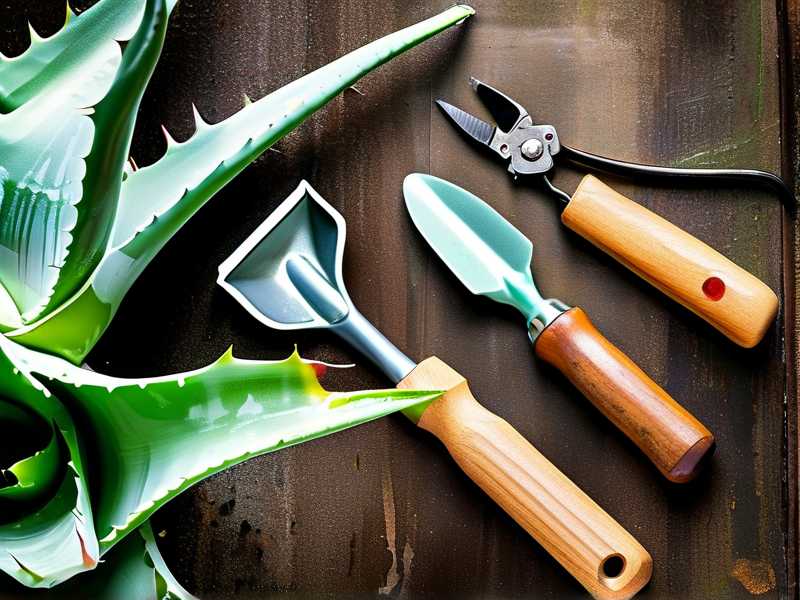
I keep a small kit ready. You'll need:
- Sharp pruning shears or scissors
- 70% isopropyl alcohol
- Clean cloth or paper towels
- Small bowl or container
- Gloves (optional but recommended)
I use 70% alcohol because it's more effective than higher concentrations. 90% alcohol evaporates too fast. It doesn't have enough contact time to kill pathogens. 70% is the sweet spot.
Step 2: Clean the Tools First
Before disinfecting, I remove any visible dirt. I wipe the blades with a dry cloth. Dirt can shield pathogens from the disinfectant. You want clean metal surfaces.
Step 3: Soak or Wipe
I fill a small bowl with 70% alcohol. I submerge the blades for 5 minutes. If I'm in a hurry, I soak a cloth and wipe the blades thoroughly. But soaking is better. It ensures complete coverage.
Step 4: Let Them Dry
After soaking, I air dry the tools. I don't rinse them with water. Rinsing removes the disinfectant. I just let the alcohol evaporate. It takes about a minute. Then the tools are ready.
Step 5: Disinfect Between Cuts
This is crucial. If I'm pruning multiple leaves, I disinfect between each cut. I keep a small spray bottle of alcohol nearby. I spray the blades after each cut. I wipe them with a cloth. Then I make the next cut.
I learned this the hard way. I once pruned three leaves in a row without disinfecting. The second cut picked up bacteria from the first. The third cut spread it further. All three cuts got infected.
What Kind of Alcohol to Use
I stick with isopropyl alcohol. It's cheap. It's effective. It's easy to find. I buy it at my local pharmacy. A big bottle lasts months.
Do not use rubbing alcohol that contains moisturizers or fragrances. Those additives can leave residue on your tools. That residue can harm your plants. Pure isopropyl alcohol is the way to go.
I've also used hydrogen peroxide. It works well. But it breaks down faster. You need fresh solution each time. Alcohol is more stable.
Other Disinfection Methods I've Tried
Bleach Solution
I've used bleach in the past. Mix 1 part bleach with 9 parts water. Soak for 10 minutes. Rinse thoroughly. Dry completely.
Bleach is effective. But it's harsh. It can corrode your tools over time. I only use it when I'm dealing with a serious disease outbreak. For regular maintenance, alcohol is better.
Heat Sterilization
I've tried heating my tools with a flame. It works. But it's impractical. You need a torch. You risk damaging the temper of the blades. I don't recommend it for home use.
Commercial Disinfectants
There are products made specifically for pruning tools. I've used a few. Some work well. But they're expensive. Alcohol does the same job for pennies.
My Favorite Tools for Aloe Pruning
I've tried many pruning tools. Here are the ones I trust.
Sharp Scissors
I use a pair of stainless steel scissors. They're sharp. They're precise. They make clean cuts. Dull tools crush the tissue. That leads to slower healing and more infections.
Pruning Shears
For thicker aloe leaves, I use bypass pruners. They cut cleanly without crushing. I avoid anvil pruners. They tend to crush plant tissue.
Knife
Sometimes I use a sharp knife. I prefer a straight blade. I make one clean cut. No sawing back and forth. That damages the plant.
How to Make the Actual Cut
This matters more than most people think. The cut itself affects healing. Here's how I do it.
First, I locate the leaf I want to remove. I choose leaves that are old, damaged, or crowded. I cut as close to the base as possible. But I leave a small stub. About 1/4 inch. This protects the main stem.
I make one clean cut. I don't twist or pull. That tears the tissue. I use a sweeping motion. The cut should be smooth and even.
If the leaf is thick, I cut from the bottom. I angle the blade slightly upward. This helps water run off the cut surface. Standing water can cause rot.
What to Do After Pruning
The work doesn't stop after the cut. Post-pruning care is just as important.
Let the Cut Dry
I leave the cut exposed to air. I don't cover it with anything. I don't apply sealants. The plant will form its own callus. This takes 2-3 days.
I keep the plant in a dry environment. High humidity slows the drying process. I avoid misting the plant for a few days.
Don't Water Immediately
This is a common mistake. People water their aloe right after pruning. They think it helps. It doesn't. Watering introduces moisture to the fresh cut. That invites infection.
I wait at least 5-7 days before watering. I check the soil first. I make sure it's completely dry. Then I water sparingly.
Watch for Problems
I check the cut every day. I look for signs of infection. Soft spots. Discoloration. Bad smells. If I see any of these, I act fast. I cut off the infected area. I disinfect my tools. I treat the plant with a fungicide if needed.
When to Prune Aloe for Best Results
Timing matters. I've found that spring and early summer are best. The plant is actively growing. It heals faster. Cuts made in winter take longer to close. The plant is dormant. It's more susceptible to infections.
I avoid pruning in late fall or winter. Unless I have to remove a damaged leaf. Even then, I'm extra careful with disinfection.
Common Questions About Aloe Pruning
Can I use household cleaners?
No. Household cleaners contain chemicals that harm plants. Stick with alcohol or bleach solutions. They're safe and effective.
Do I need to disinfect between cuts on the same plant?
Yes. Even on the same plant, pathogens can spread. I always disinfect between cuts. It takes 10 seconds. It's worth it.
What if I don't have alcohol?
Use a bleach solution. Mix 1 part bleach with 9 parts water. Soak for 10 minutes. Rinse thoroughly. Dry completely. This is my backup method.
How often should I replace my tools?
Replace tools when they become dull or damaged. Dull tools crush plant tissue. Damaged tools can harbor bacteria. I replace my scissors every 6-12 months. It depends on how often I use them.
Final Thoughts on Tool Disinfection
I've been pruning aloe for years. I've made mistakes. I've killed plants. But I've learned. The most important lesson is simple. Disinfect your tools. Every time. Without exception.
It takes 5 minutes. It saves you weeks of worry. It keeps your plants healthy. It's the easiest thing you can do to improve your gardening success.
I still remember the first aloe I lost. It was a beautiful plant. I had grown it from a small pup. I pruned it without cleaning my scissors. Within a week, the cuts were infected. Within a month, the plant was gone. I was heartbroken.
I never made that mistake again. Now I'm obsessive about tool hygiene. My aloe plants are thriving. They're healthy. They're beautiful. And it all starts with a simple step.
Grab your tools. Grab your alcohol. Spend 5 minutes disinfecting. Your plants will thank you. I promise.
FAQ
How long does alcohol need to stay on the tools to kill pathogens?
I soak for 5 minutes. Research shows that 70% alcohol kills most pathogens within 30 seconds. But I like to be thorough. 5 minutes gives me peace of mind. If you're in a hurry, 30 seconds is probably enough. But I don't recommend rushing.
Can I use vinegar instead of alcohol?
I've tried vinegar. It doesn't work as well. Vinegar is a weak acid. It kills some bacteria. But it's not effective against fungi and viruses. Alcohol is more reliable. Stick with alcohol.
Do I need to disinfect tools if I'm only pruning healthy leaves?
Yes. Healthy leaves can still carry pathogens. You might not see them. But they're there. I always disinfect. It's better to be safe than sorry. I learned this the hard way.