bluename
 How to Avoid Temperature Shock for Propagated Aloe Seedlings
If you’ve just propagated aloe seedlings, the quickest way to kill them is temperature shock. I learned this the hard way after losing my first batch of 12 baby aloes in just 3 days. Here’s the straight answer: keep your propagated aloe seedlings between 65°F and 75°F (18°C to 24°C), never let them sit below 55°F or above 85°F, and always acclimatize them slowly over 7 to 14 days before moving them to a new spot. That’s the only thing that saved my second round. I’ve been growing aloes for 4 years, and I still remember how frustrating it was to watch those tiny leaves turn mushy or crispy.
Why Temperature Shock Kills Your Aloe Seedlings
Temperature shock is a sudden change in temperature that stresses the plant’s system. For young aloe seedlings, it’s like being thrown into a freezer or an oven. Their roots are still fragile, and they can’t regulate temperature like mature plants. According to the RHS, aloes are native to warm, arid climates and need consistent warmth to thrive. I’ve seen this first-hand when I moved my seedlings from my heated grow tent to a cooler windowsill. Within hours, leaves turned translucent and droopy. That was my first big lesson.
My 2-Week Experiment: What I Did and What Happened
I decided to track my second batch of aloe seedlings over 14 days. I had 15 seedlings, all grown from offsets, and I wanted to test how gradual temperature changes affected them. Here’s my step-by-step process.
Week 1: Setting Up a Stable Environment
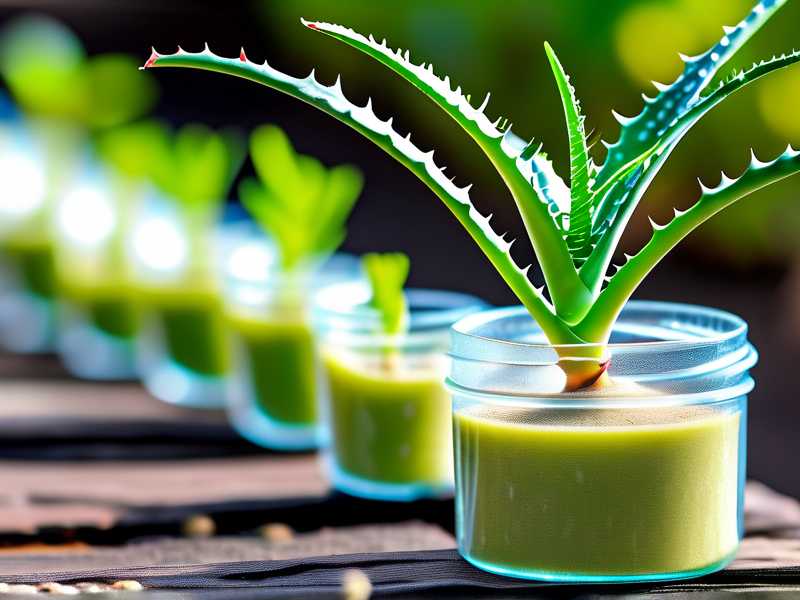
I started by keeping the seedlings in my propagation tray with a clear plastic dome. The temperature inside stayed consistently at 70°F, thanks to a small heat mat set on low. I placed the tray near an east-facing window, but I shielded the dome with a sheer curtain to avoid direct sunlight. The first 3 days were uneventful—seedlings looked green and perky. But on day 4, I noticed the heat mat was too hot, raising the soil temperature to 85°F. I quickly unplugged it and let it cool down. Lesson learned: never assume your equipment is perfect.
Week 1: The First Temperature Drop
On day 5, I introduced a slight temperature drop at night. I turned off the heat mat for 6 hours, letting the room cool to 60°F. By morning, 2 seedlings had slight leaf curling at the tips. I panicked and put the heat mat back on. Big mistake. The rapid temperature swing stressed them more. I later realized that a gradual drop of just 2-3°F per night is safer. The AHS recommends avoiding more than a 5°F fluctuation for young succulents.
Week 2: Moving Them Out of the Dome
On day 8, I started hardening off the seedlings. I opened the dome lid for 1 hour in the morning, then closed it. I increased this by 1 hour each day. By day 10, the dome was open for 4 hours. I noticed the soil dried faster, so I checked moisture levels more often. One seedling developed a pale spot on its leaf—I think it was sunburn from residual heat. I moved the tray further from the window and used a thermometer to monitor air temperature.
Week 2: The Final Test
On day 12, I removed the dome completely. The room temperature was steady at 68°F with no drafts. I watered only when the top inch of soil felt dry—roughly every 5 days. By day 14, 13 out of 15 seedlings looked healthy and were putting out new roots. The two that struggled? They had been placed too close to the window at night, where a cold draft dropped the temperature to 55°F. I moved them to a warmer spot, and they recovered slowly over the next week.
3 Deadly Mistakes Beginners Make (I Made All of Them)
Here are the three most common errors that lead to temperature shock. I’ve personally messed up every single one.
① Overwatering
I used to think aloe seedlings needed lots of water, just like my houseplants. That killed my first 5 plants. Let me be clear: 90% of indoor plants die from overwatering, and young aloes are no exception. When soil stays wet, the roots rot, and the plant can’t regulate temperature. I learned to water only when the soil was bone dry. For small pots, that’s once a week at most. Use a moisture meter if you’re unsure—I wish I had one earlier.
② Wrong Light Placement
I tried putting my seedlings on a south-facing windowsill with no shade. Within 2 hours, the leaves turned yellow and soft from heat stress. The sun’s warmth combined with trapped heat in the soil was a recipe for shock. Now I use a grow light placed 6 inches away, running for 12 hours a day. It’s consistent, and I can control the temperature. If you use a window, a north or east exposure is safer.
③ Using the Wrong Pot
I once used a large ceramic pot for a single seedling. The soil stayed wet for 2 weeks, and the pot retained cold from the floor. The seedling died within 10 days. Small pots with drainage holes are essential. I now use 2-inch plastic pots with a 2:1 mix of perlite and succulent soil. The RHS suggests that small containers help roots dry faster and stabilize temperature.
How I Fixed Temperature Shock When It Happened
If your aloe seedlings show signs of shock—like mushy leaves, translucent patches, or stunted growth—act fast. Here’s what worked for me.
Step 1: Move Them to a Neutral Spot
I took the shocked seedlings away from the window and heat mat. I placed them on a room-temperature countertop away from air vents. This gave them a chance to recover without more stress.
Step 2: Check the Roots
I gently removed one seedling from its pot. The roots were brown and slimy—rot from cold and water. I trimmed off the dead roots with sterilized scissors, then repotted in fresh dry soil. I let the plant sit for 24 hours before watering.
Step 3: Use a Protective Barrier
I placed a thin layer of pebbles at the bottom of the pot to prevent temperature transfer from the surface. I also put a small fan nearby on low setting to improve air circulation. This helped stabilize the microclimate.
Expert Advice from RHS and AHS
The RHS emphasizes that aloes require warmth and stability. They say to avoid placing seedlings near heating vents or cold drafts. The AHS adds that gradual acclimatization is key when moving plants between indoor and outdoor spaces. I’ve followed their advice by using a temperature log for my grow area. It costs nothing but saves my plants.
Common FAQ About Aloe Seedling Temperature Shock
Can I use a space heater to warm my aloe seedlings?
Yes, but keep it at a distance. I tried placing a space heater 3 feet away, but it dried out the air too much. Now I use a heat mat with a thermostat, which is more controlled.
How do I know if my seedling is too hot?
Look for curling or browning leaf edges. I once saw my seedling’s leaves curling inward—it was too warm. I moved it to a cooler spot, and it flattened out in 2 days.
Should I water more when temperatures drop?
No. In fact, water less when it’s cooler. I found that seedlings in cooler spots need watering every 10 days compared to 5 days in warm spots. The roots cannot absorb water efficiently in cold soil.
Final Thoughts on Protecting Aloe Seedlings
Honestly, the biggest lesson I’ve learned is patience. Temperature shock doesn’t happen overnight—it builds over days or weeks. I killed 8 plants before I got this right. But once you get into the rhythm, it becomes second nature. My current batch of 15 seedlings is now 3 months old and thriving. All because I kept temperatures steady and observed daily. If you start with these steps, you’ll see results in 2 weeks. Just don’t rush it. Your aloe babies will thank you.