bluename
 Aloe Vera and High Altitude: My 2-Week Journey of Growth Adjustments
Moving my plant collection to a mountain home at 7,000 feet was a dream, until I saw my aloe vera starting to protest. The plump, green leaves I’d nurtured for years began to look thin and discolored. I realized that aloe vera and high altitude gardening presents a unique set of challenges. The intense sunlight, lower air pressure, cooler nights, and faster drying conditions created an environment my desert plant wasn't instinctively prepared for. This is the story of my two-week experiment to understand and implement the precise growth adjustments for aloe vera at high elevation. My goal was not just to help it survive, but to help it thrive.
Understanding the High-Altitude Shock
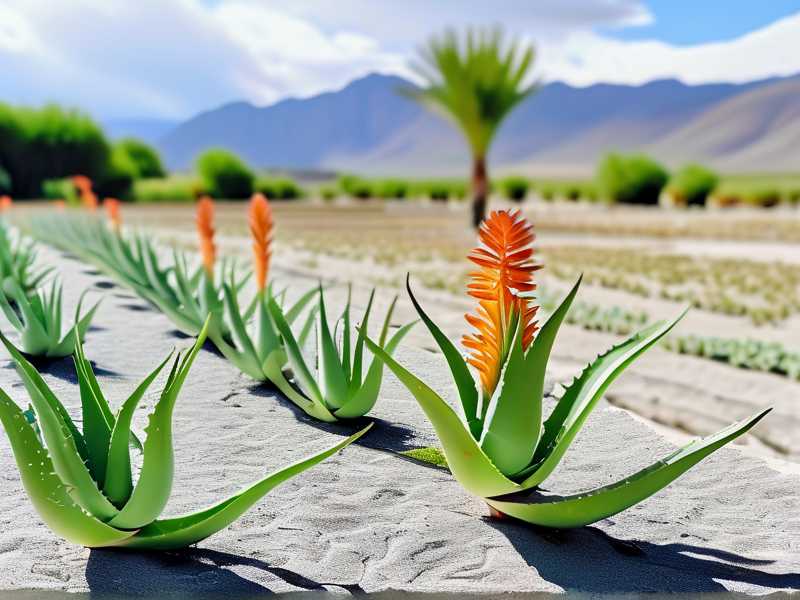
The first step was diagnosing the problem. My aloe wasn't dying from one issue, but from a combination of stressors magnified by the altitude.
The sunlight here is brutally intense. Even though aloe loves sun, the UV radiation is stronger. My plant’s leaves had taken on a reddish-brown, almost bronzed tint. This wasn't necessarily a death sentence—it's a sign of anthocyanin production, a natural sunscreen. But combined with other stresses, it was a warning sign.
Humidity is virtually nonexistent, and the wind is constant. This leads to evaporation rates that are off the charts. My usual weekly watering schedule was now a fast track to severe dehydration. Conversely, the soil in plastic pots seemed to stay cold and damp at the root level long after the surface dried, a recipe for root rot.
Nights are surprisingly chilly, often dipping into the 40s (°F). Aloe vera prefers temperatures above 50°F. This cold stress was stunting its metabolic processes, explaining the lack of plumpness despite what I thought was adequate care.
My Action Plan: The Four Key Adjustments
I decided to tackle each issue systematically over a 14-day period, documenting changes every other day.
Week 1: Immediate Interventions
Day 1-3: The Great Migration and Light Filtering My first move was relocation. I moved my aloe from a full-south exposure deck to an east-facing patio. This provided it with the vital morning sun but spared it the harsh afternoon intensity. I also employed a sheer shade cloth for a few hours at midday. This simple step of acclimating aloe vera to mountain conditions began immediately. By Day 3, the aggressive reddish tint had stopped deepening.
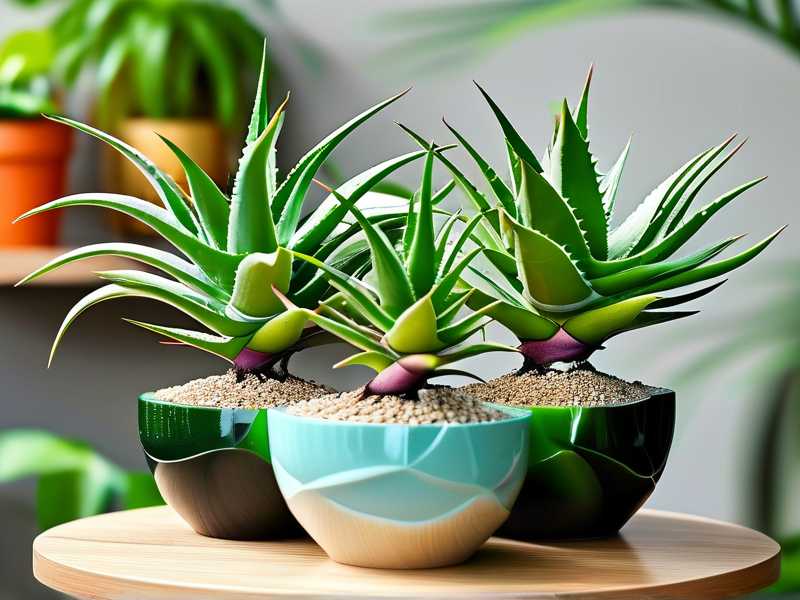
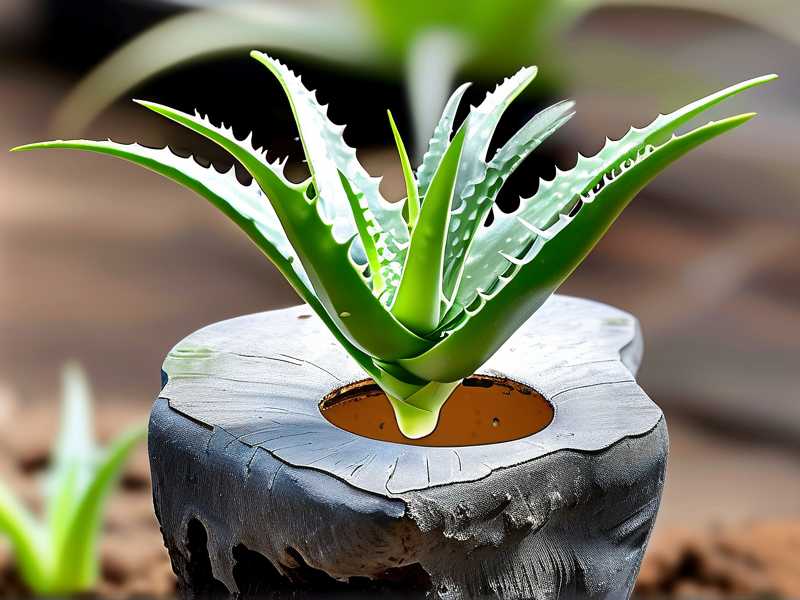
I also repotted it. Out went the moisture-retentive potting mix and the deep plastic pot. I used a terracotta pot, which breathes and allows soil to dry more evenly. The new mix was a gritty, fast-draining blend: 50% cactus/succulent soil, 25% perlite, and 25% coarse sand. This was my primary adjustment for high-altitude succulent care, ensuring the roots wouldn't sit in cold, wet soil.
Day 4-7: Mastering the Watering Rhythm This was my biggest challenge. The "soak and dry" method still applied, but "dry" happened much faster. I purchased a simple moisture meter to check not just the top inch, but several inches down. I learned that watering deeply in the late morning was key. This gave the plant time to drink before the cold night set in, preventing the roots from getting chilled in wet soil.
My mistake? On Day 5, I assumed the bone-dry surface meant it was time. The meter revealed the lower soil was still cool and slightly moist. I waited. This prevented a classic overwatering error. By the end of Week 1, the leaves felt slightly firmer, though growth was still static.
Week 2: Refinement and Observation
Day 8-14: Temperature and Long-Term Strategy For the cold nights, I brought the aloe indoors if the forecast predicted temperatures below 45°F. Otherwise, I placed it against a warm stone wall that radiated daytime heat overnight, creating a microclimate. I also learned from a local horticulturist with the American Horticultural Society (AHS) that high-altitude plants often benefit from a slight increase in potassium to improve their cell integrity and stress tolerance. I used a diluted, balanced fertilizer with a slightly higher K value once during this period.
The results by Day 14 were encouraging. The bronze stress colors began to recede from the newer growth at the center, replaced by a healthier, olive green. The leaves were visibly plumper and had regained their characteristic slight arch. No new discoloration or soft spots appeared. The plant had stabilized.
The Pitfalls I Encountered (And How I Fixed Them)
1. The Wind Desiccation Trap: I underestimated the wind. Even in partial shade, the constant breeze was wicking moisture from the leaves. My fix was to create a simple windbreak using a lattice panel, not to block air flow entirely, but to break its force. This reduced leaf tip browning immediately.
2. The "False Dry" Surface: As mentioned, the topsoil lied. Relying on touch alone failed me. The moisture meter became my most trusted tool, saving me from both over and under-watering.
3. Assuming One Adjustment Was Enough: Just moving it out of full sun wasn't sufficient. It was the combination of filtered light, better soil aeration, adjusted watering, and frost protection that created the synergistic effect. High-altitude gardening requires a holistic approach.
Sustaining Health Beyond the Two Weeks
The two-week mark showed success, but long-term health requires consistency. My aloe now lives permanently on the east-facing patio from late spring to early fall. It comes indoors well before the first hard frost. I water only when the moisture meter reads "dry" 3/4 of the way down the pot, which in summer might be every 5-7 days, and in cooler periods, every 14-21 days. I’ve accepted that growth will be slower here than at lower elevations, but the plant is robust and stress-free.
Can I grow aloe vera indoors year-round at high altitude? Absolutely, and it's often the simplest solution. Provide a south or east-facing window with at least 6 hours of bright, indirect light. The indoor environment naturally protects it from extreme cold, wind, and intense UV, making care more similar to standard guidelines.
What is the biggest sign of trouble I should watch for? Soft, mushy, or translucent leaves at the base are the clearest sign of overwatering and cold root rot. Shriveling, thin, and curled leaves indicate severe underwatering or root damage from prior overwatering. Adjust your watering immediately based on which symptom appears.
Do I need special fertilizer for my high-altitude aloe? Not special, but mindful. Use a balanced, water-soluble fertilizer diluted to half-strength. Fertilize only during the active growing season (late spring to summer), and consider a formula slightly higher in potassium for overall hardiness. Always apply to damp soil to prevent root burn.
Growing aloe vera in the mountains is a lesson in observation and adaptation. It’s about working with the intensified elements, not against them. By adjusting light exposure, mastering a meticulous watering routine tailored to the rapid dry-down, ensuring sharp drainage, and providing protection from freezing nights, your aloe can do more than just endure—it can become a resilient, beautiful part of your high-altitude garden. The key is patience and a willingness to listen to what the plant tells you.