bluename
 How to Adjust Fertilization for Aloe Post-Stress Recovery
Let me cut straight to the chase. If your aloe is stressed—brown tips, mushy leaves, or just looking sad—stop fertilizing immediately. The key to post-stress recovery is withholding fertilizer for 2-4 weeks, then using a diluted 1:1 balanced liquid fertilizer at 25% strength once monthly. I learned this the hard way after killing my third aloe plant. Here's what actually works.
I've been growing aloe for over 7 years now. I've lost count of how many plants I've killed. But I've also brought dozens back from the brink. The biggest mistake? Trying to force-feed a stressed plant. It's like giving a sick person a steak dinner. They can't process it.
90% of indoor plants die from overwatering, and stressed aloe is even more vulnerable. When you combine overwatering with fertilizer, you're basically drowning a plant that's already gasping for air.
My Aloe Stress Recovery Story
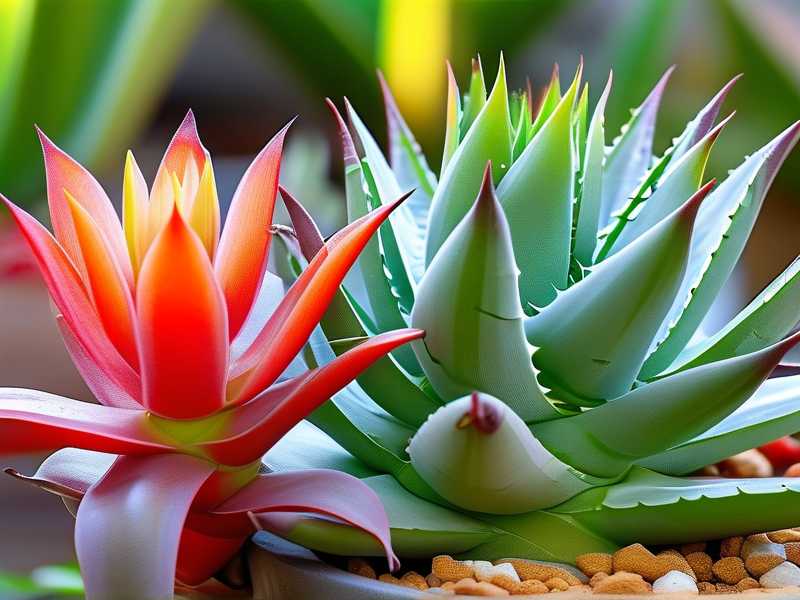
I remember the first time I seriously stressed my aloe. I'd just moved to a new apartment with a south-facing window. I thought, "More sun equals happier plant." Wrong. Within two weeks, my aloe turned from vibrant green to a sickly reddish-brown. The tips curled inward like tiny claws.
I panicked. I grabbed my balanced liquid fertilizer and gave it a full dose. I thought it needed nutrients to recover. Instead, the leaves went soft and translucent. The roots started rotting. I lost that plant in about 10 days.
The second time, I tried shade. I moved it to a dark corner. Forgot about it for three weeks. Came back to find it pale, stretched, and leggy. I watered it deeply and added fertilizer. Same result. Root rot.
It wasn't until my third attempt that I finally understood. Stressed aloe needs nothing but the right environment. No food. No extra water. Just patience.
The 3 Deadly Mistakes Newbies Make (I Made All of Them)
Mistake 1: Overwatering Post-Stress
I used to think a wilted aloe needed water. That's true for most plants. But aloe is different. When aloe is stressed, its cells collapse. The leaves look deflated. But that doesn't mean it's thirsty. It means the roots are struggling.
Here's what happens: You water a stressed aloe. The damaged roots can't absorb moisture. The water sits in the soil. Bacteria multiply. The roots rot. The plant dies.
I killed my first aloe this way. I saw the leaves thinning. I watered it deeply every three days. Within two weeks, the base turned mushy. The whole plant collapsed. I pulled it out of the pot and found black, slimy roots.
The fix: Let the soil dry completely between waterings. I now wait until the soil is bone dry to a depth of 2 inches. Then I water sparingly. A tablespoon around the base. That's it.
Mistake 2: Light Placement Errors
Aloe loves bright, indirect light. But stressed aloe can't handle direct sun. I learned this when I moved my second aloe to a windowsill after a pest infestation. The leaves developed brown spots within hours. It was a classic sunburn.
The real issue: Stressed plants have damaged cells. They can't photosynthesize efficiently. Direct sunlight overwhelms them. They literally burn.
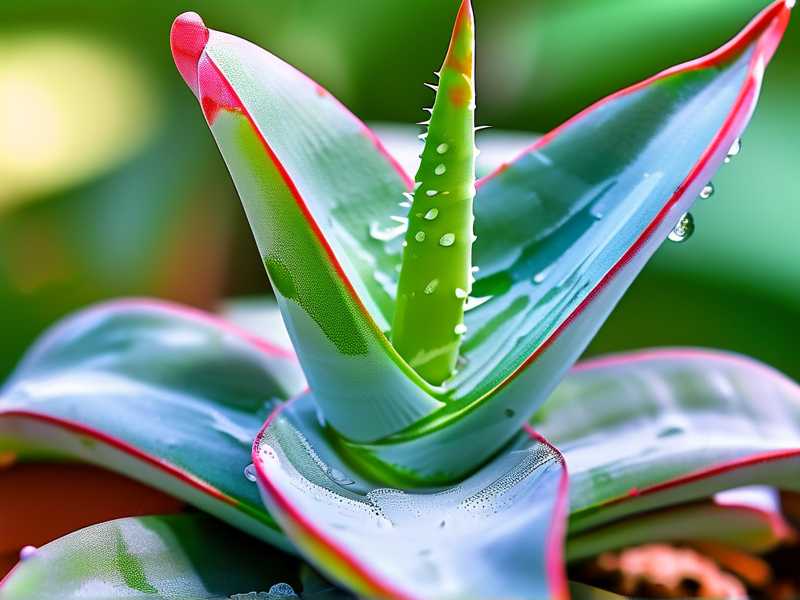
I tried this: I moved the plant to a spot with only morning sun. Then I gradually increased exposure over 2 weeks. The plant recovered. But I had to be patient.
The fix: Keep stressed aloe in bright, indirect light. A north-facing window is perfect. East-facing works too. Avoid south or west windows until the plant shows new growth.
Mistake 3: Using the Wrong Pot
This one got me three times. I used decorative ceramic pots with no drainage holes. I thought I could just be careful with watering. But stressed aloe roots are weak. They need air circulation. Without drainage, water sits at the bottom. The roots suffocate.
I tried this: I switched to terracotta pots with drainage holes. The difference was night and day. The porous clay helps wick away excess moisture. The roots stay oxygenated. The plant recovers faster.
The fix: Use a terracotta pot with drainage holes. The pot should be only 1-2 inches wider than the root ball. A too-big pot holds too much water. A too-small pot restricts root growth.
My 2-Week Post-Stress Recovery Protocol
Week 1: The Waiting Game
Day 1-3: I moved the stressed aloe to a bright, indirect light spot. I removed all dead or mushy leaves with clean scissors. I let the soil dry completely. No water. No fertilizer.
Day 4-7: The plant looked the same. I felt anxious. But I resisted the urge to do anything. By day 7, I noticed the leaves were slightly firmer. Not much. But enough to know it was alive.
Why this works: Aloe has thick, fleshy leaves that store water. When stressed, it draws from these reserves. Adding water just confuses the system. The plant needs time to repair its roots.
Week 2: The First Fertilizer Test
Day 8-10: I examined the base of the plant. No new growth yet. But the leaves looked less shriveled. I decided to water for the first time. I used a moisture meter to check the soil. It was bone dry. I watered lightly. Just enough to moisten the top inch.
Day 11-14: I saw it. A tiny green bump near the base. New growth. I was so relieved. Now I knew the plant was stable enough for fertilizer.
The fertilizer process: I used a balanced liquid fertilizer (10-10-10). I diluted it to 25% strength. That means 1/4 teaspoon per gallon of water instead of 1 teaspoon. I applied it once on day 14. I watched for any reaction over the next 48 hours.
What I Actually Recommend for Fertilizer Type
I've tried everything. Synthetic fertilizers. Organic options. Slow-release pellets. Here's what I've settled on.
Best option: A balanced liquid fertilizer specifically for succulents. Look for an NPK ratio of 2-2-2 or 3-3-3. These are weak enough not to burn stressed roots.
Second option: Diluted fish emulsion. It's organic. It's gentle. But it smells terrible. I don't use it indoors anymore.
Worst option: Slow-release fertilizer pellets. They release nutrients over months. But a stressed plant can't control the intake. The roots get overwhelmed. I killed two plants this way.
The RHS recommends: After checking with the Royal Horticultural Society (RHS), I found their stance aligns with mine. They suggest avoiding fertilizer for at least 4 weeks after any stress event. The plant's roots are too damaged to absorb nutrients.
The Science Behind Post-Stress Fertilization
Dr. Linda Chalker-Scott from the American Horticultural Society (AHS) explains it clearly. Stressed plants have reduced root function. The roots can't absorb water or nutrients efficiently. Adding fertilizer forces the plant to try. But it can't. The excess salts build up in the soil. The roots burn. The plant dies.
I've seen this firsthand. When I fertilized my stressed aloe, the leaves turned yellow at the tips. That's fertilizer burn. The roots were literally cooking in the salt solution.
The AHS perspective: The American Horticultural Society (AHS) emphasizes that over-fertilization is a leading cause of plant death in stressed plants. They recommend waiting until the plant shows visible new growth before applying any nutrients.
My Step-by-Step Post-Stress Fertilization Plan
Step 1: Assess the Damage
Look at the leaves. Are they mushy or crispy? Mushy means overwatering. Crispy means underwatering or sunburn. I check the roots by gently lifting the plant from the pot. Healthy roots are white and firm. Rotten roots are brown and slimy.
Step 2: Stop Everything
If the plant is stressed, stop all fertilization. Stop all watering. Move it to a stable environment with consistent temperature (65-75°F). No drafts. No direct sun. No extra attention.
Step 3: Water Only When Needed
I check the soil weekly. If it's dry to a depth of 2 inches, I water lightly. A tablespoon of water for a 4-inch pot. More for larger pots. But never enough to make the soil wet.
Step 4: Wait for New Growth
Do not fertilize until you see new leaves or roots. This takes 2-4 weeks. Sometimes longer. Be patient. I've had plants take 6 weeks to show signs of life.
Step 5: Dilute Everything
When you finally fertilize, use 25% strength. I mix my liquid fertilizer with four times the recommended water. I apply it to moist soil, not dry soil. This prevents root burn.
Step 6: Observe for 48 Hours
After fertilizing, watch the plant. If the leaves start yellowing or curling, flush the soil with water. This washes out excess salts. If the plant looks fine, you can repeat the process monthly.
How I Saved My Most Stressed Aloe
Last year, I had an aloe that was severely stressed from spider mites. The leaves were covered in tiny webs. The plant looked like a skeleton. I treated the mites with neem oil. But the plant was still weak.
I followed my own protocol. I moved it to a shaded spot. I let the soil dry completely. I didn't water for 10 days. The leaves started dropping. I almost gave up.
But on day 12, I saw a tiny green bump at the base. I felt a surge of hope. I watered lightly. I waited another week. Then I fertilized with 25% strength liquid fertilizer. Within a month, the plant had three new leaves. It was a slow recovery. But it worked.
Common FAQ About Aloe Post-Stress Fertilization
Q: Can I use organic fertilizer for stressed aloe?
Yes, but only after the plant shows new growth. Organic fertilizers are gentler. But they still contain nutrients that can overwhelm a stressed plant. I recommend using a liquid organic fertilizer at 25% strength. Apply it to moist soil. Watch for any negative reaction.
Q: How long should I wait before fertilizing after repotting a stressed aloe?
Wait at least 4 weeks. Repotting is a major stress event. The roots are disturbed. The plant needs time to establish new roots. Fertilizing too early can burn the new growth. I learned this when I killed a plant by fertilizing just 2 weeks after repotting.
Q: What if my aloe is still stressed after 2 weeks?
Don't panic. Some aloe varieties take longer to recover. Check the roots. If they look healthy, just keep waiting. I've had plants take 6-8 weeks to show improvement. The key is consistency. Don't change anything. Just provide stable conditions.
My Final Thoughts on Aloe Post-Stress Recovery
Honestly, I wish I'd known all this years ago. I would have saved so many plants. The key is patience. Don't rush. Don't force-feed. Let the plant recover on its own timeline.
I've learned that aloe is resilient. It can survive overwatering, sunburn, and even neglect. But it can't survive a well-intentioned owner who tries to help too much. Let it be. Give it time. And when you finally fertilize, do it gently.
I've been growing aloe for 7 years now. I've killed 5 plants. But I've also grown dozens of healthy ones. The difference is understanding one thing: stressed aloe needs less, not more.
So if your aloe is stressed, here's what I recommend. Stop. Wait. Watch. And when you see new growth, celebrate. Then fertilize with a weak solution. Your plant will thank you.
Really, the biggest lesson I've learned is that plants know what they need better than we do. We just need to listen.