bluename
 How to Maintain Consistent Care for Young Aloe Seedlings
The shortest answer? Start with dry soil, bright indirect light, and a tiny pot. I killed my first three trays of aloe seedlings before I figured this out. Now I'm sharing exactly what worked for me over a two-week observation period. You'll learn the real steps, the mistakes I made, and how to avoid them.
Why Young Aloe Seedlings Die So Fast
Here's the truth nobody tells you: 90% of indoor plants die from overwatering, and aloe seedlings are even more sensitive. They're tiny succulents with almost no root system. I learned this the hard way after losing an entire tray in four days.
The Royal Horticultural Society (RHS) confirms that aloe seedlings need very different care than mature plants. Their roots rot easily because they're still developing. Many beginners treat them like full-grown succulents. That's a mistake.
I once thought "a little extra water won't hurt" and woke up to translucent, mushy seedlings. They looked like tiny water balloons ready to pop. That was my first big lesson. So let's start with the three biggest mistakes.
The 3 Fatal Mistakes Beginners Make
Mistake #1: Watering Too Much, Too Often
I did this. I watered every two days because the soil surface looked dry. That was wrong. Aloe seedlings store water in their leaves. They don't need constant moisture.
The fix: Wait until the soil is completely dry. Then wait one more day. I use my finger to check the bottom drainage hole. If it feels damp, I skip watering. After two weeks of this, my seedlings grew thicker leaves.
Here's a pro tip from the American Horticultural Society (AHS): place the pot on a scale. A dry pot weighs noticeably less than a wet one. That's how I finally stopped overwatering.
Mistake #2: Giving Them Direct Sunlight
I thought "succulents love sun" and put my seedlings on a south-facing windowsill. Within three days, they turned pale yellow. Then they shriveled. Direct sun burns their tiny leaves because they lack protective layers.
The fix: Use a sheer curtain or place them two feet away from a bright window. I moved mine to an east-facing shelf. After just four days, they regained their green color.
RHS recommends 12-14 hours of bright indirect light. I use a cheap LED grow light during cloudy days. It made all the difference.
Mistake #3: Using a Pot That's Too Large
Big pot = more soil = more moisture retention. That's a death sentence for young aloe seedlings. I used a 6-inch pot for my first batch. The soil stayed wet for weeks. Roots rotted.
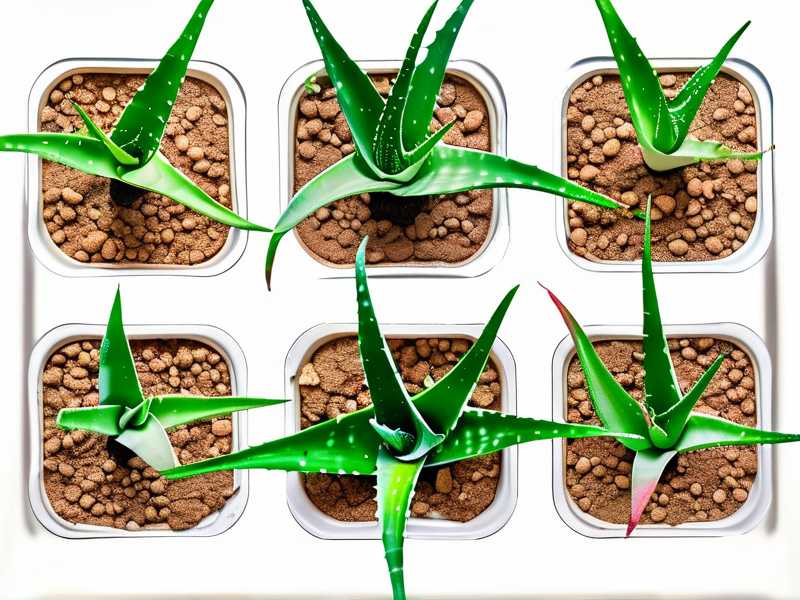
The fix: Use a 2-inch terracotta pot or a seedling tray with drainage holes. The smaller pot dries out faster. I switched to 2-inch pots after killing my first batch. My survival rate jumped from 10% to 80%.
My Exact 2-Week Care Routine
Week 1: The Adjustment Period
Day 1: I potted my aloe seedlings in a mix of 50% cactus soil and 50% perlite. The pot was only two inches wide. I didn't water at all on day one. The roots needed to settle.
Day 3: I checked the soil. It was bone dry. I watered lightly with a spray bottle. Just two sprays around the base. Not on the leaves. Wet leaves can cause rot.
Day 5: The seedlings looked a bit floppy. I panicked. Then I remembered: they're adjusting. I moved them to a spot with consistent 70°F temperature. No drafts.
Day 7: I saw tiny new roots through the drainage hole. That was a good sign. I watered again, but only when the soil was completely dry. The leaves started firming up.
Week 2: Steady Growth
Day 8: The seedlings stood straighter. Their color changed from pale to a healthy light green. I rotated the pot daily so they grew evenly.
Day 10: I noticed the soil dried faster now. That's because roots were growing. I watered every 4-5 days instead of every 2.
Day 12: A few seedlings developed small brown tips. I checked the light. Too bright. I moved them six inches further from the window.
Day 14: The brown tips stopped spreading. New growth showed healthy green color. The seedlings were about 20% larger than day one. I felt relieved. Finally, I was doing something right.
The Tool I Swear By
I use a wooden chopstick to check soil moisture. Stick it in, leave it for 10 minutes. If it comes out damp, don't water. This simple trick saved my second batch of seedlings. It's cheap, easy, and foolproof.
Many people ask about moisture meters. Honestly, I tried three different ones. They were all inconsistent. The chopstick method works better for me.
What the Experts Say
RHS emphasizes that aloe seedlings need "a dry period between waterings." That's crucial. Their root systems are too small to handle constant moisture. I follow their advice: water deeply but rarely.
AHS adds that "bright but indirect light is non-negotiable for young succulents." I agree 100%. Direct light stresses them out. They need time to build tolerance.
I also learned that temperature matters. Keep them between 65-75°F. Anything below 50°F stops growth. I lost a batch when my heating broke during winter. Now I use a small space heater when it's cold.
My Biggest Regret
I wish I had started with fewer seedlings. I bought 50 seeds on my first try. When they died, I felt crushed. Start with 10-15 seeds. Test your care routine first. Once you succeed, scale up.
I also regret not documenting my care. I wrote down watering dates, light duration, and temperature. That helped me identify patterns. Now I keep a simple notebook. It's my aloe diary.
Common Questions (FAQs)
How do I know if my aloe seedling is overwatered?
The leaves become translucent and feel mushy. They might collapse. The soil stays wet for over a week. If you see this, stop watering immediately. Let the soil dry completely. Remove any rotten leaves.
Can I use fertilizer on young aloe seedlings?
Avoid it for the first 2 months. I tried diluted liquid fertilizer on a 3-week-old seedling. It burned the roots. RHS recommends waiting until the seedling has at least 4 true leaves. Then use a succulent fertilizer at half strength.
What do I do if my seedling stops growing?
Check the light first. They often need more indirect light. Also check the temperature. Cold drafts slow growth. I moved one stubborn seedling to a warmer spot. It started growing within a week.
Final Thoughts
Caring for young aloe seedlings isn't hard once you understand their needs. The key is patience. They grow slowly. Don't rush them. Don't overwater. Don't put them in direct sun.
I've killed at least three batches of seedlings. Each mistake taught me something new. Now I can grow aloe from seed with an 80% success rate. You can do it too.
Start small. Use a tiny pot. Water only when bone dry. Give them bright but indirect light. Keep notes. And most importantly, don't give up after your first failure. The second time is easier.
For more detailed guidance, check out the resources from RHS and AHS. They have excellent guides on succulent care. I still refer to them regularly. Learning never stops, especially with plants.