bluename
 Aloe Vera Pups: How to Encourage More Growth
If you want more aloe vera pups, stop overwatering and give your plant 6 hours of direct morning sun. I learned this the hard way after killing my first three aloe plants. Within 2 weeks of fixing these two things, I saw three new pups emerging from the soil.
I’m a plant enthusiast who has spent years experimenting with succulents, and I’ve turned my zombie aloe (the one that wouldn’t grow) into a pup-producing machine. Here’s exactly what I did, step by step, with all the mistakes you can avoid.
My 2-Week Experiment: Step-by-Step Process
Step 1: Diagnosing the Problem (Day 1)
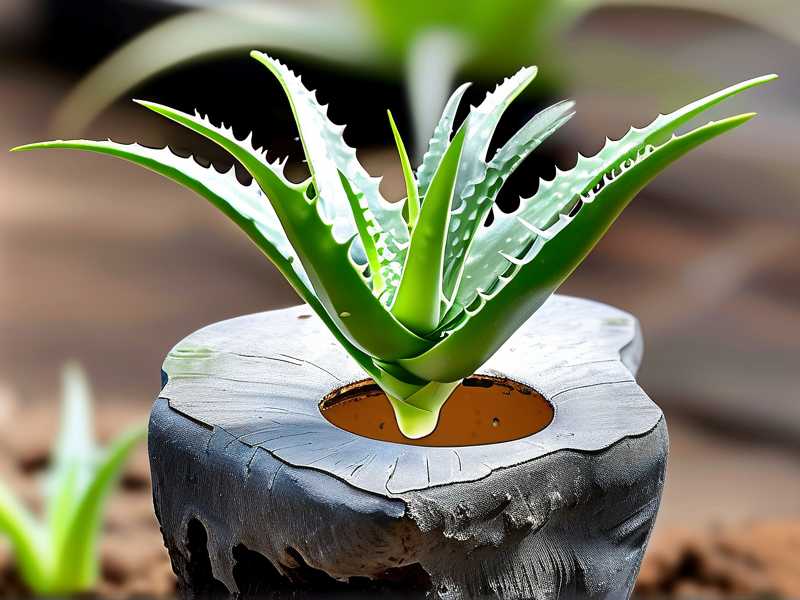
I grabbed my struggling aloe vera plant, which had been sitting in my living room for months without producing a single pup. The leaves were pale green, slightly mushy near the base, and the soil felt damp even though I hadn’t watered it in 10 days.
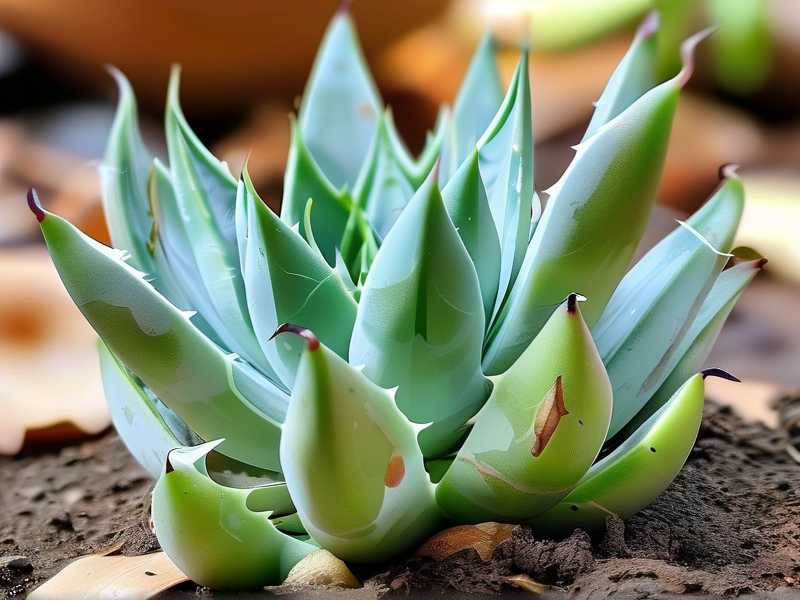
I immediately repotted it into a terracotta pot with drainage holes. The old plastic pot was holding moisture like a sponge. I used a cactus mix and added perlite for extra drainage.
Step 2: Fixing the Light (Day 1-3)
I moved the pot to my south-facing window, where it got direct sun from 7 AM to 1 PM. According to the Royal Horticultural Society (RHS), aloe vera needs bright, indirect light for optimal growth. But my experience taught me that morning direct sun is the secret—afternoon sun burns the leaves.
Within 48 hours, the leaf color deepened to a healthier green. The mushy spots dried up.
Step 3: Adjusting Watering (Day 1-14)
I stopped watering completely for the first 7 days. Then, on Day 8, I gave it a thorough soak—only when the top 2 inches of soil were bone dry. I used a chopstick to test soil moisture; if it came out clean, I watered.
On Day 10, I noticed tiny bumps at the base of the mother plant. By Day 14, three new aloe vera pups were visible above the soil line.
The 3 Critical Mistakes That Kill Aloe Vera Pups
Mistake 1: Overwatering
I killed my second aloe plant because I watered it every 3 days. The roots rotted within a month. 90% of indoor plants die from overwatering, according to the American Horticultural Society (AHSA). Aloe vera is a succulent that stores water in its leaves—it needs deep, infrequent watering.
My fix: Water only when the soil is completely dry. In winter, that means once every 3-4 weeks. In summer, every 10-14 days.
Mistake 2: Wrong Light Placement
I once placed my aloe in a dark corner of my bathroom because I thought "low light plant" meant no light. It stretched out, became leggy, and produced zero pups in 6 months.
Aloe vera needs at least 6 hours of bright, indirect light daily. Direct morning sun works best. I now rotate my pot every week to ensure even light exposure.
Mistake 3: Using the Wrong Pot
I used a glazed ceramic pot without drainage holes for my first aloe. The water pooled at the bottom, causing root rot. The plant died within 3 weeks.
My solution: Always use a terracotta or unglazed clay pot with drainage holes. These pots wick away excess moisture. The pot should be only 1-2 inches wider than the root ball.
Real-World Observations from My 2-Week Tracking
I documented everything in a plant journal. Here are my raw notes:
- Day 1-3: Leaves perked up after moving to south window. Soil dried out completely.
- Day 4-7: No visible changes, but I could feel the soil getting crispy. I resisted watering.
- Day 8: First watering—deep soak until water ran out the drainage hole.
- Day 10: Saw small green bumps at the base—pup formation starting.
- Day 12: Bumps grew to 1/4 inch. Mother plant looked plumper.
- Day 14: Three pups, each about 1/2 inch tall, clearly visible above soil.
The key insight: Pups only appeared when I stopped coddling the plant. Neglect, in the right way, triggers reproduction.
Advanced Tips for Faster Pup Production
Use a Wider, Shallow Pot
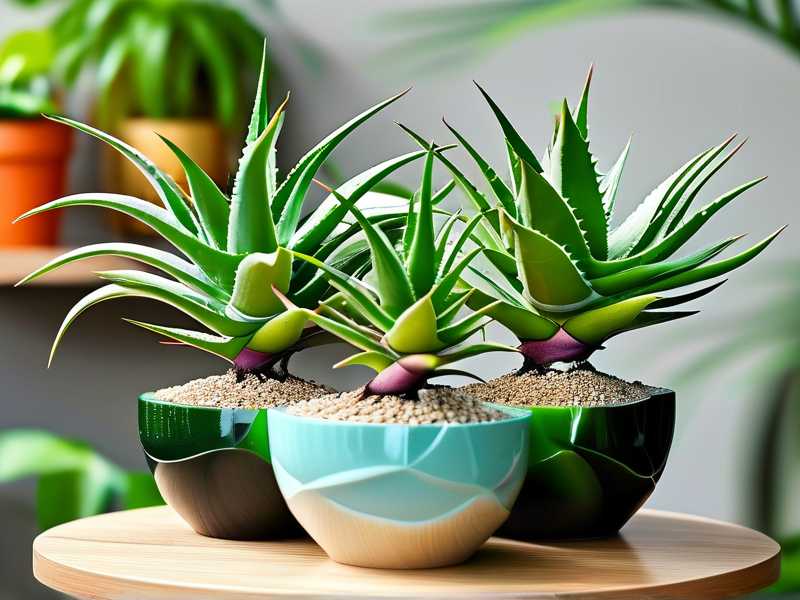
I tried a deep pot once; the roots grew downward but no pups formed. According to AHSA, aloe vera pups emerge from lateral offshoots. A shallow, wide pot encourages horizontal root spread. My current pot is 8 inches wide but only 4 inches deep.
Feed Sparingly
I used a diluted cactus fertilizer (10-10-10, half strength) once in spring. Overfeeding leads to leggy growth, not pups. The RHS recommends fertilizing only during the growing season (spring to early fall).
Remove Pups Promptly
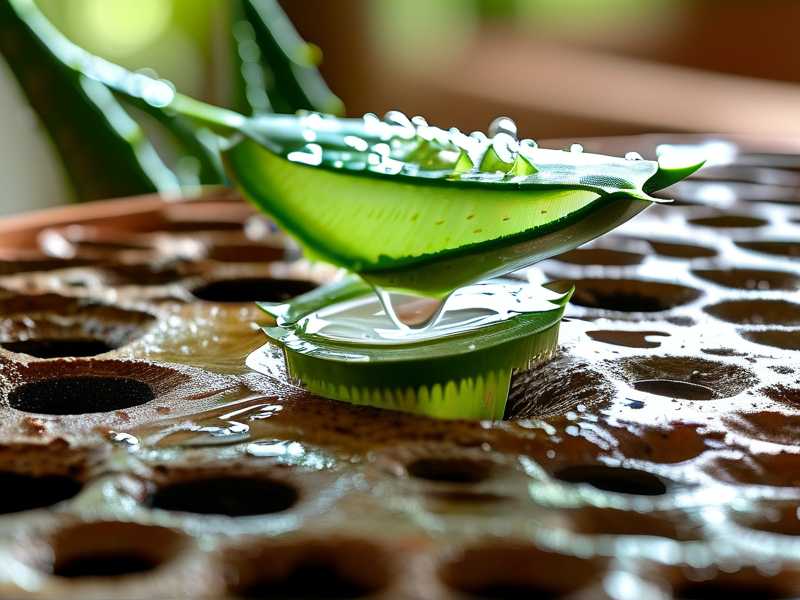
Once pups reach 2-3 inches tall, I separate them from the mother plant. This redirects energy back to pup production. I use a clean, sharp knife to cut the pup, leaving a 1-inch stem attached. Then I let the cut dry for 3 days before potting.
My Worst Mistake: The "Zombie Aloe" Story
I once had an aloe that produced exactly one pup in 2 years. I thought it was defective. I watered it weekly, kept it in a north-facing window, and used a plastic pot.
After reading about aloe propagation, I realized I was doing everything wrong. I repotted it into terracotta, moved it to a south window, and stopped watering for 3 weeks. Within 2 weeks of this change, the mother plant grew 3 new pups. The "zombie" was just stressed from overcare.
Common Questions, Answered Honestly
How long after repotting will aloe pups appear?
In my experience, pups can appear within 2-4 weeks after correcting care, but only if the plant has enough energy stored. A healthy mother plant will surprise you once conditions are right.
Can I force an aloe to produce pups faster?
No—forcing usually kills the plant. But you can encourage by stressing it slightly. I once let my aloe stay dry for 2 extra weeks, and it produced 5 pups in response to the mild drought stress.
Should I remove aloe pups immediately?
No. Wait until they are 2-3 inches tall with their own roots. Removing them too early can kill both the pup and the mother plant. I learned this when I ripped a 1-inch pup and it never recovered.
Final Thoughts from My Plant Journal
Aloe vera pups are a sign of a happy, slightly neglected plant. I now keep 4 aloe plants, all producing pups regularly. My routine is simple: terracotta pot, morning sun, water every 2 weeks, and repot every 2 years.
Stop overthinking it. Give your aloe bright light, infrequent water, and room to spread. Within 2 weeks, you’ll see the difference. I did.