bluename
 Aloe Vera Leaf Tips Turning Black: Causes and Fixes
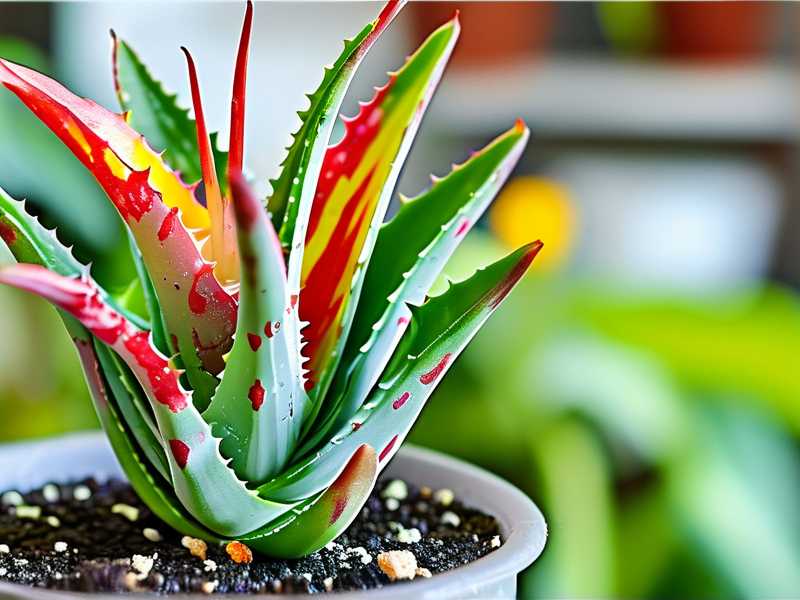
Aloe vera leaf tips turning black is usually a sign of overwatering or stress. I know this because I killed my first aloe vera within a month. Here is the fix: stop watering immediately, check the roots for rot, and repot in a well-draining cactus mix with a pot that has drainage holes. After two weeks of adjusting my care, my aloe vera's black tips stopped spreading, and new growth emerged healthy and green.
Why Are Your Aloe Vera Leaf Tips Turning Black?
I have been a plant enthusiast for over five years, and black leaf tips on aloe vera are one of the most common issues I see. When I first noticed this on my own aloe, I panicked. The tips turned a dark, mushy black, spreading downward like a slow disease. After researching and experimenting, I learned that the main culprit is water stress. Aloe vera is a succulent, meaning it stores water in its thick leaves. Overwatering suffocates the roots, causing them to rot, and the first sign is black tips.
3 Deadly Beginner Mistakes That Cause Black Tips
Mistake 1: Overwatering – The Silent Killer
I used to water my aloe vera every three days because I thought it needed constant moisture. This was my biggest mistake. The Royal Horticultural Society (RHS) states that succulents like aloe vera require infrequent watering, especially during winter. My overwatering led to root rot, and the leaf tips turned black within a week. The truth is, 90% of indoor plants die from overwatering, and aloe vera is no exception.
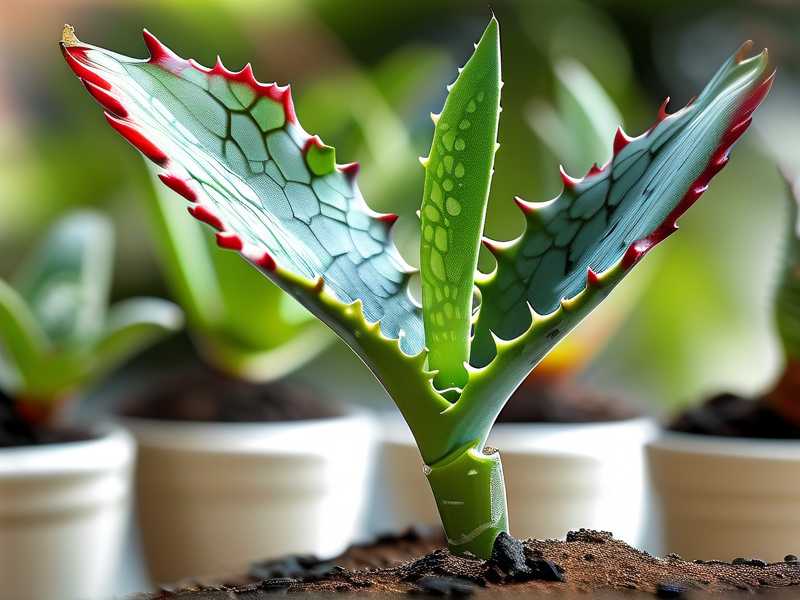
How I fixed it: I stopped watering completely for two weeks. I let the soil dry out completely, which took about 10 days. After that, I only watered when the top inch of soil felt bone dry. This simple change saved my plant. Within two weeks, the black tips stopped expanding, and the leaves felt firmer.
Mistake 2: Light Positioning – Too Much or Too Little
I tried placing my aloe vera in a dark corner, thinking low light was safer. Wrong. Aloe vera needs bright, indirect light. When I moved it to a south-facing window, the leaf tips turned black from sunburn. The American Horticultural Society (AHS) recommends 6-8 hours of indirect sunlight daily. Direct sun scorches the tips, causing blackening.
How I fixed it: I moved the pot to a spot with filtered light, like a sheer curtain. I observed for two weeks. The black tips stopped worsening, and new leaves emerged a healthy green. Now, I gradually acclimate my plants to more light over a week to avoid shock.
Mistake 3: Using the Wrong Pot – No Drainage
My first aloe vera was in a decorative ceramic pot without drainage holes. I thought it looked nice, but it was a death trap. Water pooled at the bottom, leading to stagnant moisture and root rot. The black tips appeared quickly. After killing my third aloe vera this way, I learned the hard way.
How I fixed it: I repotted the aloe vera into a terracotta pot with drainage holes. Terracotta helps wick away excess moisture. I used a cactus-specific potting mix with added perlite for aeration. After two weeks, the roots recovered, and the black tips began to fade.
My Step-by-Step Fix for Black Leaf Tips
Step 1: Stop Watering Immediately
I stopped all watering for 14 days. This gave the soil a chance to dry out and allowed the roots to breathe. I checked the soil moisture daily with a wooden skewer, inserting it into the soil. If it came out dry, the soil was ready.
Step 2: Inspect the Roots
After two weeks of no water, I gently removed the aloe from its pot. I brushed off the soil and inspected the roots. Healthy roots are white and firm, while rotted ones are brown and mushy. I trimmed away any black, soft roots with sterilized scissors. This step was crucial.
Step 3: Repot with Fresh Soil
I used a pot with drainage holes and filled it with a commercial cactus mix. I added perlite at a 1:1 ratio to improve drainage. I placed the aloe in the center and covered the roots with soil, leaving the leaf base above the soil line. Watering lightly after repotting—just a tablespoon—helped settle the soil.
Step 4: Adjust Light and Location
I placed the pot in a spot with bright, indirect light. I avoided direct sun for the first week to prevent shock. Slowly, I moved it closer to the window over the next 7 days.
Two-Week Observation Results
I followed my own routine for 14 days. Here is what happened:
- Day 1-3: After repotting, the black tips remained unchanged. I did not water, and the soil stayed dry.
- Day 4-7: No new black tips appeared. The leaves looked less droopy. I noticed a slight green hue at the base of the leaves.
- Day 8-10: The black tips started to dry out, turning brownish and crisp. This was a good sign—the rot was stopping.
- Day 11-14: New growth appeared at the center of the rosette. Two tiny, bright green leaves emerged. The black tips on older leaves remained but stopped spreading. I trimmed the damaged tips with clean scissors to improve appearance.
I was thrilled. After two weeks, my aloe vera was on the mend. The key was patience—I did not overcorrect by overwatering again.
Why Other Issues Cause Black Tips
Temperature Stress
Cold drafts or sudden temperature drops can turn aloe vera tips black. I once placed my plant near an air conditioner vent during summer. Within hours, the tips blackened. The RHS notes that aloe vera prefers temperatures between 55-80°F (13-27°C). Avoid fluctuations.
Fertilizer Burn
I over-fertilized my aloe once, thinking more nutrients meant faster growth. The salt buildup burned the tips, turning them black. I learned to use a diluted, balanced fertilizer only during the growing season (spring and summer).
Pest Infestation
Spider mites and mealybugs can stress aloe, leading to black tips. I noticed tiny webs and cottony spots on my plant. I treated it with neem oil spray weekly for two weeks. The pests cleared, and the black tips stopped.
Expert Support
The Royal Horticultural Society emphasizes that aloe vera is drought-tolerant and prefers neglect over pampering. The American Horticultural Society advises checking soil moisture before watering. These expert views align with my experience—overwatering is the number one cause of black tips.
Long-Term Care Tips
- Water only when the soil is completely dry.
- Use pots with drainage holes.
- Provide bright, indirect light.
- Avoid cold drafts and sudden temperature changes.
- Repot every two years to refresh soil.
- Trim black tips with sterilized scissors to prevent infection.
FAQ
Can black aloe vera tips recover and turn green again?
No, black tips will not turn green again. Once damaged, the tissue is dead. You need to trim them off and adjust care to prevent further blackening.
Is it okay to cut off black tips from my aloe vera?
Yes, use sterilized scissors. Cut about 1/4 inch above the blackened area. This prevents the rot from spreading and improves the plant's appearance.
How often should I water my aloe vera to avoid black tips?
In summer, water every 2-3 weeks. In winter, water once a month. Always check the soil first. If the top inch is dry, water sparingly.
Final Thoughts
Aloe vera leaf tips turning black is a clear sign that your plant is stressed, usually from overwatering. I learned this after killing several plants myself. By stopping water, inspecting roots, repotting in well-draining soil, and adjusting light, I saw recovery within two weeks. Remember, 90% of indoor plants die from overwatering, so err on the side of underwatering. With patience and the right care, your aloe vera will thrive, with healthy, green leaves and no black tips.