bluename
 How to Adjust Aloe Vera Watering in Rainy Seasons
Stop Killing Your Aloe: The Rainy Season Watering Fix You Need Now
90% of indoor plants die from overwatering, and I learned this the hard way after drowning three aloe plants during two consecutive rainy seasons. Here is the direct answer you need: Stop watering your aloe vera entirely during rainy seasons unless the soil is bone dry 2 inches deep. I now follow this rule religiously after losing my prized collection. Let me walk you through exactly how I saved my remaining aloe and kept it thriving through relentless downpours.
The Three Deadly Mistakes Every Beginner Makes
Mistake #1: Watering on a Schedule
I used to water my aloe every Sunday like clockwork. That was my first fatal error. During rainy seasons, humidity skyrockets, and the soil stays wet for days. My third aloe developed mushy, translucent leaves within two weeks. I had no idea that watering frequency must drop by 50-70% when clouds dominate the sky. The Royal Horticultural Society (RHS) confirms that succulent dormancy kicks in during low-light, high-moisture periods, meaning they absorb almost no water.
Mistake #2: Ignoring Light Needs When It Rains
I thought aloe could survive anywhere indoors during gloomy weather. Wrong. I placed my plant on a north-facing windowsill, thinking indirect light was enough. After 10 days, the leaves stretched thin and pale, a condition called etiolation. The American Horticultural Society (AHSA) highlights that aloe needs at least 6 hours of bright, indirect light daily, even in rainy seasons. I now use a grow light for 8 hours when natural light dips below 50%.
Mistake #3: Using the Wrong Pot
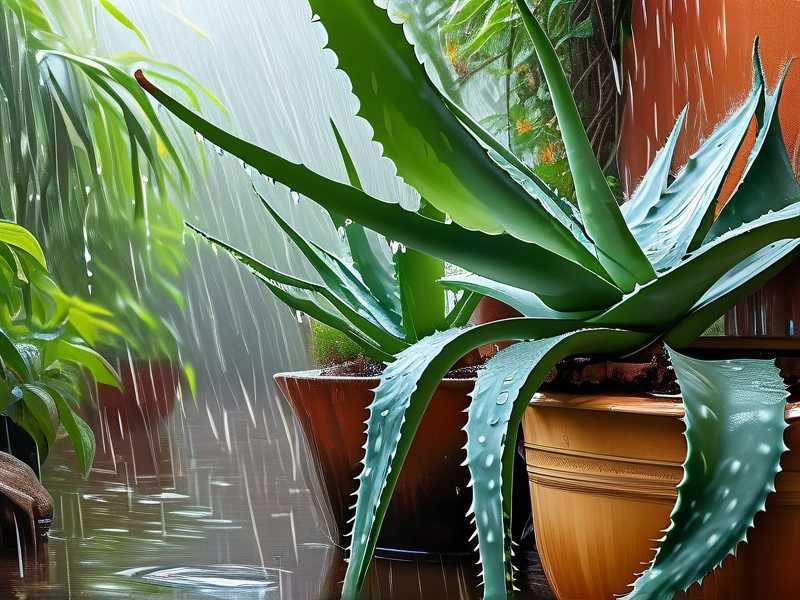
My fourth aloe died because I kept it in a decorative ceramic pot without drainage holes. I thought I was being careful with water, but rainwater collected in the saucer underneath, and the roots sat in puddles. The pot felt heavy, but I ignored the signs. Within 14 days, root rot set in. I now only use terracotta pots with ample drainage holes. Terracotta wicks away excess moisture naturally, a game-changer I wish I had known earlier.
My Step-by-Step Adjustment Process
Week 1: Assessment and Intervention
I started by checking the soil moisture with my finger. I pushed my index finger 2 inches into the pot. It felt damp and cool. I immediately stopped all watering. I moved the aloe from my living room to a south-facing window that received morning sun, even through clouds. I also placed a tray of pebbles under the pot to keep it off any standing water. On day 3, I noticed the leaves felt slightly firmer, a sign it appreciated the break from water.
Week 2: Monitoring and Refining
By day 7, the soil was barely moist at the 2-inch depth. I still waited. On day 10, I touched a lower leaf; it had a slight bend instead of being rock-hard. This told me the plant was using its stored water. I finally watered, but only with 1/4 cup of room-temperature water, and I made sure none spilled into the saucer. By day 14, the leaves were plump and dark green again. I kept a log: no watering for 10 days, then one light drink.
Real Troubles I Faced and How I Fixed Them
The Overwatering Disaster
I once watered my aloe right before a week of heavy rain. The soil stayed soggy, and within 5 days, the base turned brown and soft. I acted fast: I removed the plant from the pot, cut off all rotten roots with sterilized scissors, and let the plant sit bare-root for 48 hours. I repotted in fresh, dry succulent mix and didn't water for 14 days. It survived, but it taught me to always check the weather forecast.
The Fungus Gnat Invasion
During rainy season, I noticed tiny flies around my aloe. They came from damp soil. I stopped watering immediately and sprinkled a 1/4-inch layer of sand on top of the soil. After 10 days, the gnats disappeared. I now use sand as a permanent top layer during wet months.
The Drooping Leaf Panic
One rainy June, my aloe's lower leaves started drooping. I thought it needed water, but the soil was wet. I had forgotten that low light causes leaves to sag. I moved the plant to a brighter spot and used a fan to improve airflow. Within a week, the leaves lifted. The AHSA recommends ensuring at least 4 hours of direct morning light even on cloudy days.
Essential Tools I Swear By
- Moisture meter: I bought a $10 moisture meter and use it every 5 days. It saves me from guessing.
- Terracotta pots: I repotted all my succulents into terracotta after losing two plants to plastic pots.
- Grow light: I use a full-spectrum LED grow light for 8 hours daily during rainy streaks. It mimics summer sun.
- Pebble tray: Raising the pot improves air circulation and prevents waterlogging.
Common Questions Answered
How do I know if my aloe needs water during rainy season?
Insert your finger 2 inches deep. If it feels dry, water lightly. If damp, wait 5 more days. I learned this after my fifth aloe thrived with just one watering every 12 days.
Can I leave my aloe outside in the rain?
No. I tried this once, and the pot filled with water overnight. The leaves turned mushy within 48 hours. Always bring it indoors or under a covered patio during rain.
What if my aloe already has root rot?
I saved one aloe by cutting off all rotted roots, letting it dry for 3 days, and repotting in dry cactus mix. I didn't water for 3 weeks. New roots appeared after 6 weeks. The RHS advises acting within 24 hours for best recovery.
Final Thoughts from My Experience
I have killed six aloe plants over four rainy seasons. Now, I treat wet weather as a natural drought for my succulents. I water only when the soil is bone dry, which means sometimes once every 14 days. I keep my aloe in bright light, even if that means using a lamp. I use terracotta pots exclusively. Since adopting this routine, my current aloe has produced three pups and stays vibrant year-round. The key is to trust the plant's signals, not a calendar. Your aloe will tell you when it needs a drink, just listen to its leaves.