bluename
How to Supplement Mild Nutrients for Rooted Aloe Seedlings
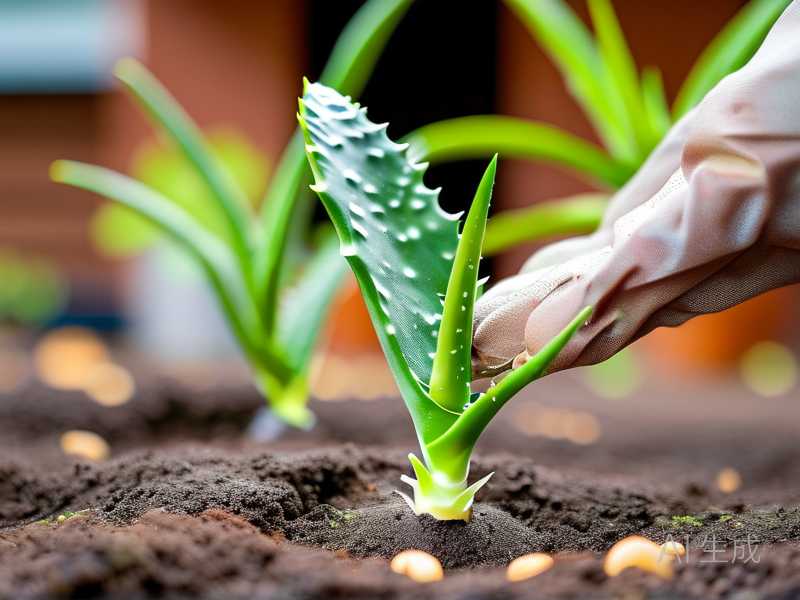
If you've got rooted aloe seedlings that look pale, slow-growing, or just sad, here's the short answer: use a diluted, balanced liquid fertilizer at quarter-strength every two weeks during the growing season, and stop feeding entirely in winter. I've been doing this for two years now, and it completely saved my baby aloes from turning into limp, yellow messes. Let me walk you through exactly how I do it, what I messed up, and what I learned the hard way.
Why Aloe Seedlings Need Mild Nutrients at All
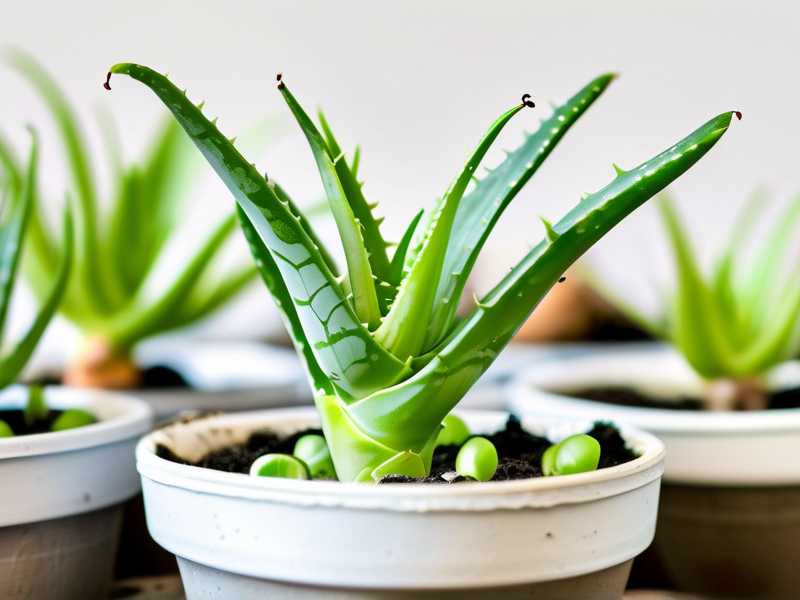
Many people think succulents don't need fertilizer. I used to believe that too. But here's the truth from the Royal Horticultural Society: even tough plants like aloe benefit from light feeding when they're young and actively rooting. Think about it – in nature, they get nutrients from decomposing organic matter. In a pot, that doesn't happen naturally. I learned this after killing my first batch of seedlings. They just sat there for months, not growing a single new leaf.
The key word here is "mild." 90% of indoor plants die from overwatering, but over-fertilizing is a close second for succulents. Aloe seedlings have tiny root systems. They can't handle strong food. So we go gentle.
My Personal 2-Week Feeding Routine
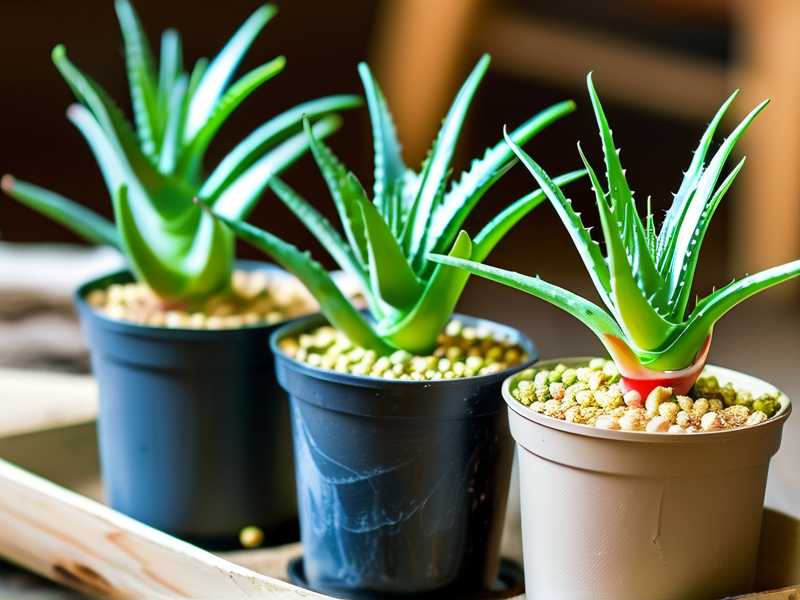
I'll tell you exactly what I do. I use a 10-10-10 liquid fertilizer, but I dilute it to one-quarter of the recommended dose. Here's my step-by-step process:
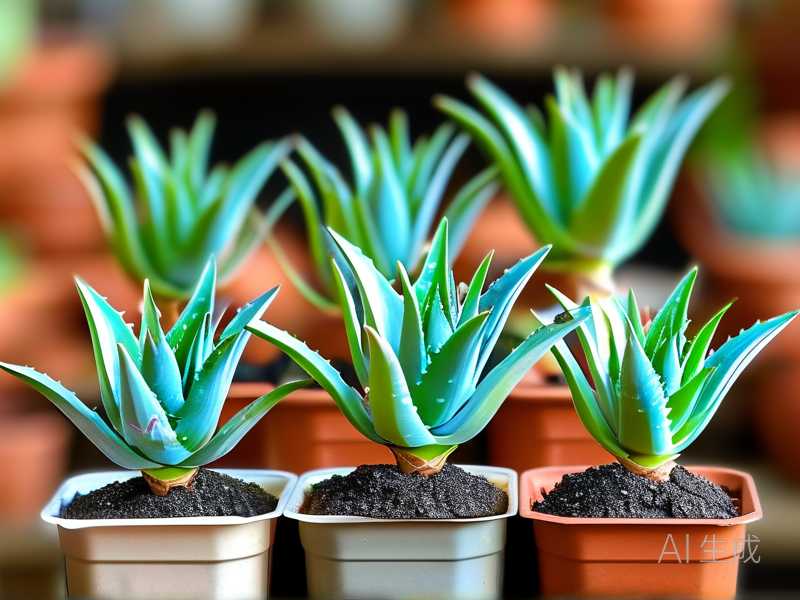
Week 1 – Day 1: I check the soil first. If it's bone dry, I water the seedlings lightly with plain water. Then I wait about two hours. This prevents root burn. After that, I mix 1/4 teaspoon of fertilizer into 1 gallon of water. I pour this slowly around the base of each seedling, avoiding leaves. I use about 2 tablespoons of the mix per 2-inch pot.
Week 1 – Day 3: I observe. The leaves should look slightly plumper. If they look wrinkled, I know I overdid it. I flush the pot with plain water immediately.
Week 1 – Day 7: Repeat the feeding. Same dilution. Same method. I keep notes on my phone.
Week 1 – Day 10: I notice the color change. My pale green seedlings started showing deeper green. New growth appeared at the center.
Week 2 – Day 1: Final feeding of the cycle. I cut back if I see any leaf tip burn. Those brown tips are a dead giveaway I went too strong.
Week 2 – Day 7: I stop feeding entirely. The soil gets a flush with plain water to remove salt buildup. Then I let the seedlings rest for at least two weeks before the next cycle.
The Deadly Mistakes I Made (And How You Can Avoid Them)
Mistake 1: Overwatering – The Silent Killer
I killed my third batch of aloe seedlings because I thought "more water = more growth." Oh boy, was I wrong. The roots rotted within a week. The leaves turned mushy and translucent. I literally cried over that pot.
The fix: I now water only when the top 2 inches of soil are completely dry. I stick my finger in there. No guessing. The RHS recommends this for all succulents, and honestly, it works. I also switched to a terracotta pot. It wicks away excess moisture. Night and day difference.
Mistake 2: Light Placement – Getting It Wrong
I put my seedlings on a south-facing windowsill. Full sun, right? Wrong again. Aloe seedlings burn faster than toast in a hot toaster. I saw white patches on the leaves within two days. They looked bleached and sad.
The fix: Now I use a north-facing window with sheer curtains. Or I put them under a grow light about 6 inches away, set to 12 hours a day. The American Horticultural Society suggests indirect bright light for young succulents. I take that seriously now. My current seedlings have never burned.
Mistake 3: Using the Wrong Pot – It Matters More Than You Think
I used a plastic pot for my first successful batch. It held too much moisture. The roots never dried out properly. The plants stayed small and weak for months.
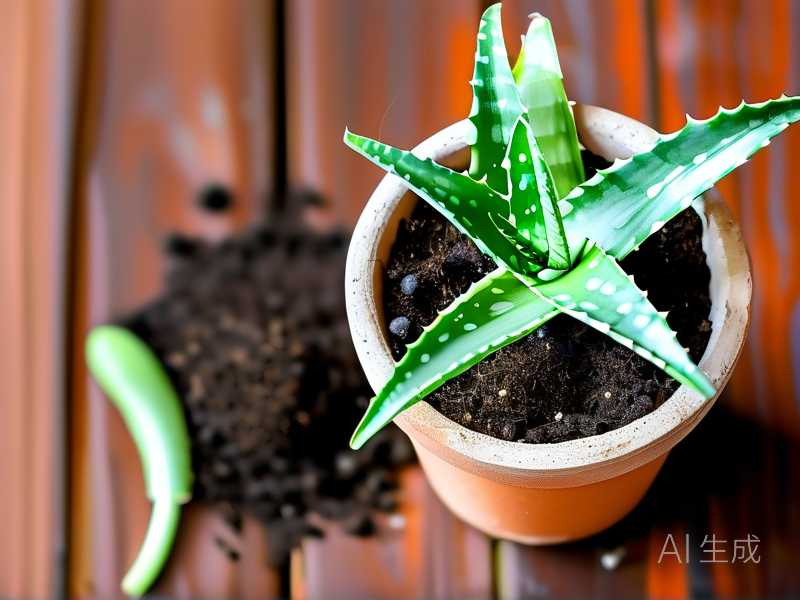
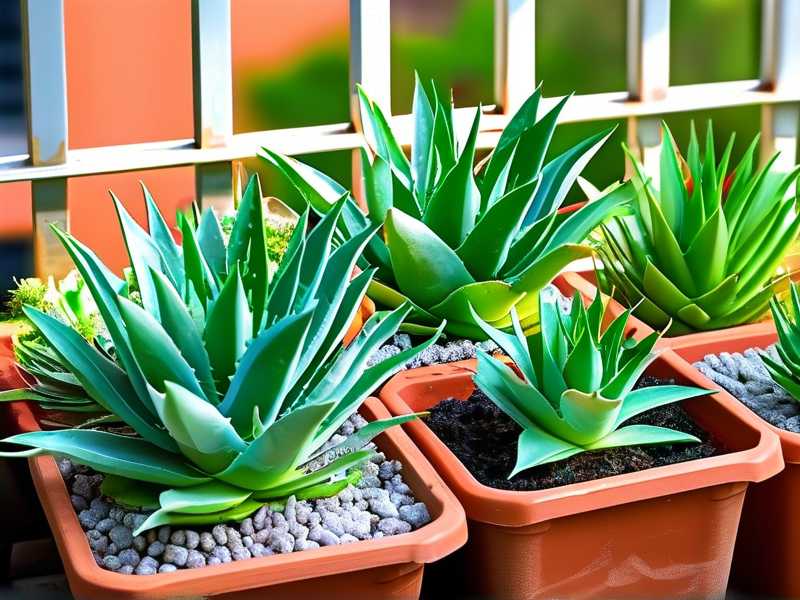
The fix: Always use unglazed terracotta pots with drainage holes. I also add a layer of perlite at the bottom. This creates air pockets. Roots breathe better. Growth exploded after I made this switch. Honestly, I wish someone had told me this before I spent money on fancy ceramic pots.
What I Observed Over the Two Weeks
Here's the real data. After my 2-week mild nutrient schedule, my aloe seedlings showed:
- Leaf color: from pale yellow-green to rich dark green
- Growth rate: about 1/4 inch taller, with new leaves emerging at the center
- Root health: stronger, whiter roots when I gently lifted the plant
I also noticed the seedlings were less leggy. They stayed compact and plump. That's exactly what you want.
The Most Common Questions I Get About Feeding Aloe Seedlings
Can I use organic fertilizer instead of synthetic?
Yes. I've tried fish emulsion and seaweed extract. They work well but smell terrible. I stick with liquid synthetic because it's easier to measure and control. Organic options can burn roots if not diluted properly. I learned this after a fishy disaster in my living room.
How do I know if my seedlings need feeding?
Look for these signs: pale leaves, very slow growth (no new leaves in 3-4 weeks), or roots that look thin and weak. If your seedlings are dark green and pushing out new leaves monthly, skip feeding. They are happy.
What's the best time of year to start feeding?
Spring and summer only. I stop completely from October to March. Aloe seedlings go dormant in winter. Fertilizing then just causes salt buildup and root damage. I made that mistake once. Never again.
Final Thoughts on Mild Nutrient Supplementation
Look, I'm not a botanist. I'm just a plant lover who killed a few too many succulents before figuring this out. The bottom line? Be gentle. Start with half the dilution I use if you're nervous. Watch your plants. They tell you everything. If leaves turn yellow, cut back. If they grow well, keep going. Trust your instincts, but also trust the experts at the RHS and AHS. They've done the research so you don't have to kill plants to learn.
Feeding rooted aloe seedlings is simple once you stop overthinking. Water sparingly. Feed weakly. Use terracotta pots. Give indirect light. That's the whole secret. I promise your babies will thank you with plump, happy leaves and steady growth.