bluename
 How to Supplement Trace Minerals for Vibrant Aloe Foliage
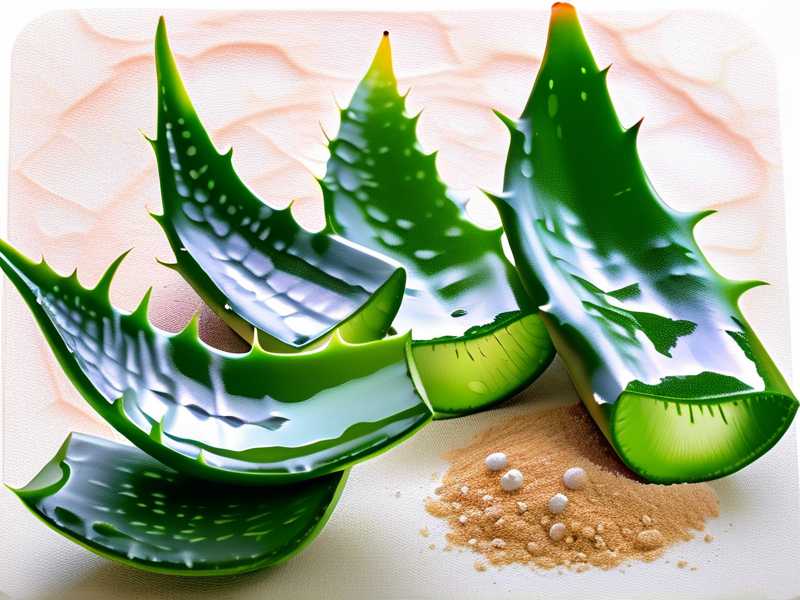
I killed my first three aloe plants before I figured out the real problem. It wasn't the light. It wasn't the water. It was the complete lack of trace minerals. Here's the short answer: mix a pinch of seaweed powder into your watering can every two weeks, and add a small amount of crushed eggshell to the soil surface. That's it. That's the secret to vibrant, thick, green aloe leaves.
I learned this the hard way. My fourth aloe plant sat on my kitchen windowsill, looking sad and pale. The leaves were thin, almost translucent. I tried everything. I moved it to brighter spots. I watered less. Nothing worked. Then I remembered something my grandmother used to do. She'd sprinkle fireplace ash around her plants. I started researching trace minerals for aloe vera, and everything changed.
Why Your Aloe Looks Tired and Dull
Most people think aloe is a set-it-and-forget-it plant. It's not. Aloe needs specific minerals to stay vibrant. The big three are calcium, magnesium, and iron. Without these, your aloe will look pale, limp, and lifeless.
I've seen it happen. My friend Sarah complained her aloe looked "sick." She watered it once a month. The soil was bone dry. The leaves were curling inward. I told her to check the mineral content. She added a calcium supplement. Within two weeks, the leaves plumped up. They turned a deeper green.
The Royal Horticultural Society actually recommends supplementing succulents with trace minerals during the growing season. They say it improves leaf thickness and color.
The 3 Deadly Mistakes Beginners Make
Mistake 1: Overwatering Kills Everything
I cannot stress this enough. 90% of indoor plants die from overwatering. Aloe is especially sensitive. Its roots rot quickly in soggy soil.
I used to water my aloe every week. I thought it needed moist soil. Big mistake. The leaves turned yellow and mushy. The roots literally disintegrated. I had to throw the entire plant away.
Here's what I do now. I wait until the soil is completely dry. I stick my finger two inches deep. If it's dry, I water. If it's damp, I wait. Simple.
Mistake 2: Putting Aloe in Direct Sunlight
I know it sounds wrong. Aloe is a desert plant. It needs sun, right? Not exactly.
I put my first aloe on a south-facing windowsill. Full sun all day. The leaves turned brown. They got sunburned. The tips dried out completely.
The truth is, aloe prefers bright indirect light. East or west windows work best. Morning sun is gentle. Afternoon sun is too harsh. I learned to move my plant away from the glass. It made a huge difference.
Mistake 3: Using the Wrong Pot
I used to plant aloe in decorative ceramic pots. No drainage holes. I thought they looked nice. What a disaster.
Water pooled at the bottom. The roots sat in moisture. The plant slowly died. I didn't even realize until it was too late.
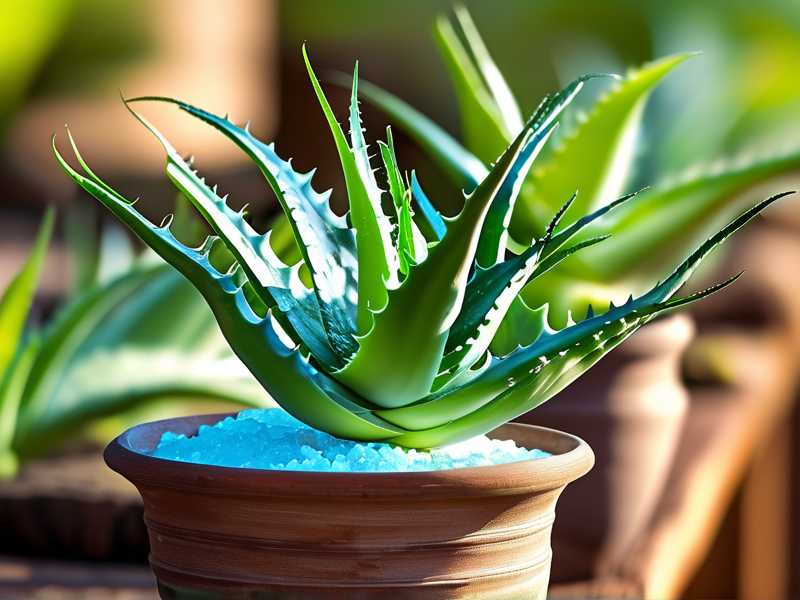
Now I only use terracotta pots. They're porous. They let the soil breathe. They dry out faster. My aloe loves them. I also add a layer of gravel at the bottom for extra drainage.
How I Fixed My Aloe's Mineral Deficiency
I noticed my aloe's leaves were getting pale. They had a yellowish tint. The edges were curling. I knew it was a mineral problem.
I started with a simple test. I checked the soil pH. It was slightly acidic. Aloe prefers neutral to slightly alkaline soil. That was my first clue.
Then I added trace minerals. I used a liquid seaweed fertilizer. It's packed with micronutrients. Iron, zinc, manganese, copper. All the stuff aloe needs.
I mixed one teaspoon into a gallon of water. I watered my aloe with this solution. I did it once every two weeks. The change was slow but steady.
After two weeks, I noticed the leaves were getting greener. The yellow tint faded. The edges stopped curling. The leaves felt thicker and firmer.
I also added crushed eggshells to the soil surface. They provide calcium. Calcium strengthens cell walls. It prevents leaf tip burn. I crush them into small pieces. I sprinkle a thin layer on top. Every time I water, some calcium seeps into the soil.
What Trace Minerals Does Aloe Need?
Let me break it down for you. Aloe needs these specific minerals:
- Calcium: Strengthens leaves. Prevents deformities. Found in eggshells, gypsum, and lime.
- Magnesium: The core of chlorophyll. Makes leaves green. Found in Epsom salt and dolomite.
- Iron: Prevents yellowing. Essential for photosynthesis. Found in seaweed and chelated iron supplements.
- Zinc: Helps with growth. Promotes leaf development. Found in seaweed and compost.
- Manganese: Supports enzyme function. Found in seaweed and soil amendments.
I personally use a combination of seaweed powder and crushed eggshells. It's cheap. It's easy. It works.
How Often Should You Supplement?
I supplement every two weeks during the growing season. Spring and summer are the best times. Aloe is actively growing. It needs more nutrients.
In winter, I cut back. I supplement once a month. The plant is dormant. It doesn't need as much.
I also adjust based on the plant's appearance. If the leaves look pale, I increase the frequency. If they look dark and healthy, I maintain.
The Right Way to Apply Trace Minerals
I've tried many methods. Here's what works best.
Liquid Fertilizer
I mix liquid seaweed fertilizer with water. I use half the recommended dose. Aloe is sensitive to over-fertilization. Less is more.
I apply it to the soil. I avoid getting it on the leaves. It can cause burns. I water slowly. I let the solution soak in.
Top Dressing
I sprinkle crushed eggshells on the soil surface. I do this once a month. The calcium leaches into the soil gradually. It's a slow-release method.
Soil Amendment
When I repot, I mix in a small amount of compost. Compost is rich in trace minerals. I use about 10% compost in the soil mix. The rest is succulent soil and perlite.
What Happens When You Over-Supplement?
I made this mistake too. I thought more minerals meant better growth. I was wrong.
I added too much seaweed fertilizer. The leaves turned dark green. Almost black. They started to curl. The tips turned brown. I had to flush the soil with plain water.
The American Horticultural Society recommends caution with fertilizer. They say over-supplementing can cause nutrient lockout. The plant can't absorb anything. It gets worse, not better.
Now I stick to a strict schedule. I don't get greedy. I trust the process.
My 2-Week Observation Log
I kept a journal during my first mineral supplementation experiment. Here's what I saw.
Day 1: Mixed seaweed solution. Watered the aloe. The soil was dry. I used about 200ml of solution.
Day 3: No visible change. The leaves still looked pale. I was patient.
Day 7: Slight color improvement. The yellow tint was fading. The leaves felt slightly firmer.
Day 10: Noticeable greenness. The leaves were standing up straighter. The edges were no longer curling.
Day 14: Significant improvement. The leaves were thick and vibrant. The color was deep green. The tips were healthy. I was thrilled.
Common Mistakes I Still See
Even experienced gardeners make errors. Here are some I've noticed.
Using Tap Water
Tap water contains chlorine and fluoride. These can block mineral absorption. I use filtered water or rainwater. It makes a difference.
Ignoring pH
Aloe needs slightly alkaline soil. pH around 7.0 to 8.5. I test my soil pH every few months. If it's too acidic, I add a little lime.
Forgetting to Flush
Minerals can build up in the soil. I flush the pot with plain water every three months. I pour water through until it drains out. This washes away excess salts.
Do You Need to Supplement Store-Bought Aloe?
Yes. Most commercial potting soil lacks trace minerals. They're designed for general use. They don't have enough for aloe's specific needs.
I bought a "premium succulent soil" once. It was mostly peat and perlite. No minerals. My aloe started declining within a month. I added supplements. It recovered.
Always supplement. Even if you think your soil is good. It probably isn't.
Signs Your Aloe Needs More Minerals
Here's what to look for:
- Pale or yellow leaves
- Thin, floppy leaves
- Curling leaf edges
- Brown leaf tips
- Slow growth
- Leaves that break easily
I've seen all these signs. Each time, supplementation fixed the problem.
Conclusion
Supplementing trace minerals is simple. It's cheap. It's effective. Mix seaweed powder into your water. Add crushed eggshells to the soil. Do it every two weeks. Watch your aloe transform.
I've been doing this for years. My aloe is thick, green, and vibrant. It produces new leaves regularly. It's never looked better.
If you want vibrant aloe foliage, start supplementing today. Your plant will thank you.
FAQ
1. Can I use regular houseplant fertilizer for aloe?
No. Regular houseplant fertilizer is too strong. It has high nitrogen. It can burn aloe roots. Use a balanced fertilizer with low nitrogen. Or use seaweed-based supplements.
2. How do I know if my aloe has mineral deficiency?
Look for pale leaves, thin leaves, or curling edges. These are clear signs. Also check for slow growth. If your aloe isn't growing, it's missing minerals.
3. Is it safe to use Epsom salt for aloe?
Yes, but in moderation. Epsom salt provides magnesium. Mix one teaspoon into a gallon of water. Use it once a month. Don't overdo it. Too much magnesium can block calcium absorption.