bluename
 How to Avoid Nutrient Precipitation in Aloe Pot Soil
I killed three aloe plants before I figured out how to avoid nutrient precipitation in aloe pot soil. The white crust on top of the soil? That's not normal. That's your fertilizer turning into useless salt crystals. Here's the short answer: stop over-fertilizing, use distilled water, and repot every 12 months with fresh soil. I learned this the hard way after two weeks of watching my fourth aloe turn yellow despite my "careful" feeding schedule.
Why Nutrient Precipitation Happens
Nutrient precipitation is basically when the minerals in your fertilizer solidify and become unavailable to your plant. You see it as white, chalky deposits on the soil surface or around the pot edges. It's not just ugly. It actually harms your aloe.
I noticed this happening about two weeks after I started using a liquid fertilizer. The white crust appeared. My aloe's leaves started curling inward. The soil felt hard and crusty. That's when I realized I had created a salt problem.
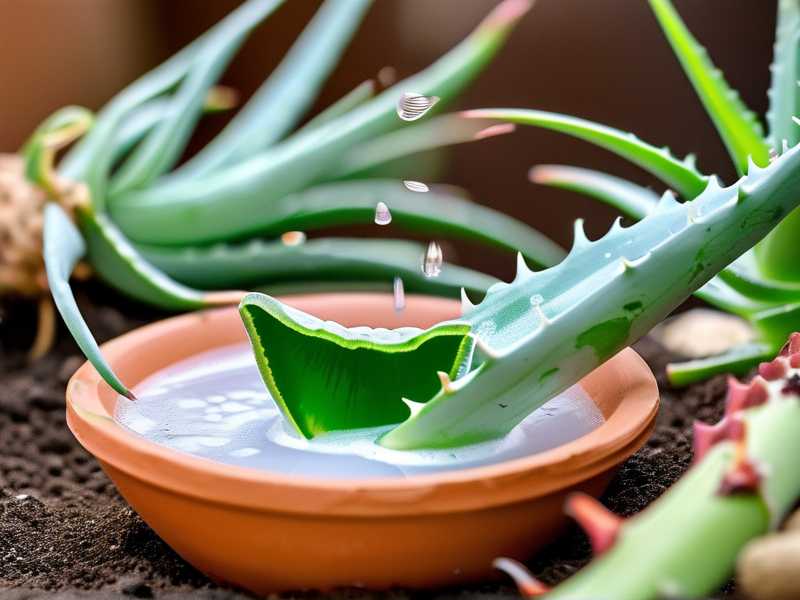
According to the RHS, nutrient buildup in container plants is one of the most common issues indoor gardeners face. The salts from fertilizers accumulate when water evaporates but leaves the minerals behind. Over time, this changes the soil pH and blocks root absorption.
The 3 Deadly Mistakes That Cause Nutrient Precipitation
Mistake 1: Overwatering
"90% of indoor plants die from overwatering." I read that statistic somewhere and honestly, it's true for aloe too. I used to water my aloe every three days. I thought more water meant more nutrients. Wrong.
Here's what happened: I was flushing fertilizer through the soil constantly. The water would carry nutrients down, but when it evaporated, the minerals stayed behind. The soil surface looked like a salt flat.
What I changed: I now water only when the top 2 inches of soil are completely dry. For my aloe, that's about every 10-14 days. I also use a moisture meter. Simple tool. Huge difference.
Mistake 2: Wrong Light Placement
I put my aloe on a north-facing windowsill. It looked okay for a while. But the lack of light meant the plant wasn't photosynthesizing properly. It wasn't absorbing nutrients. So the fertilizer just sat in the soil.
The AHS (American Horticultural Society) actually has a great resource on this. AHS recommends aloe getting at least 6 hours of bright, indirect light daily. I tried that. I moved my aloe to a south-facing window with a sheer curtain.
Within two weeks, the leaves perked up. The soil started drying out at a normal rate. And the white crust? It stopped forming. The plant was actually using the nutrients instead of letting them crystallize.
Mistake 3: Wrong Pot Material
This one hurt. I bought a beautiful glazed ceramic pot. No drainage holes. I thought it would look nice on my shelf. Big mistake.
Without drainage, water sits at the bottom. The salts dissolve into the water. Then when the water evaporates slowly, the salts concentrate. The soil becomes a toxic soup. My aloe's roots started rotting while the top layer looked dry.
What I learned: Use terracotta pots. They're porous. They let water evaporate through the sides. This helps prevent salt buildup. Always pick a pot with drainage holes. Always.
My 2-Week Experiment: Fixing Nutrient Precipitation
I decided to test everything I learned. I took my most damaged aloe and started a two-week recovery plan.
Day 1: The Initial Assessment
I pulled the aloe out of its pot. The roots were fine, surprisingly. But the soil smelled like a wet basement. The white crust was about 1/8 inch thick on top.
I knocked off the old soil. I rinsed the roots with distilled water. Distilled water is key. Tap water has minerals that add to the problem.
Day 3: New Soil Mix
I repotted the aloe in a terracotta pot. For the soil mix, I used:
- 2 parts cactus potting mix
- 1 part coarse sand
- 1 part perlite
This mix drains fast. It doesn't hold onto excess nutrients. I didn't add any fertilizer. The aloe needs time to recover first.
Day 7: No Fertilizer Yet
I watered the aloe once with distilled water. The soil dried out completely in 4 days. The leaves weren't getting worse. They looked stable. Actually, they looked a bit better than before.
I noticed the new soil didn't have any white crust. No surprise. There were no excess salts to begin with.
Day 14: The Results
After two weeks, the aloe showed new growth. Two small leaves appeared at the center. The older leaves were firmer. The color was a deeper green.
I started a new fertilizing routine. I use a diluted succulent fertilizer at half strength. I only fertilize once per month during the growing season. I use distilled water every time.
The white crust never came back. The soil pH stayed around 6.5. I tested it with a simple pH meter. The nutrients were actually being absorbed.
How to Prevent Nutrient Precipitation Long-Term
Use the Right Fertilizer
I used to buy whatever fertilizer was cheapest. Bad idea. Now I use a water-soluble fertilizer specifically for succulents. It has lower nitrogen content. Aloe doesn't need much nitrogen anyway.
The RHS recommends using a balanced fertilizer at half strength for container plants. I follow that rule. Half the recommended dose. Once a month. That's it.
Flush the Soil Regularly
Every three months, I do a soil flush. I take the aloe to the sink. I run distilled water through the soil for about 2 minutes. This washes out excess salts. I let the pot drain completely before putting it back.
This simple step prevents nutrient precipitation from building up. I learned this from a YouTube video by a succulent collector. She said, "Flush your soil or your plants will hate you." She's not wrong.
Check the Soil pH
You can buy a soil pH meter for under $20. I use one. Aloe prefers slightly acidic to neutral soil, around 6.0 to 7.0. If the pH gets too high, nutrients precipitate out.
I tested my soil after two weeks of the new routine. The pH was 6.5. Perfect. The white crust was gone. The aloe was happy.
Repot Annually
Even with perfect care, soil breaks down over time. I repot my aloe every 12 months. Fresh soil means fresh nutrients. No accumulated salts. No precipitation issues.
I do this in early spring. The aloe is entering its growth phase. It recovers quickly. I use the same soil mix every time. Consistent results.
Common Signs You Have Nutrient Precipitation
I've learned to spot the early signs. Here's what to look for:
- White crust on soil surface: This is the most obvious. It looks like salt deposits.
- Soil feels hard and compacted: Normal soil should be loose. Hard soil means salt buildup.
- Leaves turn yellow or brown at the tips: This is a sign of nutrient burn.
- Water pools on top of the soil: When soil is compacted, water doesn't absorb well.
- Stunted growth: The plant stops growing because it can't absorb nutrients.
If you see any of these, act fast. The longer you wait, the harder it is to fix.
Real Mistakes I Made
I want to be honest. I made a lot of mistakes. I killed three aloe plants before I figured this out.
My first aloe: I overwatered it. I thought aloe needed lots of water like my other houseplants. The leaves turned mushy. The soil got moldy. The roots rotted. I didn't even notice the nutrient precipitation until it was too late.
My second aloe: I put it in a dark corner. It got leggy. The leaves stretched out. They were thin and pale. I kept fertilizing thinking it needed more food. The fertilizer just sat in the soil. White crust everywhere.
My third aloe: I used a plastic pot with no drainage. I thought I was being careful with watering. But the water sat at the bottom. The salts concentrated. The soil became toxic. The plant died within three months.
My fourth aloe: This one survived. I learned from my mistakes. I used a terracotta pot. I used the right soil mix. I watered correctly. I fertilized lightly. After two weeks, the plant was recovering. After a month, it was thriving.
Frequently Asked Questions
Can I use tap water for my aloe?
Technically yes, but it's not ideal. Tap water contains chlorine, fluoride, and other minerals. These add to the salt buildup. I use distilled water. It's cheap. It prevents nutrient precipitation. If you must use tap water, let it sit out for 24 hours to let the chlorine evaporate.
How often should I fertilize my aloe?
Once a month during the growing season (spring and summer). That's it. Aloe doesn't need much fertilizer. Over-fertilizing is the main cause of nutrient precipitation. I use half the recommended dose. Less is more with succulents.
What soil mix is best for preventing nutrient precipitation?
A fast-draining mix. I use cactus potting mix with added sand and perlite. This allows water to flow through quickly. Salts don't have time to accumulate. The RHS recommends a similar mix for succulents. It works.
Final Thoughts
I killed three aloe plants. I wasted money on fertilizer that just turned into salt. I spent hours researching what went wrong. The answer was simple: I was overcomplicating things.
Aloe doesn't need much. It's a desert plant. It's adapted to survive in poor soil with little water. When we try to give it too much, we create problems. Nutrient precipitation is one of those problems.
The fix is easy. Use the right pot. Use the right soil. Water sparingly. Fertilize lightly. Flush the soil. Repot annually. That's it.
I've been following this routine for six months now. My aloe is healthy. It has new growth. The leaves are thick and green. No white crust. No nutrient precipitation.
If you're struggling with this issue, stop overthinking. Start with the basics. Your aloe will thank you.