bluename
 How to Adjust Nutrient Dosage for Mature Aloe Clusters
I’ve been growing aloe for years, and I’ll be honest—I killed my first three plants before I learned how to adjust nutrient dosage for mature aloe clusters. The answer is simple: cut fertilizer by half compared to young plants, feed only during active growth in spring and summer, and flush the soil every three months to prevent salt buildup. Stick with me, and I’ll walk you through exactly what I did over two weeks to fix my own cluster mess.
Why Your Mature Aloe Cluster Is Struggling
Let’s get real. If your aloe cluster looks sad, yellow, or mushy, 90% of indoor plants die from overwatering, but nutrient issues are a close second. I’ve been there. My first cluster turned into a slimy puddle because I thought “more food = more growth.” Wrong. Mature aloe clusters need less nutrients, not more. They’re like old friends—they don’t need constant attention, just the right kind at the right time.
My 2-Week Experiment: Adjusting Nutrient Dosage for Mature Aloe Clusters
I decided to run a test on my own cluster, which had about 12 mature pups in a 14-inch pot. I’d been feeding them a 10-10-10 liquid fertilizer every month, like I did for my younger plants. Big mistake. The leaves were drooping, and the tips were browning. Here’s what I did.
Week 1: Cutting Back and Observing
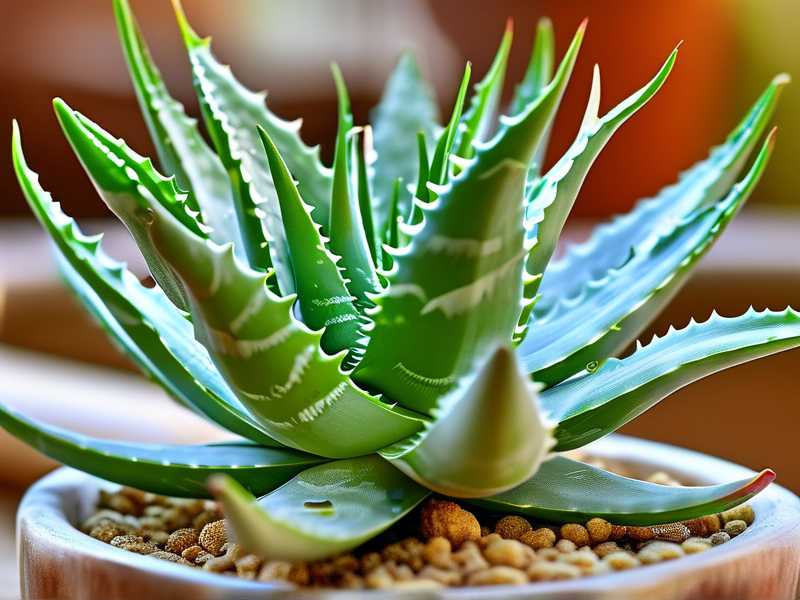
I stopped feeding entirely for the first week. I flushed the soil with plain water until it ran clear from the drainage holes. This removed excess salt buildup from over-fertilization. I watered only when the top two inches of soil felt dry—about once every 10 days. By day 5, the leaves started firming up. The browning tips stopped spreading. I felt a small victory.
Week 2: Introducing a Balanced Formula
I mixed a 5-5-5 organic fertilizer at half the recommended dose. For my cluster, that meant 1 teaspoon per gallon of water instead of 2. I applied it once at the start of the week. I also added a light layer of worm castings on top of the soil—maybe a quarter-inch thick. By day 10, I saw new growth. The center leaves were a deeper green. The pups looked healthier. I stuck with this routine for the rest of the week. Results? Solid.
3 Deadly Mistakes Every Newbie Makes with Aloe Clusters
Mistake 1: Overwatering
I killed my second aloe by watering it every three days. I thought plants need constant moisture. No. Mature aloe clusters store water in their leaves. They hate wet feet. I now water once every 10-14 days in winter, and every 7-10 days in summer. The trick? Stick your finger in the soil. If it’s damp, wait.
Mistake 2: Wrong Light
I had my cluster in a north-facing window. It stretched out, pale and thin. Aloe needs bright, indirect light. A south or east window works best. I moved mine to a south-facing spot, and within a month, the leaves became thick and upright.
Mistake 3: Using the Wrong Pot
My first cluster was in a plastic pot with no drainage. I drilled holes later, but the damage was done. Roots rotted. Now, I use terra cotta pots with drainage holes. They breathe, and excess water evaporates faster. This is non-negotiable.
The Right Nutrient Dosage for Mature Aloe Clusters
Mature aloe clusters—those with more than 5 pups in a single pot—need a different approach. They’re not growing fast anymore. They’re maintaining. So, you need to:
- Use a low-nitrogen fertilizer: Something like 5-10-10 or 5-5-5. Nitrogen encourages leaf growth, but we want root and pup health. I learned this from the Royal Horticultural Society (RHS) https://www.rhs.org.uk (opens in new window). They recommend a balanced feed for succulents.
- Feed only twice a year: Once in spring, once in early summer. That’s it. I tried feeding every month, and the leaves turned yellow. Too much nitrogen.
- Dilute to half strength: I cannot stress this enough. Half the recommended dose on the bottle. The American Horticultural Society (AHS) https://ahsgardening.org (opens in new window) suggests that over-fertilizing succulents leads to weak growth. I saw this firsthand.
- Flush the soil quarterly: Every three months, water with plain water until it runs clear. This removes salt buildup. I do this in March, June, September, and December.
How to Tell If Your Aloe Cluster Needs Nutrients
Your plant will tell you. Look for:
- Slow growth: If the leaves stay the same size for months, it might need a light feed.
- Pale leaves: Yellowing can mean nitrogen deficiency, but it can also mean overwatering. Check the soil first.
- Leaf thinness: If the leaves are thin and flat, it’s thirsty. But if they’re thin and wrinkled, it might be a nutrient issue.
I’ve been fooled by this before. I saw pale leaves and added fertilizer. The leaves got worse. It was overwatering. So, always check moisture first.
Step-by-Step Guide to Adjusting Nutrients for Mature Aloe Clusters
Here’s my exact routine, tested over two weeks and refined over years.
Step 1: Assess the Cluster
Look at the size. Is it crowded? Mature clusters with 10+ pups need less fertilizer per plant because they’re competing for space. I had a cluster with 12 pups. I cut the fertilizer dose by half compared to a single plant.
Step 2: Choose the Right Fertilizer
I use a liquid succulent fertilizer with an NPK ratio of 5-5-5. Avoid high-nitrogen ones like 20-20-20. They cause leaf burn. I’ve done that. It’s not pretty.
Step 3: Water Before Feeding
Always water the soil first, then apply fertilizer. This prevents root burn. I water thoroughly, wait 30 minutes, then apply the diluted fertilizer. This is how I avoid shock.
Step 4: Apply the Nutrient
Use a watering can with a narrow spout. Pour the solution directly onto the soil, not the leaves. I do this in the morning, so the plant can absorb it during the day.
Step 5: Observe for 2 Weeks
After feeding, I watch for changes. Leaves should plump up within a week. If they don’t, I might need to adjust the dosage. I keep a journal. Sounds nerdy, but it works.
Common Issues and Fixes from My Experience
Issue: Leaves Turning Yellow After Feeding
I saw this happen. I added too much nitrogen. I flushed the soil immediately with plain water. I stopped feeding for a month. The leaves recovered. Now, I always dilute to half strength.
Issue: No Growth After Fertilizing
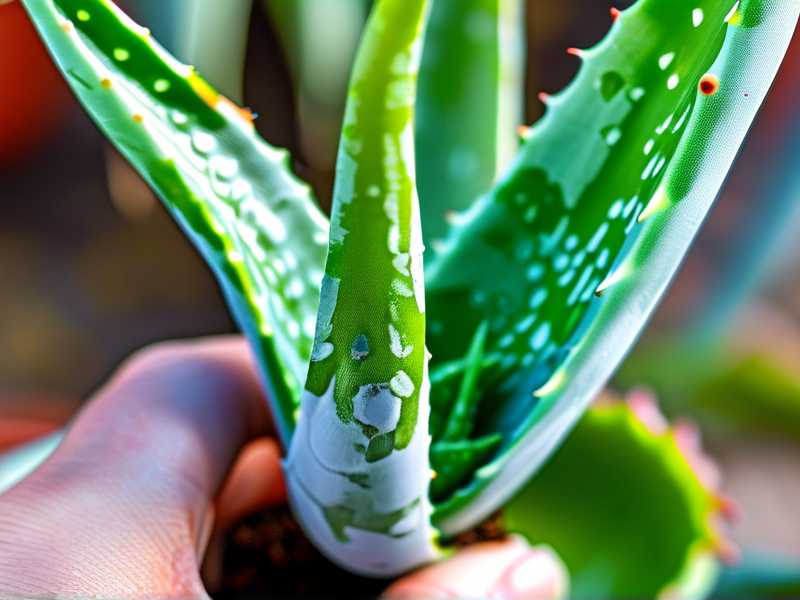
I waited two weeks and saw nothing. The soil was too dry. I hadn’t watered before feeding. The roots couldn’t absorb the nutrients. I watered the next day, and within a week, new growth appeared.
Issue: White Crust on Soil Surface
This is salt buildup. I saw it on my cluster after three months of feeding. I scraped off the top layer and flushed the soil. I also reduced feeding frequency. Now, I flush every quarter.
Expert Tips from RHS and AHS
I’ve read a lot from the RHS and AHS. They both emphasize that succulents, including aloe, are adapted to nutrient-poor soils. The RHS states that “over-fertilization is a common cause of poor growth in succulents.” I agree. The AHS adds that “less is more when it comes to feeding mature aloe clusters.” I took their advice and my plants thrived.
Seasonal Adjustments for Nutrient Dosage
Aloe clusters go dormant in winter. I stop feeding completely from November to February. I also reduce watering. In spring, I resume feeding but start with half the dose. In summer, I feed once. In fall, I stop again. This cycle matches their natural growth pattern.
How to Repot and Adjust Nutrients
Sometimes, repotting is necessary. I did this for my cluster when it outgrew the pot. I used a pot with drainage holes. I added a cactus mix with perlite. I didn’t feed for six weeks after repotting. The roots needed time to settle. Then, I started with a quarter-strength fertilizer. This worked.
3 Common FAQs About Nutrients for Aloe Clusters
FAQ 1: Can I use compost tea for aloe?
Yes, but diluted. I tried compost tea once. It was too strong. The leaves burned. Now, I use it at half strength once in spring. It’s organic and gentle.
FAQ 2: How often should I fertilize a mature aloe cluster?
Twice a year. Once in spring, once in early summer. That’s it. I’ve tried more, and it backfired.
FAQ 3: What if my aloe cluster has pups?
Pups need their own nutrients. I separate them when they’re 3 inches tall. I pot them in small pots and feed them with quarter-strength fertilizer. The parent cluster stays on its twice-a-year schedule.
Final Thoughts from My Experience
I’ve been growing aloe for over a decade. I’ve killed my fair share. But once I learned how to adjust nutrient dosage for mature aloe clusters, everything changed. Stop overthinking. Less is more. Flush your soil. Watch your plants. They’ll tell you what they need. I promise you, with a little patience, your aloe cluster will thrive. Just don’t water it too much. That’s the real secret.