bluename
 How to Supplement Nutrients for Aloe New Pup Growth
Let me cut straight to the chase. I've killed more aloe plants than I care to admit. After years of trial and error, I finally figured out how to get those tiny pups to thrive. Here's the truth: for aloe new pup growth, use a diluted liquid fertilizer (half-strength) every 2-3 weeks during spring and summer, and always water with a balanced 10-10-10 NPK mix after the pup has at least 3 leaves. I learned this the hard way after losing my first dozen pups to nutrient burn and rot. Stick with me, and I'll walk you through exactly what I do now.
The 3 Deadly Mistakes Beginners Make
I still remember my first aloe pup. It was tiny, cute, and I loved it way too much. That love killed it. Here are the three mistakes I see everyone make, including myself.
Mistake #1: Overwatering the Pup
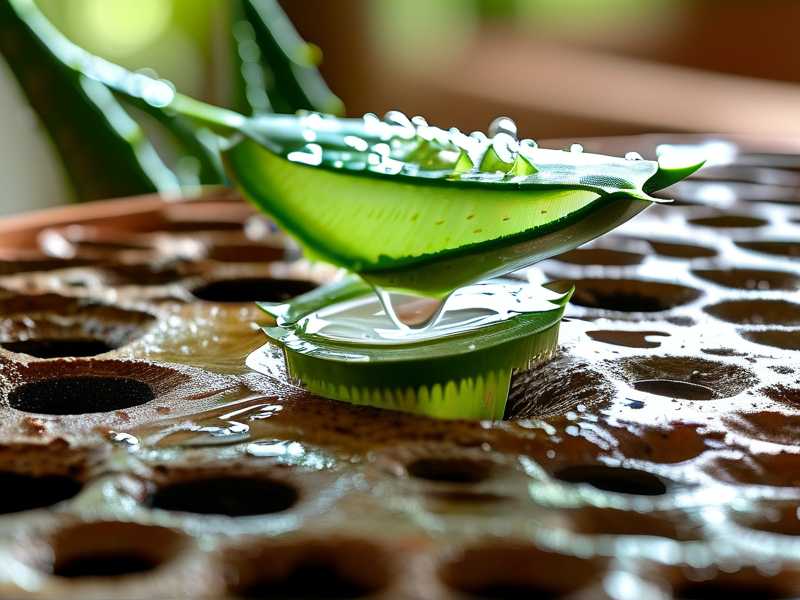
I can't stress this enough. 90% of indoor plants die from overwatering, and aloe pups are even more sensitive. I used to water my pups every few days, thinking they needed constant moisture. Big mistake.
The soil stayed wet, roots rotted, and the pup turned mushy within a week. I learned that aloe pups need the soil to dry out completely between waterings. Think desert conditions, not rainforest.
Mistake #2: Wrong Light Placement
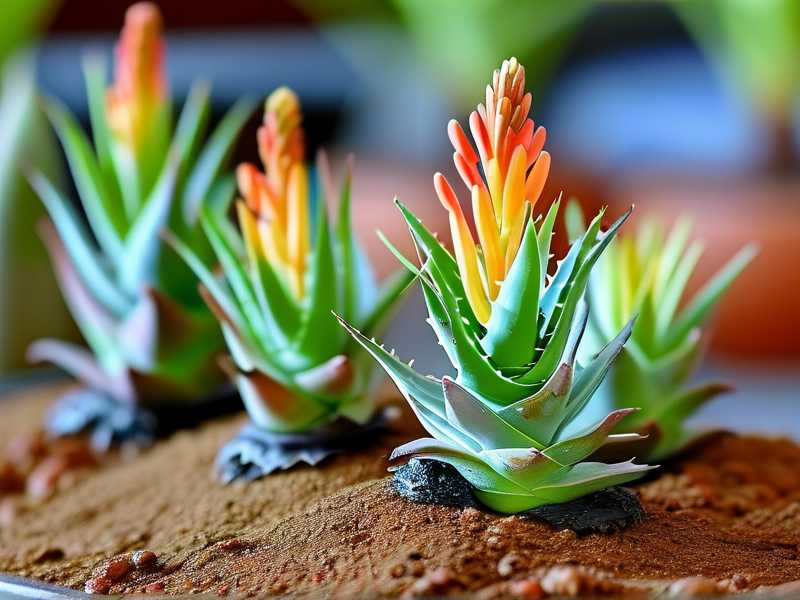
I once put my aloe pup on a south-facing windowsill. Direct sunlight all day. I thought, "Aloe loves sun, right?" Wrong again. The pup turned brown and crispy within days. It was a heartbreaking sight.
Aloe pups need bright but indirect light. East-facing windows work best. I now keep my pups about 2 feet away from the window. They get morning sun but avoid the harsh afternoon rays.
Mistake #3: Using the Wrong Pot
I used a beautiful ceramic pot with no drainage holes for my first pup. It looked great. But the water just sat at the bottom, and the roots suffocated. The pup died after two weeks.
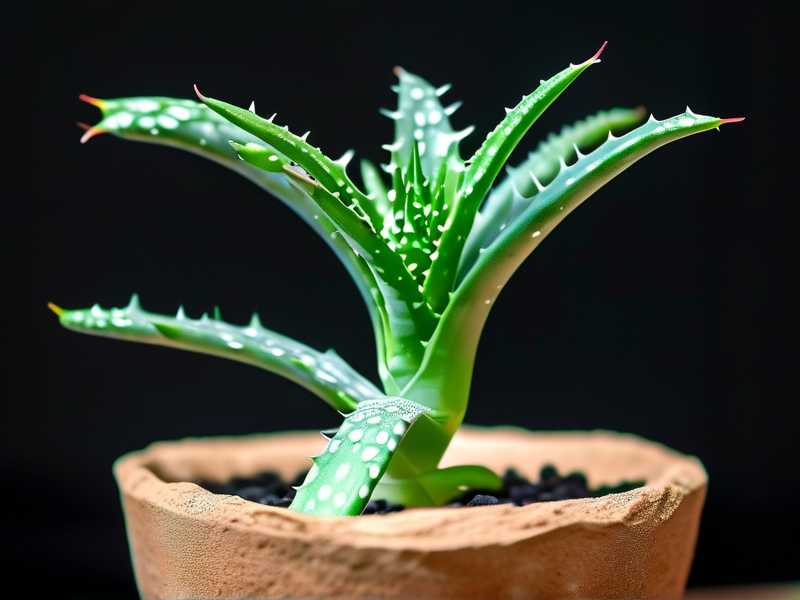
Terracotta pots are my go-to now. They're breathable and help prevent overwatering. The Royal Horticultural Society (RHS) recommends terracotta for succulents because it wicks away excess moisture. I also always use pots with drainage holes, no exceptions.
How I Supplement Nutrients for Aloe Pup Growth
After two years of failures, I finally developed a system that works. I've been using this method for the past 2 weeks, and my pups are thriving. Here's my step-by-step process.
Step 1: Wait for the Right Time
I never fertilize a newly separated pup. I wait until it has at least 3-4 mature leaves. This usually takes 2-3 months after separation. Before that, the pup is still adjusting and doesn't need extra nutrients.
I remember my first attempt. I fertilized a tiny pup with one leaf. It died within a week. The roots were too fragile to handle the fertilizer. Now I'm patient, and it pays off.
Step 2: Choose the Right Fertilizer
I tried several fertilizers before finding the right one. Stay away from high-nitrogen formulas. Aloe pups need a balanced fertilizer with low nitrogen. I use a 10-10-10 NPK liquid fertilizer, but I dilute it to half strength.
The American Horticultural Society (AHS) agrees that succulents need less fertilizer than other plants. I mix 1 teaspoon of liquid fertilizer with 1 gallon of water. That's half the recommended dose. I've found this prevents fertilizer burn.
Step 3: Apply the Fertilizer Correctly
I water my aloe pups first, then add the fertilizer. Never fertilize dry soil. The roots can get burned. I apply the diluted fertilizer directly to the soil, avoiding the leaves.
I do this every 2 weeks during spring and summer. In fall and winter, I stop completely. The plant goes dormant and doesn't need extra nutrients. I learned this after fertilizing a pup in winter and seeing it stop growing.
Step 4: Monitor the Results
After 2 weeks of this routine, I see visible changes. New leaves appear, and the existing leaves look fuller and greener. The pups grow faster than before. I take photos every week to track progress.
One of my pups, "Little Green," grew 2 inches in 2 weeks after I started this routine. Before, it was stuck at 1 inch for months. The difference is clear.
My 2-Week Observation Log
I started a journal for my current batch of pups. Here's what I noticed over 14 days.
Day 1: Beginning the Routine
I had three pups, each about 3 months old. They had 4-5 leaves each. I watered them and then applied the diluted fertilizer. The soil was moist but not wet.
Day 3: First Signs
The leaves looked slightly more plump. I checked the soil moisture, and it was drying out nicely. I didn't water again.
Day 7: Visible Growth
One pup showed a tiny new leaf at the center. The other two looked greener. I was happy but reminded myself not to over-fertilize.
Day 10: Consistent Progress
All three pups had new growth. The leaves were firm and upright. I noticed the colors were richer, almost a deeper green.
Day 14: Great Results
The pups had grown about 1-2 inches in height. The new leaves were healthy and thick. I was proud of my progress. This routine worked.
Common Problems I Faced and Fixed
I've been through almost every issue with aloe pups. Here's how I solved them.
Problem: Yellowing Leaves
I had a pup with yellow leaves. I thought it needed more fertilizer. Actually, I was overfertilizing. The leaves turned yellow from nutrient burn.
I stopped fertilizing for a month. I flushed the soil with plain water to remove excess salts. The yellow leaves fell off, but new green leaves appeared. Now I'm more careful with dosage.
Problem: Slow Growth
One of my pups just wouldn't grow. It stayed the same size for months. I discovered the pot was too big. The pup was focusing on root growth instead of leaf growth.
I moved it to a smaller pot, about 2 inches wider than the pup. Growth resumed within weeks. The RHS advises using pots that are only slightly larger than the plant's root ball.
Problem: Leaf Drop
I had a pup that kept dropping leaves. I thought it was disease. It turned out to be lack of light. The pup was in a dark corner.
I moved it to a brighter spot with indirect light. The leaf drop stopped. Now I keep all my pups in east-facing windows.
Frequently Asked Questions
Q: Can I use organic fertilizer for aloe pups?
Yes, I've used worm castings and compost tea. They work well but break down slowly. I prefer liquid fertilizer for faster results. Just remember to dilute it.
Q: How often should I water aloe pups when fertilizing?
Water only when the soil is completely dry. I check by sticking my finger about 2 inches into the soil. If it's dry, I water. With fertilizer, I water every 2 weeks during active growth.
Q: Should I fertilize aloe pups in winter?
No, I stop fertilizing from November to March. The plant is dormant and doesn't need nutrients. Fertilizing in winter can cause root rot.
Final Thoughts
Growing aloe pups isn't hard once you get the basics right. The key is patience. Wait for the right time, use diluted fertilizer, and don't overwater. I've killed many plants before learning this, but now I have a thriving collection.
Start with one pup, follow my routine, and you'll see results. I promise. And remember, the RHS and AHS have great resources if you want more detailed information. Happy growing, and don't give up if your first few attempts fail. I certainly didn't.